Many believe that mold remediation is a simple DIY task, but this can lead to serious health risks if not handled properly. Understanding the complexities of mold growth and the necessary steps for effective remediation is essential. From evaluating water damage to selecting certified professionals, there are several key factors to take into account. What steps should you take to guarantee a safe and thorough mold removal process? The answer lies in a systematic approach.
Key Takeaways
- Conduct a thorough inspection to identify mold growth and moisture sources, including hidden areas like behind appliances and under sinks.
- Engage professionals with specialized equipment for accurate mold assessment and effective remediation, ensuring air quality testing is part of the process.
- Document findings with notes and photos to create a clear remediation plan and track progress over time.
- Seal off contaminated areas to prevent cross-contamination during mold removal and ensure the use of appropriate personal protective equipment (PPE).
- Implement moisture control strategies post-remediation and schedule regular assessments to prevent future mold growth.
Why You Should Trust the Pros for Mold Removal
When dealing with mold infestations, trusting professionals can save you time and prevent health risks.
Mold health issues can lead to respiratory problems and allergic reactions, making swift action essential. Many remediation myths suggest that DIY methods are sufficient, but these often fall short.
Professionals utilize specialized equipment and techniques to effectively eliminate mold and prevent recurrence. They assess the extent of the infestation, ensuring a thorough approach that you might overlook.
By relying on experts, you’re not only ensuring safety but also gaining peace of mind. Remember, mold can hide in unseen areas, and only trained professionals can fully address these risks.
Trusting the pros is an investment in your home’s health and your family’s well-being.
How to Recognize the Signs of Mold Growth After Water Damage?
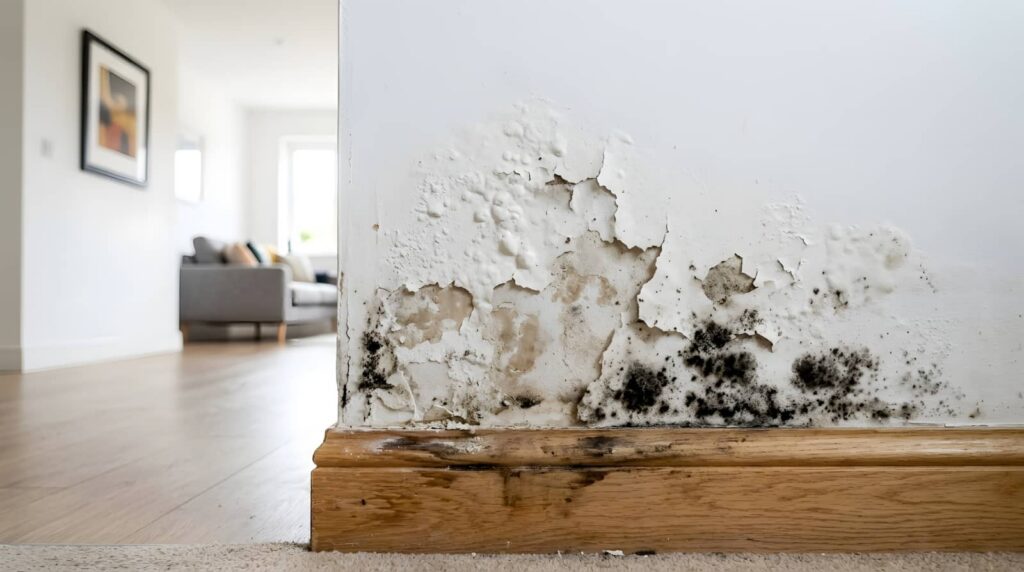
How can you tell if mold is lurking in your home after water damage? Start by looking for mold indicators like dark spots on walls, ceilings, or floors.
You might also notice a musty odor, which often signals hidden mold growth. Check areas where moisture sources are prevalent, such as leaks, condensation, or high humidity.
Inspect behind appliances, under sinks, and in corners where water tends to collect. Pay attention to your health; if you experience respiratory issues or allergic reactions, it might be time to investigate further.
Assessing Water Damage Before Mold Remediation
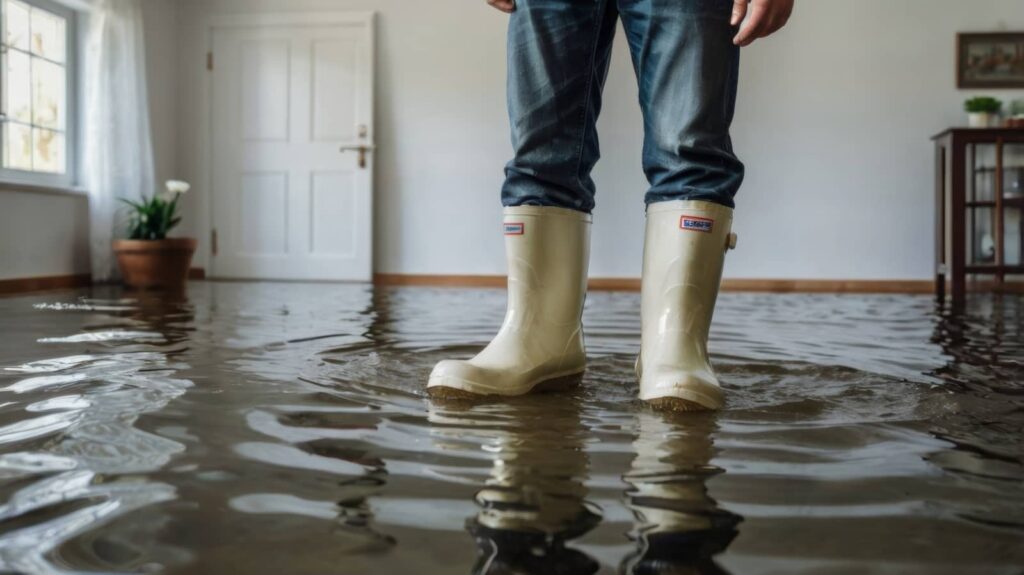
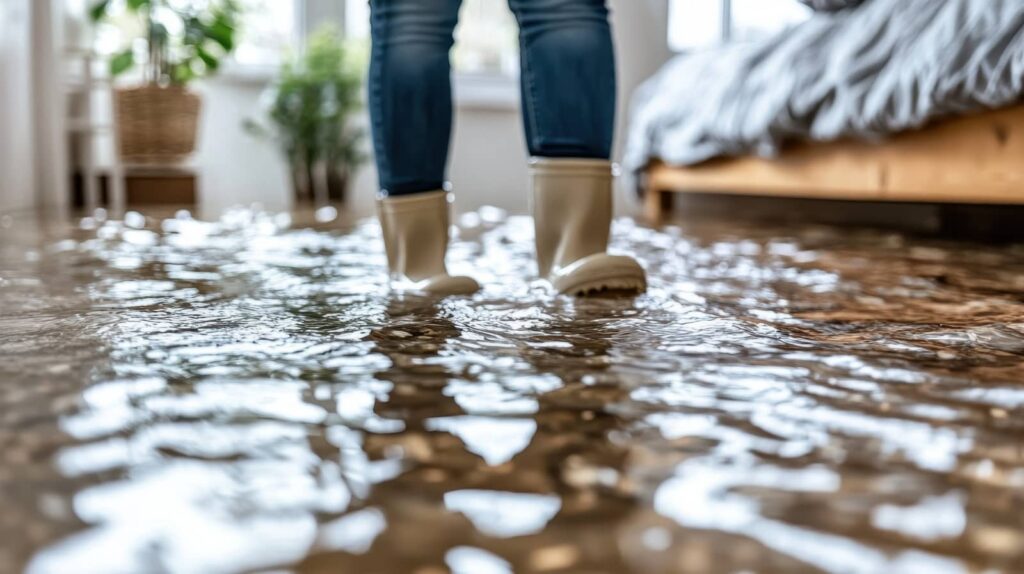
Before you explore mold remediation, it’s essential to assess the extent of water damage in your home.
Accurate water source identification and damage evaluation techniques are vital for effective remediation. Here’s how to proceed:
Identify the Water Source: Locate where the moisture originated, whether from leaks, flooding, or condensation.
Inspect Affected Areas: Examine walls, floors, and ceilings for discoloration or warping.
Use Moisture Meters: Employ these tools to measure moisture levels in materials, ensuring you understand the severity.
Document Findings: Take notes and photos for your records, which can aid in planning remediation and insurance claims.
Choosing the Right Mold Remediation Professional
Ask about their remediation techniques to guarantee they’re using effective, environmentally-friendly practices. Verify their insurance coverage to protect yourself from liabilities during the process.
Client testimonials can provide insight into their reliability and quality of service. Additionally, confirm they offer service guarantees to back their work.
Pricing transparency is essential; avoid hidden fees that could catch you off guard. By focusing on these factors, you’ll find a professional who not only meets your needs but also contributes positively to your home’s health and safety.
Essential Equipment for Effective Mold Remediation
Even with the right mold remediation professional, having the proper equipment is essential for effective results.
To guarantee successful mold remediation, consider investing in the following tools:
Air Scrubbers: These help remove airborne mold spores, enhancing air quality.
Dehumidifiers: Effective dehumidification techniques reduce moisture levels, preventing mold regrowth.
Containment Barriers: Use these to implement mold containment strategies, isolating affected areas and preventing cross-contamination.
Personal Protective Equipment (PPE): Donning gloves, masks, and goggles protects you from exposure during the remediation process.
With this equipment, you’ll not only enhance your effectiveness but also foster a safer environment for everyone involved.
Investing in the right tools means you’re committed to thorough and responsible mold remediation.
How to Effectively Remediate Mold: Step-by-Step
To effectively remediate mold, start by evaluating the extent of the infestation. This involves identifying affected areas and determining the severity of the growth.
Once you’ve assessed the situation, implement safe removal procedures to minimize health risks and prevent further spread.
Assess Mold Infestation Extent
Before you begin the mold remediation process, it’s essential to assess the extent of the infestation accurately. Effective mold identification techniques are critical for understanding how extensive the problem is and the mold growth conditions that contributed to it.
Here’s how to assess:
Visual Inspection: Check walls, ceilings, and hidden areas for visible mold.
Moisture Assessment: Use a moisture meter to identify damp areas that promote mold growth.
Air Quality Testing: Conduct tests to determine airborne mold spores and their concentrations.
Sample Collection: Collect samples from suspected mold areas to confirm species and toxicity.
Implement Safe Removal Procedures
With a clear understanding of the mold infestation extent, it’s time to implement safe removal procedures.
Start by wearing appropriate personal protective equipment (PPE) like gloves, masks, and goggles. Use effective removal techniques, such as scrubbing surfaces with a mixture of water and detergent, and utilizing HEPA vacuums for any lingering spores.
Seal off the contaminated area to prevent cross-contamination, guaranteeing proper airflow. Follow established safety protocols, including maintaining a dry environment and using dehumidifiers.
Dispose of any porous materials, like drywall or carpets, that can’t be cleaned thoroughly.
Finally, guarantee thorough documentation of the process for accountability and future reference, fostering a sense of community support as you address this challenge effectively.
Top 5 Mistakes to Avoid in Mold Remediation
Mold remediation can be a complex process, and avoiding common pitfalls is essential for effective results. Here are the top five mistakes you should steer clear of:
Ignoring Underlying Causes: Focusing only on visible mold without addressing moisture sources can lead to recurring problems.
Underestimating DIY Dangers: Many believe they can handle mold removal themselves, but improper techniques can worsen the issue or expose you to health risks.
Neglecting Safety Gear: Skipping protective equipment can put you at risk of inhaling mold spores or other contaminants.
Not Testing for Mold Types: Common misconceptions suggest all mold is the same; knowing the type can inform your remediation strategy.
What Comes After Mold Remediation: Prevention Tips
Once you’ve successfully completed mold remediation, it’s essential to implement effective prevention strategies to avoid future infestations.
Start by controlling humidity levels; aim for 30-50% indoors using dehumidifiers and proper ventilation. Regularly inspect areas prone to moisture, like basements and attics, guaranteeing no leaks or standing water exist.
Consider using mold-resistant materials in renovations to provide long-term solutions. Additionally, keep gutters clean and confirm proper drainage around your property.
It’s also beneficial to establish a maintenance routine that includes cleaning HVAC systems and checking for mold signs.
The Importance of Air Quality Testing in Mold Remediation
Air quality testing is essential in mold remediation as it helps you assess contaminant levels in your environment.
By identifying the specific types and concentrations of mold spores, you can guarantee a safe living space.
This proactive approach not only protects your health but also aids in verifying the effectiveness of the remediation process.
Assessing Contaminant Levels
Understanding the levels of contaminants in your environment is essential for effective mold remediation. Knowing the specific types and concentrations of mold spores helps mitigate exposure risks.
Here are key steps to contemplate in contaminant testing:
Identify Contaminants: Determine which mold species are present.
Measure Concentrations: Use air sampling methods to quantify spore levels.
Evaluate Exposure Risks: Assess potential health impacts based on contaminant types and levels.
Document Findings: Keep detailed records of your tests to track changes over time.
Ensuring Safe Environments
While you may think mold remediation focuses solely on removal, guaranteeing a safe environment hinges on robust air quality testing. This process is essential for effective mold prevention and fostering healthy homes.
Testing indoor air quality helps identify hidden mold spores that may thrive despite your best cleaning protocols. It’s important to maintain moisture control and confirm your ventilation systems are functioning properly, as stagnant air can lead to further contamination.
Regular property assessments by trained professionals can pinpoint problem areas, allowing for targeted interventions. With professional training, remediation teams can implement thorough solutions, guaranteeing the air you breathe is safe.
Prioritizing air quality testing not only protects your health but also promotes a sustainable living environment for everyone.
Understanding the Costs Involved in Mold Remediation
When dealing with mold remediation, it’s crucial to recognize that costs can vary greatly based on several factors. Understanding these variables can help you anticipate mold remediation costs and navigate insurance coverage effectively.
Here are four key factors to take into account:
Extent of Damage: More extensive infestations require more resources and time.
Location: Costs can vary markedly based on your region and local labor rates.
Type of Mold: Certain mold types may necessitate specialized treatment, affecting overall costs.
Preventative Measures: Investing in safeguards post-remediation can reduce future expenses and improve insurance coverage.
Frequently Asked Questions
Can I Stay in My Home During Mold Remediation?
You shouldn’t stay in your home during the mold remediation process. For your mold safety, professionals often recommend evacuating to avoid exposure to spores and guarantee a thorough, effective clean-up without health risks.
How Long Does Mold Remediation Typically Take?
Mold remediation typically takes 1 to 5 days, depending on mold growth factors like severity and area affected. Effective remediation techniques guarantee thorough removal, so you can safely return to your space sooner rather than later.
Will My Insurance Cover Mold Remediation Costs?
Your insurance policies might cover mold remediation costs, but it depends on coverage limits. Review your policy details and consult with your provider to understand what’s included and any potential exclusions related to water damage.
What Health Risks Are Associated With Mold Exposure?
Have you noticed unexplained health issues? Mold exposure can trigger symptoms like coughing, sneezing, and skin irritation. Long-term effects include respiratory problems and weakened immunity, making it essential to address mold issues promptly for your well-being.
How Can I Prevent Mold From Returning After Remediation?
To prevent mold from returning, implement preventive measures like controlling humidity, ensuring proper ventilation, and fixing leaks. These long-term solutions create an inhospitable environment for mold, promoting a healthier space for you and your loved ones.
Final Thoughts
Addressing mold after water damage isn’t just about removal; it’s about ensuring long-term safety. By trusting professionals, you can effectively mitigate health risks and prevent future infestations. Have you considered how a proactive approach can save you time and money down the line? Regular inspections and air quality testing are essential for a healthy living environment. Don’t wait for mold to become a bigger problem take action now for peace of mind.