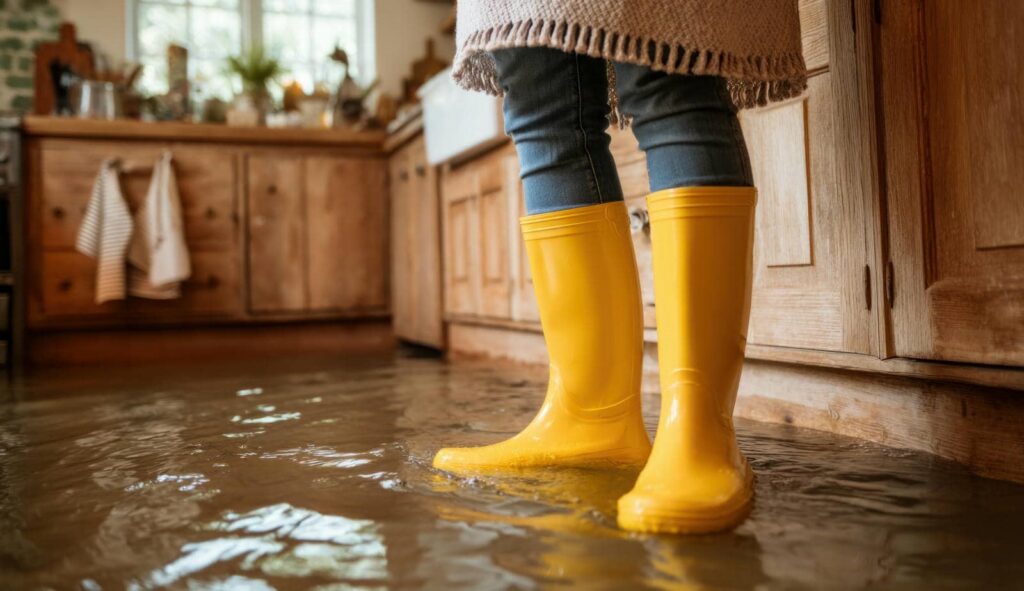

Floods can strike like a thief in the night, catching communities off guard and unprepared. Implementing effective flood emergency response protocols is essential for mitigating these sudden threats. It’s not just about having a plan; it’s about understanding risks, mobilizing resources, and engaging with the community. How can you ensure your area is ready when disaster strikes? The answer lies in a strategic approach that prioritizes preparation and collaboration.
Key Takeaways
- Conduct thorough risk assessments to identify hazards and vulnerable areas before implementing response protocols.
- Establish clear communication channels to ensure timely and accurate information flow during a flood emergency.
- Define evacuation plans and protocols to protect lives and facilitate orderly movement during flooding events.
- Engage the community in response planning to gather insights and foster support for effective implementation.
- Regularly evaluate and test response protocols through drills to identify weaknesses and improve readiness.
Understanding Flood Risks and Vulnerabilities
Understanding flood risks and vulnerabilities is essential for effective emergency management, especially since many communities are unprepared for the devastation floods can cause. You need to analyze your area’s flood history, identifying past events and their impacts. This data provides critical insights that help you anticipate potential future flooding scenarios.
Vulnerability mapping is another key tool in this process. By evaluating which areas and populations are most at risk, you can prioritize resources and develop tailored strategies to mitigate those risks. Engage with local stakeholders and community members to gather their experiences and knowledge; this fosters a sense of belonging and shared responsibility.
Ultimately, recognizing the intersection of flood history and vulnerability mapping allows you to create a more resilient community. By proactively addressing these factors, you’re not just improving emergency response; you’re safeguarding lives and fostering a culture of preparedness that benefits everyone.
Establishing a Flood Emergency Response Team
To effectively respond to flood emergencies, establishing a dedicated Flood Emergency Response Team (FERT) is essential. This team’s success hinges on clearly defined team roles and robust leadership training.
Prioritizing a well-structured communication hierarchy fosters team cohesion, enabling swift decision making during crises.
- Promote community involvement to enhance local risk awareness.
- Implement training programs that focus on resource management and operational readiness.
- Encourage regular drills to ensure all team members understand their responsibilities.
- Foster a culture of trust and collaboration within the team.
- Evaluate team performance to identify areas for improvement.
Developing an Emergency Communication Plan
A well-crafted Emergency Communication Plan is essential for any Flood Emergency Response Team (FERT) to function effectively during a crisis. You need to establish clear channels for crisis messaging that ensure timely and accurate information reaches all stakeholders.
Begin by identifying key stakeholders, such as local authorities, emergency services, and community organizations. Engage them early in the planning process to foster collaboration and trust.
Next, develop a structured messaging hierarchy that outlines who communicates what, when, and through which platforms. This clarity reduces confusion during critical moments.
Utilize various communication tools—social media, text alerts, and community meetings—to disseminate information widely and effectively.
Creating Flood Response Protocols and Procedures
To effectively create flood response protocols, you need to start with robust risk assessment strategies that identify potential hazards.
Establishing clear communication channels ensures that information flows seamlessly during an emergency, while defined evacuation plans provide a structured response to protect lives.
Each element is essential for a coordinated and effective flood response.
Risk Assessment Strategies
While evaluating the risk of flooding, it’s crucial to identify vulnerable areas and prioritize resources effectively.
To achieve this, you should implement various strategies that encompass all critical aspects of flood risk assessment.
Focus on:
- Flood modeling to simulate potential flood scenarios
- Risk mapping to visualize areas at high risk
- Vulnerability analysis to assess community weaknesses
- Hazard assessment to identify potential causes of flooding
- Community engagement to gather local insights and support
Communication Channels Established
Establishing effective communication channels is essential for coordinating flood response efforts. You should prioritize digital communication tools that allow for real-time updates and alerts, ensuring that everyone stays informed.
Utilize platforms such as social media, email newsletters, and community apps to disseminate crucial information swiftly.
Engaging in community outreach is equally critical; it fosters trust and strengthens relationships among residents and emergency responders.
Host workshops or informational sessions to educate the community on available resources and protocols during a flood.
Evacuation Plans Defined
Effective evacuation plans are essential for minimizing risk during a flood.
To enhance your community’s readiness, consider these key components:
Identifying shelter locations: Make certain everyone knows where to go for safety.
Establishing transportation routes: Plan clear paths for evacuation, avoiding high-risk areas.
Communicating with local authorities: Keep lines open for updates and directives.
Conducting regular drills: Practice makes perfect; it builds confidence and familiarity.
Creating a support network: Encourage neighbors to assist one another, fostering a sense of belonging.
Identifying Resources and Equipment for Flood Response
To effectively respond to flood emergencies, you need to identify critical resources and equipment beforehand.
An essential equipment inventory will help you assess what’s available and what’s lacking.
Additionally, implementing resource allocation strategies ensures that you deploy these assets efficiently when every second counts.
Essential Equipment Inventory
When responding to a flood emergency, having a well-defined essential equipment inventory is critical for effective operations. Proper inventory management ensures you’re prepared and can react swiftly.
Regular equipment maintenance is imperative, as malfunctioning tools can hinder your response efforts.
Consider including these essential items in your inventory:
- Water rescue boats
- High-capacity pumps
- Personal protective equipment (PPE)
- Communication devices
- First aid kits
Staying organized and maintaining an updated inventory list fosters a sense of belonging among your team. It empowers everyone involved to know their roles and responsibilities, enhancing overall coordination during crises.
Resource Allocation Strategies
As floodwaters rise, prioritizing resource allocation becomes essential for a swift and effective response. You need to establish clear resource distribution strategies to ensure that every asset is utilized efficiently.
Start by conducting a thorough inventory of available resources, including personnel, equipment, and supplies. Effective asset management allows you to identify gaps and prevent wastage.
Collaborate with local agencies and community organizations to pool resources and enhance response capabilities. Create a dynamic plan that adapts to changing conditions, ensuring your team can mobilize quickly where needed most.
Training and Drills for Emergency Response Teams
Effective training and drills for emergency response teams are essential, especially in flood-prone areas where rapid decision-making can save lives.
By incorporating realistic scenarios and role-playing exercises, you can enhance your team’s preparedness for actual flood emergencies. Here are key components to focus on during training:
- Simulated flood conditions to practice response times
- Team coordination drills to improve communication
- Evacuation procedures to ensure safety and efficiency
- Resource management training to optimize asset use
- Post-event debriefs to identify areas for improvement
These elements foster a sense of belonging among team members, as they learn to rely on each other in high-pressure situations.
Regular drills sharpen skills and build camaraderie, ensuring your team is ready to face real-world challenges effectively.
Prioritizing this training can make a significant difference in your community’s overall resilience to flooding.
Collaborating With Local Authorities and Organizations
To effectively respond to flood emergencies, you need to establish robust communication channels with local authorities and organizations.
Joint training exercises enhance coordination and ensure everyone is prepared to act.
Additionally, resource-sharing agreements can greatly bolster your response capabilities, allowing for a more unified and efficient operation.
Establishing Communication Channels
How can you assure seamless communication during a flood emergency? Establishing effective channels is essential for timely updates and coordination.
Collaborate with local authorities and organizations to ensure everyone stays informed. Here are key strategies:
Leverage social media outreach for real-time updates.
Organize community workshops to educate and engage residents.
Develop a multi-channel communication plan (text alerts, radio).
Create a dedicated emergency contact list with stakeholders.
Utilize local influencers to spread awareness.
Joint Training Exercises
While floods can strike with little warning, participating in joint training exercises with local authorities and organizations ensures you’re prepared to respond effectively.
These collaborative training sessions help you understand the roles of various stakeholders, improving coordination during actual emergencies. By engaging in joint exercises, you build trust and camaraderie with your community partners, fostering a sense of belonging that strengthens your response efforts.
You’ll enhance your skills, learn best practices, and identify gaps in your emergency protocols. Furthermore, sharing experiences and insights during these exercises cultivates a unified approach to flood response.
When everyone knows their role, you can minimize confusion and maximize efficiency, ensuring you’re ready when disaster strikes. Your involvement is crucial for a resilient community.
Resource Sharing Agreements
Establishing resource sharing agreements with local authorities and organizations is essential for effective flood response.
These agreements facilitate resource exchange and ensure that every entity involved is prepared to offer mutual assistance when disaster strikes. By collaborating, you enhance your community’s resilience and streamline your emergency response efforts.
Key elements of resource sharing agreements include:
- Clearly defined roles and responsibilities
- Inventory of available resources and assets
- Procedures for communication and coordination
- Training programs to ensure readiness
- Regular reviews and updates to maintain relevance
Implementing Post-Flood Recovery Strategies
As communities begin to recover from the devastation of a flood, implementing effective post-flood recovery strategies becomes vital for restoring normalcy and resilience. You’ll want to prioritize community engagement, ensuring that local voices shape recovery efforts. This involvement fosters a sense of belonging and harnesses local knowledge for better outcomes.
Simultaneously, focus on enhancing infrastructure resilience. Evaluating the damage and investing in upgrades can prevent future disasters from having the same devastating impact. This means not just repairing what’s broken, but innovating solutions that withstand future challenges.
It’s essential to create support networks, connecting residents with resources and services. By collaborating with non-profits, local businesses, and government agencies, you can build a robust recovery framework that empowers everyone.
Ultimately, a committed approach to community engagement and infrastructure resilience will lay a strong foundation for a thriving, united future.
Evaluating and Updating Flood Response Plans
Post-flood recovery strategies lay the groundwork for evaluating and updating flood response plans to better prepare for future incidents.
You must regularly assess your current plans, ensuring they align with new data and technologies. Incorporating flood simulations can provide invaluable insights, allowing you to test the effectiveness of your strategies under varying scenarios.
To strengthen your flood response plan, consider these key steps:
- Review previous incident reports for lessons learned.
- Conduct regular plan testing to identify weaknesses.
- Involve community stakeholders in feedback sessions.
- Update contact lists and resource inventories annually.
- Train response teams on revised protocols.
Educating the Community on Flood Preparedness
While many individuals understand the importance of flood preparedness, effective education is essential for ensuring community resilience.
You can play a pivotal role by participating in community workshops designed to enhance awareness and knowledge about flood risks. These workshops provide valuable information and foster a sense of belonging among neighbors who share the same concerns.
Engaging in preparedness campaigns can amplify your impact. These campaigns encourage proactive measures, such as creating emergency plans and assembling disaster kits.
Frequently Asked Questions
What Are the Legal Responsibilities During a Flood Emergency?
During a flood emergency, you’ve got legal liabilities to uphold, including adhering to emergency regulations. Failing to comply can result in penalties, so it’s essential to stay informed and act responsibly throughout the situation.
How Can We Fund Flood Emergency Response Initiatives?
To fund flood emergency response initiatives, explore grant opportunities and build community partnerships. Collaborating with local organizations can enhance resource availability, ensuring a thorough approach that effectively addresses the needs during flood emergencies.
What Role Do Volunteers Play in Flood Response Efforts?
Volunteers weave the fabric of flood response efforts, enhancing community engagement through dedicated support. With proper volunteer training, they transform challenges into opportunities, ensuring effective communication and resilient action during emergencies, fostering unity and belonging.
How Often Should Flood Response Plans Be Tested?
You should test flood response plans at least annually to ensure response effectiveness. Increased testing frequency helps identify weaknesses, fosters teamwork, and enhances overall readiness, assuring you and your community can respond effectively when needed.
What Psychological Support Is Available for Flood Victims?
So, you’ve nearly floated away, huh? Luckily, trauma counseling and community support are available. These resources help you process emotions and rebuild connections, making sure you’re not just treading water, but truly staying afloat.
Review
Implementing flood emergency response protocols is crucial for community safety. By understanding risks, establishing response teams, and engaging with local authorities, you can greatly enhance your community’s resilience. Regular drills and clear communication channels ensure preparedness, while post-flood recovery strategies aid in swift restoration. It’s important to stay proactive and informed, as this can save lives and minimize damage during flood events.