When faced with water intrusion, you need effective strategies for immediate extraction. Prioritizing timely intervention can greatly reduce damage and prevent mold growth. Evaluating the situation carefully allows you to choose the right equipment, whether it’s submersible pumps for large areas or vacuum extraction for smaller spaces. Understanding safety precautions is essential, too. As you consider your next steps, think about how to maintain a healthy indoor environment while ensuring long-term recovery.
Key Takeaways
Conduct a visual inspection and use moisture measurement tools to assess damage and identify hazards before starting extraction efforts.
Utilize high-powered submersible pumps for rapid removal of large water volumes and vacuum extractors for smaller, localized moisture.
Equip yourself with appropriate personal protective equipment (PPE) to ensure safety and prevent electrical hazards during the extraction process.
Implement dehumidifiers immediately after extraction to reduce humidity levels and prevent mold growth in affected areas.
Document the entire process, including damage assessment and extraction efforts, to facilitate insurance claims and future reference.
Why Timely Water Extraction Matters
When water damage occurs, timely extraction isn’t just important—it’s critical. Delaying this process can lead to severe water contamination, heightening health risks for you and your loved ones.
Mold can develop quickly, impacting your emotional well-being and sense of safety in your home. Quick action protects your property value and simplifies insurance claims, as thorough documentation is easier when extraction is prompt.
You’ll face fewer cleanup challenges, and restoration timelines can be greatly reduced. Utilizing community resources like local restoration services ensures you’re not alone in this process.
Your proactive measures can make a substantial difference, fostering a healthier environment and a stronger connection to your community during such a trying time.
How to Assess Damage After Water Intrusion
After water intrusion, you need to conduct a thorough visual inspection to identify visible damage and potential hazards.
Utilizing moisture measurement tools will help you quantify the extent of water saturation and pinpoint affected areas.
Be vigilant for structural issues, as early detection can prevent further complications and costly repairs.
Visual Inspection Techniques
To effectively evaluate damage after water intrusion, start by conducting a thorough visual inspection of the affected areas.
Use visual inspection tools like flashlights and mirrors to examine hidden spaces, such as behind walls and under flooring. Look for discoloration, warping, or mold growth, which indicate moisture retention.
Employ inspection techniques that include checking for leaks, evaluating the condition of materials, and identifying damaged furnishings. Document your findings with photos for future reference.
Pay special attention to areas around windows, doors, and plumbing fixtures, as they’re often prone to water damage.
Moisture Measurement Tools
Following a thorough visual inspection, accurately measuring moisture levels becomes vital in evaluating damage from water intrusion.
Using moisture meters allows you to pinpoint affected areas by providing numerical data on moisture content in materials. These devices are essential for evaluating both surface and subsurface moisture levels.
Additionally, infrared imaging can help you identify hidden moisture pockets behind walls or under floors, giving you a wide-ranging view of the damage.
By combining these tools, you can effectively determine the extent of water intrusion and plan appropriate remediation strategies.
This approach ensures a thorough evaluation while fostering a sense of community, as you share insights and solutions with others facing similar challenges.
Identifying Structural Issues
While evaluating damage from water intrusion, you must carefully identify any structural issues that may compromise the integrity of the building. Start by inspecting the foundation for signs of settling or cracks, as these foundation issues can lead to long-term effects.
Next, check walls for deterioration; moisture retention can weaken building materials and create hidden damages. Don’t overlook insulation concerns, as wet insulation can lead to mold growth.
Examine drainage problems that may have contributed to water intrusion, ensuring proper water flow away from the structure. Implementing effective repair strategies—such as reinforcing walls and replacing damaged materials—can restore structural integrity and prevent future issues.
Your proactive assessment is essential for maintaining a safe and secure environment.
Safety Precautions During Water Extraction
When extracting water, it’s essential to prioritize your safety by using appropriate personal protective equipment (PPE).
Make certain you’re also implementing electrical safety measures to prevent hazards, as water and electricity pose significant risks.
Personal Protective Equipment
Prioritize safety training to familiarize yourself with equipment selection and proper usage. Conduct a hazard assessment before starting, identifying potential dangers and ensuring you’re equipped to handle them.
Regular gear maintenance is imperative; inspect your PPE for wear and tear to maintain its effectiveness. Remember, your safety directly impacts the efficiency of the extraction process, so don’t overlook these critical precautions.
Electrical Safety Measures
To ensure safety during water extraction, it’s crucial to assess and manage electrical hazards effectively.
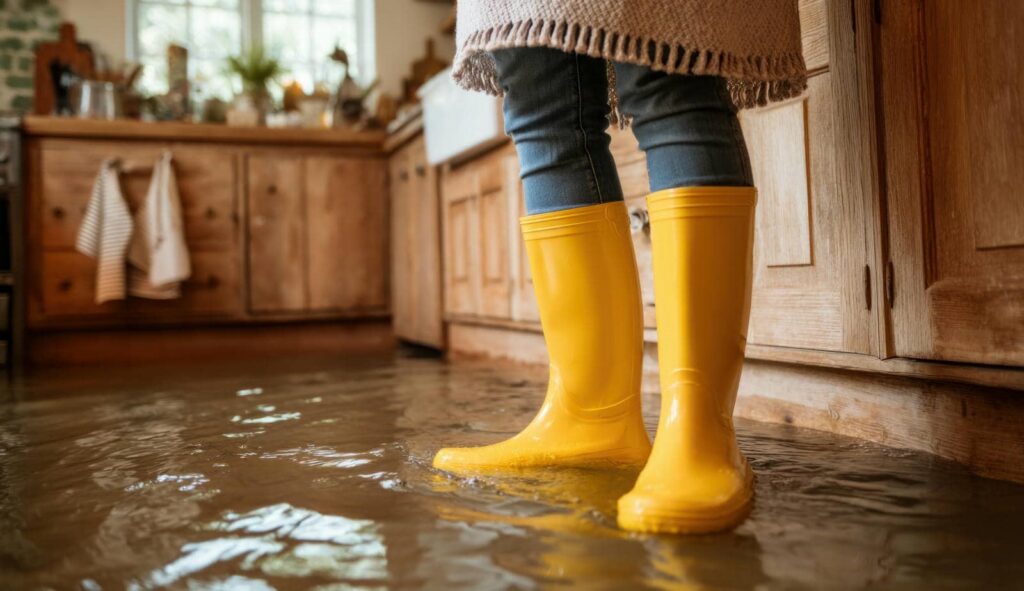
Start by shutting off the power supply to affected areas. Use a non-contact voltage tester to confirm that circuits are de-energized before beginning work. Always wear insulated rubber boots and gloves to protect yourself from potential shocks.
Follow established safety protocols, such as maintaining a dry working environment and avoiding water contact with electrical equipment. Verify that all tools are in good condition and rated for wet conditions.
If you’re unsure about any electrical components, consult a licensed electrician. By prioritizing electrical safety measures, you protect yourself and foster a culture of safety within your team.
How to Pick the Best Gear for Water Removal
How can you ensure you’re equipped with the right gear for effective water removal? Start with a thorough gear selection.
Look for equipment featuring high suction power and durability. Consider the type of water you’re dealing with—clean, gray, or black—as this influences the necessary gear.
Portable pumps are essential for quick extraction, while wet/dry vacuums can handle smaller jobs. Pay attention to hose length, tank capacity, and filtration systems, as these equipment features enhance efficiency.
Don’t forget personal protective gear; it’s vital for your safety.
By investing in reliable tools tailored to your specific needs, you’ll foster a sense of community as you tackle water extraction challenges together.
Choose wisely, and you’ll be ready for any emergency.
Effective Techniques for Water Extraction
Harnessing effective techniques for water extraction can greatly reduce damage and expedite recovery. Utilizing advanced techniques and innovative tools ensures a thorough and efficient process.
Here are some key methods you should consider:
Submersible Pumps: These powerful tools can quickly remove large volumes of water, making them essential for flood situations.
Vacuum Extraction: Ideal for smaller areas, this technique uses specialized vacuums to suction moisture from carpets, floors, and walls.
Dehumidification: Following extraction, employing dehumidifiers helps prevent mold growth by reducing humidity levels.
DIY vs. Professional Services: Which Is Right for You?
When deciding between DIY water extraction and hiring professional services, it’s essential to weigh the urgency and extent of the damage.
DIY methods can seem appealing due to lower costs, but consider your skill level and equipment needs. If you’re confident and the damage is minimal, you might manage with rental equipment.
However, time considerations are important; professionals often respond quicker, minimizing long-term effects. A risk assessment is necessary—improper handling can lead to mold and structural issues, increasing homeowner responsibility.
Ultimately, a cost comparison should include the potential hidden costs of DIY failures. If the damage is extensive, professional services provide expertise and efficiency, ensuring thorough extraction and peace of mind.
How Dehumidifiers Aid in Water Extraction Drying
In water extraction drying, dehumidifiers play an essential role in removing moisture from the air and surfaces, accelerating the drying process.
You can choose from various types of dehumidifiers, each designed to tackle specific moisture challenges effectively.
Understanding these options helps you select the right equipment for best results in your emergency response.
Role In Moisture Removal
Dehumidifiers play an essential role in moisture removal during water extraction processes. By enhancing moisture absorption, they considerably accelerate drying times and help prevent secondary damage.
These machines utilize advanced evaporation techniques to extract humidity from the air, creating a drier environment that supports effective water extraction.
Rapid moisture removal: Quickly reduces humidity levels, speeding up the drying process.
Prevention of mold growth: Lowers the risk of mold development by eliminating excess moisture.
Improved air quality: Enhances the indoor environment, making it safer and more comfortable.
Incorporating dehumidifiers into your water extraction strategy ensures a thorough and efficient drying process, allowing you to reclaim your space effectively.
Types Of Dehumidifiers Available
Effective moisture removal relies on selecting the right type of dehumidifier for your specific needs.
Portable dehumidifiers are great for small spaces, while refrigerant dehumidifiers efficiently cool air to extract moisture.
If you’re dealing with extreme humidity, desiccant dehumidifiers excel in low temperatures.
For larger areas, industrial dehumidifiers provide robust capacity considerations, ensuring effective humidity control.
When choosing, consider energy-efficient models to reduce cost factors long-term.
Always prioritize proper air circulation to enhance performance, and follow maintenance tips to keep your dehumidifier running smoothly.
Preventing Mold After Water Extraction
While water extraction is essential for mitigating damage, preventing mold growth in the aftermath requires prompt and thorough action.
Implementing effective mold prevention strategies during post extraction cleaning is vital to protect your space and health. Start by ensuring all affected areas are completely dried within 24-48 hours. Use dehumidifiers to maintain low humidity levels, ideally below 60%. Regularly inspect hidden spaces like attics and basements for moisture accumulation.
- Clean and sanitize surfaces with appropriate mold-killing solutions.
- Remove any wet or damaged materials, such as carpeting or drywall.
- Monitor indoor humidity levels and ventilate areas prone to moisture.
When to Call in Mold Remediation Pros?
After addressing moisture issues and implementing mold prevention strategies, you might still find signs of mold growth in your space.
If you notice persistent discoloration or a musty odor, it’s time to call in mold remediation pros. A professional assessment is essential for identifying hidden mold spores that can pose health risks.
They’ll use specialized remediation techniques to ensure the safe removal of mold from affected building materials.
Utilize a detailed inspection checklist to guide your decision; if you spot extensive mold or experience health symptoms, don’t hesitate.
Early intervention can prevent further damage and keep your environment safe. Trusting experts ensures thorough remediation and reinforces your commitment to a healthy living space.
Long-Term Solutions for Property Recovery
To ensure lasting recovery from water damage, it’s crucial to implement thorough strategies that address both immediate and long-term needs.
Focus on integrating sustainable materials in repairs to enhance durability. Establish effective drainage systems and water retention solutions to manage future flood risks. Proper landscape management can also mitigate water damage, while flood barriers offer an additional layer of protection.
- Utilize sustainable materials for repairs and renovations.
- Invest in advanced drainage systems to redirect water effectively.
- Implement irrigation solutions that support water retention without overwhelming your property.
Frequently Asked Questions
What Are the Costs Associated With Emergency Water Extraction Services?
Emergency water extraction costs can vary widely. Factors like water damage extent and extraction techniques used impact pricing. You’ll want to assess your specific situation for an accurate estimate and effective solutions.
How Long Does the Water Extraction Process Typically Take?
Isn’t it fascinating how quickly you can reclaim your space? Typically, extraction duration ranges from a few hours to days, influenced by drying factors like humidity and material saturation. Swift action ensures ideal results.
Can I Use My Home Insurance for Water Extraction Expenses?
Yes, you can use your home insurance for water extraction expenses, depending on your policy. Review your coverage details and file extraction claims promptly to maximize your benefits and minimize financial stress during recovery.
What Signs Indicate a Need for Immediate Water Extraction?
If you notice water pooling, stained walls, or a musty smell, it’s time for immediate water extraction. These signs indicate flood damage and can lead to mold growth, jeopardizing your home and health.
How Do I Maintain My Equipment After Water Extraction?
After water extraction, you should prioritize equipment maintenance by thoroughly cleaning all components. Use appropriate cleaners, check for debris, and ensure everything’s dry to prevent mold. Regular upkeep enhances performance and extends your gear’s lifespan.
Review
In the world of water damage recovery, time is of the essence—“a stitch in time saves nine.” By promptly evaluating damage, employing the right extraction techniques, and using dehumidifiers, you can greatly mitigate risks. Don’t underestimate the importance of safety and documentation. If mold becomes a concern, don’t hesitate to call in professionals. Your proactive approach protects your property and ensures a healthier living environment for you and your family.