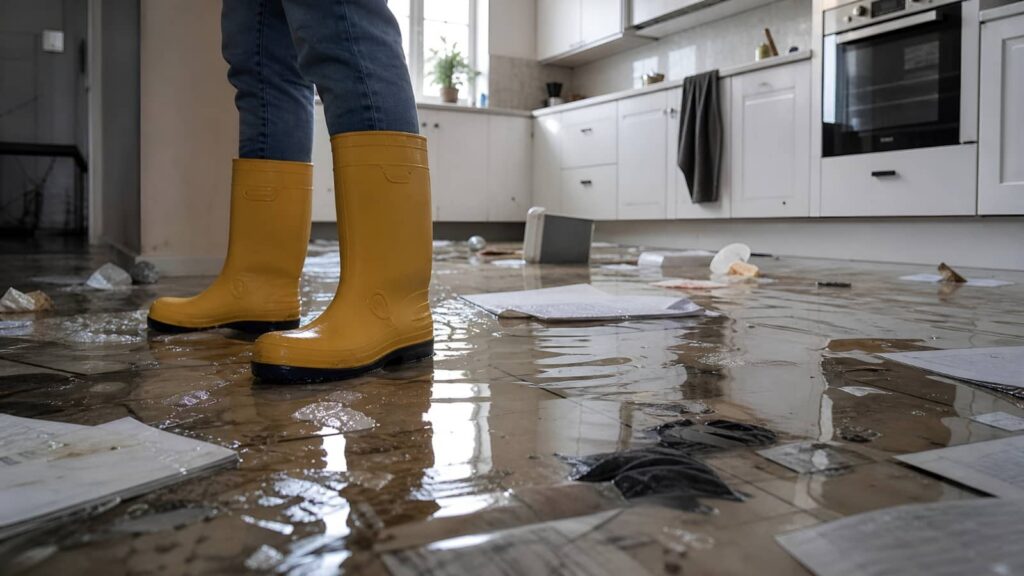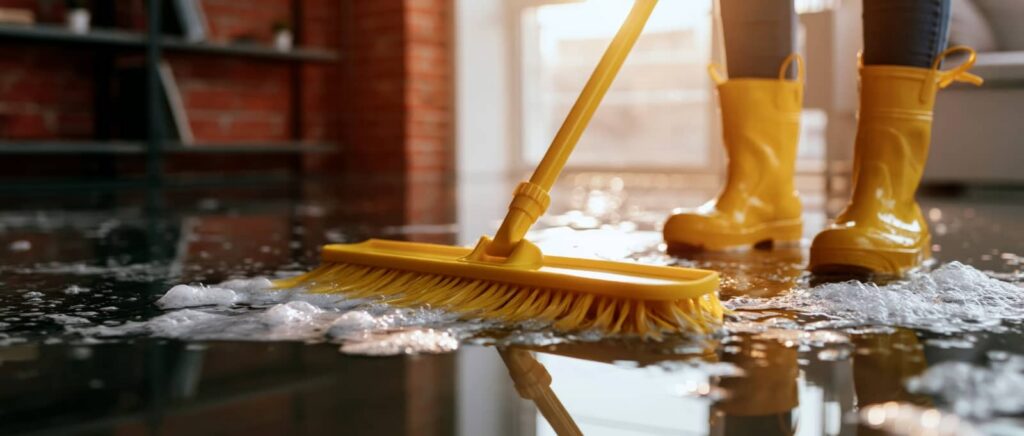
When faced with a water emergency, your immediate response can make all the difference. You’ll need to prioritize safety first, but knowing how to act swiftly and effectively is essential. Understanding the right equipment and techniques can greatly reduce damage and prevent further complications. As you consider your next steps, it’s important to recognize when the situation might require expert intervention. What are the essential strategies that can guide you through this challenging process?
Key Takeaways
- Quickly assess the situation and shut off electricity and gas to ensure safety before beginning water extraction.
- Utilize powerful pumps and wet vacuums to efficiently remove standing water from affected areas.
- Employ dehumidifiers and fans to promote airflow and expedite the drying process.
- Regularly check for hidden moisture using moisture meters to prevent mold growth.
- Seek professional assistance for persistent issues like mold or contamination to ensure thorough recovery.
Immediate Steps to Take in Water Emergencies
When you face a water emergency, quick action can make all the difference in minimizing damage and ensuring safety.
Start by evaluating the situation—determine the source of water and its potential impact on your home and loved ones. Having a flood preparedness plan in place can guide you.
Confirm you turn off electricity and gas to prevent hazards. Move valuables to higher ground, and if it’s safe, use sandbags to divert water flow.
Communicate with family members, making sure everyone knows the safety measures to follow. Stay informed through local alerts and weather updates.
Essential Equipment for Water Extraction
After securing your safety and addressing immediate threats, the next step involves equipping yourself with the right tools for effective water extraction.
Start with water pumps, which can quickly remove large volumes of water. Wet vacuums are vital for smaller spaces, helping you tackle residual moisture.
Don’t forget about drainage systems; they can prevent future flooding by channeling excess water away. Moisture meters will help you assess dampness levels, ensuring thorough drying.
For larger areas, extraction mats can pull moisture from carpets and floors effectively. Finally, air movers are essential for increasing airflow, speeding up the drying process.
What Equipment Do You Need for Water Extraction?
To effectively manage water extraction, having the right equipment is essential, as it directly impacts your ability to restore your space efficiently.
Start with powerful water extraction tools like pumps and vacuums to remove standing water quickly.
Don’t overlook moisture detection devices; they help identify hidden damp spots, ensuring you address all affected areas.
Dehumidifiers are important for reducing humidity levels, preventing mold growth.
Additionally, consider using fans to promote airflow and speed up drying.
Each piece of equipment plays a significant role in your process, fostering a sense of safety and belonging as you work toward restoring your environment.
Investing in the right tools enhances effectiveness and reassures you that you’re taking the right steps forward.
Follow These Steps to Remove Water Effectively
Once you’ve gathered the right equipment for water extraction, it’s time to implement a systematic approach to remove water effectively.
First, ensure your safety by wearing protective gear—this is an essential preventive measure.
Next, start by removing any furniture or belongings from the affected area to avoid further damage. Use a pump or wet/dry vacuum to extract standing water quickly.
Once the majority of water is removed, employ fans and dehumidifiers to dry out the space thoroughly. Regularly check for hidden moisture, as lingering dampness can lead to mold.
Throughout this process, keep safety precautions in mind, like avoiding electrical hazards.
Following these steps helps restore your space and fosters a sense of community support in challenging times.
When to Call Professionals for Water Damage Recovery
While you might feel equipped to handle minor water damage on your own, certain situations warrant professional intervention.
If you notice persistent water damage indicators like mold growth, discoloration, or a musty smell, it’s time to call in the experts. These signs often indicate underlying issues that could escalate if left untreated. A professional assessment can identify the source of the problem and ensure proper extraction and drying.
Additionally, if the water has contaminated your space—perhaps due to flooding or sewage—it’s essential to act quickly. Professionals have the right equipment and the expertise to prevent further damage and health risks.
Trusting experts can provide you peace of mind during a stressful time.
Frequently Asked Questions
How Can I Prevent Future Water Emergencies in My Home?
You can prevent future water emergencies by implementing waterproofing techniques and performing routine maintenance. Regularly inspect your home for leaks, clean gutters, and ensure proper drainage. This proactive approach helps create a safe, welcoming environment for everyone.
What Are the Signs of Hidden Water Damage?
Look for peeling paint, musty odors, or mold growth. These signs can indicate structural damage, affecting your home’s integrity and safety. Stay vigilant and proactive.
Can I Use a Regular Vacuum for Water Extraction?
You can’t use a regular vacuum for water extraction; it’s not designed for that. Instead, consider specialized vacuum types that handle moisture, ensuring effective removal and protecting your space from further damage. Prioritize safety and efficiency.
How Long Does It Take for Water Extraction to Complete?
Water extraction duration typically ranges from a few hours to several days. Factors like the extent of water damage, equipment used, and drying conditions greatly influence the extraction process. You deserve timely, effective solutions for your situation.
What Health Risks Are Associated With Standing Water?
Standing water’s like a ticking time bomb. It fosters disease transmission, mold growth, insect infestations, and structural damage. You need to act quickly to protect your health and home from these serious risks.
Wrap-Up
In the chaos of a water emergency, your swift actions can feel like a superhero’s response to a disaster. By prioritizing safety, using the right equipment, and following effective extraction steps, you can greatly mitigate damage. Don’t underestimate the importance of thorough drying to prevent mold. If challenges persist, remember that professionals exist to tackle even the most intimidating situations. Trust your instincts and take action—your home deserves nothing less than the best care in times of crisis.