Just as a shipwright carefully inspects a vessel after a storm, you need to approach flood damage repair with methodical precision. Evaluating the damage isn’t just about what’s visible; it’s about understanding the hidden threats that could compromise your home. Safety must come first, and every step counts. Are you prepared to navigate the complexities of restoration and recovery? The journey begins with understanding what’s at stake and how to proceed effectively.
Key Takeaways
- Assess and document flood damage thoroughly, noting structural, electrical, and personal belongings for insurance claims.
- Prioritize safety by wearing protective gear and turning off electricity in affected areas before beginning repairs.
- Remove standing water promptly using pumps or wet/dry vacuums, and ensure proper ventilation for drying.
- Develop a clear restoration plan that outlines timelines, costs, and compliance with local building codes.
- Conduct a final inspection after repairs, review insurance coverage, and discuss maintenance tips to prevent future damage.
How to Recover From Flood Damage: First Steps
When floodwaters recede, the first thing you need to do is assess the damage. Start by carefully walking through your home, noting areas affected by water. Look for structural damage, mold, and damage to electrical systems.
It’s essential to document everything with photos for insurance claims.
Next, reach out to community resources that can provide assistance. Local organizations often offer support for flood recovery, including cleanup crews and financial aid.
Remember, emergency preparedness is key; having a plan in place for situations like this can ease the stress of recovery.
Don’t hesitate to lean on neighbors and friends; together, you can navigate this challenging time.
Your community is here to help you rebuild and recover.
Assess the Damage and Ensure Safety
Evaluating the damage in your home after a flood is essential for your safety and recovery. Start by putting on safety gear—gloves, boots, and masks—to protect yourself from hazards like mold or sharp debris.
As you move through your home, carefully assess each room. Look for waterlogged items, structural damage, and electrical issues. Make a list of affected areas for thorough damage evaluation.
If you notice any signs of instability, it’s vital to avoid those spaces until they’re deemed safe. Trust your instincts and prioritize your well-being. Sharing your concerns with family or friends can provide support during this stressful time.
Documenting Losses for Insurance: Why It Matters
Documenting your losses after a flood is vital for securing the compensation you need.
Accurate records support your insurance claim and help you keep track of what needs repair or replacement.
Importance of Accurate Records
Accurate record-keeping can be the difference between a successful insurance claim and a frustrating denial, especially after flood damage. When you document your losses meticulously, you create a clear picture for your insurance provider.
Start with a detailed damage assessment, noting every item affected. Photos and videos can serve as powerful evidence, so don’t hesitate to capture the extent of the destruction.
Make an extensive list of your damaged belongings, including purchase dates and values. This meticulous approach strengthens your claim and helps you process your loss.
Essential Documentation Items
When faced with the aftermath of flood damage, having the right documentation can make all the difference in your insurance claim process.
Start by creating an inventory of damaged items, noting their condition and value. Use clear, concise descriptions, so your insurance adjuster understands your losses. Capture receipts for major purchases and any repair work already done. This helps substantiate your claims.
It’s also crucial to document the damage with detailed notes and sketches of affected areas. Employing effective documentation strategies strengthens your case and provides peace of mind during a stressful time.
Tips for Effective Photos
How can you ensure your photos effectively convey the extent of flood damage for your insurance claim?
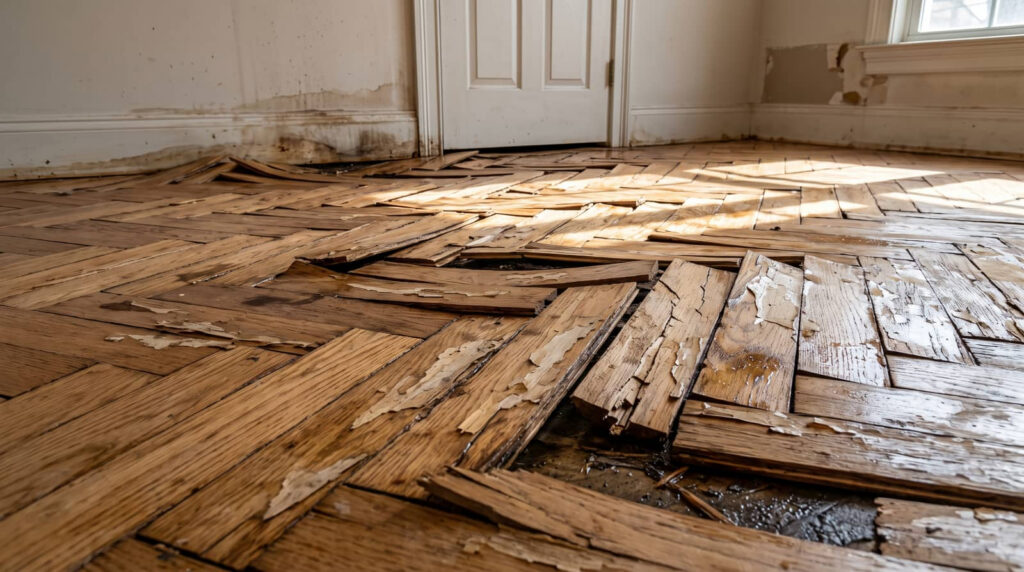
Start by focusing on photo composition. Capture wide shots to show the overall scene, then zoom in on specific damage—like warped floors or soaked walls. Use natural lighting whenever possible; it highlights details better than flash.
If it’s dark, try using lamps to illuminate the affected areas evenly. Take multiple angles to provide a thorough overview. Remember, clarity is key; avoid clutter in your shots.
Finally, document items that are damaged beyond repair, ensuring each image tells a part of your story. Thoughtful photography supports your claim and helps you feel connected to the recovery process.
How to Remove Water and Moisture From Your Home
Removing water and moisture from your home is essential in preventing further damage and mold growth.
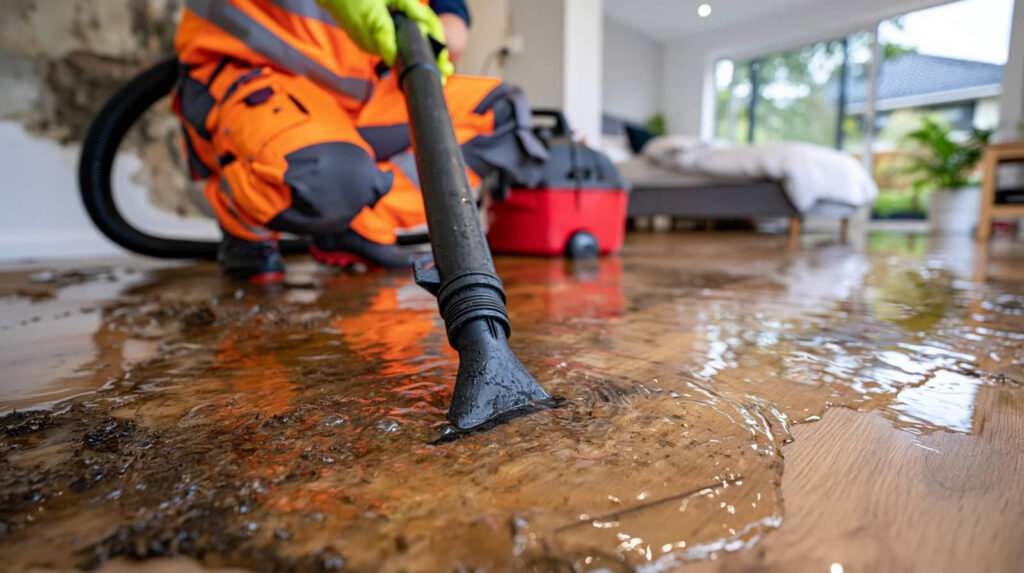
Start by turning off the electricity in affected areas to ensure safety. Use a wet/dry vacuum or pumps to remove moisture efficiently, focusing on standing water first.
Open windows and doors to enhance airflow, aiding in drying techniques. Fans and dehumidifiers can greatly speed up the process, so place them strategically to cover all damp areas.
Check hidden spaces like under cabinets and behind appliances, since moisture can linger there.
Regularly monitor humidity levels with a hygrometer, aiming for below 60%.
Cleaning and Disinfecting After Flood Damage
After tackling the initial water removal, it’s crucial to start cleaning and disinfecting to prevent health risks and further damage.
Begin by using effective cleaning techniques, like scrubbing surfaces with soap and water to remove dirt and debris. Pay special attention to high-touch areas, making sure they’re thoroughly cleaned.
Next, employ disinfecting methods to kill harmful bacteria and pathogens. A solution of bleach and water works well for non-porous surfaces, but always follow safety guidelines.
It’s important to wear gloves and masks during this process to protect yourself.
Finally, allow everything to dry completely to discourage mold growth.
Preventing and Remediating Mold After Flooding
When floodwaters recede, the risk of mold growth becomes a pressing concern that requires immediate attention. To safeguard your home, start with mold prevention strategies.
Remove all wet materials, including carpets and drywall, within 24-48 hours. Clean surfaces with a mixture of water and vinegar to inhibit mold spores.
Next, implement effective ventilation techniques; open windows and use fans to increase airflow, ensuring moisture evaporates quickly. If humidity levels remain high, consider a dehumidifier.
Regularly check hidden areas like basements and attics for signs of mold. By staying proactive and responsive, you create a healthier environment for yourself and your loved ones, fostering a sense of safety and belonging in your home.
Flood Damage Recovery: Repairing and Restoring Your Home
After a flood, your first step is to assess the severity of the damage to your home, focusing on what’s salvageable and what needs replacement.
This careful evaluation will guide you in choosing the right restoration professionals who can effectively restore your space.
Taking these measures will help ensure a thorough recovery process, allowing you to get back to normalcy as quickly as possible.
Assessing Flood Damage Severity
As you step into your home post-flood, knowing how to assess the damage is essential for effective recovery.
Start by identifying the flood damage types—structural, electrical, and personal belongings. Use assessment tools like moisture meters and infrared cameras to determine the extent of water infiltration.
Check for mold growth, as it can develop quickly and pose health risks. Document everything with photos and notes, as this will help when filing insurance claims.
Don’t rush; a thorough evaluation now can save you from more significant issues later.
Choosing Restoration Professionals
Choosing the right restoration professionals can make a significant difference in your flood recovery process. Start by looking for companies with recognized restoration certifications; these indicate they’ve met industry standards.
Don’t hesitate to ask for expert recommendations from friends or local community groups, as firsthand experiences can guide your choice.
Once you’ve narrowed down your options, check online reviews and request estimates from multiple providers. This helps you gauge their expertise and their empathy toward your situation.
Make certain they’ve a clear plan for the restoration process, including timelines and costs.
Frequently Asked Questions
How Long Does Flood Damage Repair Typically Take?
Flood damage repair typically takes a few days to several weeks. Your flood timeline depends on factors like the extent of damage, the repair crew’s availability, and the materials needed. You’ll feel supported throughout this process.
Can I Repair Flood Damage Myself?
You can handle DIY repairs, but prioritize safety precautions. Conduct a thorough flood assessment, rent necessary equipment, and employ effective restoration techniques to prevent mold. Remember, taking your time ensures a thorough and safe recovery.
What Are the Costs Involved in Flood Damage Repair?
Flood damage repair costs vary widely. You’ll need a thorough cost assessment, considering repair materials and labor. It’s essential to budget carefully, ensuring you’re prepared for both immediate and long-term restoration needs.
Will My Insurance Cover All Repair Expenses?
Your insurance might not cover all expenses. Think of it like a puzzle; coverage limits and policy exclusions can leave gaps. Understand the claim process and types of floods to avoid surprises later.
How Can I Prevent Future Flooding in My Home?
To prevent future flooding, consider installing effective drainage solutions and applying waterproofing techniques. Regularly inspect gutters and downspouts to ensure proper flow, creating a safer, more secure environment for you and your loved ones.
Final Thoughts
Recovering from flood damage can feel overwhelming, but by following these seven key steps, you can reclaim your space and peace of mind. It’s like piecing together a puzzle; each step fits together to restore your home and life. Remember, you’re not alone in this journey. Take it one step at a time, and soon enough, you’ll find yourself back in a safe, dry environment, ready to face new beginnings with resilience and hope.