
Did you know that standing water can start fostering harmful bacteria within just 24 hours? In flood situations, it’s essential to act quickly to minimize damage and health risks. Understanding effective water extraction techniques can protect your property and ensure safety. From using submersible pumps to evaluating damage severity, each method plays a significant role. Let’s explore the best practices that can make a meaningful difference in emergency scenarios.
Key Takeaways
Quick water extraction is vital to minimize damage and prevent mold growth, using pumps and wet vacuums effectively.
Assess water damage severity and prioritize extraction based on visible signs, ensuring safety with protective gear.
Utilize high-capacity pumps and wet/dry vacuums for efficient water removal, while portable dehumidifiers assist in drying affected areas.
Employ manual techniques, such as buckets and mops, for smaller areas or residual moisture not reached by mechanical tools.
Hire professionals for significant water damage, especially when dealing with electrical systems or potential mold growth.
The Importance of Quick Water Extraction During Floods
When floods strike, quick water extraction is essential to minimize damage and ensure safety. You must act swiftly to prevent water contamination, which can occur within hours.
Begin your emergency preparedness by understanding that standing water can harbor harmful bacteria and pollutants, posing serious health risks. Use pumps and wet vacuums to remove excess water effectively; the sooner you start, the less likely structural damage and mold growth will happen.
Additionally, make sure you’ve equipped yourself with protective gear, like gloves and masks, to safeguard against contaminants.
Assessing Water Damage Severity Before Action
Before you begin water extraction, it’s essential to identify the affected areas thoroughly.
Evaluating the structural integrity of the building will help you determine how much damage has occurred and what actions are necessary.
This assessment ensures that you prioritize safety while planning your next steps.
Identify Affected Areas
To effectively address water damage, you must first identify the affected areas, as this assessment lays the groundwork for appropriate extraction techniques.
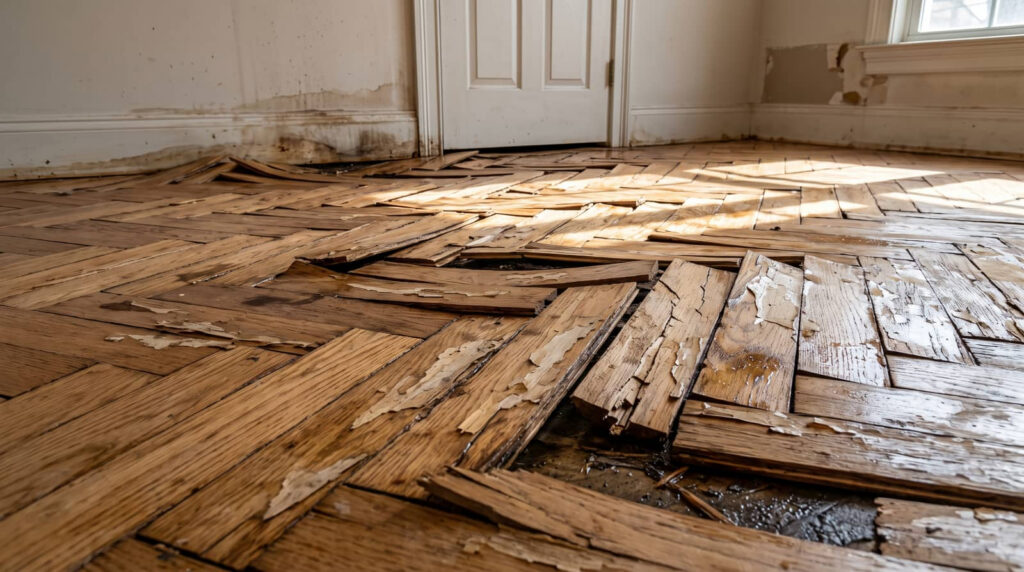
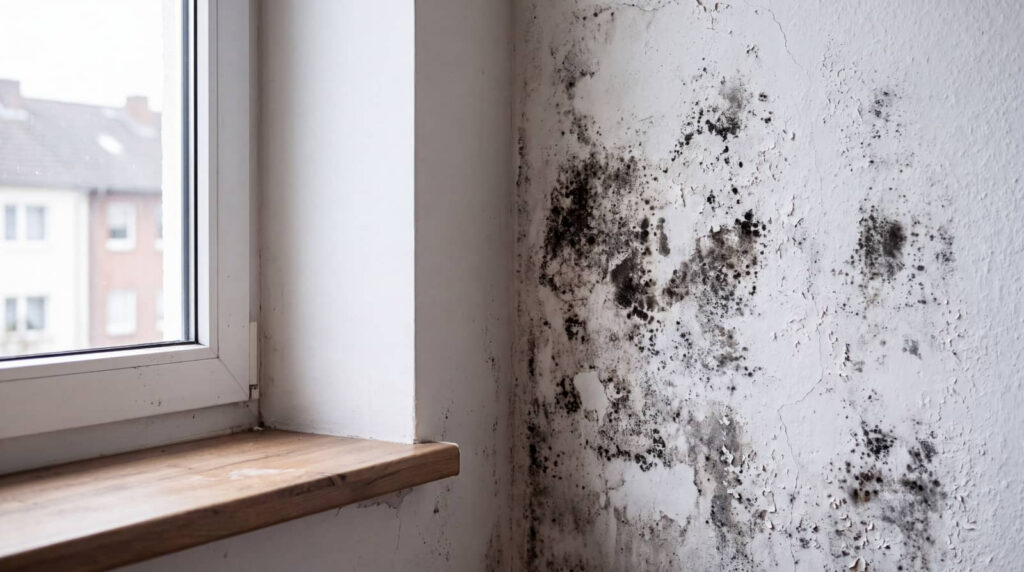
Start by conducting flood mapping to pinpoint the zones impacted by water intrusion. Look for visible signs of damage, such as discoloration, warping, or mold growth, which indicate the extent of moisture presence.
Pay close attention to walls, floors, and ceilings, as these structures can harbor hidden water pockets. Document all affected zones to create a thorough overview, enabling you to prioritize extraction efforts.
Understanding the severity of water damage ensures you deploy the right tools and methods, fostering a sense of community support as you work to restore safety and comfort in your environment.
Evaluate Structural Integrity
Evaluating structural integrity is essential, as it determines whether immediate extraction efforts are safe or if further precautions are necessary.
Conduct thorough structural assessments to identify vital weaknesses caused by water damage. Check for signs of sagging floors, cracks in walls, or compromised roofing materials.
These integrity evaluations help you understand the severity of the damage and guide your next steps. If you notice significant issues, it’s important to consult a structural engineer before proceeding.
They’ll provide expert insights and validate safety measures, ensuring you protect yourself and others during the extraction process.
Key Tools for Efficient Flood Water Extraction
To effectively extract floodwater, you need the right tools and equipment.
Vital extraction equipment, such as high-capacity pumps and wet vacuums, ensures rapid removal of water.
Additionally, don’t overlook safety gear; it’s fundamental for protecting yourself during the extraction process.
Essential Extraction Equipment
In the aftermath of flooding, having the right extraction equipment is vital for effective water removal. High-capacity pumps are fundamental for achieving extraction efficiency, allowing you to remove large volumes of water quickly.
Wet/dry vacuums are also invaluable for tackling residual moisture in smaller, hard-to-reach areas. To maximize your equipment’s lifespan, prioritize equipment maintenance; regular checks and timely repairs will ensure reliability during emergencies.
Additionally, consider portable dehumidifiers to assist in drying out affected spaces, preventing mold growth. By investing in these essential tools and maintaining them properly, you’ll enhance your water extraction efforts and foster a sense of community readiness for any future flooding challenges.
Safety Gear Necessities
When dealing with flood water extraction, having the right safety gear is essential to ensure both your protection and efficiency. Proper personal protective equipment (PPE) keeps you safe from contaminants and hazards.
If you haven’t undergone flood response training, it’s vital to familiarize yourself with these necessities:
Waterproof Boots: Protect your feet from floodwaters and sharp debris.
Heavy-Duty Gloves: Shield your hands from chemicals and sharp objects.
Respiratory Masks: Prevent inhalation of harmful particles or pathogens.
Equipping yourself with these tools enhances safety and boosts your confidence during emergency operations.
Using a Submersible Pump for Flood Removal
While flood situations can be overwhelming, using a submersible pump provides an efficient solution for water removal. These pumps are designed to operate underwater, making them ideal for quickly extracting large volumes of water.
You’ll appreciate the submersible pump benefits, including portability and the ability to handle debris-laden water. To ensure peak performance, follow essential pump maintenance tips, such as checking for clogs and confirming proper electrical connections before use.
Regularly inspect the power cord for damage and clean the intake screen to maximize efficiency. By effectively utilizing a submersible pump, you can greatly reduce water levels, helping to protect your home and belongings from further damage during a flood crisis.
How Wet/Dry Vacuums Can Help in Emergencies
Though natural disasters can strike without warning, having a wet/dry vacuum on hand can greatly aid in emergency water extraction. These versatile tools offer several wet/dry vacuum benefits, making them invaluable during a flood situation.
Powerful suction: Quickly removes large volumes of water, saving time and preventing further damage.
Multi-surface capability: Effectively cleans various surfaces, from carpets to hard floors.
Easy maintenance: Regularly clean filters and empty tanks to ensure peak performance.
To maximize efficiency, follow essential maintenance tips. Always check for clogs before use and clean the vacuum after each operation.
With these strategies, you’ll be well-prepared to tackle water emergencies effectively and protect your space.
Manual Techniques for Water Removal With Buckets and Mops
Wet/dry vacuums are invaluable, but manual techniques using buckets and mops can also play a crucial role in emergency water extraction.
Bucket techniques involve filling a sturdy bucket with water and carefully transporting it outside. This method allows you to control the amount of water removed and is ideal for smaller areas.
When using mop strategies, soak up water with a mop, wringing it out regularly into a bucket. This is effective for floors and hard-to-reach spots.
Combine both methods to maximize efficiency; start with a bucket for larger volumes and finish with a mop for detailed cleaning.
Continuous Water Removal With Sump Pumps
When you’re facing flooding, sump pumps are essential for continuous water removal.
Understanding the different types of sump pumps and their installation best practices can greatly enhance your water extraction efforts.
Let’s explore how to choose the right pump and ensure it operates efficiently.
Sump Pump Types Explained
Understanding the various types of sump pumps is vital for effective continuous water removal in flood-prone areas. Each sump pump type has unique features that cater to different needs. Familiarizing yourself with these can enhance your water management strategy.
Submersible Pumps: Ideal for deep basements, these pumps operate underwater and are efficient for large volumes.
Pedestal Pumps: Positioned above the sump basin, these pumps are easier to maintain but may be less effective for deep water.
Battery Backup Pumps: These provide an additional layer of protection, ensuring operation during power outages.
Proper sump pump maintenance is essential for peak performance. Regular checks on your chosen sump pump types will prevent failures when you need them most.
Installation Best Practices
Proper installation of sump pumps is essential for ensuring continuous water removal and preventing flooding in vulnerable areas.
Start by selecting the right pump for your needs, considering flow rate and head height. Utilize effective installation techniques, such as positioning the pump in the lowest part of the sump pit and making sure it’s level.
Don’t forget to install a check valve to prevent backflow. Address installation challenges like electrical access and drainage routes early on. Use a durable discharge pipe to minimize wear and tear.
Regular maintenance is key; inspect the pump periodically to verify it’s functioning properly.
Creating a Water Diversion System During Floods
Creating an effective water diversion system during floods is essential for minimizing damage to your property and ensuring safety. Proper water flow management can protect your home from flooding by redirecting excess water.
Here are key steps to take into account for diversion channel construction:
Assess the landscape: Identify natural slopes and drainage paths to guide water flow.
Build channels: Use soil or sandbags to create channels that direct water away from vulnerable areas.
Maintain the system: Regularly check and clear debris to ensure your diversion system remains functional.
Safety Precautions for Flood Water Extraction
When extracting floodwater, prioritizing safety is essential, as contaminated water can pose serious health risks. Before you begin, ensure you’re equipped with appropriate personal protective equipment, including waterproof boots, gloves, and masks.
Familiarize yourself with flood preparedness guidelines to reduce hazards. Always turn off electricity in affected areas to prevent electrocution. Be cautious of unstable structures and hidden debris.
When accessing flooded areas, avoid contact with the water as much as possible; it may contain harmful pathogens or chemicals. Testing the water for contaminants enhances your water safety measures.
Stay informed about local advisories regarding water quality and flooding. Remember, your safety is paramount in any emergency extraction effort.
When to Hire Professionals for Water Cleanup?
While you may feel tempted to tackle water cleanup on your own, certain situations clearly necessitate professional intervention.
If you experience significant water damage, it’s often best to rely on restoration services.
Consider calling experts if:
- The water level exceeds a few inches, making it unsafe to handle alone.
- You notice mold growth or a musty odor, indicating potential long-term issues.
- The affected area includes electrical systems or appliances, posing a serious risk.
Frequently Asked Questions
What Should I Do Before Water Extraction Begins?
Before extraction begins, ensure water safety by turning off utilities, wearing protective gear, and creating a preparation checklist. Gather necessary tools and equipment, and communicate with your team to establish a clear action plan.
How Can I Prevent Mold Growth After Extraction?
To prevent mold growth post-extraction, you have got to control moisture. Use dehumidifiers, ensure proper ventilation, and maintain indoor humidity below 60%. Regularly check for leaks, and act fast if you spot any dampness.
Are There Health Risks From Floodwater Exposure?
Yes, floodwater exposure poses health risks due to contaminants. You should take health precautions, like wearing protective gear and avoiding direct contact, to minimize exposure and safeguard your well-being during cleanup efforts.
How Long Does It Take to Dry Out a Flooded Area?
You might be shocked to learn that drying out a flooded area can take anywhere from days to weeks. It all depends on flooding duration and drying methods used. Act quickly to minimize damage!
What Insurance Coverage Is Available for Flood Damage?
You’ll find flood insurance offers various coverage types, like building and contents coverage. Understanding these options helps you choose what suits your needs best, ensuring you’re protected against potential financial losses from flood damage.
Summary
In the face of flooding, swift water extraction is your best ally against damage and health risks. By employing the right tools and techniques, you can turn a tide of chaos into a manageable situation. Remember, while you can tackle many challenges, knowing when to call in professionals is key to safeguarding your property. Don’t let floodwaters linger like an unwelcome guest—act promptly and effectively to reclaim your space and peace of mind.