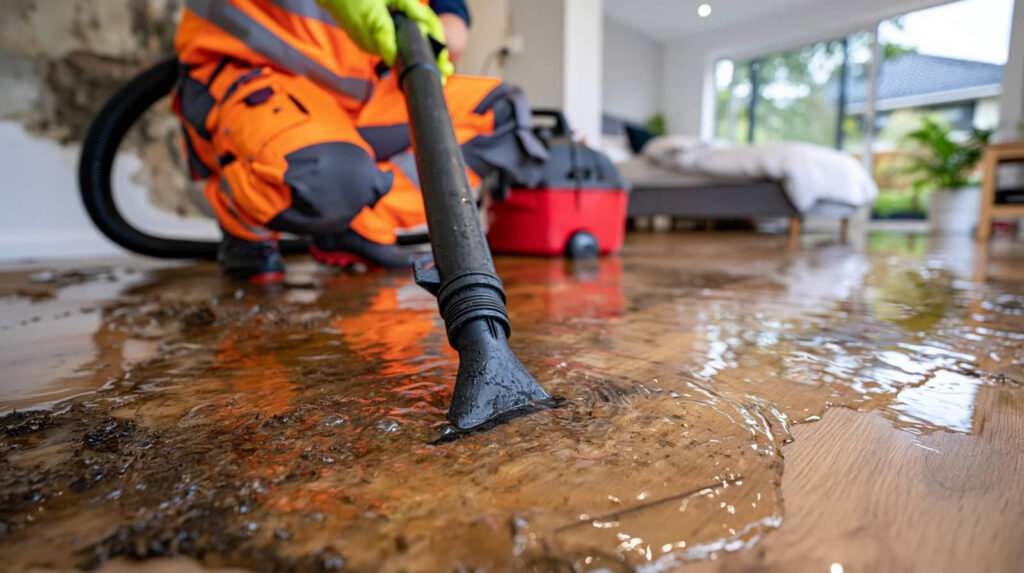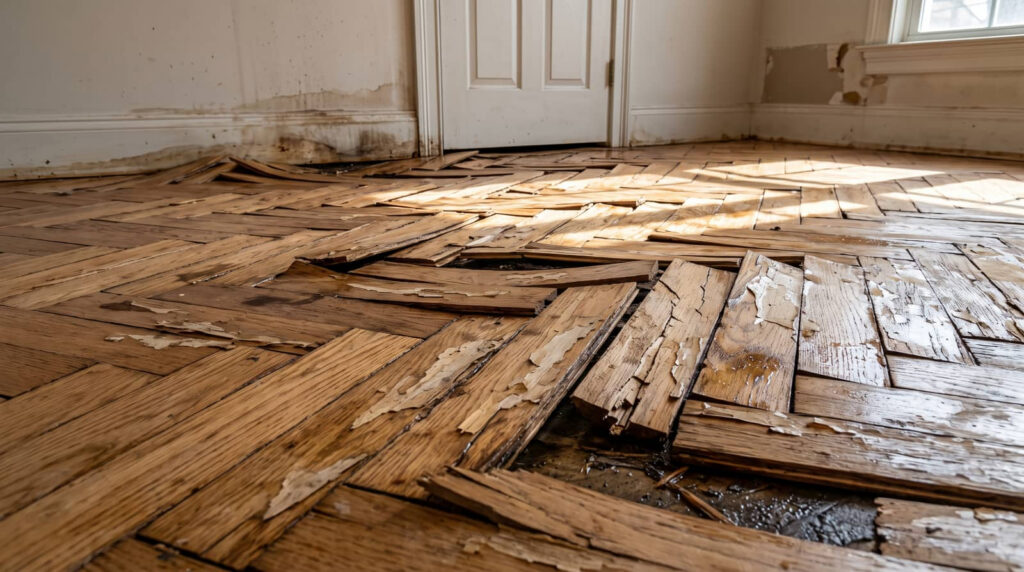

When Hurricane Harvey struck in 2017, countless homes were flooded, exposing residents to contaminated water and mold growth. These flood damage conditions can lead to serious long-term health risks, from gastrointestinal diseases to chronic respiratory issues. But the physical health impacts are just part of the story; the psychological toll can be equally severe. Understanding these multifaceted risks is essential for those affected, as they navigate recovery and rebuild their lives. What are the specific health challenges you might face?
Key Takeaways
- Exposure to contaminated floodwaters can lead to chronic illnesses, including gastrointestinal issues and skin infections from waterborne pathogens.
- Mold growth in damp areas after flooding can cause respiratory problems and long-term lung damage due to inhalation of spores.
- Flooding creates environments conducive to vector-borne diseases, increasing risks of illnesses like West Nile virus and Lyme disease.
- Individuals may experience prolonged mental health effects, including anxiety and PTSD, stemming from the trauma and loss associated with flooding.
- Structural damage from flooding can lead to physical injuries and compromised safety, necessitating professional evaluations for a safe living environment.
Exposure to Contaminated Water
When floodwaters inundate an area, they often carry a mix of contaminants that pose serious health risks. You may not realize that exposure to contaminated water can lead to long-term health issues, primarily through waterborne pathogens.
These pathogens, including bacteria, viruses, and parasites, can thrive in floodwaters, making it vital for you to avoid direct contact.
Even after the waters recede, contaminated sources like soil and stagnant water can remain hazardous. If you come into contact with these contaminated areas, you could face gastrointestinal illnesses, skin infections, or more severe conditions, especially if you have a compromised immune system.
It’s essential to stay informed and take precautions when dealing with flood-related situations.
Understanding the risks associated with contaminated water empowers you to protect your health and the well-being of your loved ones. Remember, awareness is your first line of defense against these hidden dangers.
Mold Growth and Respiratory Issues
After a flood, mold can quickly take hold in damp environments, thriving on organic materials like wood and drywall.
You may experience respiratory issues as mold spores become airborne, leading to symptoms such as coughing, wheezing, and even asthma attacks.
Understanding the factors that contribute to mold proliferation is essential for protecting your health in the aftermath of flooding.
Mold Proliferation Factors
Although flooding can lead to immediate damage, the long-term health risks associated with mold proliferation often go overlooked.
Understanding mold types and their moisture sources is essential for safeguarding your health. Mold thrives in damp environments, so even small leaks or high humidity can create a breeding ground.
Common moisture sources include waterlogged walls, ceilings, and floors, which provide ideal conditions for different mold types, such as black mold and Aspergillus. These molds can multiply rapidly if not addressed promptly.
By recognizing these factors, you can take proactive steps to mitigate mold growth in your home, ensuring a healthier living space for you and your loved ones.
Awareness is key to fostering a safe, mold-free environment.
Health Effects of Mold
Mold’s presence in your home can lead to serious health complications, particularly respiratory issues. When mold spores are inhaled, they can trigger allergic reactions, causing symptoms like sneezing, coughing, and shortness of breath.
For those with pre-existing conditions, such as asthma, the risks are even greater. Mold remediation is vital to eliminate these harmful organisms and protect your family’s health.
Ignoring mold can result in chronic respiratory problems, as prolonged exposure can damage lung function. It’s important to address mold growth promptly and effectively, ensuring that your living environment remains safe.
Vector-Borne Diseases
Flooding creates ideal breeding grounds for vectors like mosquitoes and ticks, greatly increasing the risk of diseases such as West Nile virus and Lyme disease.
Understanding how these diseases are transmitted is essential for effective prevention and control measures.
Disease Transmission Mechanisms
When communities experience flooding, the risk of vector-borne diseases rises markedly due to the ideal breeding conditions created for disease-carrying organisms like mosquitoes and ticks.
Understanding disease ecology is vital here, as stagnant water allows these vectors to thrive, greatly altering transmission dynamics. You might notice an uptick in diseases like West Nile virus and Lyme disease following floods, as these pests proliferate in the aftermath.
The interplay between environmental factors and vector populations shows how essential it’s to monitor these changes. By recognizing these patterns, you can better prepare for health risks that often follow severe weather events.
Awareness of these transmission mechanisms fosters a sense of community responsibility in safeguarding public health.
Prevention and Control Measures
To effectively combat the rise of vector-borne diseases after flooding, communities must implement targeted prevention and control measures. Flood preparedness strategies, like regular mosquito breeding site inspections and public education campaigns, play an essential role in minimizing disease transmission.
By engaging community members in these initiatives, you foster a sense of belonging and shared responsibility.
Additionally, community resilience initiatives can enhance local response capabilities. This includes organizing volunteer teams to distribute insect repellent and promoting environmental management practices that reduce standing water.
Collaborating with health departments ensures timely monitoring and response to outbreaks. By prioritizing these measures, you protect public health and strengthen community bonds, ensuring everyone is equipped to face future challenges together.
Long-Term Mental Health Effects
Though the immediate physical dangers of flooding often capture attention, the long-term mental health effects can linger long after the waters recede. You may find yourself grappling with anxiety disorders or experiencing post-traumatic stress. These conditions can manifest through persistent feelings of fear, helplessness, or sadness, disrupting your daily life and sense of community.
Research shows that individuals affected by flooding often experience heightened anxiety, which can lead to avoidance behaviors and social withdrawal. The loss of familiar surroundings and the trauma of the event can exacerbate these feelings.
It’s essential to recognize these symptoms and seek support from friends, family, or mental health professionals. Engaging in community activities or support groups can foster a sense of belonging and help you process your experiences.
Structural Damage and Physical Injuries
While the emotional aftermath of flooding often takes center stage, the structural damage and physical injuries resulting from such disasters can have equally devastating long-term consequences. You mightn’t realize it, but compromised foundation stability can pose serious risks to your safety and well-being.
When water seeps into buildings, it can weaken walls, floors, and ceilings, leading to potential collapses and injuries.
Moreover, maneuvering through debris and contaminated water increases the likelihood of cuts, sprains, and infections. Prioritizing injury prevention is vital; wearing protective gear and avoiding hazardous areas can keep you safe.
In the aftermath of flooding, evaluating structural integrity should be a priority. Consulting professionals to evaluate damage ensures that your living environment remains safe.
Addressing these concerns fosters a sense of security and protects your community’s health in the long run.
Impact on Vulnerable Populations
Because flooding disproportionately affects vulnerable populations, the consequences can be particularly severe for those with limited resources or health issues. Individuals facing financial hardships often lack the means to recover, leading to prolonged displacement and stress. This situation can exacerbate existing health conditions, creating a cycle of vulnerability.
Community support becomes essential during these crises. When neighbors band together, they can provide important resources, such as food, shelter, and emotional assistance.
Additionally, health education plays a significant role in ensuring that affected individuals understand the risks associated with flood damage, such as contaminated water and mold exposure. By equipping vulnerable populations with knowledge, you can empower them to take proactive steps to safeguard their health.
Ultimately, fostering a strong sense of community and prioritizing health education can help mitigate the long-term effects of flooding on these populations, promoting resilience and recovery.
Chronic Illnesses Related to Water Damage
When flood damage occurs, the consequences extend far beyond the immediate destruction, as exposure to contaminated water and damp environments can lead to a range of chronic illnesses.
You might experience chronic fatigue, which can stem from mold exposure and the stress of recovery. This fatigue can leave you feeling drained and unable to engage in daily activities, affecting your quality of life.
Moreover, prolonged exposure to toxic microorganisms can trigger or exacerbate autoimmune disorders, conditions where your immune system mistakenly attacks your body.
These disorders can manifest as persistent inflammation, joint pain, or fatigue, complicating your recovery process.
Understanding these risks is essential for anyone affected by flooding. By recognizing the link between water damage and chronic health issues, you can take proactive steps to protect your health, such as seeking medical advice and ensuring proper remediation of your living environment.
Your well-being depends on it.
Frequently Asked Questions
How Can I Prevent Mold Growth After a Flood?
To prevent mold growth after a flood, focus on moisture control. Quickly dry affected areas, use dehumidifiers, and ensure proper ventilation. Regularly inspect for leaks to maintain mold prevention and keep your home safe and healthy.
What Are the Signs of Long-Term Water Damage?
You’ll notice signs of long-term water damage through water discoloration on walls and ceilings, musty odors, and structural instability like sagging floors or cracks. Addressing these issues early can prevent further complications and ensure safety.
How Do I Safely Clean Flood-Damaged Items?
Think of cleaning flood-damaged items like restoring a cherished heirloom. Use effective cleaning techniques like soap and water, and always wear gloves and masks for safety precautions. Your health matters, so take these steps seriously.
Are Insurance Claims for Flood Damage Difficult?
Yes, insurance claims for flood damage can be challenging. You’ll need to navigate insurance processes, ensuring you provide thorough claim documentation. Being organized and understanding your policy helps streamline the experience, making it less intimidating.
Can Flood Water Affect My Home’s Foundation?
Yes, flood water can greatly impact your home’s foundation stability and structural integrity. Prolonged exposure can weaken materials, leading to cracks and shifts, which compromise safety and necessitate costly repairs. Regular inspections are essential.
Recap
In the grand scheme of disaster recovery, it’s ironic how a flood meant to wash away troubles can leave behind a cascade of health risks. You might think you’ve escaped unscathed, but contaminated water, mold, and lingering anxiety can haunt you long after the waters recede. As you navigate this unsettling aftermath, remember that awareness and proactive health measures are your best allies. After all, who knew a flood could bring such unexpected “gifts” to your health?