When flooding occurs, the immediate effects are often overshadowed by long-term health risks that can linger for years. Contaminated water introduces pathogens that can lead to serious illnesses, while persistent moisture fosters mold growth, jeopardizing air quality. Additionally, the psychological toll on survivors can manifest as anxiety or PTSD. Understanding these flood damage implications is essential, especially when considering the vulnerable populations that may be disproportionately affected. What strategies can be implemented to mitigate these risks?
Key Takeaways
- Mold growth from prolonged moisture can lead to respiratory issues and allergic reactions, affecting long-term health.
- Contaminated water may harbor pathogens, resulting in gastrointestinal infections and chronic diseases post-flood.
- Structural damage compromises indoor air quality, fostering environments conducive to mold and harmful microorganisms.
- Emotional and mental health challenges, including anxiety and PTSD, can arise from the trauma of flooding experiences.
- Inadequate cleaning and maintenance after a flood can perpetuate health risks, increasing vulnerability to recurring infections and health issues.
Understanding the Immediate Effects of Flood Damage
When floods strike, the immediate effects can be devastating, impacting both property and health. You might experience immediate injuries from debris, falls, or accidents as you navigate the chaotic environment. These injuries can range from minor cuts to severe trauma, requiring swift medical attention.
Beyond physical harm, waterborne diseases pose a notable threat following flood events. Contaminated water can carry pathogens that lead to illnesses such as cholera, leptospirosis, and gastrointestinal infections.
Understanding these immediate risks is essential for your safety and wellbeing. By staying informed and prepared, you can mitigate the potential impact of floods on you and your community.
Ensuring access to clean water, practicing good hygiene, and seeking medical care for any injuries or illnesses can help you protect yourself during these challenging times. Remember, awareness and proactive measures can greatly reduce health risks associated with flooding.
The Role of Contaminated Water in Health Risks
Contaminated water greatly elevates health risks in flood-affected areas, as it often carries harmful pathogens and pollutants. When you come into contact with this water, you expose yourself to various health hazards, including gastrointestinal infections, skin diseases, and respiratory issues.
Pathogens like E. coli and Vibrio cholerae thrive in floodwaters, putting you at greater risk of serious illnesses.
Moreover, contaminated water can disrupt local ecosystems, leading to long-term environmental degradation that further complicates recovery. You might think that boiling or filtering the water can eliminate these risks, but these methods may not effectively remove all contaminants.
It’s vital to stay informed about water safety in your community after a flood. By understanding the dangers of contaminated water, you can take proactive steps to protect yourself and your loved ones, fostering a sense of belonging and resilience during challenging times.
Mold Growth and Its Long-Term Consequences
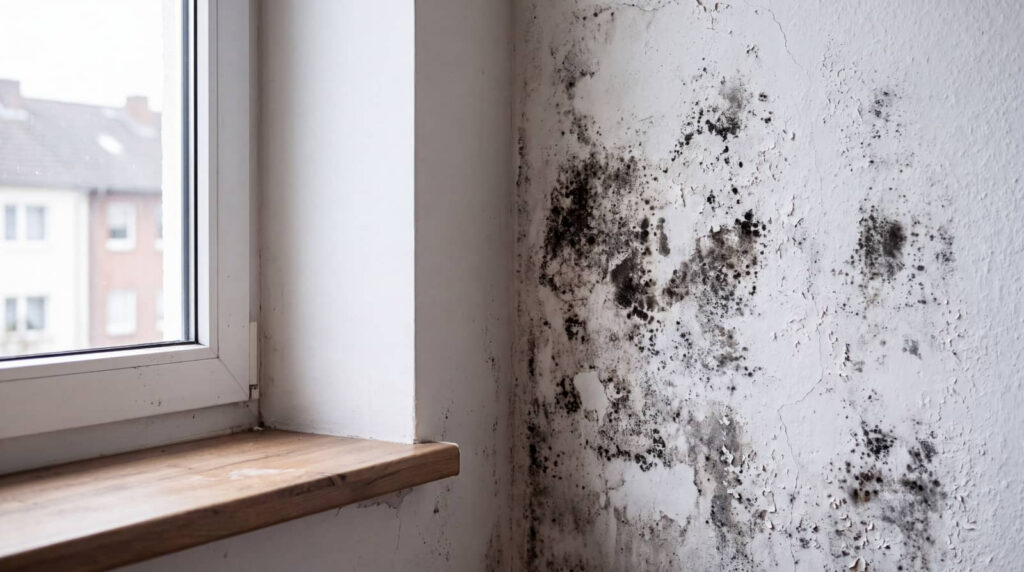
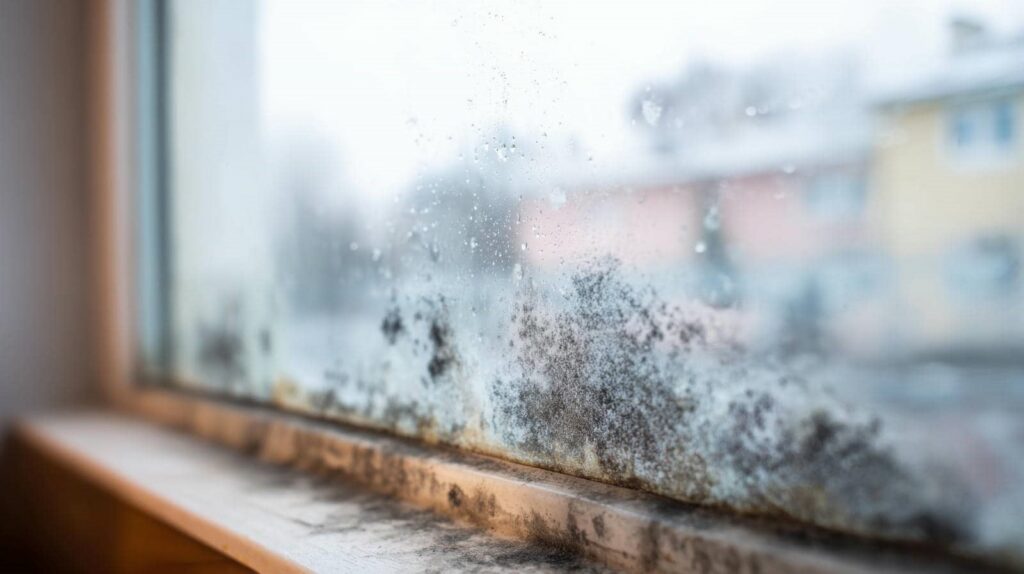
Although floodwaters recede, the threat of mold growth can linger long after the event, posing serious health risks and structural damage to homes. When moisture remains in materials like wood and drywall, it creates an ideal environment for mold spores to thrive.
These spores can spread rapidly, leading to unhealthy indoor air quality. You mightn’t notice the initial signs of mold, but its health implications can be severe. Exposure can trigger respiratory issues, allergic reactions, and exacerbate existing conditions like asthma.
Long-term exposure may even lead to chronic health problems, affecting your daily life and sense of well-being. It’s essential to act quickly to mitigate mold growth by drying out affected areas and seeking professional help if needed.
Structural Damage and Its Impact on Indoor Air Quality
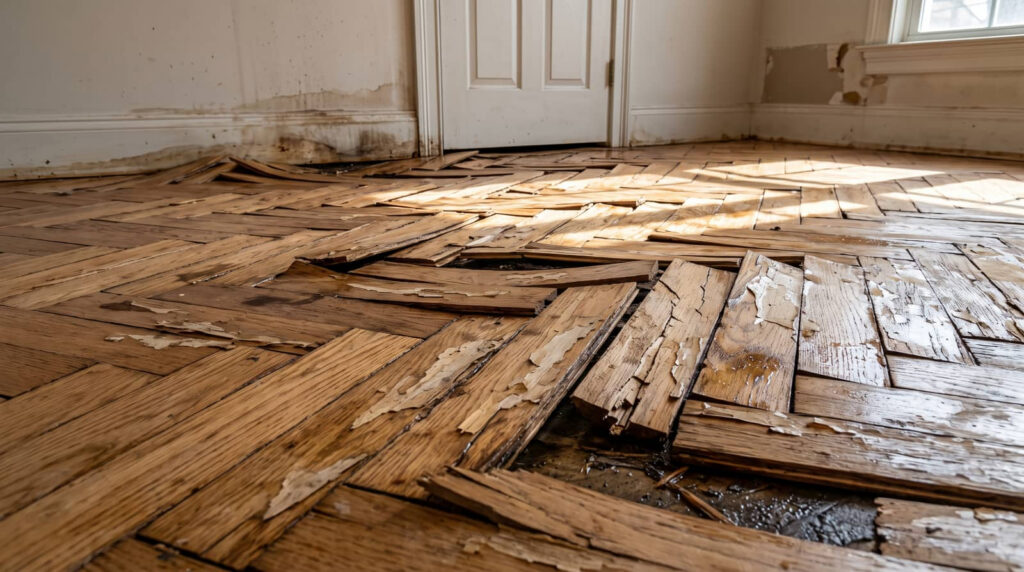
When flooding occurs, structural damage can greatly compromise indoor air quality.
Contaminated building materials often harbor mold, increasing health risks, while compromised ventilation systems fail to circulate clean air effectively.
Understanding these factors is essential to mitigating long-term health impacts in affected spaces.
Mold Growth Potential
Mold growth potential dramatically increases in environments where structural damage has occurred due to flooding, as moisture provides an ideal breeding ground for harmful spores.
When you face such damage, it’s essential to implement effective mold prevention strategies. Timely drying of affected areas is necessary, as lingering moisture can lead to exponential mold growth.
Regular inspections can help identify hidden leaks or damp spots, allowing you to address issues before they escalate. If mold does appear, employing proven mold remediation techniques is important to restore your indoor air quality.
Contaminated Building Materials
Flooding often leads to the contamination of building materials, which can severely impact indoor air quality.
When water infiltrates your home, it can saturate insulation and drywall, creating a breeding ground for mold and other harmful microorganisms.
Contaminated insulation, in particular, can trap toxic residues, releasing them into the air you breathe.
These pollutants can cause respiratory issues, allergic reactions, and other long-term health problems.
It’s essential to address any water damage promptly and replace affected materials to maintain a safe living environment.
Ventilation System Compromise
If your home has suffered structural damage due to flooding, you mightn’t realize how greatly your ventilation system can be compromised.
When water infiltrates your home, it can lead to mold growth and the deterioration of ductwork, which directly impacts indoor air quality. A thorough ventilation assessment is essential to identify these issues.
Poor air circulation can trap pollutants and allergens, posing health risks over time. If you ignore these problems, you may face respiratory issues, fatigue, or exacerbated allergies.
Addressing ventilation system compromises quickly enhances air quality and fosters a healthy living environment. Ensuring proper repairs and maintenance can help you reclaim your home’s safety and comfort, promoting a sense of belonging and well-being.
The Psychological Effects of Flooding on Survivors
Survivors often grapple with profound psychological effects following a flood, as the trauma of such an event can linger long after the waters recede. Many experience anxiety, depression, or post-traumatic stress disorder (PTSD), which can hinder their trauma recovery. The uncertainty and loss that floods bring can lead to feelings of helplessness and isolation, making emotional support essential.
Research shows that community connections and support systems greatly aid recovery. When you engage with others who’ve shared similar experiences, it fosters a sense of belonging and understanding. This connection can mitigate feelings of loneliness and promote resilience.
Furthermore, professional counseling can provide coping strategies, helping you process your emotions and rebuild a sense of normalcy. Recognizing the importance of emotional support enhances individual recovery and strengthens community ties, which are critical in overcoming the psychological scars of flooding.
Vulnerable Populations at Higher Risk
Certain groups face heightened risks during and after flooding due to socioeconomic factors, health disparities, and lack of resources.
Elderly residents often struggle with mobility and access to emergency services, making them particularly vulnerable. Low-income families may lack the financial means to evacuate or recover, leading to prolonged exposure to hazardous conditions.
Disabled individuals face unique challenges, as physical barriers can hinder their ability to escape or access assistance. Additionally, flooding can severely impact children’s health, exposing them to contaminated water and mold, which can lead to respiratory issues and developmental challenges.
These vulnerabilities are interconnected, creating a cycle of disadvantage that can affect recovery efforts. Understanding these risks helps communities identify and support those who need assistance the most.
Preventative Measures to Safeguard Health After Flooding
While flooding poses significant health risks, implementing preventative measures can greatly reduce its impact on affected communities.
First, you should prioritize flood preparedness by creating an emergency plan that includes evacuation routes, communication strategies, and a supply kit. Engaging in community workshops on health education will equip you and your neighbors with essential knowledge about potential health hazards like mold, contaminated water, and vector-borne diseases.
After a flood, assess your home for structural damage and water contamination to minimize health risks. Don’t forget to clean and disinfect any affected areas promptly.
Additionally, staying connected with local health resources can help you access necessary services and updates. By collectively prioritizing these preventative measures, you not only safeguard your health but also foster a supportive community.
Frequently Asked Questions
How Can Flood Damage Affect an Individual’s Immune System Long-Term?
Flood damage can weaken your immune response, making you more susceptible to infections during recovery. Prolonged exposure to contaminated environments can lead to chronic health issues, leaving you vulnerable even after the immediate crisis has passed.
What Specific Contaminants Are Often Found in Floodwaters?
Floodwaters often contain bacterial pathogens like E. coli and Salmonella, along with chemical pollutants such as pesticides and heavy metals. These contaminants can pose serious health risks, impacting you long after the flood subsides.
How Does Mold Exposure Impact Children Differently Than Adults?
Imagine a garden where kids play, but mold sneaks in, heightening mold sensitivity and triggering childhood asthma. Their developing lungs react more severely than adults’, making it essential to address mold exposure promptly for their health.
What Resources Are Available for Mental Health Support Post-Flooding?
You can access mental health resources like hotlines, local counseling services, and nonprofit organizations. Community support groups also provide a safe space for sharing experiences, fostering connection, and promoting healing after the trauma of flooding.
Are There Long-Term Financial Implications for Health After a Flood?
Yes, flood recovery often leads to significant long-term financial burdens. Medical expenses, mental health care, and property damages can strain your finances, affecting overall well-being and access to necessary health resources in the future.
Final Thoughts
In the wake of flooding, your health can hang in the balance like a tightrope walker swaying in the wind. The lurking dangers of mold, contaminated water, and compromised air quality can cast long shadows over your well-being. Recognizing these risks and taking proactive steps isn’t just wise; it’s essential for your survival. By addressing both the physical and psychological aftermath, you can reclaim your space and safeguard your health against the storm’s lingering effects.