After flooding, you need to act quickly to prevent mold growth, which can begin within just 24 to 48 hours. Mold isn’t just an inconvenience; it poses serious health risks, especially for vulnerable groups like children and the elderly. Understanding the urgency behind emergency mold remediation steps can help you safeguard both occupants and property. But what exactly happens during those critical first hours, and how can you effectively manage the situation?
Key Takeaways
- Mold can develop within 24 to 48 hours post-flooding, making immediate remediation crucial to prevent health risks.
- Quick removal of affected materials limits the spread of mold spores and reduces potential long-term damage.
- Damp environments provide ideal conditions for mold growth, requiring prompt action to mitigate infestations.
- Safety precautions, like using PPE, are essential to protect individuals during the cleanup process.
- Professional assistance is recommended for extensive mold issues, ensuring thorough and safe remediation.
Why You Must Act Quickly to Remediate Mold After Flooding
When flooding occurs, quick action is essential because mold can start to grow within 24 to 48 hours.
If you don’t address the situation promptly, you risk significant mold growth, which can lead to serious health risks for you and your loved ones.
Mold spores thrive in damp environments, and once established, they can spread rapidly.
Exposure may cause respiratory issues, allergies, or other health complications, particularly for vulnerable individuals like children and the elderly.
By acting swiftly to remove moisture and implement proper remediation steps, you help safeguard your home and community.
Don’t underestimate the importance of this urgency; taking immediate action can prevent long-term challenges and ensure a safer, healthier environment for everyone involved.
Identifying Common Mold Types After Flooding
After addressing the immediate threat of flooding, it’s essential to recognize the types of mold that could develop in your home.
Common mold types include Aspergillus, Cladosporium, and Stachybotrys, often referred to as black mold.
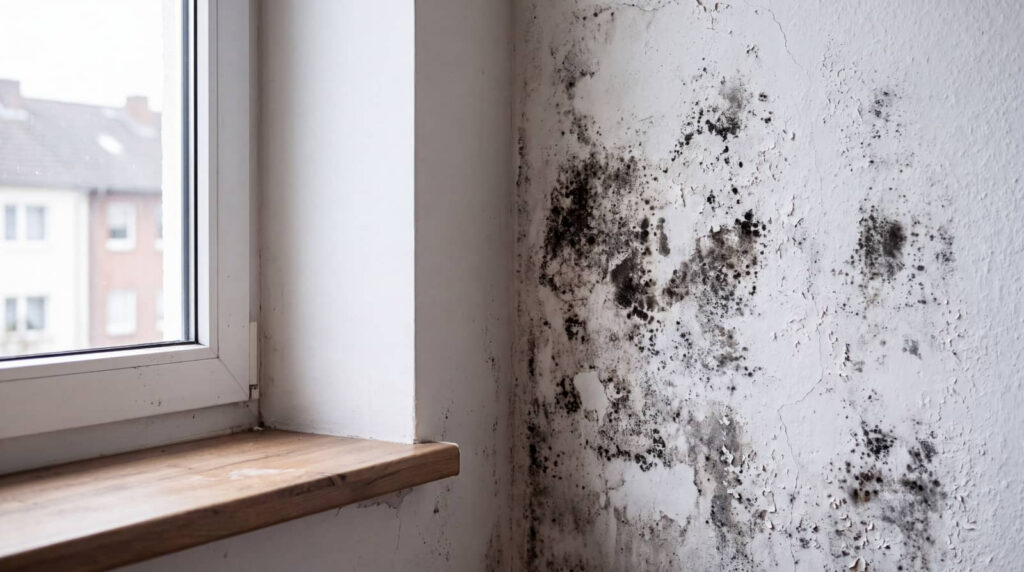
Using mold identification techniques, you can assess your environment more effectively. Look for discoloration on walls, musty odors, or visible growth.
If you notice a damp area, it could be a breeding ground for these molds.
Understanding the specifics of these mold types helps you react appropriately and fosters a sense of community awareness.
How Flooding Creates Ideal Conditions for Mold Growth
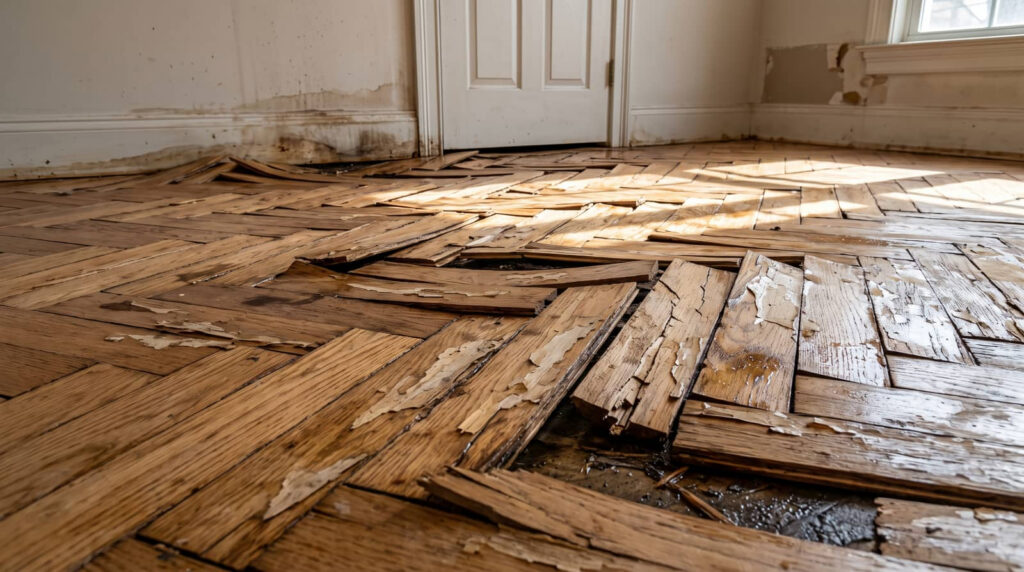
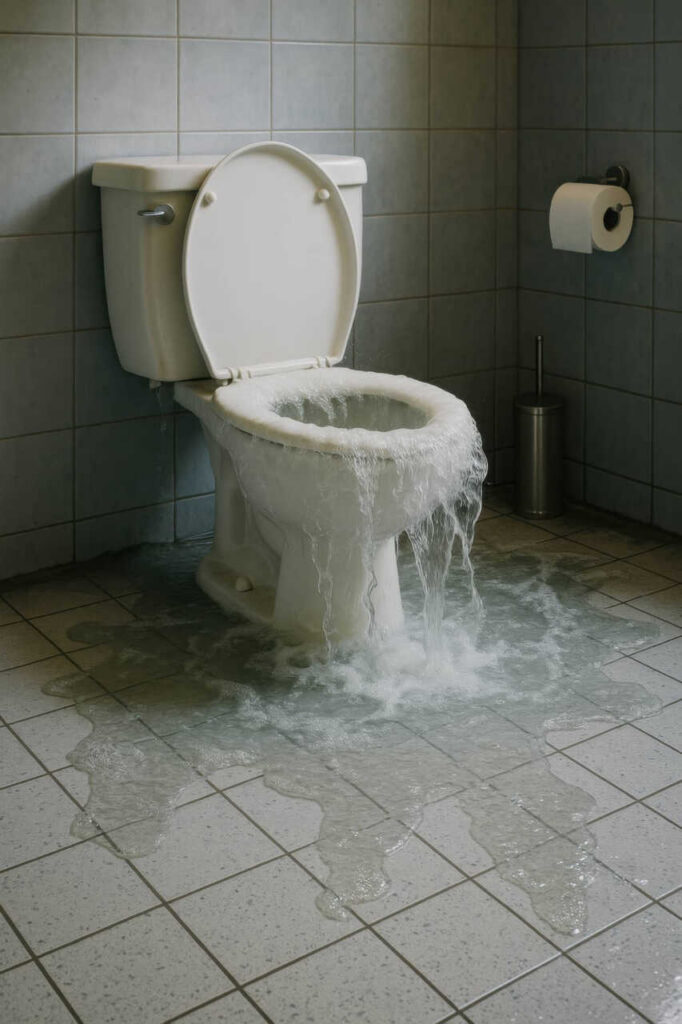
Flooding creates a perfect storm for mold growth by introducing excess moisture and organic materials into your home. When water seeps in, it raises moisture levels, creating an ideal environment for mold spores to settle and reproduce.
This situation is exacerbated by:
- Damp surfaces that provide a breeding ground for fungal growth
- Organic materials like wood and drywall that serve as food sources
- Warm temperatures that further encourage spore proliferation
Without prompt attention, the combination of these factors can lead to significant mold infestations.
Addressing the moisture levels quickly and effectively is essential to preventing long-term damage to your home and maintaining a healthy living environment.
Don’t underestimate the urgency; mold can thrive within 24 to 48 hours after flooding.
Safety Precautions to Take During Mold Cleanup
When tackling mold cleanup, prioritizing safety is essential. You should wear appropriate personal protective equipment, including gloves and masks, to minimize exposure.
Additionally, ensuring proper ventilation techniques will help reduce airborne spores and create a safer environment for you and anyone assisting.
Personal Protective Equipment
N95 respirator: This helps filter out airborne mold particles.
Gloves: Durable, non-porous gloves protect your skin from direct contact with mold.
Goggles: Protective eyewear prevents irritation from mold spores.
Proper Ventilation Techniques
Proper ventilation is essential during mold cleanup, as it helps minimize the concentration of airborne spores and reduces exposure risks.
To achieve effective airflow improvement, consider using various ventilation methods. Open windows and doors to create cross-ventilation, allowing fresh air to circulate and push out contaminated air. If conditions permit, use fans to enhance airflow, directing them towards open exits.
Remember to position exhaust fans in contaminated areas, which can help expel spores outdoors. Additionally, utilizing dehumidifiers can further aid in maintaining a dry environment, discouraging mold regrowth.
Emergency Mold Remediation Steps
When you’re faced with mold, the first step is to assess the extent of the water damage.
Quickly removing affected materials is essential to prevent further growth.
Finally, drying and dehumidifying the area will help eliminate moisture and discourage mold recurrence.
Assess Water Damage Extent
One of the first steps in emergency mold remediation is evaluating the extent of water damage.
Understanding the damage helps you take appropriate action and prevents further issues.
Utilize effective mold assessment techniques to identify areas at risk.
Look for key water damage indicators, such as:
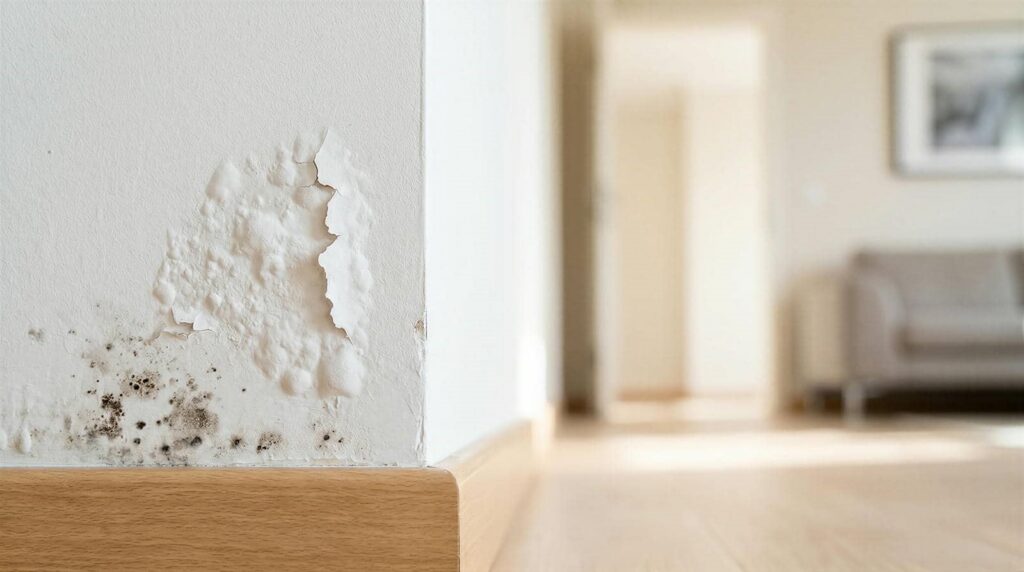
- Discoloration on walls or ceilings
- Musty odors that linger in the air
- Peeling or bubbling paint and wallpaper
Remove Affected Materials Quickly
After evaluating the extent of water damage, the next step is to remove affected materials quickly. Delaying this process can lead to mold growth, which poses health risks and complicates remediation efforts.
Start by identifying materials that are porous, like carpets, drywall, and insulation, as these are prone to mold infestation. For effective mold removal, dispose of these materials properly to prevent spores from spreading. Use sealed bags for disposal to contain any contaminants.
Additionally, make sure you document the removal process for insurance claims and future reference. By acting swiftly and decisively, you protect your home and foster a sense of community responsibility in addressing mold issues effectively.
Dry and Dehumidify Area
To effectively combat mold growth, drying and dehumidifying the affected area is vital. Start by removing any standing water and then focus on selecting the right dehumidifier for your space. Proper dehumidifier selection will ensure efficient moisture removal, reducing the likelihood of mold spores taking hold.
For ideal results, consider the following:
Monitor moisture levels regularly with a hygrometer to track humidity fluctuations.
Use fans and ventilation to enhance air circulation, helping to speed up the drying process.
Seal any leaks in walls or ceilings to prevent future moisture infiltration.
How to Know When to Call in the Experts?
When should you consider bringing in professionals for mold remediation? If you notice extensive mold growth or if it covers more than 10 square feet, it’s time to call in the experts.
Mold detection methods, such as moisture meters and air quality tests, can help identify hidden issues, but if you’re unsure, seeking expert consultation is essential. Professionals have the training and tools to assess the situation accurately and ensure thorough removal.
If your property has suffered significant flooding or water damage, don’t hesitate to reach out. Early intervention prevents further complications and protects your health.
Trust your instincts—if the problem feels overwhelming, experts can provide the support you need to reclaim your space safely.
Preventative Measures to Avoid Future Mold Issues
Addressing mold issues promptly is only the first step; taking preventative measures can safeguard your property against future infestations.
Implementing effective preventive maintenance strategies is essential for moisture control and ensuring your environment remains mold-free.
Regularly inspect and repair leaks in plumbing and roofing.
Maintain indoor humidity levels below 60% using dehumidifiers or proper ventilation.
Confirm proper drainage around your property to divert water away from foundations.
Frequently Asked Questions
Can Mold Grow Even After Thorough Cleaning?
Yes, mold can grow even after thorough cleaning. Ineffective cleaning methods might leave moisture or spores behind, allowing mold growth to recur. It’s essential to use proper techniques to ensure your space stays mold-free.
What Are the Long-Term Health Effects of Mold Exposure?
Long-term mold exposure can lead to mold allergies and respiratory issues. You might experience persistent coughing, sneezing, or even asthma attacks. It’s essential to address mold promptly to protect your health and well-being.
How Can I Protect My Belongings From Mold?
To protect your belongings from mold, use mold prevention strategies like storing items in airtight containers, ensuring proper ventilation, and maintaining low humidity levels. Regularly inspect and clean storage areas to minimize the risk of mold growth.
Is It Safe to Remove Mold Without Protective Gear?
Removing mold without protective gear isn’t safe. Mold removal precautions are essential. You should always wear protective equipment like masks and gloves to prevent health risks, ensuring you protect yourself and your belongings during the process.
How Quickly Can Mold Start to Grow After Flooding?
Mold can start growing within 24 to 48 hours after flooding. To prevent flood damage, act quickly by drying affected areas and removing moisture, ensuring you minimize the risk of extensive mold growth.
Final Thoughts
In the aftermath of flooding, think of mold as a silent intruder, slipping through the cracks of your home. Acting swiftly is your shield, protecting both your health and your sanctuary. By diligently following emergency mold remediation steps, you cut off its lifeline, preventing it from establishing a foothold. Just as a gardener tends to a wilting plant, you nurture your environment, ensuring it thrives free from the shadows of mold. Don’t let time be the enemy; act decisively.