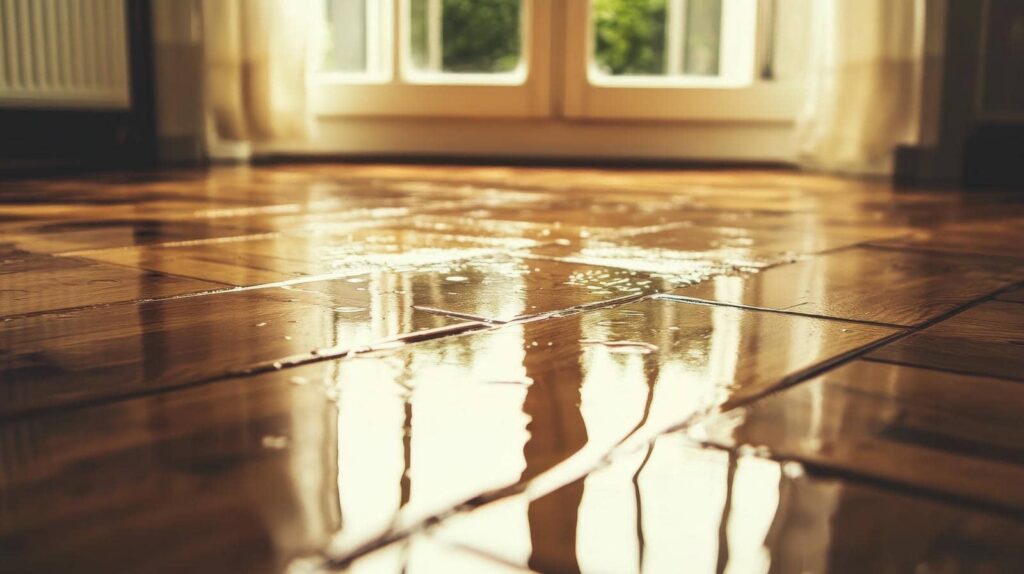
When it comes to commercial water restoration, the stakes are undeniably high. You need to contemplate the scale of damage and the specific requirements of your property. Quick and effective restoration isn’t just about fixing the problem; it’s about ensuring business continuity while adhering to regulations. Understanding these unique needs can make all the difference in maintaining operations and protecting your investment. What factors should you prioritize to navigate this complex process effectively?
Key Takeaways
- Larger property sizes complicate restoration efforts, requiring more specialized equipment and techniques for effective water removal and drying.
- Business continuity is crucial; minimizing downtime is essential to maintain operations and customer trust during restoration.
- Unique challenges arise in different environments, such as rapid response needs in retail and ensuring safety in healthcare facilities.
- Compliance with industry regulations and safety standards is vital to mitigate liability and foster a culture of safety during restoration.
- Long-term preventative measures, such as regular inspections and employee training, are essential for safeguarding against future water damage.
Scale of Damage and Size of Property
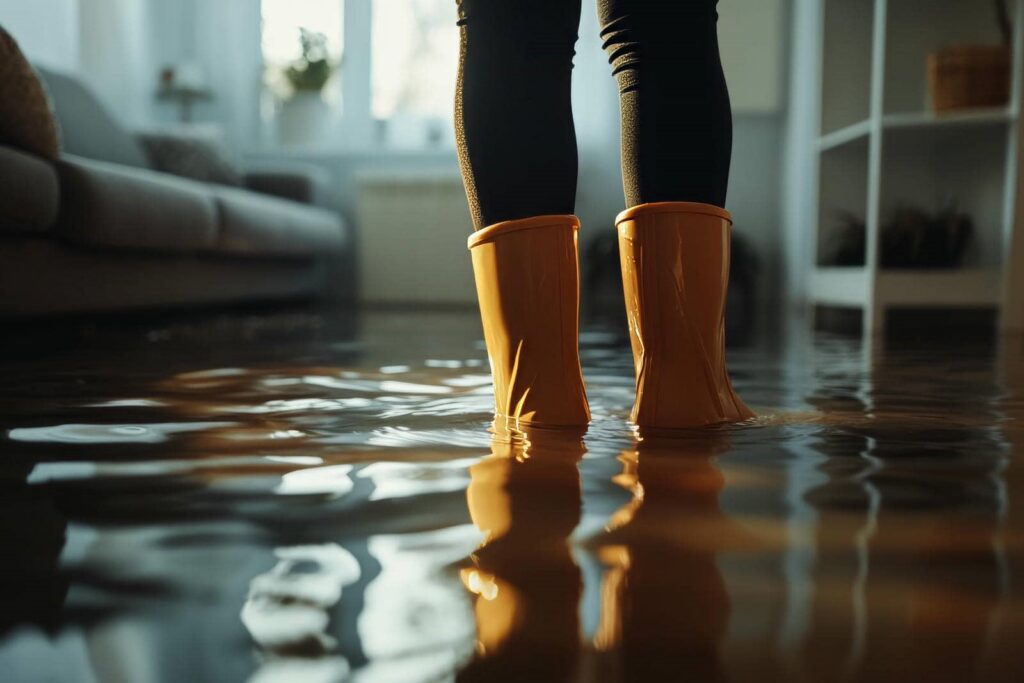
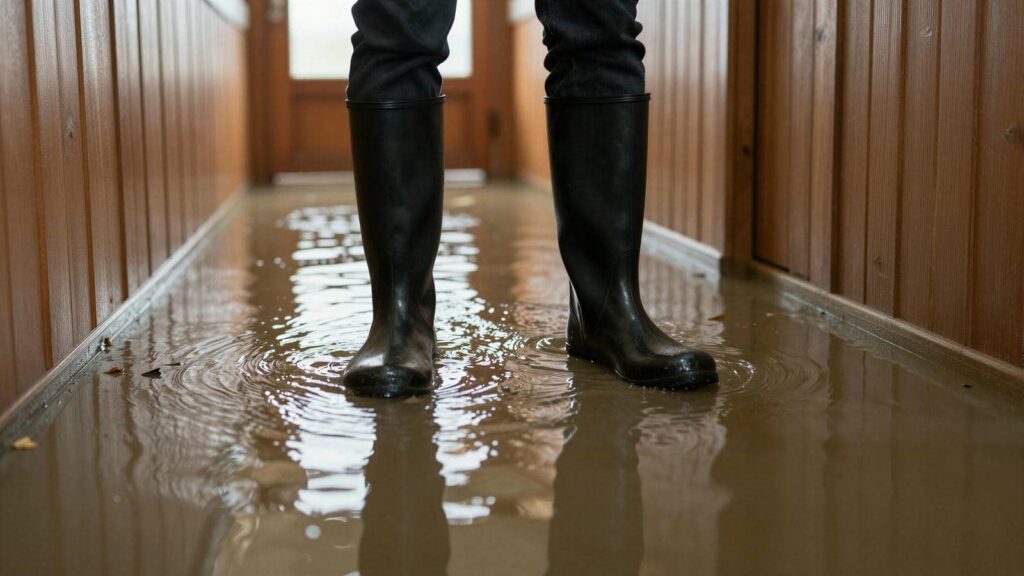
When evaluating the scale of damage and the size of the property, it’s vital to evaluate both the extent of the water intrusion and the specific areas affected. Conducting a thorough scale assessment allows you to identify important zones that require immediate attention.
Start by inspecting structural elements, including walls, ceilings, and flooring, as well as electrical systems and HVAC units. Each area impacted can lead to varying degrees of damage, necessitating a focused property evaluation to determine restoration priorities.
Documenting the water’s origin and duration is significant for understanding the potential long-term effects on materials and systems. You’ll also want to take into account the size of the property, as larger spaces might complicate restoration efforts.
Business Continuity Considerations
In managing commercial water restoration, minimizing downtime is essential for maintaining operational continuity.
A rapid response can greatly reduce the impact of water damage, ensuring your business resumes normal activities as quickly as possible.
Prioritizing these considerations helps safeguard your revenue and reputation during unforeseen disruptions.
Minimizing Downtime Impact
To effectively minimize downtime impact during water restoration, businesses must prioritize a strategic approach that ensures continuity.
By addressing business operations proactively, you can greatly reduce potential financial losses. Here are essential strategies to take into account:
Develop a thorough action plan to address water damage without disrupting daily operations.
Establish clear communication channels with your team and stakeholders to keep everyone informed.
Invest in backup systems to ensure critical functions remain operational during restoration.
Engage professional restoration services that understand your unique needs and can deliver swift, effective solutions.
Rapid Response Importance
How quickly can you respond to a water emergency? Your ability to act swiftly can greatly influence business continuity.
Effective emergency preparedness involves having a robust response plan in place, ensuring that every team member knows their role during a crisis. When you respond immediately, you minimize water damage, reduce restoration costs, and limit operational downtime.
Establishing a clear chain of command, along with regular training sessions, enhances your team’s readiness. Remember, a well-prepared organization can recover faster, maintaining trust with clients and stakeholders.
Prioritizing rapid response protects your assets and reinforces your commitment to resilience in the face of adversity. Don’t underestimate the power of being prepared; it’s key to safeguarding your business’s future.
Specialized Equipment and Techniques
Specialized equipment and techniques play an essential role in effective commercial water restoration, ensuring swift and thorough recovery from water damage. You’ll find that using specialized tools and advanced techniques makes a significant difference in minimizing disruption and restoring your property.
These resources are tailored to tackle the unique challenges of commercial spaces, where time and efficiency are critical.
- High-capacity pumps remove large volumes of water quickly.
- Industrial-grade dehumidifiers eliminate lingering moisture, preventing mold growth.
- Infrared cameras detect hidden water sources, ensuring no damage goes unnoticed.
- Air movers expedite the drying process, protecting your investments.
When you partner with professionals who utilize these specialized tools, you’re not just ensuring a fast recovery; you’re also fostering a sense of security and trust in your community.
Your business deserves the best—invest in the right equipment and techniques for effective restoration.
Insurance and Liability Factors
Understanding insurance and liability factors is essential for businesses facing commercial water restoration. Your insurance coverage needs to be thorough, as water damage can lead to significant losses that affect property and business continuity.
It’s vital to review your policy for adequacy, ensuring it covers both immediate restoration costs and long-term impacts, like loss of income.
Additionally, you must assess liability exposure. Water damage can create unsafe conditions for employees and customers, potentially leading to lawsuits. If a third party is injured due to your water-related issues, you could face hefty legal claims.
Engaging a water restoration professional can mitigate these risks. They can guide you through the restoration process while ensuring compliance with safety standards, ultimately protecting your business’s financial health.
Regulatory Compliance and Standards
In commercial water restoration, you must adhere to industry-specific regulations that govern your practices.
Understanding health and safety standards is essential to protect both your team and clients.
Additionally, environmental compliance requirements play a significant role in ensuring your operations are sustainable and legally sound.
Industry-Specific Regulations
While maneuvering through the complexities of commercial water restoration, you must adhere to industry-specific regulations that govern safety and environmental standards.
Compliance is essential for maintaining operational integrity and ensuring the safety of your team and clients. This means staying up-to-date with industry standards and preparing for compliance audits that assess adherence to these regulations.
- Protecting your reputation in the industry
- Ensuring the safety of your employees
- Safeguarding the environment for future generations
- Building trust with your clients
Health and Safety Standards
Adhering to health and safety standards is essential in the commercial water restoration industry, as it directly impacts worker safety and operational efficiency.
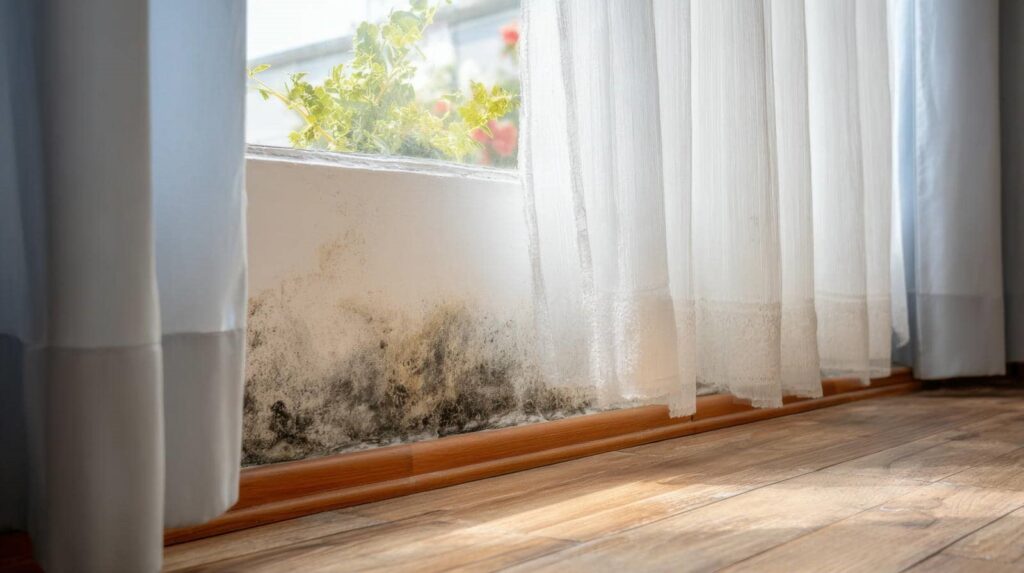
You must recognize the health risks associated with water damage, including mold growth and contaminated water exposure. Implementing rigorous safety protocols protects your team and ensures compliance with industry regulations.
Regular training and clear communication about these protocols foster a culture of safety, enabling everyone to perform their duties confidently. By prioritizing health and safety, you create a secure work environment that enhances productivity and minimizes liabilities.
Environmental Compliance Requirements
How can your business ensure compliance with environmental regulations during water restoration projects? Staying compliant isn’t just about following the rules; it’s about protecting your community and the environment.
Regular compliance audits can help you identify potential issues and ascertain that all practices align with local, state, and federal regulations.
- Failing to comply can lead to costly fines.
- You’ll foster trust with clients by demonstrating commitment to sustainability.
- Protecting ecosystems safeguards future resources for everyone.
- A culture of compliance encourages teamwork and shared responsibility.
Impact on Employees and Customers
When a commercial property suffers water damage, the immediate effects can ripple through both employees and customers, impacting morale and satisfaction.
For employees, a disrupted work environment can lead to decreased productivity and heightened stress levels. You might notice a decline in employee morale as workers grapple with uncertainty and discomfort. In turn, this can affect collaboration and overall team cohesion.
Customers, too, feel the impact. Water damage can interrupt services, leading to longer wait times or even the temporary closure of your business. Such disruptions can erode customer trust, as they expect reliability and quality.
If customers perceive a lack of care or professionalism in your response, it can damage your reputation long-term. By addressing water restoration swiftly and effectively, you restore your environment and reinforce employee morale and customer trust, fostering a sense of security and belonging among all stakeholders.
Speed of Response and Restoration
The speed of response and restoration following water damage directly influences recovery outcomes for both your employees and customers. When your business faces such an emergency, having well-defined response protocols is essential.
An effective strategy ensures that you can minimize downtime and maintain trust with your stakeholders.
- Rapid action can prevent further damage and costly repairs.
- Timely restoration fosters a sense of security for your employees.
- Quick recovery demonstrates commitment to customer satisfaction.
- Preparedness can transform a crisis into an opportunity for growth.
Different Types of Commercial Spaces
Are you aware that different types of commercial spaces each present unique challenges and requirements when it comes to water restoration?
Retail spaces often face immediate customer impact, necessitating a rapid response to mitigate losses. In office environments, the focus is on minimizing disruption to productivity, while industrial warehouses may require specialized equipment to handle vast areas and heavy machinery.
Restaurant kitchens demand swift action to prevent food spoilage and health code violations. Healthcare facilities prioritize patient safety, meaning restoration efforts must adhere to stringent regulations.
Educational institutions need to take into account both student safety and the academic calendar, while entertainment venues must balance restoration with scheduled events.
Finally, multi-family dwellings must address the needs of multiple tenants, ensuring their living conditions are restored quickly.
Understanding these distinctions is vital for effective water restoration tailored to each commercial space.
Long-Term Preventive Measures
Implementing long-term preventative measures is essential for minimizing the risk of water damage in commercial spaces. By focusing on preventive maintenance and conducting regular risk assessments, you can safeguard your property and ensure a safe environment for your employees and customers.
Consider these key strategies:
Regular inspections of plumbing and roofing systems to catch issues early.
Installation of sump pumps and drainage systems to manage excess water.
Employee training on water management and emergency response protocols.
Upgrading materials to water-resistant options in vulnerable areas.
These actions protect your assets and foster a sense of belonging within your team.
When everyone feels secure in their workspace, productivity flourishes, and your business thrives.
Prioritizing these measures reflects your commitment to creating a safe and supportive environment, ultimately enhancing your organization’s reputation and resilience against potential water disasters.
Frequently Asked Questions
How Does Water Damage Affect Property Value in Commercial Spaces?
Water damage greatly impacts property value in commercial spaces, leading to property depreciation and potential insurance implications. You’ll face increased repair costs and reduced marketability, ultimately affecting your investment’s long-term financial health and stability.
What Are the Common Causes of Water Damage in Businesses?
Water damage in businesses often stems from plumbing failures, leaks, or flooding in flood zones. Understanding these common causes helps you protect your investment and maintain a safe, functional environment for employees and customers alike.
How Can Businesses Prepare for Potential Water Damage Incidents?
You can enhance water damage preparedness by developing a response plan, conducting regular assessments, training staff, and investing in insurance. This proactive approach ensures business continuity, minimizing disruptions and safeguarding your operations against potential water-related incidents.
What Are the Long-Term Effects of Water Damage on Infrastructure?
Water damage leads to infrastructure deterioration, resulting in costly long-term repairs. You’ll notice weakened foundations, compromised structural integrity, and increased mold risks, all of which can disrupt operations and impact your business’s bottom line considerably.
How Do Restoration Costs Differ Between Residential and Commercial Properties?
Restoration costs for commercial properties dance to a different rhythm; they often involve complex cost analysis and varied insurance coverage. You’ll find that larger-scale damages and specialized equipment heighten expenses compared to residential scenarios.
Final Thoughts
In the world of commercial water restoration, you’re maneuvering a delicate balance between urgency and expertise. Each drop of water represents not just damage, but potential disruptions to your business’s lifeblood. By understanding the unique needs—from compliance to specialized techniques—you can effectively safeguard your operations. Think of restoration as a safety net, catching your business before it hits the ground, ensuring that both your employees and customers remain secure and confident in your resilience.