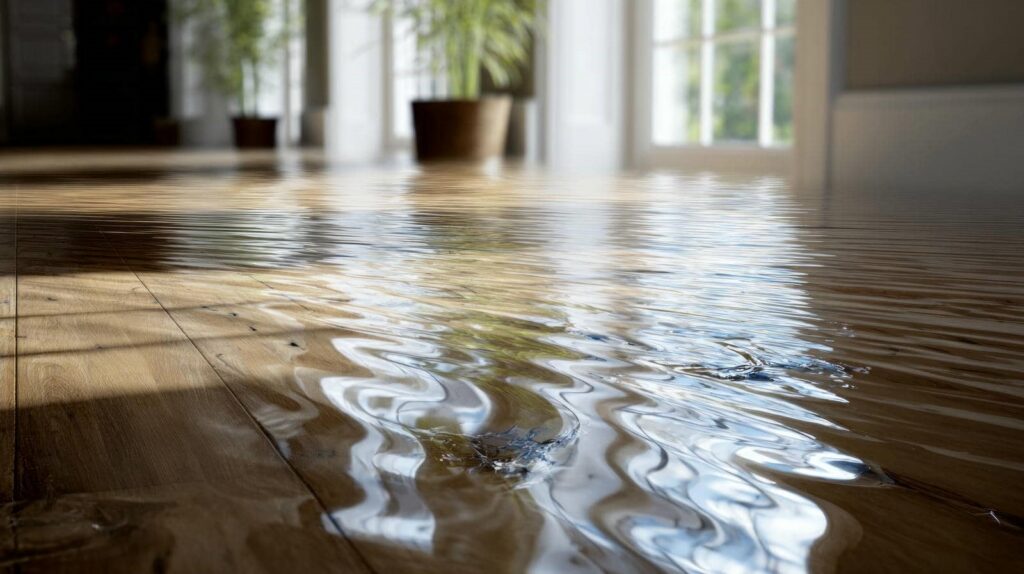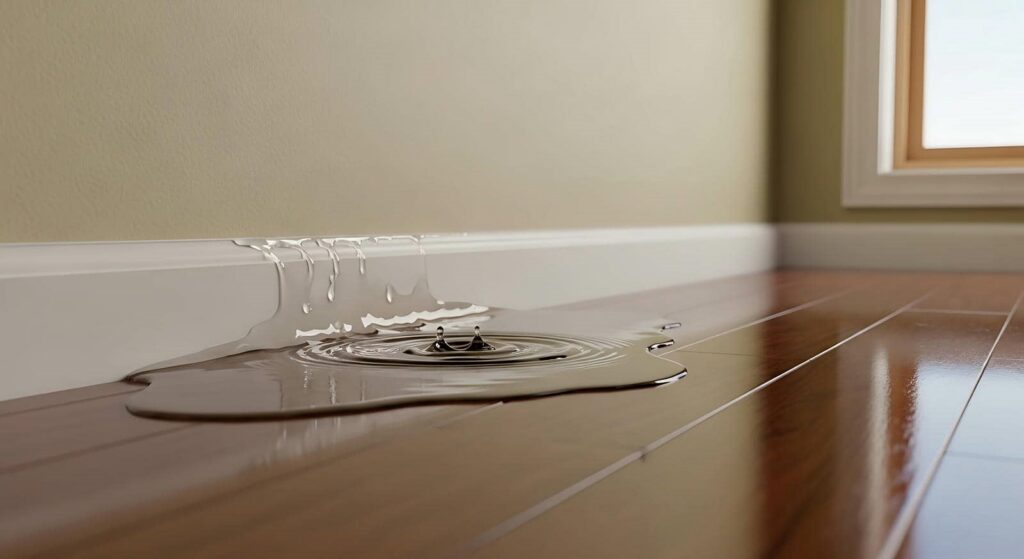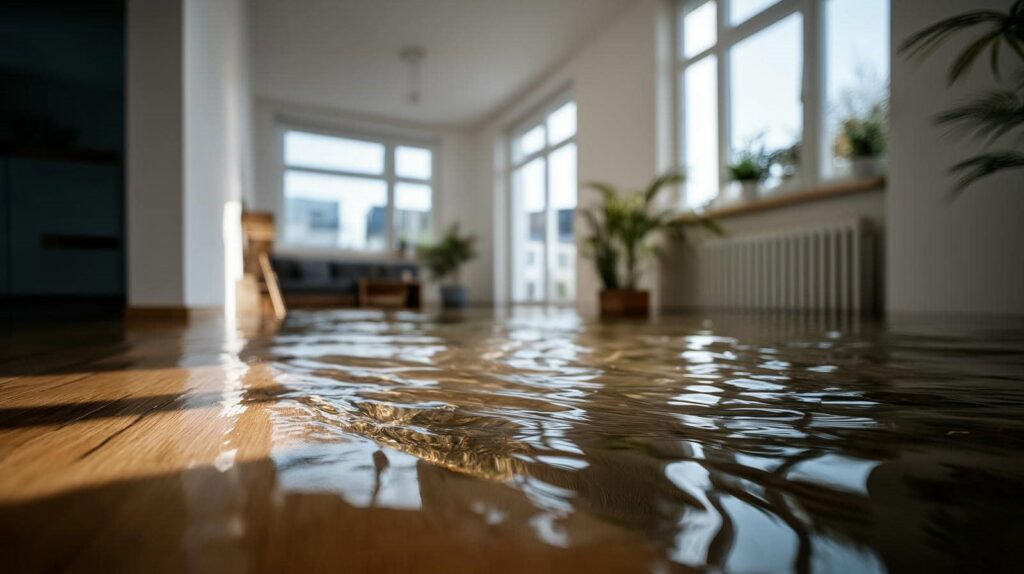
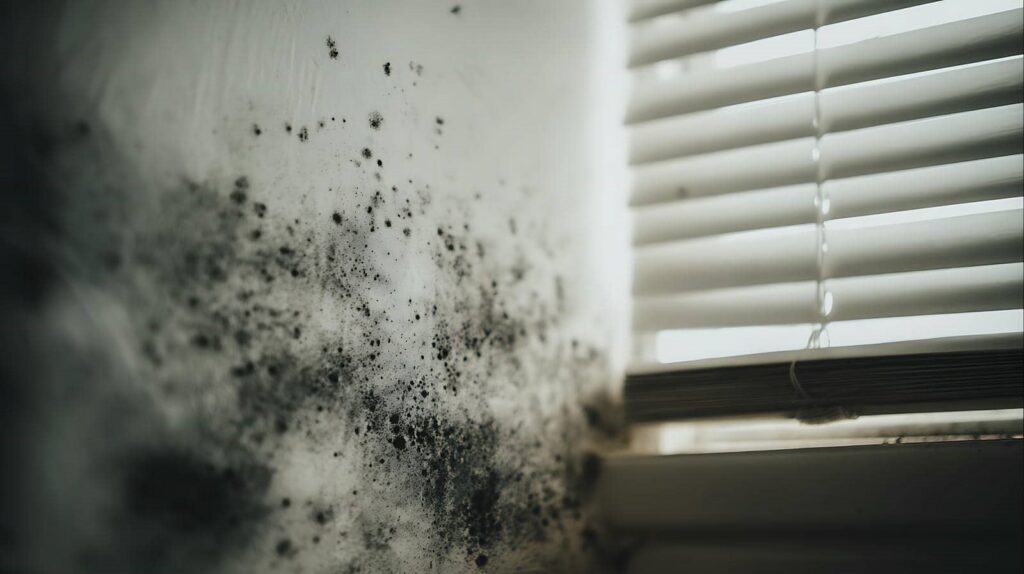
When facing water damage, it’s essential to understand the health risks it brings. Mold can quickly develop, leading to respiratory issues and allergic reactions. Contaminated water can also cause gastrointestinal problems, affecting your overall well-being. These risks aren’t just temporary; prolonged exposure can lead to serious long-term health effects. Vulnerable populations, like children and the elderly, are particularly at risk. What else should you consider to protect your health in these situations?
Key Takeaways
- Water damage promotes mold growth, leading to respiratory issues, allergic reactions, and exacerbating asthma symptoms.
- Skin irritations, including rashes and eczema, can develop from contact with mold and damp materials.
- Gastrointestinal problems, such as diarrhea and nausea, may arise from exposure to contaminated water sources.
- Prolonged mold exposure can impair cognitive function and contribute to mood disturbances like anxiety and depression.
- Vulnerable populations, including the elderly and children, face heightened health risks from mold-related illnesses and compromised immune systems.
Respiratory Issues
When water damage occurs, it doesn’t just compromise your home’s structure; it can also lead to considerable respiratory issues.
Mold and mildew thrive in damp environments, often infiltrating your indoor air quality. As these harmful spores are released into the air, you may find yourself experiencing coughing, wheezing, or other respiratory symptoms.
It’s vital to recognize that moisture control is essential in preventing these issues. By promptly addressing leaks and maintaining proper humidity levels, you can greatly reduce the risk of mold growth.
Regular inspections and the use of dehumidifiers can help keep your space dry and comfortable.
Remember, your home should be a sanctuary, not a source of health problems. By prioritizing moisture control, you create a healthier environment for you and your loved ones, fostering a sense of belonging and safety within your community.
Don’t underestimate the impact of water damage on your well-being.
Allergic Reactions
Water damage can trigger allergic reactions, particularly for those with sensitivities to mold, dust mites, and other allergens that flourish in damp environments.
These substances can greatly impact your immune response, leading to symptoms like sneezing, itching, or respiratory distress. For instance, when mold spores proliferate, they release allergens into the air, which, when inhaled, can provoke an overactive immune response.
Additionally, if you’re exposed to pollen during certain seasons, the combination of mold and pollen exposure can further complicate your allergies, intensifying your discomfort.
This heightened sensitivity creates a cycle; the more you’re exposed to these allergens, the more your immune system reacts.
Understanding the risks associated with water damage can help you take proactive measures to protect your living space and health.
Skin Irritations
Water damage can lead to mold growth, which often triggers skin irritations like rashes or eczema in sensitive individuals.
Additionally, the presence of chemical irritants from damp materials can exacerbate these issues, causing discomfort and inflammation.
Understanding these factors is essential for mitigating health risks associated with water damage.
Mold Exposure Effects
Although mold is often associated with respiratory issues, its impact on skin health can be just as concerning. When you come into contact with mold, you might experience a range of skin irritations, including rashes, itching, and inflammation.
These reactions can vary based on your sensitivity and the type of mold present. For many, the symptoms can be both uncomfortable and distressing.
To maintain good indoor air quality, it’s essential to implement mold prevention strategies, such as controlling humidity levels and ensuring proper ventilation.
By addressing mold growth proactively, you protect your skin and create a healthier living environment for everyone.
Prioritizing these measures fosters a sense of belonging and well-being in your home.
Chemical Irritants Presence
As you navigate environments affected by water damage, keep in mind that chemical irritants can pose significant risks to your skin health. Prolonged chemical exposure from cleaning agents, paints, or other indoor pollutants often increases in damp conditions.
These substances can lead to skin irritations such as rashes, redness, and itching. Individuals with sensitive skin may be particularly vulnerable, as their skin barrier is less effective at protecting against these irritants.
In addition, continuous exposure may exacerbate underlying skin conditions like eczema or psoriasis. To safeguard your skin, consider using protective gear, like gloves, and maintaining good ventilation to reduce the concentration of harmful chemicals.
Gastrointestinal Problems
When you encounter water damage, contaminated water sources can lead to serious gastrointestinal problems.
Mold growth affects air quality and releases mycotoxins that can disrupt your digestive system.
Additionally, the presence of bacteria from stagnant water increases your risk of infections, making it vital to address any water damage immediately.
Contaminated Water Sources
Contaminated water sources pose significant health risks, particularly gastrointestinal problems, which can arise from exposure to pathogens and toxic substances.
When you consume water tainted with waterborne pathogens, such as bacteria, viruses, or parasites, you increase your risk of illnesses like diarrhea, nausea, and vomiting. These symptoms can severely disrupt your daily life and lead to dehydration.
Additionally, toxic substances, including heavy metals and chemicals, can exacerbate gastrointestinal issues and may result in long-term health consequences.
It’s essential to ascertain your water source is safe and regularly tested, especially after incidents of water damage.
Mold Growth Impact
Mold growth following water damage can greatly impact your gastrointestinal health, especially if you inhale spores or consume contaminated food or water.
Exposure to mold can lead to symptoms like nausea, diarrhea, and abdominal cramps. Studies show that mycotoxins produced by certain mold species can disrupt gut flora, exacerbating digestive issues.
To protect yourself, implement mold prevention strategies, such as controlling humidity levels and ensuring proper ventilation. Improving indoor air quality is essential; consider using HEPA filters and maintaining clean air ducts.
By being proactive about mold management, you’ll not only safeguard your gastrointestinal health but also foster a healthier living environment.
Bacterial Infections Risk
Water damage creates an environment ripe for bacterial growth, greatly increasing the risk of gastrointestinal infections. When moisture lingers, it encourages bacterial contamination, often leading to pathogens that can cause severe digestive issues.
You might unknowingly ingest contaminated food or water, putting your health at risk. Symptoms can range from nausea and diarrhea to more serious complications, especially in vulnerable populations.
To safeguard yourself and your family, focus on infection prevention strategies, such as promptly addressing water damage and ensuring proper sanitation. Regular cleaning and monitoring for mold can markedly reduce bacterial proliferation.
Neurological Symptoms
Have you ever considered how exposure to water damage can affect your brain function? The presence of mold and other contaminants in damp environments can lead to significant neurological symptoms.
Research shows that prolonged exposure may contribute to cognitive decline, manifesting as memory issues, difficulty concentrating, or even mood disturbances. These symptoms can be linked to the development of neurological disorders, which may arise from the neurotoxic effects of mold and mycotoxins.
Individuals exposed to water-damaged spaces often report feelings of confusion or disorientation, which can be alarming.
It’s essential to understand that these cognitive changes aren’t just temporary; they can indicate deeper issues tied to your environment. Addressing water damage swiftly and effectively can mitigate these risks, protecting not only your physical health but also your mental well-being.
Long-term Health Effects
Prolonged exposure to environments affected by water damage can lead to a range of long-term health effects that extend beyond immediate symptoms.
You may find that chronic conditions, such as respiratory issues and fatigue, develop over time due to persistent exposure to dampness and contaminants. Your immune responses may become compromised, making you more susceptible to infections and other illnesses.
Research indicates that individuals living in water-damaged environments often experience heightened stress and anxiety levels, further exacerbating physical health issues.
The presence of hidden moisture can also lead to ongoing inflammation in the body, which is linked to a host of chronic diseases.
It’s essential to recognize these risks and take proactive measures to mitigate exposure. By understanding the potential long-term health effects of water damage, you can make informed decisions that protect your well-being and foster a healthier living environment for yourself and your loved ones.
Mold-Related Illnesses
When living in a water-damaged environment, you’re at a substantial risk of developing mold-related illnesses, which can manifest in various ways.
Exposure to mold spores can lead to respiratory issues, allergic reactions, and even chronic conditions like asthma. Symptoms often include sneezing, coughing, or skin irritation, impacting your daily life and overall well-being.
To mitigate these risks, effective mold prevention strategies are essential. Keeping humidity levels low and ensuring proper ventilation can greatly improve your indoor air quality.
Regularly inspecting for leaks and addressing water damage promptly can also help minimize mold growth.
Psychological Impact
Mold-related illnesses not only affect physical health but can also take a significant toll on mental well-being. When faced with water damage and mold exposure, you may experience heightened anxiety, depression, and stress. This psychological strain often stems from the uncertainty surrounding your living conditions and the potential long-term health effects.
The impact on emotional well-being can lead to difficulties in stress management, making it challenging to cope with daily life. You might find yourself feeling isolated or overwhelmed, which can further exacerbate feelings of helplessness.
Research shows that prolonged exposure to mold can disrupt mental health, leading to cognitive impairments and mood disorders.
Recognizing the psychological effects of mold is essential. Seeking support from loved ones or professionals can help you navigate these challenges, fostering a sense of community and belonging that’s crucial for recovery and emotional resilience.
Prioritizing your mental health is just as important as addressing physical symptoms.
Vulnerable Populations
While anyone can suffer from the effects of water damage, certain groups are particularly vulnerable to its health risks. Elderly individuals often have compromised immune systems and pre-existing health conditions, making them more susceptible to mold-related illnesses and infections. Exposure to damp environments can exacerbate respiratory issues, leading to severe complications.
Children’s health is also at considerable risk due to their developing immune systems and heightened sensitivity to allergens. They may experience increased asthma attacks and respiratory issues when exposed to mold and mildew. Both groups require extra attention and prompt intervention to mitigate these risks.
To safeguard these vulnerable populations, it’s essential to address water damage swiftly and effectively. You can help by ensuring proper ventilation and humidity control in living spaces, creating a safer environment for everyone.
Awareness and proactive measures can meaningfully reduce the health risks associated with water damage for those who need it most.
Frequently Asked Questions
How Quickly Can Health Effects Appear After Water Damage Occurs?
Health symptoms can appear within hours to days after water damage, depending on exposure timeline and individual susceptibility. Mold spores and bacteria proliferate quickly, increasing your risk of respiratory issues and other adverse health effects.
What Types of Mold Are Most Dangerous to Health?
Toxic molds like Stachybotrys and Aspergillus lurk in damp corners, ready to release health woes. Mold exposure can lead to respiratory issues and allergic reactions, so staying vigilant is essential for your well-being and peace of mind.
Can Pets Be Affected by Water Damage and Mold?
Yes, pets can be affected by water damage and mold. Mold exposure may trigger pet allergies, leading to respiratory issues, skin irritations, and other health problems. It’s essential to address mold promptly to protect your furry friends.
Is It Safe to Return Home After Water Damage Cleanup?
It’s not safe to return home immediately after water damage cleanup, as lingering water contamination can threaten your health, while compromised structural integrity may pose risks. Ensure thorough inspections and remediation before considering your return.
How Can I Prevent Water Damage in My Home?
To prevent water damage, you should implement effective waterproofing techniques and install proper drainage systems. Regularly inspect your home’s exterior, ensuring gutters are clear, and maintain your landscaping to direct water away from your foundation.
Summary
Addressing water damage is essential for your health and well-being. By preventing respiratory issues, reducing allergic reactions, and avoiding gastrointestinal problems, you safeguard your body from the harmful effects of mold. Protecting vulnerable populations, like the elderly and children, is especially important, as they face heightened risks. Don’t underestimate the psychological impact, either; taking proactive steps can ensure a healthier living environment for you and your loved ones. Act now to protect your home and your health.