Just as a skilled surgeon methodically addresses a patient’s injuries, you must approach flood damage restoration with precision and care. Evaluating the extent of water damage is your first step, ensuring safety and health precautions are firmly in place. Once you’ve established the groundwork, water extraction techniques come into play, paving the way for effective drying and dehumidification. Understanding these procedures is essential to safeguarding the integrity of the affected areas and preventing further complications.
Key Takeaways
- Conduct a thorough assessment of water damage, documenting moisture levels and structural integrity to guide restoration efforts.
- Prioritize safety by utilizing personal protective equipment (PPE) and ensuring proper ventilation during the restoration process.
- Quickly extract standing water using submersible pumps and industrial vacuums to minimize long-term damage to affected areas.
- Employ high-velocity air movers and dehumidifiers to expedite drying and control humidity levels, preventing mold growth.
- Perform a final inspection to ensure all moisture is eliminated, structural integrity is verified, and customer feedback is gathered for future improvements.
Assessing the Extent of Water Damage
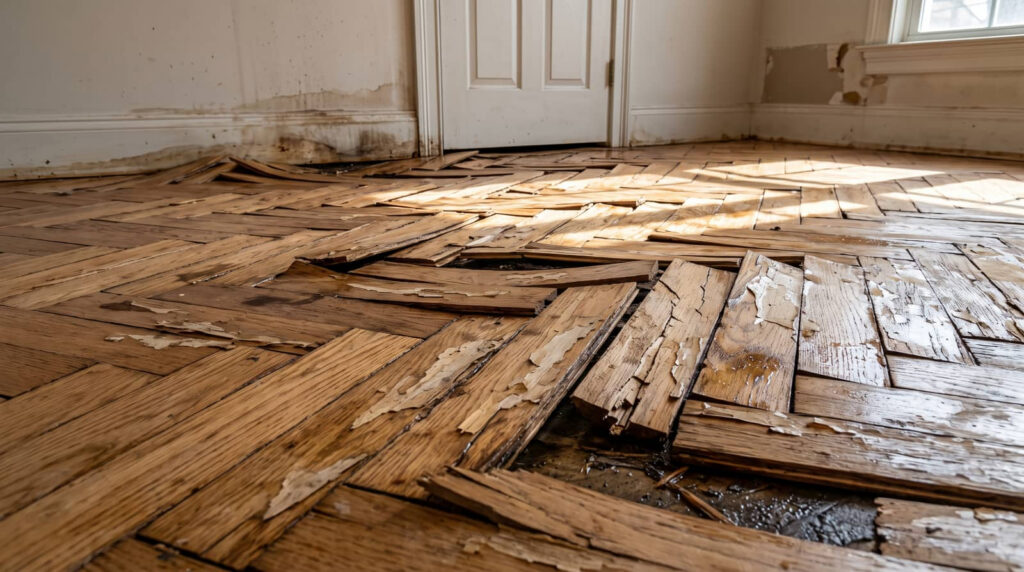
Evaluating the extent of water damage is essential for effective restoration. Start with a thorough water damage assessment, examining all affected areas, including walls, floors, and ceilings. Use moisture meters to detect hidden dampness, ensuring you don’t overlook critical spots. Document your findings meticulously, noting moisture levels and any visible damage.
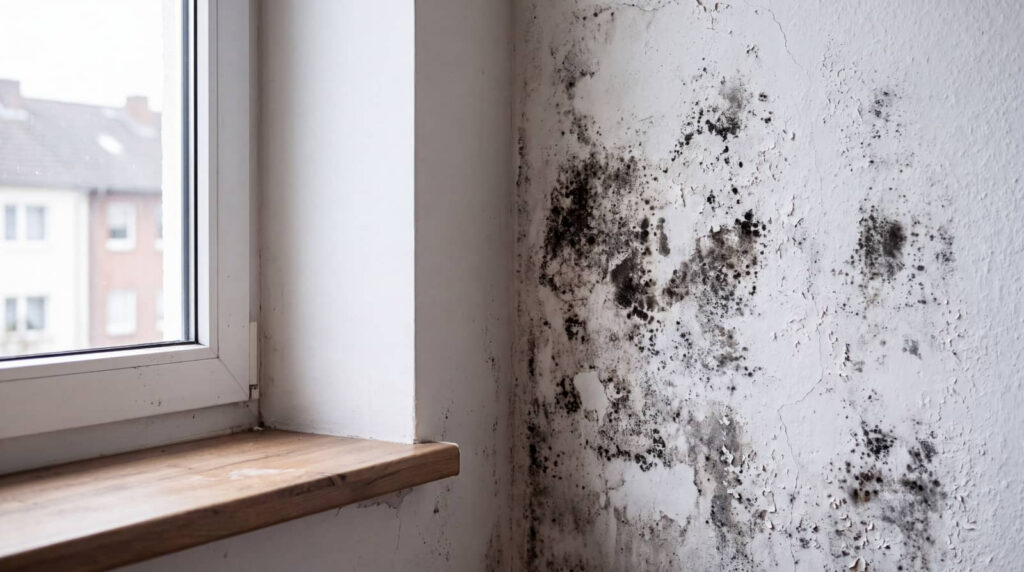
Next, conduct a structural integrity evaluation. Assess load-bearing structures and framing for signs of warping or weakening. Look for mold growth, which can compromise both safety and air quality. If you encounter significant damage, consider consulting structural engineers to determine the extent of repairs needed.
Throughout this process, communicate openly with your team and homeowners about your findings. Building trust is key, as it fosters a sense of belonging and reassurance.
Ensuring Safety and Health Precautions
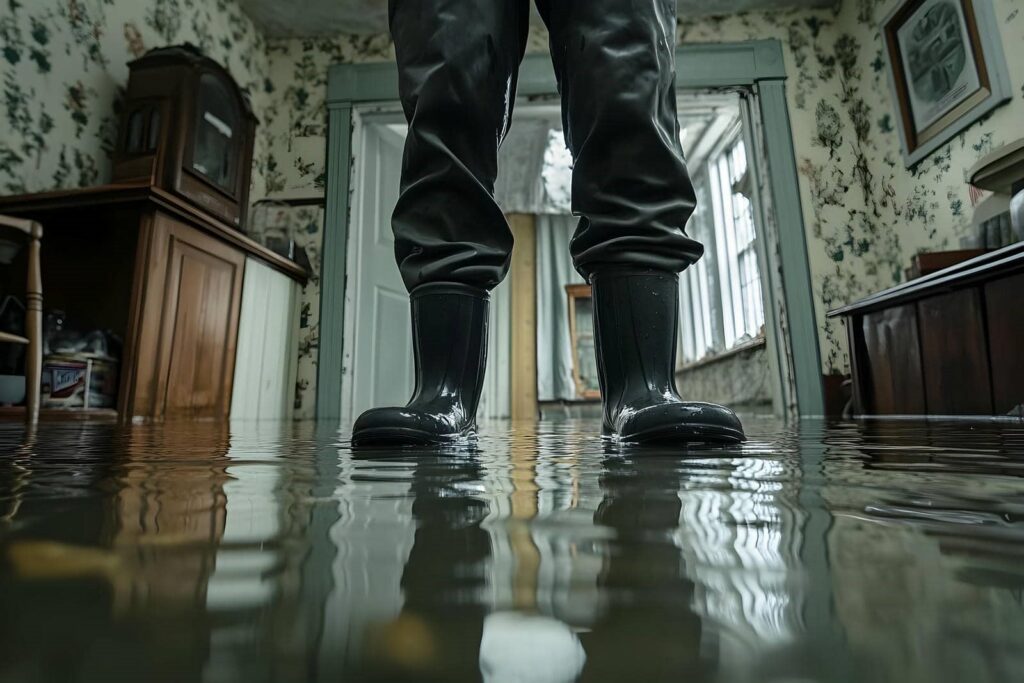
When restoring a flood-damaged area, you must prioritize your safety by using appropriate personal protective equipment (PPE), such as gloves, masks, and boots.
Ensure proper ventilation techniques are in place to minimize exposure to harmful mold spores and other contaminants.
Personal Protective Equipment
To effectively manage the risks associated with flood damage restoration, you must prioritize personal protective equipment (PPE) as an essential component of safety protocols.
Wearing appropriate protective gear is essential for ensuring your personal safety while traversing hazardous environments. Start with waterproof boots to prevent slips and protect against contaminants. Use gloves made from durable materials to safeguard your hands from sharp objects and chemical exposure.
A respirator or mask is important to avoid inhaling harmful mold spores or dust particles. Safety goggles will shield your eyes from debris and irritants. Finally, consider wearing hard hats if structural risks are present.
Proper Ventilation Techniques
After confirming you’re equipped with the right personal protective equipment, the next step in flood damage restoration involves implementing proper ventilation techniques.
Effective ventilation strategies are vital for promoting air circulation and reducing moisture levels. Start by opening windows and doors to allow fresh air in and stale air out.
Utilize fans to enhance airflow, positioning them strategically to create a cross-ventilation effect. If available, dehumidifiers can further assist in lowering humidity, preventing mold growth.
Regularly monitor air quality to verify it remains safe for all occupants.
Water Extraction and Removal Techniques
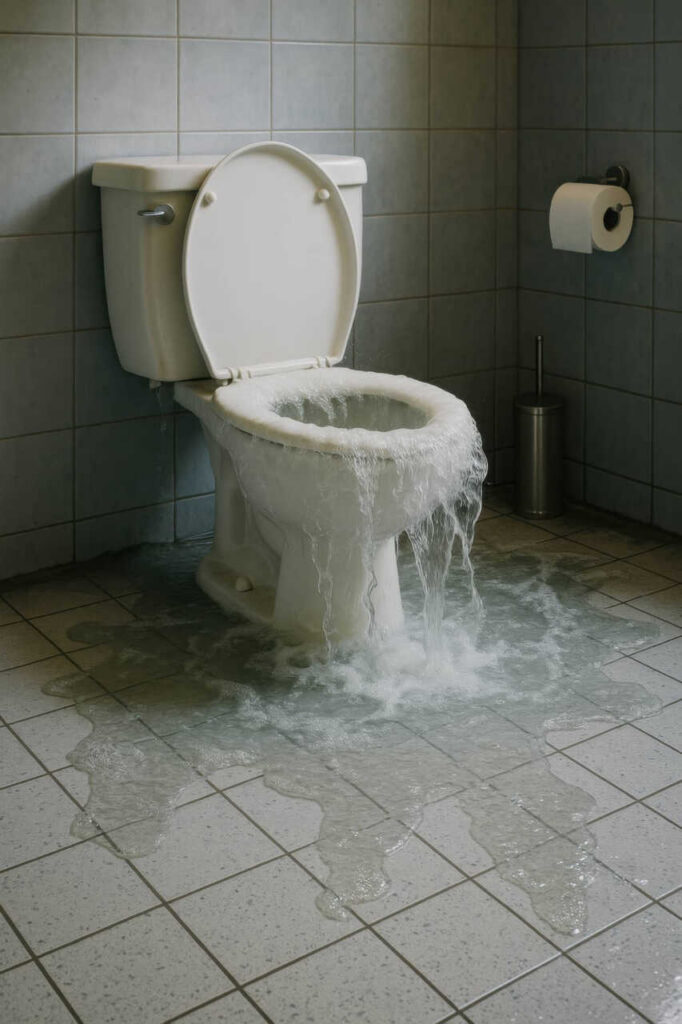
When you face flood damage, a quick response is vital to minimize further loss.
You’ll need specialized equipment like submersible pumps and industrial vacuums for effective water extraction.
Employing techniques such as truck-mounted extraction and portable units ensures thorough removal of water, setting the stage for successful restoration.
Importance of Quick Response
Since time is of the essence in flood damage scenarios, a prompt response is essential for minimizing long-term damage and restoring affected areas effectively.
When you initiate an emergency response, the first step is a rapid assessment of the situation. This involves determining the extent of water intrusion and identifying safety hazards. Quick action prevents mold growth and structural damage, which can escalate costs and prolong recovery efforts.
Utilizing water extraction and removal techniques immediately is imperative; it halts further damage and sets the stage for thorough restoration.
Equipment Used for Extraction
To effectively manage water extraction and removal after a flood, you’ll need specialized equipment designed for rapid and thorough response.
Key tools include:
- Extraction pumps: These powerful machines quickly remove large volumes of water to minimize damage.
- Water vacuums: Ideal for smaller areas, they efficiently extract residual moisture and debris.
- Dehumidifiers: Essential for drying the environment post-extraction, preventing mold growth.
- Air movers: These devices circulate air, speeding up the drying process to protect your property.
- Moisture meters: They help assess the extent of water damage, ensuring thorough restoration.
Using the right equipment aids in effective extraction and fosters a sense of community as you work toward restoring your space.
Techniques for Effective Removal
After equipping yourself with the right tools for water extraction, implementing effective removal techniques becomes the next pivotal step in flood damage restoration.
Start with a thorough damage assessment to identify the extent of water intrusion. Use submersible pumps for large volumes, ensuring you position them correctly to maximize efficiency.
For residual water, employ high-powered wet vacuums, paying attention to corners and hidden areas. Don’t forget to utilize dehumidifiers and air movers to expedite drying and prevent mold growth.
In your flood response, always wear protective gear and maintain safety protocols. Each technique you apply should be methodical, ensuring you leave no water behind, ultimately restoring your space to a safe and livable condition.
Drying and Dehumidification Methods
When floodwaters recede, it’s vital to initiate drying and dehumidification methods promptly to prevent further damage and mold growth.
Effective moisture control is important, and you can employ several dehumidification techniques to achieve the best results. Here’s a focused approach to drying your space:
Air Movers: Use high-velocity fans to circulate air and expedite evaporation.
Dehumidifiers: Invest in commercial-grade dehumidifiers to extract moisture from the air.
Heating: Raise the temperature of the affected area to enhance drying efficiency.
Moisture Meters: Monitor moisture levels in materials to track progress and ensure thorough drying.
Ventilation: Open windows and doors to increase airflow, helping to reduce humidity levels.
Cleaning and Sanitizing Affected Areas
As floodwaters recede, it’s crucial to clean and sanitize affected areas to eliminate contaminants and prevent health risks.
Start by removing all debris and damaged materials, as they can harbor bacteria. Use appropriate cleaning agents like bleach solutions or specialized disinfectants that meet Environmental Protection Agency (EPA) standards. When mixing cleaning agents, always follow the manufacturer’s instructions for effective results.
After initial cleaning, apply sanitization methods such as fogging or wiping surfaces with a damp cloth soaked in a disinfectant. Pay special attention to high-touch areas like doorknobs and countertops.
Maintain proper ventilation while cleaning to avoid inhaling harmful fumes.
Finally, allow surfaces to dry thoroughly before reintroducing furniture or belongings. This methodical approach cleans and fosters a safe environment for you and your loved ones.
Mold Prevention and Remediation Strategies
Since mold can begin to grow within 24 to 48 hours after water exposure, implementing effective prevention and remediation strategies is vital for safeguarding your home.
Here are some key techniques you can use to combat mold growth:
Control Humidity: Keep indoor humidity levels below 60% to inhibit mold development.
Ventilation: Facilitate proper airflow in areas prone to moisture, like bathrooms and kitchens.
Prompt Cleanup: Address any water leaks or spills immediately to prevent standing water.
Use Mold-Resistant Products: When renovating, consider mold-resistant paints and materials.
Regular Inspections: Routinely check for signs of mold and moisture, especially in hidden areas.
Restoration of Affected Structures and Contents
To effectively restore structures and contents affected by flood damage, it’s crucial to follow a systematic approach that prioritizes safety and efficiency. Start by evaluating the structural integrity of the building. Inspect load-bearing walls, floors, and ceilings for damage. If any components are compromised, consult a structural engineer before proceeding.
Next, focus on contents restoration. Carefully inventory all items, documenting their condition. Clean and disinfect salvageable items using appropriate methods, ensuring you remove contaminants and moisture. For upholstered furniture and textiles, consider professional cleaning to prevent mold growth.
Throughout the process, maintain clear communication with your restoration team to make sure everyone understands the plan and timeline.
Final Inspection and Follow-Up Procedures
After the initial restoration work is complete, conducting a thorough final inspection is essential to confirm all flood damage has been adequately addressed. This step confirms you can confidently move forward, knowing your space is safe and restored.
During the final inspection, focus on these critical areas:
- Check for any lingering moisture or mold growth.
- Inspect structural integrity, including walls and foundations.
- Verify that all electrical systems are functioning safely.
- Ascertain all affected contents are cleaned and returned properly.
- Gather customer feedback to understand their experience.
Once you’ve completed the inspection, compile a final report documenting your findings and actions taken. This report serves as a record and fosters trust with your clients, demonstrating your commitment to quality.
Listening to customer feedback can guide future improvements, confirming you meet the needs of the community you serve.
Frequently Asked Questions
How Long Does Flood Damage Restoration Typically Take?
Typically, a flood restoration timeline spans from a few days to several weeks. It involves distinct restoration project phases: assessment, water removal, drying, cleaning, and repairs, ensuring thorough recovery and returning your space to normal.
Will My Insurance Cover Flood Damage Restoration Costs?
When it comes to flood damage restoration, it’s best to check your policy. Flood insurance often varies, and coverage limits can dictate how much you’ll receive. Don’t leave it to chance; know your options.
Can I Stay in My Home During Restoration?
You can stay in your home during restoration, but safety concerns may arise. A professional home evaluation will ensure it’s safe. Always follow their recommendations to protect yourself and your belongings during the process.
What Types of Equipment Are Used in Restoration?
What tools do you think professionals use for effective restoration? They utilize water extraction machines to remove excess moisture and air movers to circulate air, ensuring your space dries quickly and efficiently for a safe return.
How Can I Prevent Future Flood Damage?
To prevent future flood damage, you should install flood barriers and enhance your drainage systems. Regularly inspect and maintain these systems, ensuring they function properly during heavy rains to protect your home effectively.
Final Thoughts
In the aftermath of a flood, swift action is your lifeline to recovery. By following these top restoration procedures, you safeguard your property and protect your health. From evaluating damage to preventing mold, each step is essential in restoring your space to its former glory. Remember, thorough documentation acts as your roadmap, guiding you through the complexities of the process. With careful attention, you can transform disaster into a story of resilience and renewal.