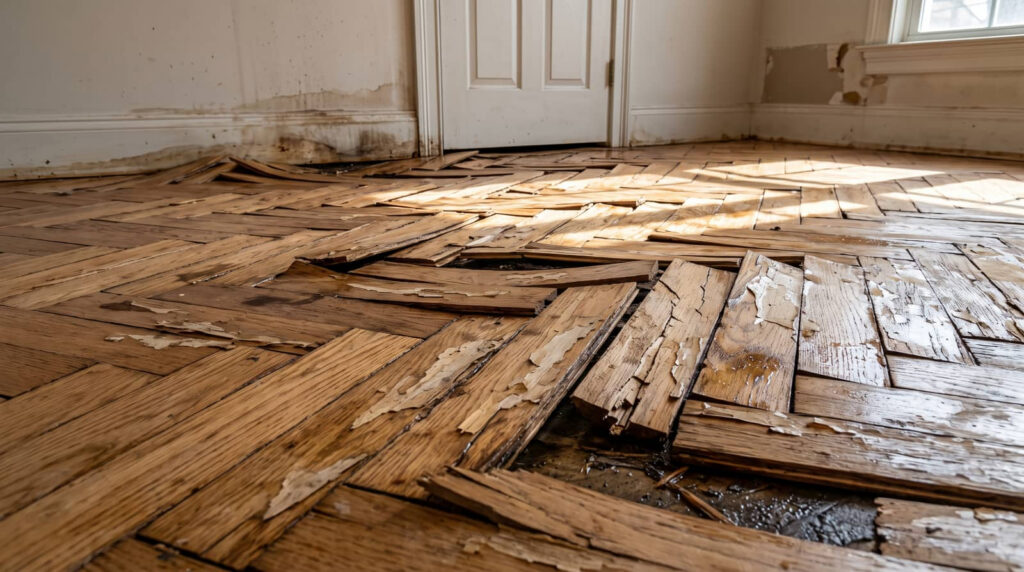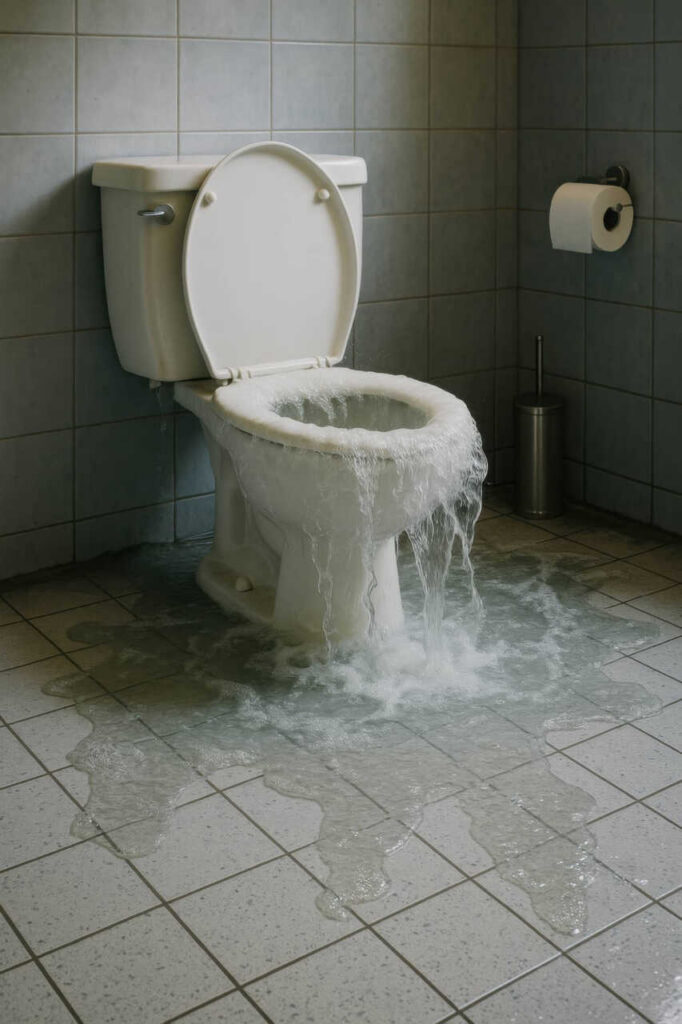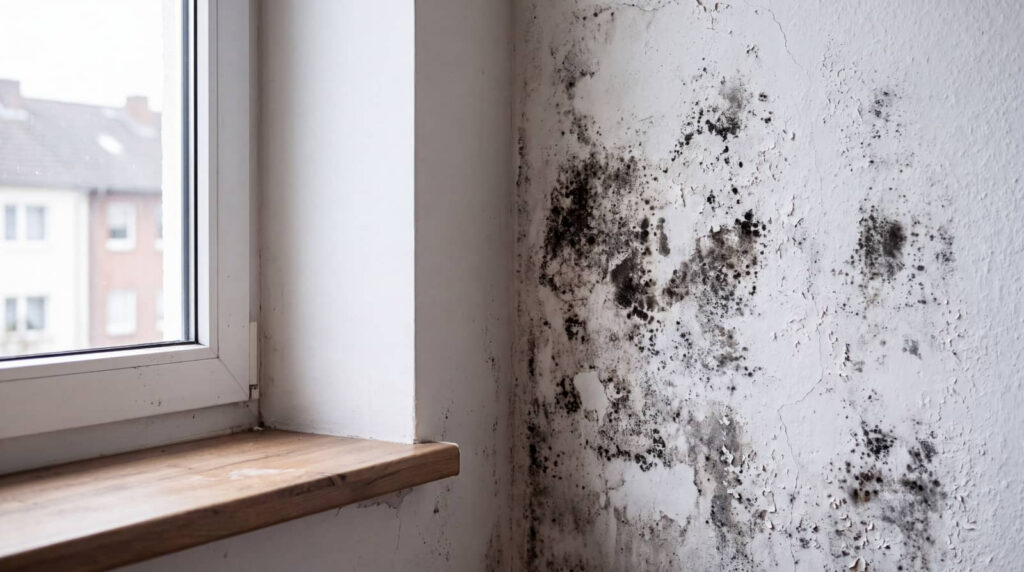
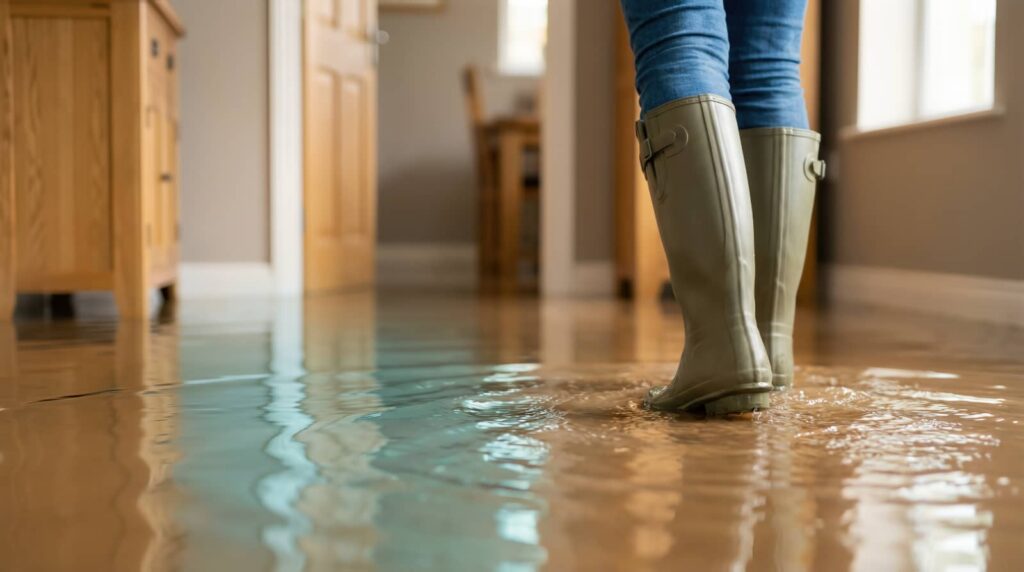
Water damage can feel like a storm tearing through your home, leaving chaos in its wake. To navigate this challenging situation, understanding the vital steps for effective reconstruction is key. From evaluating the damage to ensuring safety and choosing the right professionals, each decision carries weight. With the right approach, you can turn this setback into an opportunity for a stronger, healthier living space. But where do you begin?
Key Takeaways
- Promptly assess water damage to identify the source and minimize further loss, aiding in effective restoration planning.
- Prioritize safety by ensuring structural integrity and addressing immediate health risks like mold growth.
- Use appropriate tools for effective water extraction and implement emergency responses for severe flooding situations.
- Focus on thorough drying and dehumidification post-extraction to prevent mold and structural issues.
- Plan for future prevention by installing water sensors and performing regular maintenance on plumbing and drainage systems.
Why Timely Assessment of Water Damage Is Crucial
When water damage strikes, it’s essential to assess the situation promptly, as delays can lead to more extensive issues.
Start with effective water detection to identify the source and extent of the damage. A thorough damage evaluation not only helps you understand the impact on your property but also aids in developing a realistic restoration timeline.
Quick emergency response is crucial; it minimizes further loss and supports your insurance coverage claims.
Conduct a detailed property assessment to inform your mitigation strategies, ensuring you address hidden moisture through moisture monitoring.
Prioritizing Safety and Health Concerns
When dealing with water damage, your top priority should be ensuring the structural integrity of your property.
A thorough assessment helps identify any immediate risks that could compromise safety.
Additionally, addressing mold prevention early can protect your health and prevent further complications down the line.
Assess Structural Integrity First
Before diving into repairs after water damage, it’s essential to assess the structural integrity of your property.
Start by checking the foundation stability, as any weakness here can lead to serious issues down the line. Look for cracks, bowing walls, or sagging floors, which can indicate underlying problems.
A thorough structural assessment not only protects your investment but also guarantees the safety of everyone who enters your space.
Don’t hesitate to consult a professional if you’re uncertain; their expertise can provide valuable insights.
Remember, addressing structural concerns early fosters a sense of security and belonging in your home, allowing you to move forward with confidence in your reconstruction efforts.
Your safety and peace of mind are paramount.
Address Mold Prevention Early
Mold can begin to develop within 24 to 48 hours after water damage, making it essential to address prevention measures immediately.
Start with early detection and moisture control to minimize mold growth. Implement ventilation solutions to promote air circulation and reduce humidity levels, and consider humidity monitoring systems to keep track of moisture in the air.
Choose appropriate insulation materials that resist moisture, and apply surface treatments designed to prevent mold formation.
Establish thorough cleaning protocols to tackle existing dampness and prevent future issues.
Steps for Effective Water Extraction
Effective water extraction is essential to minimizing damage and preventing further complications, especially after a flooding incident. You’ll want to act quickly and employ effective water removal techniques to guarantee your space is safe and dry.
Here are some key steps to follow:
Assess the situation: Determine the extent of the flooding and prioritize areas needing immediate attention.
Gather your tools: Use pumps, wet vacuums, and fans to aid in the extraction process.
Implement emergency response: If the flooding is severe, don’t hesitate to call in professionals who specialize in water extraction.
Next Steps After Water Extraction
After water extraction, your first priority should be evaluating the structural integrity of your property to identify any hidden damage.
Once you’ve confirmed the structure is sound, focus on effective drying and dehumidification techniques to prevent mold growth and further deterioration.
These steps are essential in safeguarding your home’s future and restoring it to its original state.
Assess Structural Integrity
Once the water extraction is complete, it’s essential to assess the structural integrity of your property to affirm safety and long-term stability.
A thorough structural evaluation helps you identify hidden damage and assures your home can withstand future challenges. Here are key areas to focus on:
Load Bearing Analysis: Check beams and columns for warping or cracks that could affect stability.
Foundation Inspection: Look for signs of settling, such as cracks in walls or floors.
Roof and Ceiling Assessment: Inspect for sagging areas that may indicate water damage and structural weakness.
Taking these steps seriously can save you from costly repairs down the line and provide peace of mind as you rebuild your safe haven.
Drying and Dehumidification Techniques
To restore your property effectively after water damage, mastering drying and dehumidification techniques is vital.
Begin by using high-quality drying equipment, like air movers and heaters, to circulate warm air and expedite evaporation. Position these strategically to cover damp areas thoroughly.
Next, implement effective dehumidification methods, such as using commercial dehumidifiers, to extract excess moisture from the air. This helps prevent mold growth and structural damage.
Monitor humidity levels regularly with a hygrometer to guarantee you’re on track.
Remember, patience is key; drying can take time, but it’s essential for a successful restoration.
Selecting Reconstruction Materials for Water Damage Restoration
When selecting reconstruction materials for water damage restoration, it’s essential to evaluate both durability and moisture resistance. You want materials that not only stand the test of time but also resist the effects of future moisture.
Consider these factors:
Eco-friendly materials: Look for sustainable options that are safe for your home and the environment.
Cost-effective options: Choose materials that fit your budget without compromising quality.
Moisture-resistant solutions: Prioritize finishes that can withstand damp conditions, protecting your investment.
The Importance of Mold Remediation
Mold can pose serious health risks, especially if you’re exposed over time.
It’s essential to implement effective prevention strategies to protect your space and well-being.
Health Risks Involved
After experiencing water damage, addressing health risks becomes essential, especially regarding mold growth. Mold can pose significant health hazards, with contamination risks affecting both your home and your well-being.
Here are some key concerns to evaluate:
Respiratory issues: Mold spores can trigger allergies and asthma, leading to chronic illness.
Air quality: Poor air quality due to microbial growth can exacerbate health problems.
Hidden dangers: Mold often grows in hidden spaces, creating structural risks and long-term effects on your property.
Ignoring these issues can lead to severe consequences, including the proliferation of waterborne pathogens.
Prioritizing mold remediation not only protects your home but also safeguards your health, ensuring a safer environment for you and your loved ones.
Prevention Strategies Available
To effectively safeguard your property against future water damage, implementing prevention strategies is essential.
Start by ensuring your drainage systems are clear and functional. Regular plumbing inspections can help catch issues early, while roof maintenance and foundation sealing protect against leaks.
Consider installing sump pumps and moisture barriers to mitigate flooding risks. Upgrading appliances can also reduce the chance of water damage from leaks.
Additionally, explore landscaping solutions that direct water away from your home, adhering to local building codes.
Utilizing waterproofing techniques in vulnerable areas further enhances your property’s resilience.
How to Find the Right Pros for Water Damage Restoration
How can you guarantee you’re hiring the right professionals for water damage restoration? Start by focusing on a few key factors that secure quality and trustworthiness:
Check contractor credentials: Verify their certifications and licenses to secure compliance with industry standards.
Read service reviews: Look for customer testimonials that highlight their experiences, especially regarding emergency response and equipment quality.
Discuss pricing transparency: Secure they provide clear, upfront pricing and timeline expectations, along with warranty options for peace of mind.
Creating a Comprehensive Restoration Plan
When water damage strikes, creating a thorough restoration plan is vital for effective recovery. Start by evaluating the extent of the damage and establishing a clear restoration timeline. This will help you prioritize tasks and set realistic expectations.
Next, outline your budget considerations, factoring in materials, labor, and any unforeseen expenses. It’s important to communicate openly with your team and involve them in the planning process, fostering a sense of belonging and collaboration.
Regularly review your progress against the timeline and budget to guarantee you stay on track. By taking these steps, you’ll not only streamline the restoration but also create a supportive environment where everyone feels invested in the outcome.
How to Handle Insurance Claims for Water Damage Restoration
Managing insurance claims for water damage restoration can feel overwhelming, especially when you’re already dealing with the stress of recovery. To navigate the claim process smoothly, keep these key points in mind:
Understand your insurance policy and its coverage limits.
Gather all necessary documentation needed for a successful claim.
Communicate effectively with the adjuster throughout the process.
Be sure to document the loss assessment carefully, as this information is vital.
Be aware of the filing timeline to avoid delays, and watch out for common pitfalls, like missing paperwork.
Tips for Preventing Future Water Damage
To effectively prevent future water damage, it’s essential to take proactive measures that safeguard your property.
Start by installing water sensors and regularly maintaining your gutters to guarantee proper drainage. Consider upgrading your drainage systems and adding sump pumps for extra protection. Waterproof coatings on vulnerable surfaces can also help.
Pay attention to your landscaping; make sure slopes direct water away from your foundation. Regular plumbing inspections catch leaks before they become major issues, while foundation sealing keeps moisture out.
Don’t forget to monitor humidity levels indoors and invest in appliance upgrades that minimize leaks.
Frequently Asked Questions
How Long Does the Water Damage Restoration Process Typically Take?
The water damage restoration process typically takes 3 to 7 days. You’ll experience water extraction and drying techniques, ensuring your space returns to normal. Patience is key, and you’re not alone in this journey.
Can I DIY Water Damage Repairs, or Should I Hire Professionals?
About 80% of water damage repairs are handled by professionals. While DIY might save money, consider the cost of potential mistakes. Hiring experts guarantees quality, preventing further issues you might face during the process.
What Are the Signs of Hidden Water Damage in My Home?
You’ll notice hidden water damage through damp smells, discoloration on walls, or peeling paint. Check for hidden leaks in plumbing and around windows, as these often signal underlying issues that need immediate attention.
How Can I Prevent Mold Growth After Water Damage?
To prevent mold growth after water damage, use effective mold prevention techniques like dehumidifiers and ventilation. Implement moisture control methods, ensuring surfaces dry quickly and remain clean, fostering a healthier environment for you and your loved ones.
What Should I Look for in a Water Damage Restoration Contract?
When reviewing a water damage restoration contract, you should focus on clear contract clauses and service guarantees. Confirm they outline timelines, costs, and coverage, so you feel secure and understood throughout the restoration process.
Final Thoughts
In the whirlwind of water damage, don’t let your home become a soggy disaster zone! Swift action and expert help can transform your property from a drenched nightmare into a safe, dry haven. Remember, every moment counts your walls could be harboring a mold army! With the right materials, professionals, and preventive measures, you’re not just restoring your home; you’re fortifying it against future floods. Take charge now, and turn your water-damaged property into a fortress of resilience!