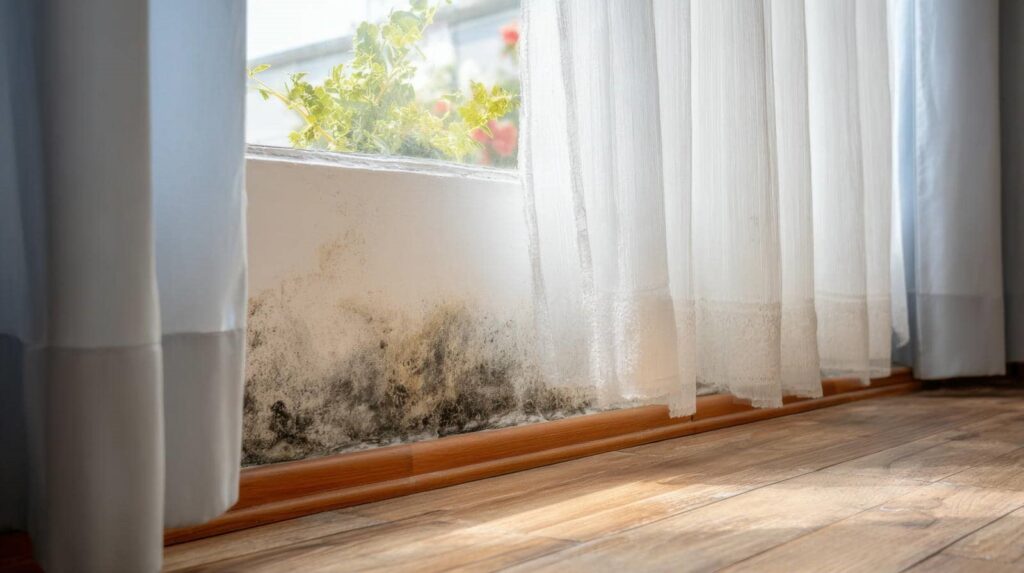
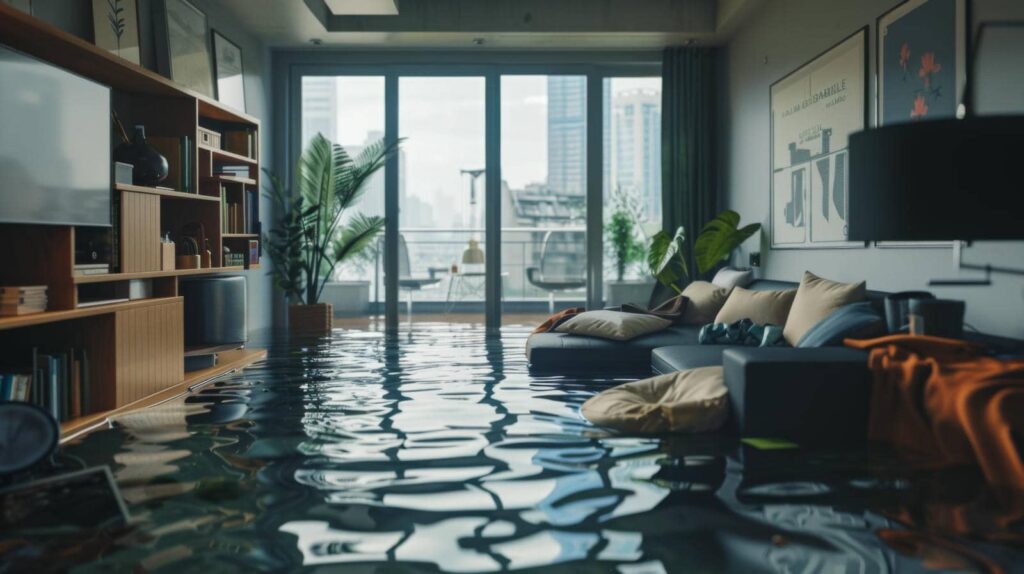
Did you know that the effectiveness of flood restoration hinges on the right structural drying equipment? Choosing the correct tools can greatly reduce drying time and prevent mold growth. From high-velocity air movers to advanced dehumidifiers, each piece of equipment plays a critical role in the process. Understanding how these tools function together can enhance your restoration efforts, leading to more efficient and effective outcomes. What specific equipment should you consider for ideal results?
Key Takeaways
- High-velocity air movers create powerful airflow, accelerating the drying process of water-damaged structures and preventing secondary damage.
- Floor drying systems effectively target moisture removal by utilizing air movers and drying mats for quick evaporation from surfaces.
- Desiccant dehumidifiers excel in low-temperature environments, controlling humidity levels and preventing mold growth during flood restoration.
- Infrared thermal imaging cameras enable non-invasive detection of hidden moisture, allowing for early intervention and effective restoration strategies.
- Air scrubbers improve air quality by capturing dust and mold spores, ensuring a safer environment during recovery efforts.
High-Velocity Air Movers
High-velocity air movers are essential tools in flood restoration, designed to accelerate the drying process of water-damaged structures.
These machines create powerful airflow, effectively evaporating moisture from surfaces and preventing secondary damage. In high velocity applications, you’ll find that their strategic placement can considerably enhance drying efficiency.
You’ll appreciate the air mover benefits, such as reducing drying time, minimizing mold growth, and improving overall air quality.
Unlike traditional fans, air movers focus airflow directly onto wet surfaces, ensuring that moisture is quickly addressed.
Dehumidifiers
Dehumidifiers play a critical role in flood restoration by removing excess moisture from the air.
You’ll find various types of dehumidifiers, each with distinct efficiency factors that impact their performance.
Understanding how to maintain and care for these units is essential for maximizing their effectiveness in your restoration efforts.
Types of Dehumidifiers
When tackling flood restoration, understanding the various types of dehumidifiers is crucial for effective moisture removal.
You’ll primarily encounter two dehumidifier types: refrigerant and desiccant. Refrigerant dehumidifiers cool air to condense moisture, making them ideal for warmer environments. They’re often available as portable units, allowing you to move them easily to different areas of your space.
On the other hand, desiccant dehumidifiers use moisture-absorbing materials to extract humidity, functioning well in cooler conditions. These units excel in low-temperature situations, making them a smart choice for certain flood scenarios.
Dehumidifier Efficiency Factors
Selecting the right dehumidifier is just the first step; understanding the efficiency factors that influence their performance is equally important. Various elements affect how well your dehumidifier works, including room temperature, air circulation, and the initial humidity levels.
Advanced dehumidifier technology can notably enhance humidity control, allowing for faster moisture removal. Look for units with higher extraction rates, as they’ll perform better in challenging conditions. Additionally, consider the capacity of your dehumidifier against the size of the space you’re treating; an undersized unit will struggle to maintain ideal conditions.
Finally, energy efficiency ratings matter, as they impact long-term operational costs while ensuring effective moisture management. Prioritizing these factors will help you achieve the best results in flood restoration.
Maintenance and Care Tips
To ensure peak performance and longevity, your dehumidifier requires regular maintenance.
Start with routine inspections to check for any signs of wear or malfunction. Ascertain that the air filters are clean; dirty filters can restrict airflow and reduce efficiency.
Perform equipment cleaning by wiping down surfaces and removing any dust or debris that might obstruct air circulation.
Check the water collection tank frequently, emptying it as needed to prevent overflow.
Additionally, inspect the hoses for blockages or leaks that could hinder performance.
Infrared Thermal Imaging Cameras
Infrared thermal imaging cameras play an essential role in flood restoration by detecting moisture hidden behind walls, under floors, and in other inaccessible areas.
Utilizing thermal imaging provides several infrared advantages that enhance your restoration efforts:
Early Detection: Identify moisture issues before they escalate into bigger problems.
Non-Invasive: Inspect areas without causing damage, keeping structures intact.
Efficiency: Quickly assess large areas, allowing for faster decision-making.
Comprehensive Analysis: Visualize temperature differences, pinpointing moisture sources effectively.
Water Extraction Pumps
When tackling flood restoration, understanding the different types of water extraction pumps is essential for effective water removal.
You’ll need to take into account the pumping capacity to match your specific recovery needs and ensure peak performance.
Regular maintenance and care of these pumps will enhance their efficiency and longevity, making your restoration efforts more successful.
Types of Water Pumps
Water extraction pumps play an essential role in flood restoration, offering various types to suit different needs. Understanding these types can help you choose the right pump for your situation:
Submersible Pumps: Ideal for deep water extraction, these pumps can operate underwater without damage.
Diaphragm Pumps: Perfect for handling contaminated water, diaphragm pumps maintain high efficiency in challenging conditions.
Trash Pumps: Designed for heavy debris, they can handle solid particles while removing water quickly.
Centrifugal Pumps: Best for large volumes of clean water, these pumps are efficient and easy to operate.
Choosing the right type ensures effective water removal, paving the way for successful flood restoration.
Be certain to assess your specific needs before making a decision.
Pumping Capacity Considerations
Selecting the right type of water pump is only part of the equation; understanding pumping capacity is equally important for effective flood restoration.
Pumping performance directly impacts how quickly and efficiently you can remove excess water. When choosing among various pump types, consider both gallons per minute (GPM) and total dynamic head (TDH) to ensure the pump meets your specific needs.
A higher GPM means faster extraction, but it must also be compatible with the TDH of your restoration site. Always assess the volume of water and the complexity of the layout to select the best pump type.
Maintenance and Care Tips
Regular maintenance of your water extraction pump is essential for peak performance and longevity.
Implementing a routine for preventive maintenance extends the life of your equipment and ensures efficient operation during critical situations.
Follow these care tips:
Inspect filters regularly to prevent clogs and maintain airflow.
Clean the pump after each use to remove debris and prolong its lifespan.
Store equipment in a dry, climate-controlled environment to avoid damage from moisture.
Check hoses and connections for leaks or wear, replacing as necessary to maintain top performance.
Moisture Meters
When tackling flood restoration, using moisture meters is crucial for accurately evaluating the extent of water damage. These devices employ advanced moisture measurement techniques that allow you to detect hidden pockets of moisture in walls, floors, and other materials.
Digital moisture meters, in particular, offer precise readings and often feature easy-to-read displays, making it convenient for you to monitor moisture levels effectively.
When selecting a moisture meter, consider models that provide both non-invasive and invasive measurement options. Non-invasive meters are great for surface readings, while invasive ones can penetrate materials to provide deeper insights.
Understanding the moisture content helps you make informed decisions about drying strategies and restoration efforts. By using these tools, you ensure a thorough restoration process, fostering a sense of community and support among those affected by flooding.
Your commitment to using moisture meters enhances your skills and contributes to successful restoration outcomes.
Air Scrubbers
Air scrubbers play an essential role in flood restoration by improving air quality and removing contaminants from the environment.
When you’re dealing with flood damage, you’ll want to make certain that the air you breathe is clean and safe.
Here are four key benefits of using air scrubbers during restoration:
Enhanced Air Quality: They effectively capture and eliminate dust, mold spores, and other pollutants.
High Filtration Efficiency: Advanced filters remove microscopic particles, ensuruing cleaner air circulation.
Odor Removal: Air scrubbers neutralize unpleasant odors caused by water damage, creating a more pleasant environment.
Health Protection: By reducing airborne allergens, these devices help protect your health and that of your loved ones.
Incorporating air scrubbers into your flood restoration efforts enhances air quality and contributes to a safer living space as you work towards recovery.
Desiccant Dehumidifiers
As flood restoration progresses, managing humidity levels becomes critical to prevent additional damage and mold growth. Desiccant dehumidifiers are an essential tool in this process, utilizing advanced desiccant technology to effectively control moisture.
Unlike conventional dehumidifiers, which rely on cooling coils, desiccant units draw moisture from the air through a chemical process, making them ideal for low-temperature environments.
These units excel in applications where traditional methods fall short, efficiently reducing humidity even in challenging conditions. You’ll appreciate their portability and ease of use, allowing you to target specific areas needing moisture control.
Moreover, desiccant dehumidifiers are often quieter and more energy-efficient, making them a smart choice for residential and commercial spaces alike.
Incorporating these devices into your flood restoration strategy ensures a thorough drying process, ultimately safeguarding your property against the long-term effects of excess moisture.
Floor Drying Systems
Floor drying systems are essential in flood restoration, providing targeted solutions for drying wet surfaces quickly and efficiently.
These systems employ effective floor drying techniques that utilize various floor drying materials to optimize the drying process.
Here are four key components to evaluate:
Air Movers: These devices increase air circulation, speeding up evaporation on wet surfaces.
Floor Drying Mats: Designed for hardwood and tile, they draw moisture out from the floor effectively.
Dehumidifiers: Essential for maintaining low humidity levels, they complement floor drying systems by removing excess moisture from the air.
Infrared Drying Equipment: This technology penetrates deeper into materials, ensuring thorough drying without damaging the surface.
Containment Barriers
Effective floor drying systems often require the implementation of containment barriers to enhance the drying process and protect unaffected areas. By employing various containment methods, you can effectively control moisture and prevent cross-contamination.
Common barrier materials include plastic sheeting, plywood, and specialized drying mats, all of which help isolate affected spaces.
When setting up your containment barriers, verify they’re securely anchored and sealed to minimize air leaks. This creates a controlled environment that optimizes airflow and drying efficiency.
Utilizing negative air machines in conjunction with these barriers can further improve moisture removal, driving damp air out while drawing in drier air.
Frequently Asked Questions
How Long Does Structural Drying Typically Take After a Flood?
Structural drying typically takes 3 to 7 days, depending on the drying timeline and moisture assessment results. You’ll want to monitor the process closely to ensure effective moisture removal and prevent further damage.
Can I Use Regular Fans Instead of Air Movers?
You can’t rely on regular fans instead of air movers. Air movers are designed for efficient moisture removal, providing focused airflow and higher velocity, whereas regular fans lack the power needed for effective structural drying.
What Safety Precautions Should I Take During Flood Restoration?
During flood restoration, prioritize flood safety by wearing protective gear, ensuring electrical safety, and monitoring for restoration hazards like mold. Always assess the environment before starting work to mitigate risks effectively. Stay vigilant and prepared.
How Do I Know if My Property Is Completely Dry?
You’ll know your property’s completely dry when moisture detection tools reveal no lingering dampness. Employing effective drying techniques ensures thoroughness, transforming your space from a soggy mess into a dry haven you can confidently call home.
Do I Need Professional Help for Water Damage Restoration?
Yes, you need professional help for water damage restoration. They possess advanced restoration techniques and equipment that ensure thorough drying, mold prevention, and structural integrity, making your property safe and restoring it to its original condition.
Review
In flood restoration, using the right structural drying equipment is essential for effective recovery. By integrating high-velocity air movers, dehumidifiers, and advanced moisture detection tools, you can markedly enhance the drying process. Have you considered how each piece of equipment contributes to preventing long-term damage and mold growth? Investing in these tools accelerates restoration and safeguards your property. Make an informed choice to ensure a swift and thorough recovery from water damage.