Key Takeaways
- Start by assessing the extent of water damage and identifying the source to determine necessary repairs.
- Use moisture-resistant materials like drywall and flooring to ensure durability and prevent future issues.
- Opt for cost-effective repair techniques such as spackling minor wall damage and applying mold-resistant paint.
- Gather essential tools, including a moisture meter and dehumidifier, to facilitate the repair process.
- Regularly inspect and maintain drainage systems to prevent future water damage complications.
How to Assess Water Damage Effectively
When you’re dealing with water damage, the first step is evaluating the extent of the issue. Identify the water source—whether it’s a burst pipe, roof leak, or flooding. This helps you understand how extensive the damage might be.
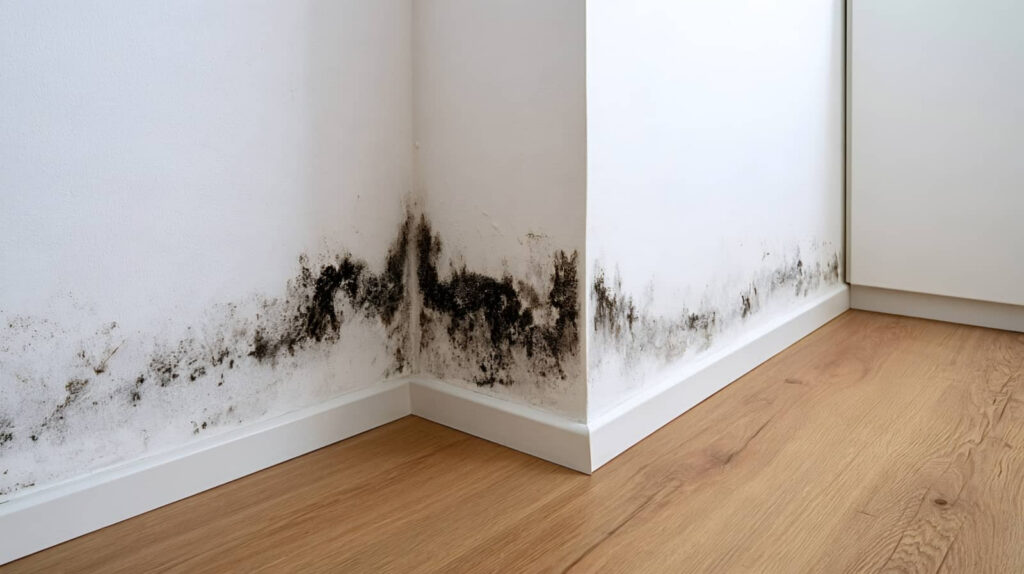
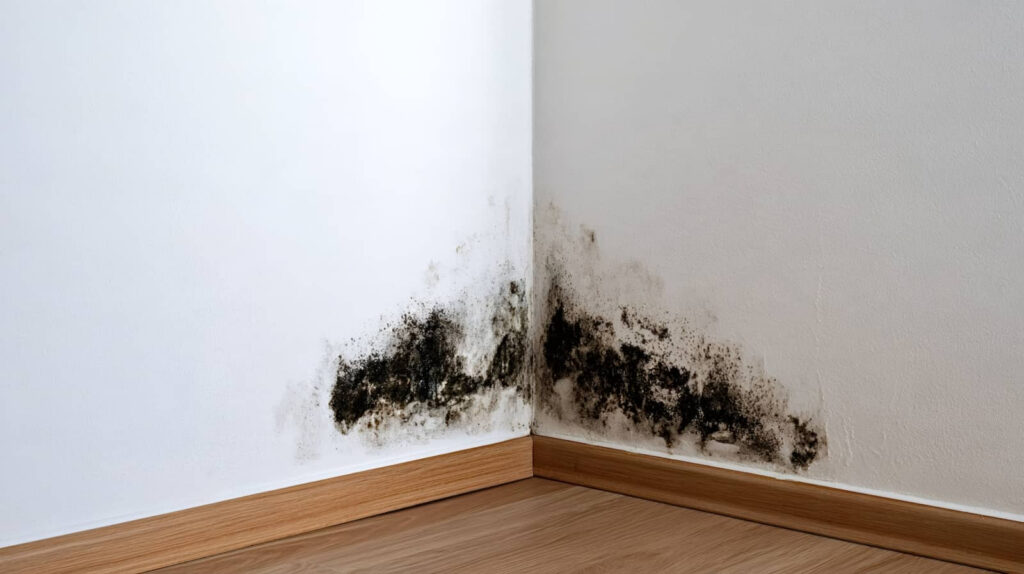
Look for damage indicators like water stains, warped flooring, or mold growth. Check walls and ceilings for discoloration or peeling paint, as these can signal underlying issues. Don’t forget hidden areas, such as behind appliances or under carpets.
Use a moisture meter if available, as it provides precise readings. Document everything with photos and notes. This assessment will guide your next steps, ensuring you address the problem effectively and minimize further damage.
Decide Between DIY and Professional Help
After evaluating the water damage, you’ll need to decide whether to tackle the repairs yourself or hire professionals.
Conducting a cost analysis is crucial here. Consider the following:
- Skills & Tools: Do you have the necessary skills and tools for the job? If not, DIY might lead to more problems.
- Repair Timeline: Can you commit the time needed for repairs? Professionals often work faster, minimizing further damage.
- Extent of Damage: Is the damage extensive? Large-scale issues may require expert intervention to ensure safety and compliance.
Choose Materials for Affordable Water Damage Repairs
Choosing the right materials for water damage repairs can greatly impact both the cost and effectiveness of your restoration efforts. Start by selecting budget-friendly materials that don’t compromise on quality.
For instance, consider using moisture-resistant drywall and vinyl flooring, as they offer durability without breaking the bank. You might also explore treated wood for structural repairs, ensuring long-lasting solutions.
Additionally, look for eco-friendly options like low-VOC paints and sealants; they’re cost-effective and better for your home’s environment.
Apply Affordable Repair Techniques
To effectively apply affordable repair techniques after water damage, start by evaluating the extent of the damage.
This evaluation will help you determine which DIY repair methods are suitable for your situation.
Assess Damage Extent
When you face water damage, accurately evaluating the extent of the damage is essential for determining the right repair approach.
Start by identifying the water types involved, as they influence both the damage and repair methods. Look for damage indicators that signal severity.
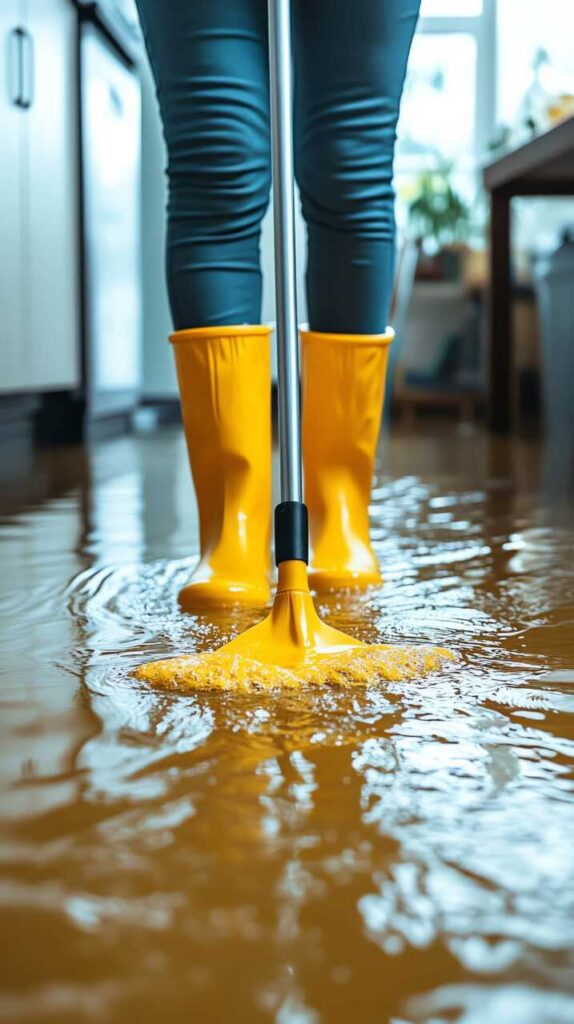
- Visible Water: Check for standing water, as this indicates immediate issues that require swift action.
- Discoloration: Inspect walls and ceilings for stains or bubbling, which can reveal hidden moisture and structural damage.
- Odor: Notice any musty smells, signaling potential mold growth that needs addressing.
DIY Repair Methods
While tackling DIY repairs after water damage might seem challenging, applying affordable techniques can restore your space effectively.
Begin with a thorough damage assessment; identify affected areas like walls, floors, and ceilings. Gather essential repair tools such as a moisture meter, dehumidifier, and basic hand tools.
For minor wall damage, patch holes with spackle and sand smooth. If flooring is warped, consider replacing individual boards rather than the entire section. Use mold-resistant paint to finish walls, ensuring a clean, fresh look.
Remember to prioritize safety by wearing gloves and a mask when dealing with mold.
How to Prevent Future Water Damage
Preventing future water damage requires proactive measures that address potential vulnerabilities in your home. By implementing effective drainage solutions and waterproofing techniques, you can safeguard your living space.
- Inspect Gutters and Downspouts: Regularly check for clogs and make sure they direct water away from your foundation.
- Seal Foundations: Use waterproofing techniques to seal any cracks in your foundation, preventing water seepage.
- Landscape Smartly: Grade the soil around your home to slope away from the foundation, improving drainage and minimizing pooling.
When to Call Experts for Water Damage and Mold
Ignoring signs of water damage can lead to serious issues, so knowing when to call experts is vital.
If you notice persistent dampness, strange odors, or visible mold, it’s time to take action.
Mold identification is essential—some types can pose significant health risks, especially for those with allergies or respiratory issues.
If the affected area exceeds a few square feet or if mold returns after cleaning, don’t hesitate to reach out to professionals.
They’ve the tools and expertise to assess the damage thoroughly and ensure proper remediation.
Remember, swift action can save you from costly repairs and serious health concerns down the line.
Don’t wait; your safety and home’s integrity depend on it.
Frequently Asked Questions
What Are Common Signs of Hidden Water Damage?
You’ll notice common signs of hidden water damage like leaky pipes, damp walls, musty odors, and ceiling stains. Watch for hidden mold and foundation issues, as these can indicate serious problems needing immediate attention.
How Long Does It Take for Water Damage to Show?
Water damage can show within hours of exposure, but the full damage timeline varies. You might see discoloration or mold growth within a few days, so addressing leaks promptly is essential to minimize long-term effects.
Can I File an Insurance Claim for Water Damage Repairs?
Yes, you can file an insurance claim for water damage repairs. Be sure to review your policy for coverage limits, as they dictate how much you can receive. Document everything to support your claim effectively.
What Tools Do I Need for DIY Water Damage Repairs?
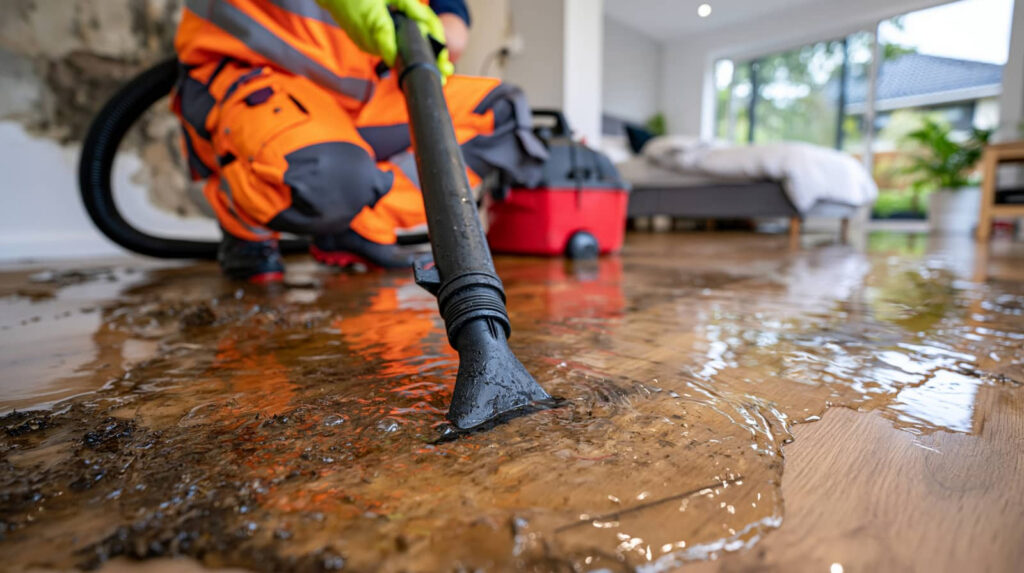
For DIY water damage repairs, you’ll need a wet/dry vacuum for water extraction, a utility knife for drywall replacement, a moisture meter, fans, and mold-resistant materials to ensure a thorough and effective restoration process.
How Can I Identify Mold After Water Damage?
To identify mold after water damage, look for dark spots, musty odors, and damp surfaces. Act promptly with mold removal techniques and implement mold prevention strategies to protect your space and promote a healthier environment.
Summary
In the domain of home repairs, tackling water damage may feel intimidating, but remember, even heroes start with a single step. By evaluating the damage, choosing the right materials, and employing DIY techniques, you can restore your space without breaking the bank. Don’t forget the preventative measures; they’re your shield against future storms. If the task overwhelms you, don’t hesitate to call in the experts. After all, even the mightiest need a helping hand sometimes.