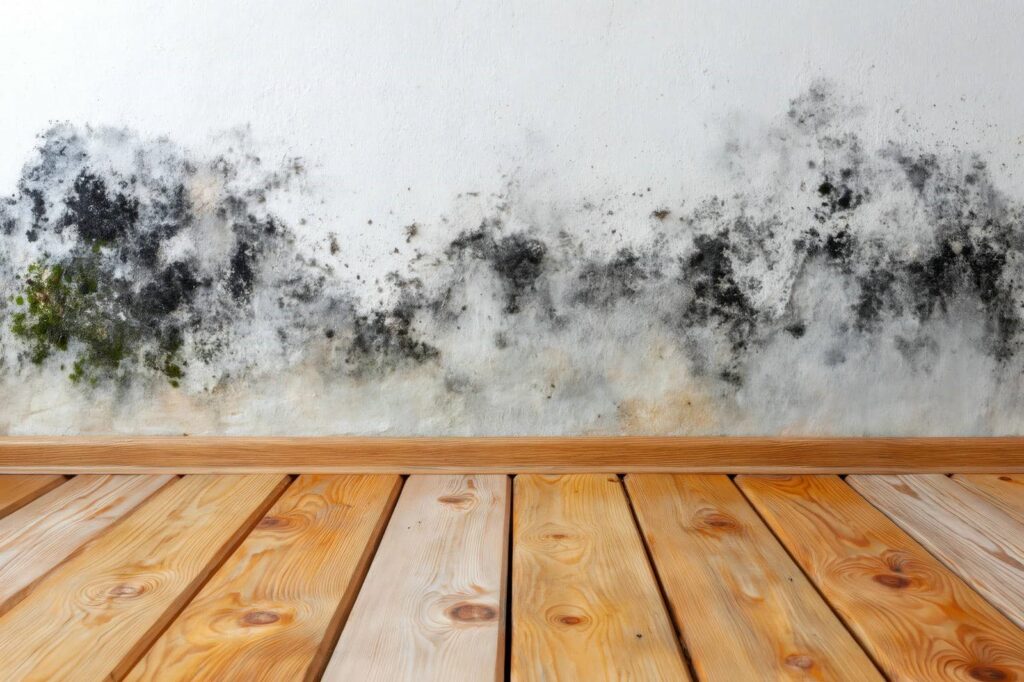
Mold can turn your dream home into a nightmare in the blink of an eye. You need to know how to identify and manage mold damage effectively. This guide provides you with the essential steps to assess and remediate mold issues. By understanding the risks and implementing preventive measures, you can protect both your health and property. But what happens when the damage is beyond your control? Let’s explore your options.
Key Takeaways
- Conduct thorough visual inspections in damp areas to identify mold and moisture issues early.
- Use personal protective equipment (PPE) and ensure proper ventilation during mold removal to safeguard health.
- Maintain indoor humidity levels between 30-60% to prevent mold growth and promote a healthier environment.
- Seek professional help for mold covering more than 10 square feet or if health issues arise in family members.
- Review your insurance policy for mold damage coverage and understand the claims process to ensure proper compensation.
How to Identify Mold Damage in Your Home?
When you suspect mold damage in your home, it’s essential to act quickly to prevent further issues.
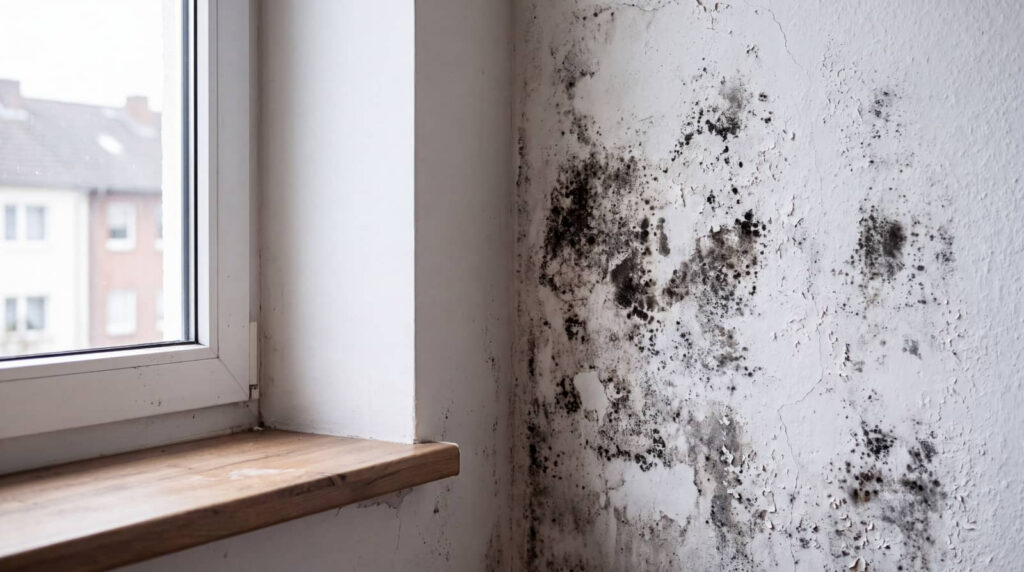
Start by employing effective mold detection techniques, such as visual inspections and moisture assessments. Look for common mold indicators like discoloration on walls, a musty odor, or peeling paint.
Check areas prone to dampness, including bathrooms, basements, and around windows. Use a moisture meter to measure humidity levels; anything above 60% can foster mold growth.
If you find mold, it’s vital to identify the source of moisture and address it immediately.
Remember, early detection protects your home and creates a healthier living environment for you and your family.
Take these steps seriously to safeguard your space.
Understanding Mold and Its Health Risks
Mold can pose significant health risks, affecting respiratory function and triggering allergic reactions.
You need to understand the types of mold exposure, as some molds release mycotoxins that can lead to serious health issues.
Recognizing these risks is essential for protecting yourself and your family.
Health Risks of Mold
Although often overlooked, the health risks associated with mold exposure can be significant and varied. You might experience mold allergies, leading to symptoms like sneezing, runny nose, or itchy eyes.
For some, mold can trigger serious respiratory issues, worsening conditions like asthma. Beyond physical effects, mold exposure can also impact your mental health, contributing to anxiety and depression.
Skin irritation is another common problem, with rashes or allergic reactions appearing upon contact. It’s essential to recognize that long-term effects can manifest as chronic illnesses, particularly in vulnerable groups like children or the elderly.
Types of Mold Exposure
Understanding the various types of mold exposure is essential for evaluating its health risks.
Black mold, a notorious type, produces toxic spores that can exacerbate mold allergies and respiratory issues.
You might encounter different mold types in your home, including household mold, which thrives in damp areas.
Fungal growth occurs when moisture sources, like leaks or high humidity, are present.
Mold spores, easily airborne, can lead to serious health concerns, especially for sensitive individuals.
Knowing the characteristics of toxic mold and its potential impact on your health helps you take proactive measures.
Regular inspections and timely remediation are vital in reducing exposure and maintaining a safe living environment for you and your family.
Evaluate the Extent of Mold Damage
How can you accurately assess the extent of mold damage in your space? Start by employing effective mold assessment techniques and moisture detection methods to pinpoint affected areas. Here’s how to evaluate the damage:
Visual Inspection: Look for visible mold growth, discoloration, or water stains on walls and ceilings.
Moisture Measurement: Use a moisture meter to identify high humidity areas that may not be visible.
Air Quality Testing: Conduct air sampling to detect mold spores and assess air quality.
Infrared Scanning: Utilize thermal imaging to uncover hidden moisture issues behind walls.
Safety Tips for Mold Removal
When you tackle mold removal, prioritizing safety is essential.
You’ll need to wear appropriate personal protective equipment, ensure proper ventilation, and follow safe disposal practices.
These steps protect your health and enhance the effectiveness of your mold remediation efforts.
Personal Protective Equipment Essentials
Mold removal requires the right personal protective equipment (PPE) to secure your safety and effectiveness during the process.
Using appropriate gear protects you and promotes a sense of belonging to a community that values safety.
Here are essential items you should consider:
Gloves Selection: Choose nitrile or rubber gloves to protect your hands from mold spores and cleaning solutions.
Respirator Types: Use an N95 respirator or a higher-level respirator to filter out airborne mold spores effectively.
Goggles: Wear safety goggles to shield your eyes from irritants and prevent contamination.
Protective Clothing: Opt for long-sleeved shirts and pants, preferably disposable, to minimize skin exposure.
Proper PPE secures you handle mold safely and confidently.
Ventilation and Airflow Importance
Making certain proper ventilation and airflow is essential during mold removal to minimize airborne spores and contaminants. You should assess your home’s ventilation systems before starting the process.
Open windows and doors to enhance airflow circulation, allowing fresh air to dilute mold spores. If possible, use fans to promote effective airflow, directing them toward open spaces to push contaminated air outside.
Make sure your HVAC system is functioning properly; consider running it in the exhaust mode to help remove airborne particles.
Safe Disposal Practices
Although it may seem straightforward, safe disposal practices are essential during mold removal to prevent further contamination and ensure your safety.
Here are some key guidelines to follow:
Use Biodegradable Bags: These help contain mold spores without harming the environment.
Seal Waste Properly: Confirm all materials, like drywall or insulation, are sealed tightly to prevent spore release.
Follow Local Regulations: Check your area’s guidelines for hazardous waste disposal, as mold can be considered hazardous.
Wear Protective Gear: Always use gloves and masks when handling moldy materials to protect yourself.
How to Remove Mold Yourself
When dealing with mold in your home, taking immediate action is essential to prevent further damage and health risks.
Start by identifying the affected areas and ensuring proper ventilation. Use mold removal techniques like scrubbing with a mixture of water and detergent or a DIY mold solution, such as vinegar or hydrogen peroxide.
Always wear protective gear, including gloves and a mask, to safeguard your health. For porous materials, like drywall, it’s often best to discard them entirely.
After cleaning, thoroughly dry the area to inhibit future growth. Regularly inspect for moisture issues, as prevention is key.
When to Call in Professional Mold Remediation?
You’ve successfully tackled some mold removal on your own, but knowing when to call in professional mold remediation is essential for ensuring complete safety and effectiveness.
Here are four key indicators that you need a professional assessment:
Widespread Growth: If mold covers more than 10 square feet, it’s time to call experts.
Persistent Odors: Ongoing musty smells indicate hidden mold you can’t see.
Health Issues: If you or family members experience respiratory problems or allergic reactions, seek professional help.
Ineffective DIY Methods: If your attempts at removal haven’t worked, don’t hesitate to enlist professionals.
Using advanced mold detection methods, professionals can provide a thorough assessment, ensuring your home is safe and mold-free.
What to Do After Removing Mold?
After removing mold, it’s crucial to take immediate steps to prevent its return and secure a safe environment. Start with a thorough post removal inspection to verify all mold has been eradicated and no hidden spores remain.
Use mold remediation techniques, such as HEPA vacuuming and damp wiping, to clean surfaces effectively.
Next, monitor humidity levels in your home, keeping them between 30-60%, and maintain proper ventilation in areas like bathrooms and kitchens.
Seal any cracks or gaps in walls and foundations to block moisture entry.
Finally, consider applying a mold-resistant paint or sealant to affected areas for added protection.
Taking these precautions strengthens your home’s resilience against future mold growth and fosters a healthier living space for you and your family.
How to Prevent Future Mold Growth
Preventing future mold growth requires a proactive approach following mold removal. To effectively safeguard your home, implement these strategies:
Use Mold-Resistant Materials: When renovating, opt for mold-resistant drywall and paints to create a less hospitable environment for mold.
Control Humidity: Keep indoor humidity levels below 60% using dehumidifiers or air conditioning, especially in damp areas like basements.
Ensure Proper Ventilation: Install exhaust fans in kitchens and bathrooms to reduce moisture buildup and improve air circulation.
Regular Inspections: Frequently check areas prone to moisture, such as under sinks and around windows, to catch potential issues early.
Handling Mold Damage Insurance Claims
When dealing with mold damage, understanding how to navigate insurance claims can remarkably ease the recovery process.
Start by reviewing your insurance policy to identify coverage limits and specific mold damage provisions. Familiarize yourself with the claim process and its documentation requirements, including photos and repair estimates.
When you file your claim, maintain open adjuster communication to clarify any questions and ensure all necessary details are included. Be aware of common denial reasons, such as lack of coverage or insufficient evidence.
Set realistic timeline expectations for the claims process, as it can vary considerably.
Finally, prepare for settlement negotiation by gathering supporting documentation and being ready to discuss your needs, making sure you achieve a fair resolution.
Frequently Asked Questions
Can I Paint Over Mold Instead of Removing It?
You can’t just paint over mold; it’ll grow through. Instead, focus on mold prevention strategies and proper surface preparation techniques. Remove the mold first, ensuring a clean, safe environment before applying any paint.
How Quickly Can Mold Grow After Water Damage?
Mold can start growing within 24 to 48 hours after water damage occurs. To prevent extensive mold growth, you need to address any moisture immediately, ensuring your space stays healthy and safe for everyone.
What Household Products Are Effective Against Mold?
You can’t let mold take over! For effective mold prevention, use household cleaning solutions like vinegar, baking soda, or hydrogen peroxide. These powerful allies can help you keep your home fresh and mold-free.
Does Mold Removal Ensure My Home Is Mold-Free?
No, mold removal doesn’t ensure your home is mold-free. To secure safety, use mold detection methods regularly and follow mold prevention tips to minimize future growth and maintain a healthier living environment.
How Much Does Professional Mold Remediation Typically Cost?
Professional mold remediation costs typically range from $500 to $6,000, depending on factors affecting pricing like the extent of the infestation, location, and necessary repairs. Understanding these factors helps you budget effectively for remediation.
Recap
By mastering mold damage repair, you’re not just battling an unwelcome guest; you’re fortifying your home against a silent infiltrator. With the right knowledge and tools, you can create a sanctuary free from mold’s grasp. Remember, early detection and proactive measures are your best allies. Whether you choose to tackle it yourself or call in the pros, staying informed will empower you to protect your home and health for years to come.