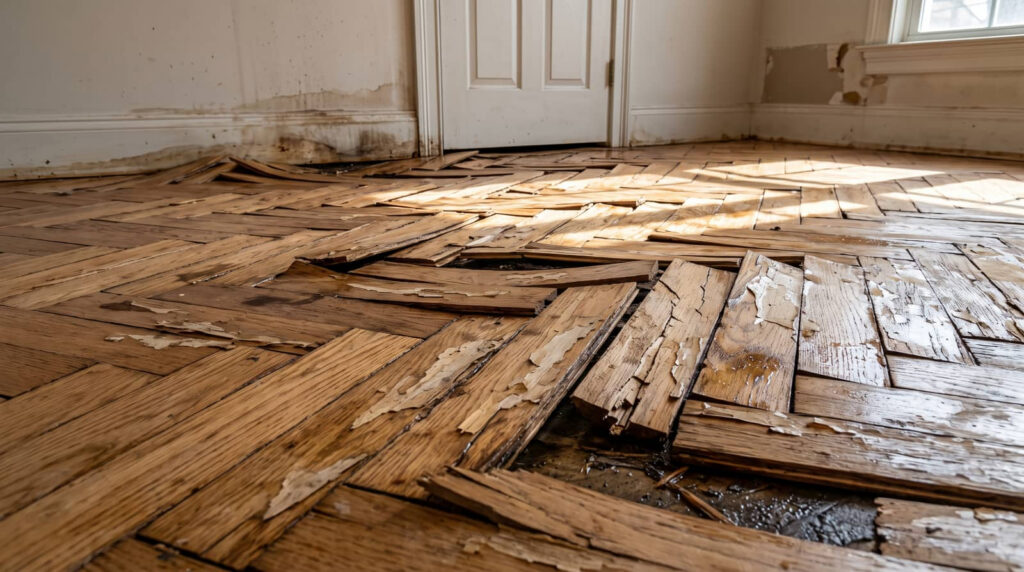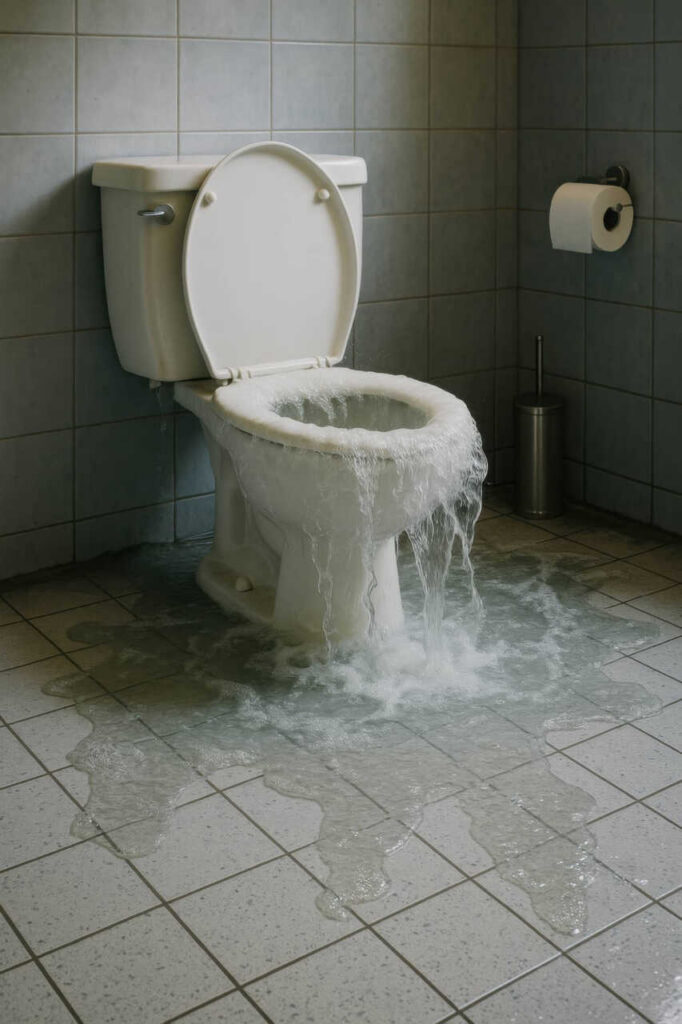
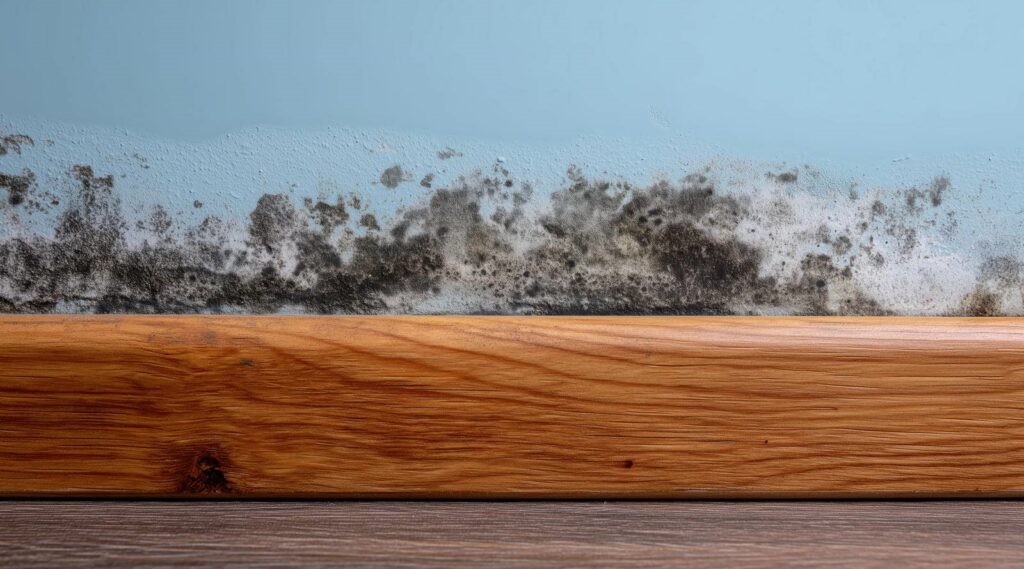
You might not realize that mold can start growing within 24 to 48 hours after water exposure. Recognizing this urgency is key to safeguarding both your health and property. Proper assessment and remediation involve a systematic approach, utilizing specific tools and techniques. Not all mold issues are the same, and understanding how to identify and address them effectively is essential. What steps should you take to ensure a thorough inspection and safe removal?
Key Takeaways
- Regularly inspect high-risk areas, like basements and bathrooms, for visible mold, musty odors, and moisture signs to catch issues early.
- Understand health risks associated with mold exposure, especially for vulnerable individuals, to prioritize safety in mold management.
- Utilize professional tools, such as HEPA vacuums and moisture meters, for effective mold inspection and removal.
- Maintain indoor humidity below 60% and use dehumidifiers to prevent mold growth in moisture-prone areas.
- Seek professional help for extensive mold infestations to ensure thorough assessment and safe remediation processes.
How to Assess Mold Damage: A Step-by-Step Guide
When evaluating mold damage, start by thoroughly inspecting the affected areas, focusing on places with high moisture levels, like basements or bathrooms.
Use mold testing methods, such as air sampling or surface swabs, to identify the type and extent of the mold present. This information is essential for determining the appropriate response.
Document your findings with photos and notes to track the severity over time.
For smaller infestations, consider DIY mold solutions like vinegar or baking soda, which can effectively eliminate surface mold.
However, if the damage is extensive, it’s best to consult a professional.
Understanding Mold Basics
To effectively assess mold damage, you need to understand the basics of mold, including its various types, potential health risks, and the ideal conditions for growth.
Different molds can pose different threats, so recognizing them is essential.
Types Of Mold
Mold, a ubiquitous organism found in various environments, comes in several types, each with distinct characteristics and implications for health and property.
Among the mold types, black mold, or Stachybotrys chartarum, is notorious for its toxicity. Toxic mold can pose serious risks, particularly in indoor environments where mold spores proliferate.
Allergenic mold, such as Aspergillus and Penicillium, can trigger allergic reactions, making mold identification essential for maintaining a healthy space.
Pathogenic mold, like certain species of Fusarium, can lead to infections, especially in immunocompromised individuals.
Understanding these differences helps you manage mold effectively and safeguard your well-being and property.
Being informed empowers you to take proactive steps in mold remediation and prevention.
Health Risks Associated
Understanding the different types of mold is essential, as they can greatly impact health. Mold exposure can lead to mold allergies, causing sneezing, runny noses, and skin irritations.
For many, it doesn’t stop there; mold can trigger respiratory issues, complicating conditions like asthma. If you have a weakened immune response, you’re particularly vulnerable to toxic exposure, which may result in serious long-term effects.
Chronic conditions can worsen with ongoing exposure, making awareness important. Recognizing mold as an asthma trigger is critical for maintaining well-being.
Ideal Growth Conditions
While you mightn’t realize it, mold thrives in specific conditions that can easily be found in many homes.
To effectively manage mold growth, you need to understand these ideal growth conditions. Here are three key factors:
Moisture: High humidity levels or water leaks create a perfect environment for mold.
Temperature: Mold prefers temperatures between 60°F and 80°F, which aligns with typical indoor climates.
Organic Material: Mold can feed on materials like wood, drywall, and fabric, making common household items potential breeding grounds.
Identifying Signs of Mold Damage
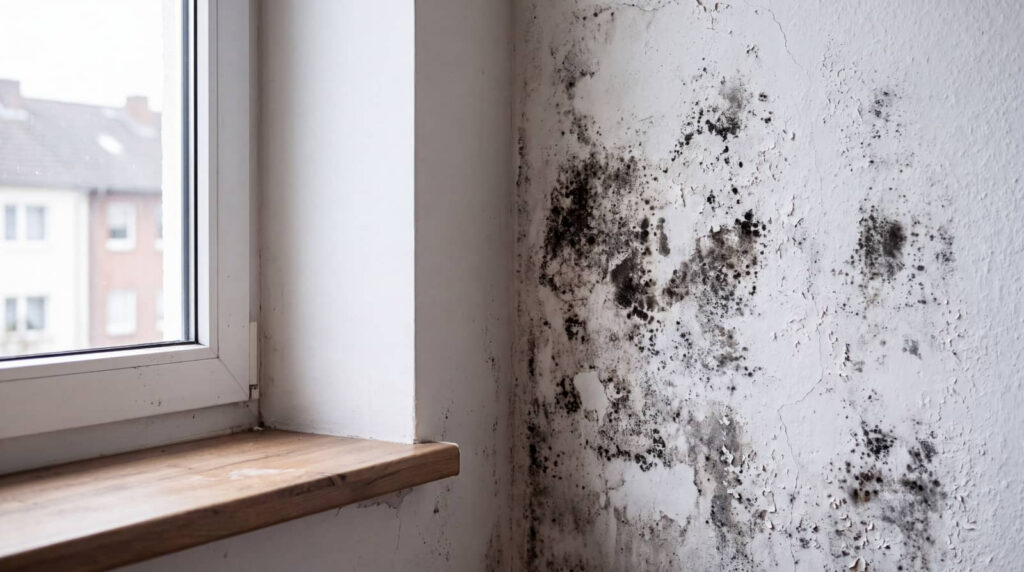
Detecting mold damage early can prevent significant health risks and costly repairs. Start by familiarizing yourself with common mold indicators, like musty odors, discoloration on walls, or visible growth in damp areas.
Use mold identification techniques, such as checking for water stains or moisture in hidden spaces, like behind appliances or under sinks. Pay attention to peeling paint or wallpaper, which can signal underlying mold issues.
If you notice respiratory problems or allergic reactions among household members, it may also indicate mold presence. Regular inspections in high-risk areas can help you catch mold early.
Why You Should Assess Mold Early?
Evaluating mold early is essential for protecting your health, as prolonged exposure can lead to serious respiratory issues.
Timely assessments also safeguard your property’s value by preventing extensive damage that can be costly to repair.
Health Risk Mitigation
Since mold can proliferate rapidly in damp environments, early assessment is essential for mitigating health risks. Ignoring mold can lead to serious health issues, including mold allergies, respiratory issues, and skin irritations.
Additionally, prolonged exposure may trigger fungal infections and adversely impact your immune response, leading to long-term effects on both physical and mental health.
To effectively mitigate these risks, consider the following:
- Identify and eliminate sources of moisture to prevent mold growth.
- Conduct regular inspections in vulnerable areas, like basements and bathrooms.
- Seek professional help for thorough assessments and remediation if mold is detected.
Taking these steps can help you maintain a healthier living environment and reduce the risk of chronic conditions linked to mold exposure.
Property Value Protection
When you overlook mold issues, you risk your health and your property’s value. Mold can compromise structural integrity, leading to costly repairs that may deter potential buyers.
Early assessment is vital; it helps you identify and address mold before it escalates, preserving your property value. Buyers often perceive mold as a red flag, impacting market value and negotiations.
A proactive approach protects your investment while enhancing your home’s appeal. By addressing mold promptly, you signal to potential buyers that your property is well-maintained, reducing concerns about hidden damage.
Ultimately, early mold assessment is essential for safeguarding your property value and ensuring a favorable market impact when it’s time to sell.
Preventing Further Damage
Ignoring mold issues can lead to significant problems beyond property value loss.
Early assessment is vital for preventing further damage. By addressing mold promptly, you can maintain your home’s structural integrity and protect your health.
Here are three essential strategies:
Moisture Control: Implement drainage solutions to prevent water accumulation and establish effective humidity management practices.
Ventilation Improvement: Enhance air circulation with insulation upgrades and regular cleaning protocols to reduce mold growth.
Routine Inspections: Schedule regular checks to identify potential mold problems early, allowing for timely surface treatments and air purification.
Tools for Effective Mold Damage Inspection
To effectively assess mold damage, having the right tools at your disposal is vital. Start with mold inspection tools like a high-efficiency particulate air (HEPA) filter vacuum, which captures spores and prevents their dispersion.
A moisture meter is essential for moisture detection; it helps identify damp areas that may harbor mold. Infrared thermometers can reveal temperature variations that indicate hidden leaks or dampness.
Don’t overlook a flashlight with a UV filter for spotting mold growth in dark spaces. Finally, invest in personal protective equipment (PPE) to ensure your safety during inspection.
Safe Techniques for Mold Removal
Having the right tools sets the stage for effective mold remediation, but understanding safe techniques is equally important.
Implementing proper methods ensures both your safety and the effectiveness of your cleanup. Here are three key tips:
Use Safety Equipment: Always wear gloves, masks, and goggles to protect yourself from spores and irritants.
Incorporate Natural Remedies: Consider DIY techniques like vinegar or baking soda, which can effectively combat mold while maintaining air quality.
Confirm Adequate Ventilation: Utilize ventilation systems during the cleanup to control moisture and promote airflow, reducing the risk of future growth.
When to Hire Professional Mold Remediation?
While tackling mold on your own can be effective for minor issues, knowing when to call in professionals is essential for larger infestations or complex situations.
If you notice extensive mold growth, especially in hidden areas, it’s time to seek help. Follow mold inspection guidelines to determine if you’re facing a serious problem.
Additionally, if you experience health symptoms like respiratory issues, don’t hesitate to contact experts. They’ll conduct a thorough evaluation using professional assessment criteria to identify the extent of the issue and ensure safe remediation.
Best Practices for Preventing Future Mold Growth
Preventing future mold growth requires a proactive approach to moisture control and home maintenance. Implementing effective strategies can greatly enhance your indoor air quality and protect your home from mold-related issues.
Here are three best practices to take into account:
Humidity Control: Maintain indoor humidity levels below 60% using dehumidifiers and ventilation systems.
Regular Inspections: Conduct routine checks for water leak prevention, especially in basements and around windows.
Use Mold-Resistant Materials: Incorporate mold-resistant materials and surface treatments in areas prone to moisture, such as bathrooms and kitchens.
Additionally, verify proper landscaping drainage to divert water away from your home’s foundation.
Understanding Mold Remediation Costs
Even with proactive measures in place, mold can still become a problem, leading to the need for remediation services. Understanding the mold assessment factors is essential as they directly influence remediation cost variations.
Factors such as the extent of the infestation, the type of mold present, and the materials affected all play a significant role in determining the final price. For instance, extensive growth in hard-to-reach areas often necessitates more labor and specialized equipment, increasing costs.
Additionally, if structural repairs are needed, this will further elevate the overall expense. By being aware of these factors, you can better prepare for the financial implications of mold remediation and ensure you’re making informed decisions for your home’s health.
Frequently Asked Questions
Can Mold Cause Health Issues in Pets?
Yes, mold can cause health issues in pets. You might notice mold symptoms like sneezing or skin irritations due to mold exposure. Always seek veterinary advice if you suspect pet allergies related to mold.
How Long Does Mold Remediation Typically Take?
Mold remediation typically takes one to five days, depending on mold growth factors like severity and size. Understanding these remediation timelines helps you plan effectively, ensuring a healthier environment for both you and your pets.
What Should I Do With Moldy Belongings?
You should assess moldy belongings immediately. Use proper mold removal methods to clean or discard items. Salvaging items depends on their material and extent of contamination; consult professionals for guidance on restoration versus disposal.
Will Painting Over Mold Resolve the Issue?
Painting over mold won’t resolve the issue. Surface treatments can mask mold growth temporarily, but they don’t eliminate it. You must address the underlying moisture problem and properly remediate the mold for lasting results.
Can I Prevent Mold Without Professional Help?
Yes, you can prevent mold without professional help. Utilize mold prevention tips like maintaining low humidity, ensuring proper ventilation, and applying DIY mold solutions such as vinegar or baking soda for effective results in your home.
Review
Addressing mold damage promptly is essential for safeguarding your health and property. Mold is a common issue in many homes across the U.S., which underscores the importance of regular inspections and proactive measures. By utilizing the right tools and techniques, you can effectively assess and remediate mold issues. Remember, keeping indoor humidity below 60% and using mold-resistant materials can greatly reduce future risks. Stay vigilant and protect your space.