24/7 mold remediation response means you can get help any time mold appears, day or night. You call for an immediate assessment, and the team checks moisture sources, contains the affected area, and starts air filtration to limit spread. You also get clear updates on what they find and what comes next. The real value is speed, because mold and water damage can escalate before you realize it.
Key Takeaways
- 24/7 mold remediation response provides immediate, around-the-clock help for urgent mold problems.
- It starts with rapid inspection, moisture source assessment, and containment of affected areas.
- The goal is to limit mold spread, protect indoor air quality, and reduce health risks.
- Services often include moisture mapping, air filtration, removal of contaminated materials, and antimicrobial treatment.
- Clear communication and fast action help stabilize conditions and prevent more extensive damage.
What Is 24/7 Mold Remediation Response?
24/7 mold remediation response means you can get immediate, around-the-clock help when mold is discovered or suspected, no matter the time of day.
You’re supported by a team that assesses moisture sources, contains affected areas, and begins removal protocols fast. The goal is to limit spread, protect indoor air quality, and restore safe conditions with minimal disruption.
You’ll typically receive inspection, moisture mapping, air filtration, and targeted cleanup using professional-grade equipment. Clear communication keeps you informed, so you know what’s happening and why.
Reliable mold prevention strategies may also be recommended, such as fixing leaks and improving ventilation.
Practical emergency response tips help you act quickly, document damage, and reduce exposure while you wait for service.
When Do You Need Emergency Mold Removal?
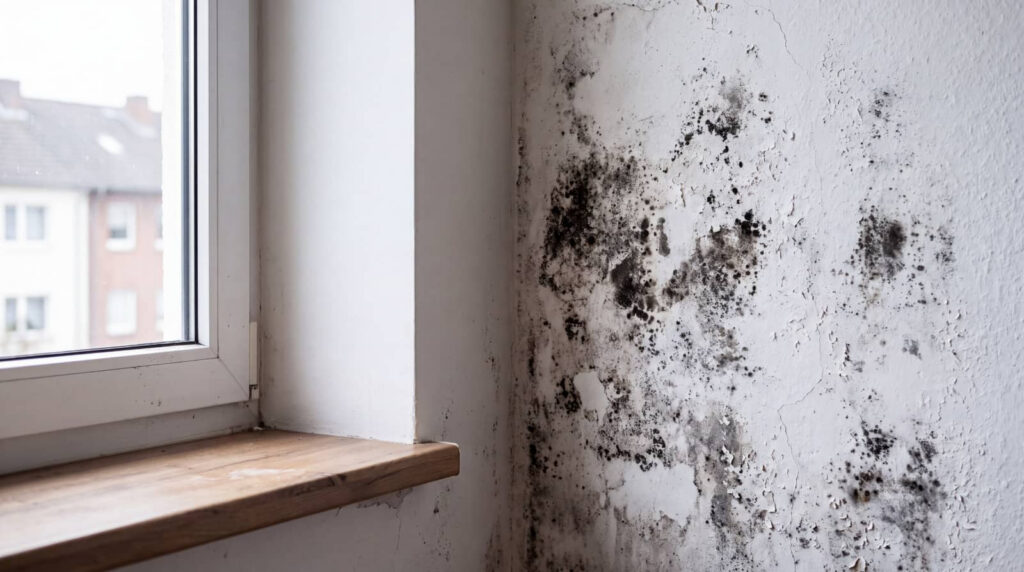
You need emergency mold removal when you see visible mold spreading across walls, ceilings, or flooring, especially after a leak or flood.
You should also act fast if you notice water damage signs like staining, warping, musty odors, or damp materials that won’t dry out.
If you or others have health risk symptoms such as coughing, wheezing, eye irritation, or headaches, you should treat the issue as urgent.
Visible Mold Spread
A rapidly expanding patch of mold often signals that moisture is actively feeding growth and that emergency mold removal may be necessary. You should act fast when you see visible mold spread across drywall, baseboards, ceilings, or HVAC vents, because mold growth can outpace routine cleaning.
- Check whether the area enlarges daily.
- Note any surface texture changes.
- Isolate the room to limit contact.
- Call a qualified team for assessment.
Early action helps protect your household and supports the prevention techniques you already use. You belong in a space that stays controlled, clean, and safe.
When spread becomes obvious, don’t wait for it to stabilize; prompt response reduces contamination and keeps your remediation plan focused.
Water Damage Signs
When water damage keeps returning or spreads beyond the original source, emergency mold removal may be necessary.
You should watch for stained drywall, warped flooring, peeling paint, musty odors, and damp insulation. If water keeps seeping from walls, ceilings, or baseboards after drying, hidden growth may already be active.
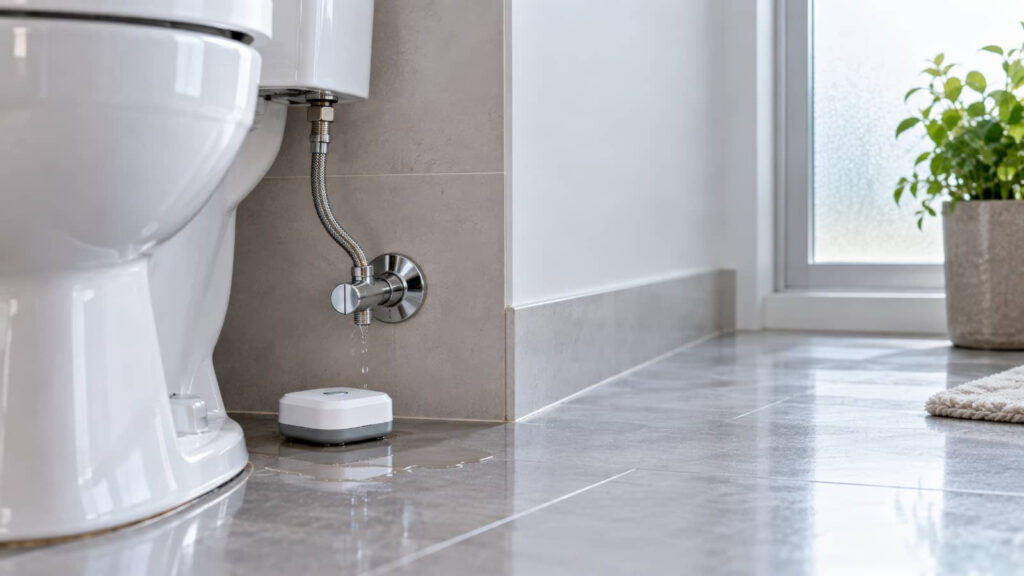
You’ll also want to check for saturated carpets, swollen trim, and discoloration around vents or plumbing. Fast response matters because lingering moisture feeds contamination.
Use professional water extraction techniques to remove standing water, then dry structural materials quickly with airflow and dehumidification.
Follow mold prevention tips by fixing leaks, improving drainage, and monitoring humidity.
When you notice these signs, you’re not overreacting—you’re protecting your space, your routine, and the people who count on it.
Health Risk Symptoms
If health symptoms appear or worsen after a leak or flood, emergency mold removal may be necessary. You need symptom awareness because mold exposure can affect your airways and immune response.
Watch for health implications such as coughing, wheezing, eye irritation, skin rashes, headaches, and sinus pressure. If you’re part of a household with children, older adults, or anyone with asthma, act faster.
- Persistent cough or shortness of breath
- New or worsening allergy-like symptoms
- Fever, fatigue, or brain fog
- Symptoms improving away from the building
When these patterns show up, treat the space as contaminated and request urgent assessment. Fast action helps protect your group, limits exposure, and supports a safer return to normal living.
How 24/7 Mold Response Works
24/7 mold response starts with rapid intake, where you call or submit a service request and a technician gathers key details about the moisture source, affected areas, and any visible growth.
You then get a prompt site visit so the team can verify conditions, identify mold types, and choose remediation methods that fit your building’s needs. They document spread, assess humidity, and map affected materials to guide a focused plan.
Next, they isolate the work zone, set safe access, and coordinate testing or inspection if needed. You stay informed through each step, so you know what’s happening and why.
This process helps you feel supported, keeps decisions clear, and moves your property toward controlled, professional mold response without unnecessary delay.
What Emergency Mold Cleanup Covers
Emergency mold cleanup typically covers containment, moisture control, contaminated material removal, HEPA vacuuming, antimicrobial treatment, and final drying verification.
You’ll get a focused process that helps you protect your space and feel supported during a stressful event. Technicians seal the area, identify active moisture sources, and remove porous items that can’t be cleaned.
Then they clean settled spores and treat remaining surfaces.
- Set up containment and negative pressure.
- Stop the moisture source and dry affected areas.
- Remove contaminated materials and vacuum with HEPA tools.
- Apply antimicrobial agents and verify dryness.
These steps align with emergency readiness and practical mold prevention tips. You stay informed, limit exposure, and keep your home or business on a safer path.
Why Fast Cleanup Prevents More Damage
Fast cleanup limits how far mold can spread, since moisture, spores, and damaged materials can worsen quickly once growth starts. You reduce the chance that drywall, insulation, and framing absorb deeper contamination when you act at once.
Rapid removal also helps you keep indoor air quality steadier, so you and your household feel more comfortable and protected. By drying affected areas fast, you cut off the conditions mold needs to keep growing. That’s why timely response matters more than waiting for visible expansion.
It’s a key part of preventative measures, because early action lowers repair scope and helps you avoid bigger setbacks. With fast cleanup, you’re also setting up long term solutions that support safer, more stable conditions and less future disruption.
What a Mold Inspection Covers
During a mold inspection, you’ll get a visual damage assessment to identify staining, growth, and material deterioration.
The inspector will also trace moisture sources, such as leaks or condensation, that support fungal growth.
If needed, they’ll take air quality samples to measure airborne mold levels and support the findings.
Visual Damage Assessment
A mold inspection starts with a visual damage assessment that identifies where moisture, staining, warping, and visible fungal growth are present. You’ll get a clear damage assessment of affected rooms, surfaces, and materials, so you can understand the extent of mold growth without guesswork.
Inspectors document findings with notes and photos, then compare patterns across walls, ceilings, floors, and trim.
- Visible colonies on porous surfaces
- Discoloration, spotting, or dark staining
- Swelling, buckling, or warped finishes
- Deteriorated drywall, wood, or insulation
This step helps you see what’s compromised and where remediation may need to begin.
It also gives your team a shared baseline, so everyone’s aligned on the problem and the next move.
Moisture Source Detection
The next step is to locate the moisture source that’s feeding mold growth, because without fixing it, remediation won’t hold.
You’ll see your inspector trace water intrusion with moisture mapping, using meters and thermal tools to compare wet and dry areas. This process helps you identify patterns behind walls, under flooring, and around ceilings, so the team can narrow leak identification fast.
They’ll check plumbing runs, roof penetrations, HVAC condensate, window seals, and foundation seepage, then connect each reading to the visible damage you already noticed.
You’re not guessing anymore; you’re building a clear repair plan with your crew.
Once the source is confirmed, you can stop recurring dampness, protect your space, and move forward with confidence together.
Air Quality Sampling
Once the moisture source is identified, your mold inspection can move into air quality sampling to measure what’s actually circulating in the space.
You’ll get a clearer view of hidden contamination because technicians collect air samples from target rooms and compare them with outdoor controls. This process checks whether mold spores are elevated, distributed unevenly, or tied to specific damp zones.
- Set baseline outdoor air quality
- Sample affected indoor rooms
- Analyze spore type and count
- Compare results to normal conditions
With these data, you can understand whether cleanup is needed and where to focus it.
Air quality sampling doesn’t replace visual inspection, but it strengthens your findings. It helps you and your team make faster, more confident remediation decisions.
How Water Damage Leads to Mold
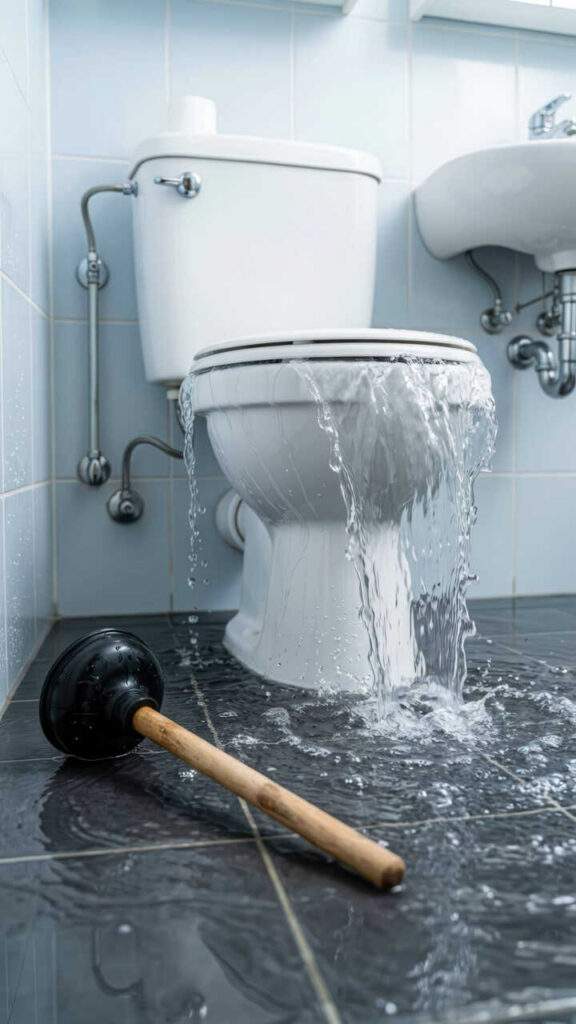
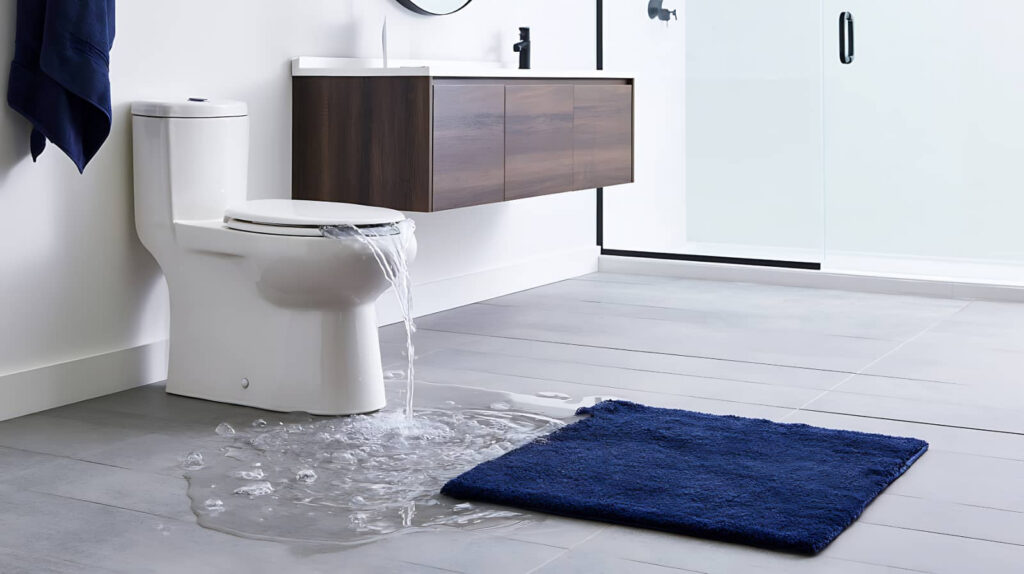
When water enters drywall, flooring, insulation, or framing, it raises moisture levels enough for mold spores to activate and colonize within 24 to 48 hours.
You can think of water leaks as the trigger that turns hidden building materials into a growth site. Porous surfaces hold moisture, and trapped humidity slows drying, so mold growth spreads behind walls, under floors, and inside cavities you can’t easily see.
If you leave wet materials in place, microbial activity increases and odors often follow. Fast drying, dehumidification, and removal of saturated contents reduce risk and help you protect your space.
When you respond early, you join the group of homeowners who stop damage before it expands.
Why Certification Matters in Mold Cleanup
Certification matters in mold cleanup because trained technicians know how to assess contamination, contain spread, and remove affected materials without making the problem worse.
When you choose certified help, you’re aligning with remediation standards that reduce exposure and improve control. Certification importance shows up in the details:
- Proper containment limits airborne spores.
- Verified procedures support safe material removal.
- Documentation helps you track scope and progress.
- Ongoing training keeps methods current.
You deserve a team that follows tested protocols, uses calibrated equipment, and understands moisture dynamics.
That technical discipline helps protect indoor air quality and your property’s structure. In a response setting, certification isn’t just a credential; it’s a signal that your cleanup follows accepted remediation standards and respects your need for a safe, reliable result.
How to Choose a Certified 24/7 Mold Team
How do you choose the right 24/7 mold team? You check for current certifications, insurance, and documented experience in emergency response.
Ask whether the crew uses industry-approved containment, negative air control, and mold removal techniques matched to your building material. A strong team explains testing, moisture mapping, and drying goals in clear terms, so you know what’s happening at every step.
You should confirm that certified professionals answer the call, inspect quickly, and provide a written scope with timelines and safety procedures.
Look for transparent pricing, local references, and a rapid dispatch system. When you choose a team like this, you protect your property and join a community that values fast, competent restoration.
Summary
When mold appears, you need fast action, not delay. A 24/7 mold remediation response is your shield, stopping spread, protecting air quality, and finding the moisture source before damage grows. Think of it as turning on a light in a dark, damp room: you see the problem clearly and can fix it with control. With certified help, you can restore your space safely, quickly, and with confidence, day or night.