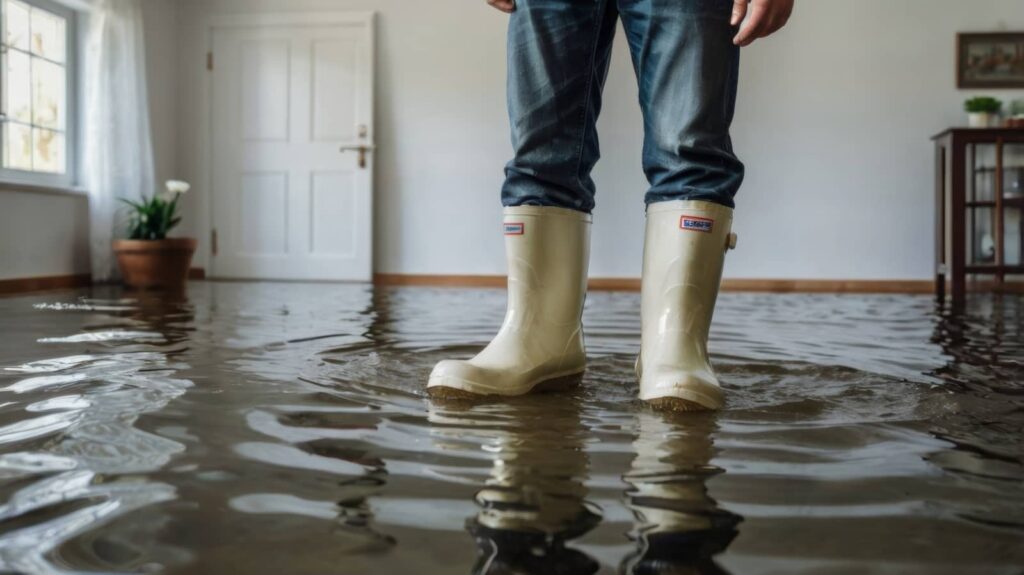

Imagine you return home after a heavy storm to find your basement submerged in water, damaging your belongings and threatening your property’s integrity. Understanding how to assess the extent of flood damage is vital, as is knowing how to navigate the tricky waters of insurance claims. With the right guidance, you can effectively manage the repair process and even take steps to prevent future incidents. So, what are the essential strategies you need to implement?
Key Takeaways
Assess flood damage thoroughly, documenting findings with photos and notes to support insurance claims and restoration efforts.
Choose a licensed and experienced repair service with expertise in flood damage restoration and necessary certifications.
Understand the repair process, including material removal, drying, sanitizing, and ongoing communication with the restoration team.
Implement preventative measures like waterproofing, sump pumps, and proper drainage maintenance to reduce future flood risks.
Utilize community resources and support systems for emotional and logistical assistance during the recovery process.
What Flood Damage Means for Your Property
When your property experiences flood damage, it can affect every aspect of your home, from structural integrity to personal belongings. Different flood types—like flash floods, river floods, and storm surges—can lead to varying property impacts.
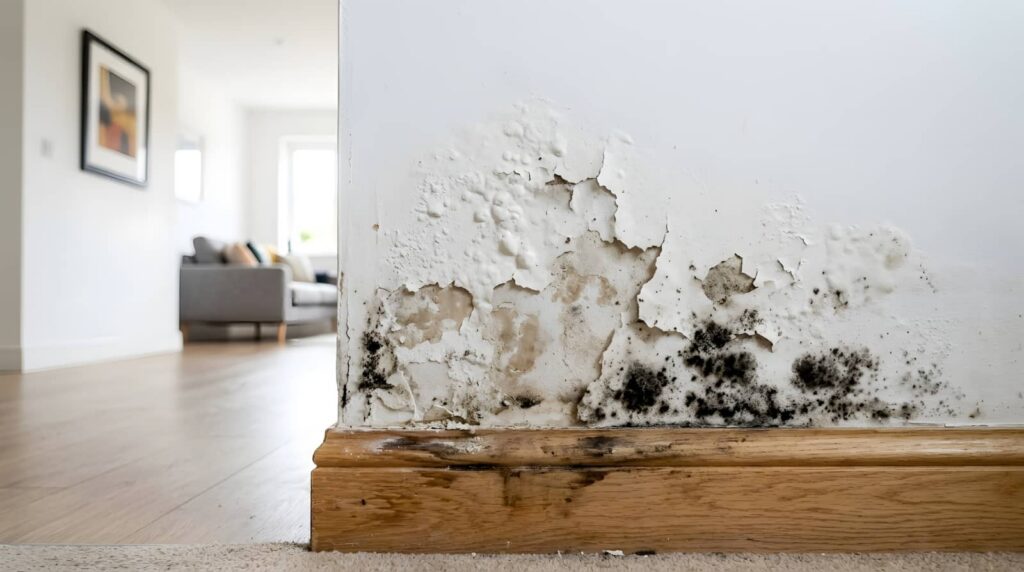
For instance, standing water can weaken foundations, while sediment and debris may clog drainage systems, exacerbating the damage. Walls and flooring often absorb moisture, creating a breeding ground for mold, which can threaten your family’s health.
Personal items, from furniture to cherished mementos, may be irreparably damaged. Understanding these impacts is essential for prioritizing repairs and ensuring your home regains its safety and comfort.
You’re not just restoring a building; you’re reclaiming the heart of your home, where memories reside.
Essential Steps to Assess Flood Damage
When evaluating flood damage, start with a thorough visual inspection to identify visible issues.
Next, gauge the water level to determine the extent of the flooding, and then evaluate the structural integrity of your property to ensure it’s safe.
These steps are essential for understanding the full impact and planning your next moves effectively.
Visual Inspection Process
A thorough visual inspection is essential for accurately evaluating flood damage. Start by gathering your inspection tools, like moisture meters and infrared cameras, to enhance your detection techniques.
Carefully examine walls, ceilings, and floors for signs of water intrusion, such as discoloration or warping. Don’t forget to check hidden areas, like behind appliances or inside cabinets, where mold may be lurking.
Document your findings with photos and notes; this creates a clear record of the damage. As you assess each space, remember that empathy is key—many are facing emotional challenges during this time.
Your attention to detail helps in repair planning and fosters a sense of community and support for those affected.
Water Level Assessment
Evaluating the water level after a flood is crucial for determining the extent of damage and planning effective repairs.
Accurate assessments help you understand the situation better and connect with your community’s needs. Here are essential steps to follow:
Identify Water Level Indicators: Use markers, debris lines, or water stains to gauge how high the water reached.
Consult Flood Zone Mapping: Refer to local flood zone maps to understand the area’s vulnerability and potential long-term impacts.
Document Findings: Take photos and notes of water levels for insurance claims and future reference.
Structural Integrity Evaluation
Evaluating the structural integrity of your home after a flood is essential for ensuring safety and guiding repairs.
Start with a thorough foundation assessment; check for cracks, shifts, or signs of settling. These issues can compromise your home’s structural resilience.
Next, inspect load-bearing walls, beams, and columns for any warping or damage. Don’t overlook the roof and attic spaces, as water can weaken materials here too.
Document your findings and consult with a structural engineer if you notice significant damage. Their expertise can provide peace of mind and help you understand the necessary repairs.
Choosing a Flood Damage Repair Service
When choosing a flood damage repair service, it’s essential to verify their credentials and licensing to ensure you’re working with qualified professionals.
You should also assess their experience and expertise in handling similar situations, as this can greatly impact the effectiveness of the repairs.
Finally, evaluate the service options they offer to ensure they meet your specific needs and restore your home efficiently.
Verify Credentials And Licensing
Before you hire a flood damage repair service, it’s essential to verify their credentials and licensing. This step ensures you’re working with qualified professionals who understand the intricacies of flood restoration. Here’s how to do it effectively:
Check Licensing: Confirm the contractor has a valid license for your state, verifying they meet local regulations.
Request Insurance Proof: Validate that they carry liability and workers’ compensation insurance to protect you from potential liability.
Conduct Credential Verification: Look for certifications from recognized organizations, indicating their expertise in flood damage repair.
Understanding the licensing importance offers peace of mind, allowing you to feel secure in your choice.
You’re not just hiring a service; you’re investing in your home’s safety and restoration.
Assess Experience And Expertise
How can you ensure that the flood damage repair service you choose has the right experience and expertise?
Start by looking for experience indicators, such as years in the industry and a portfolio of completed projects. Ask about previous flood repairs to understand their familiarity with various damage types and solutions.
Expertise benchmarks include certifications in water damage restoration and specialized training. Additionally, consider customer reviews and testimonials—they often reveal insights into the service’s reliability and professionalism.
Don’t hesitate to ask direct questions about their approach to flood damage. This helps you gauge their knowledge and reassures you that you’re choosing a team that truly cares about restoring your home and peace of mind.
Evaluate Service Options Offered
After confirming a repair service’s experience and expertise, it’s crucial to evaluate the specific services they offer. Understanding the range of service types can help you make an informed decision, ensuring your needs are met during this challenging time.
Consider these key offerings:
Water Extraction and Drying: Immediate removal of water to prevent further damage.
Structural Repair: Assessment and repair of damaged walls, floors, and foundations.
Mold Remediation: Thorough cleaning to eliminate mold and prevent future growth.
Don’t forget to review their pricing options. Transparent pricing can help you budget effectively, making the process less stressful.
What to Expect During Flood Damage Repair
As you commence on the journey of flood damage repair, it’s vital to understand the steps involved and what to expect throughout the process. First, your safety is paramount; ensure flood safety measures are in place before entering the affected area.
Next, professionals will assess the damage, providing a clear restoration timeline. This evaluation helps outline necessary repairs and mitigates further damage.
During the repair process, you’ll witness various stages, including removal of damaged materials, drying, and sanitizing the space. Each stage is important for preventing mold growth and making sure your home returns to its pre-flood condition.
Stay engaged with your restoration team, as open communication fosters a sense of belonging and support during this challenging time.
Top Strategies to Prevent Future Flood Damage
Once you’ve navigated the flood damage repair process, it’s time to focus on proactive measures to safeguard your home against future flooding.
Implementing effective flood prevention measures will protect your property and provide peace of mind.
Here are three essential strategies:
Property Waterproofing Techniques: Invest in sealants for basements and crawl spaces, and make certain windows and doors are properly sealed to prevent water intrusion.
Install Sump Pumps: These devices help manage water accumulation, especially during heavy rains, reducing your risk of flooding.
Landscape Grading: Ensure your yard slopes away from your home to direct water flow away from the foundation.
Navigating Insurance Claims for Flood Damage Repair
Maneuvering through the complexities of insurance claims for flood damage repair can feel overwhelming, especially when you’re already dealing with the emotional toll of the disaster.
Start by reviewing your flood insurance policy to understand your insurance coverage and policy limits. Familiarize yourself with the claim process and documentation requirements; detailed records of damage and expenses are essential.
Don’t overlook loss assessment; it establishes the extent of your claim. Stay aware of deadlines—missing them can jeopardize your benefits.
Effective communication with your insurer is critical; keep notes of conversations and ask for expert advice if needed. Adjusting claims can be challenging, but persistence pays off.
You’re not alone in this; support systems exist to help you navigate these waters.
Frequently Asked Questions
How Long Does Flood Damage Repair Typically Take?
Flood damage repair typically takes one to three weeks, depending on the severity. Your repair timeline will vary as professionals assess and execute the restoration process, ensuring your home returns to a safe, livable condition.
Can I Stay in My Home During Repairs?
You can stay in your home during repairs, but ensure safety first. Depending on the repair timeline, some areas may be unsafe. Always communicate with your contractor about potential hazards to protect your well-being.
What Health Risks Are Associated With Flood Damage?
Flood damage can expose you to serious health risks, including mold growth and water contamination. These issues can lead to respiratory problems and infections, so it’s essential to address them promptly to protect your well-being.
Are There Any Grants Available for Flood Repair?
You might find various flood repair grants available through government programs and nonprofits, offering financial assistance. These resources can help you restore your home, easing the burden of recovery and fostering community resilience in challenging times.
How Can I Document Damage for Insurance Purposes?
To document damage for insurance claims, conduct a thorough damage assessment. Take clear photos, list damaged items, and gather repair estimates. Keep receipts and any correspondence with contractors or insurance to strengthen your claim.
Wrap-Up
In the grand saga of homeownership, flood damage is the unwelcome plot twist no one saw coming. But fear not; armed with this guide, you can tackle the chaos like a seasoned hero, maneuvering through the murky waters of repair and insurance claims. Just remember, while waterproofing your basement may not make you a superhero, it sure beats paddling through your living room. So, roll up your sleeves, and let’s turn that soggy disaster into a dry success story.