When dealing with water damage, you need to act quickly to prevent mold growth. Start by evaluating the situation and removing any standing water immediately. After that, drying the affected areas thoroughly is vital. You’ll want to increase air circulation and use dehumidifiers effectively. But that’s just the beginning; small oversights can lead to significant mold issues. Let’s explore additional steps to ensure your space remains mold-free.
Key Takeaways
- Dry and clean affected areas within 24 to 48 hours to prevent mold growth on damp surfaces.
- Increase air circulation using fans and open windows to reduce humidity levels.
- Maintain indoor humidity between 30% and 60% using a hygrometer and dehumidifiers if necessary.
- Inspect and seal any leaks or cracks promptly to prevent moisture intrusion.
- Regularly monitor hidden spaces for lingering moisture to address potential mold issues early.
Assess the Extent of Water Damage
When you’re faced with water damage, it’s essential to assess the extent of the problem quickly and accurately.
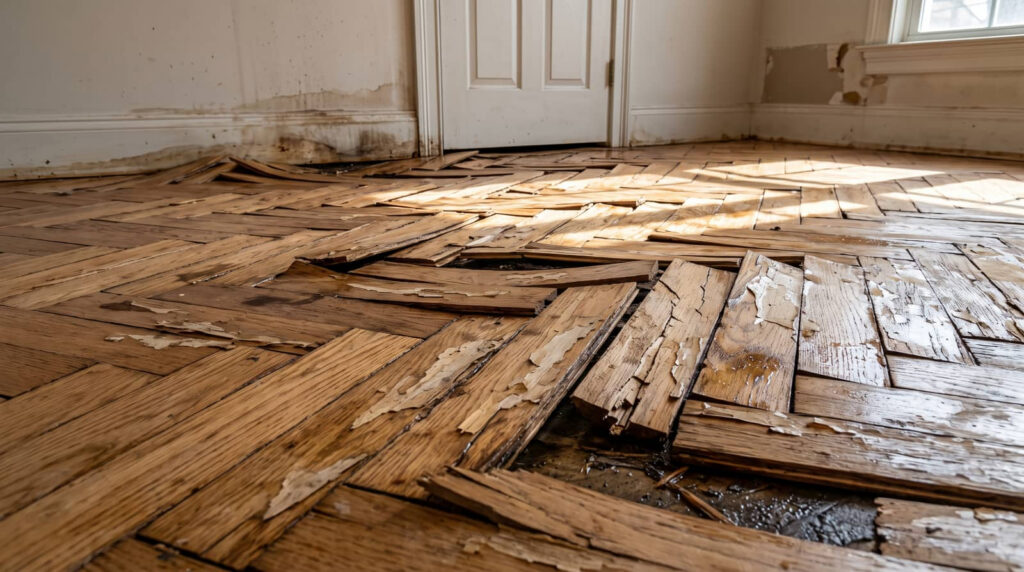
Start your water damage assessment by identifying the source of the water, whether it’s a leak, flooding, or a burst pipe. Use damage evaluation techniques like visual inspection to check for wet materials, discoloration, or structural issues. Pay attention to hidden areas such as behind walls or under flooring—water can easily accumulate there.
Next, measure moisture levels with a moisture meter to determine how deeply the water has penetrated various surfaces. Document your findings with photos and notes to create a clear record.
This information will guide your next steps and help you communicate effectively with professionals if needed. By tackling the assessment promptly, you set the stage for effective remediation, ultimately preventing further issues like mold growth.
Remove Standing Water Promptly
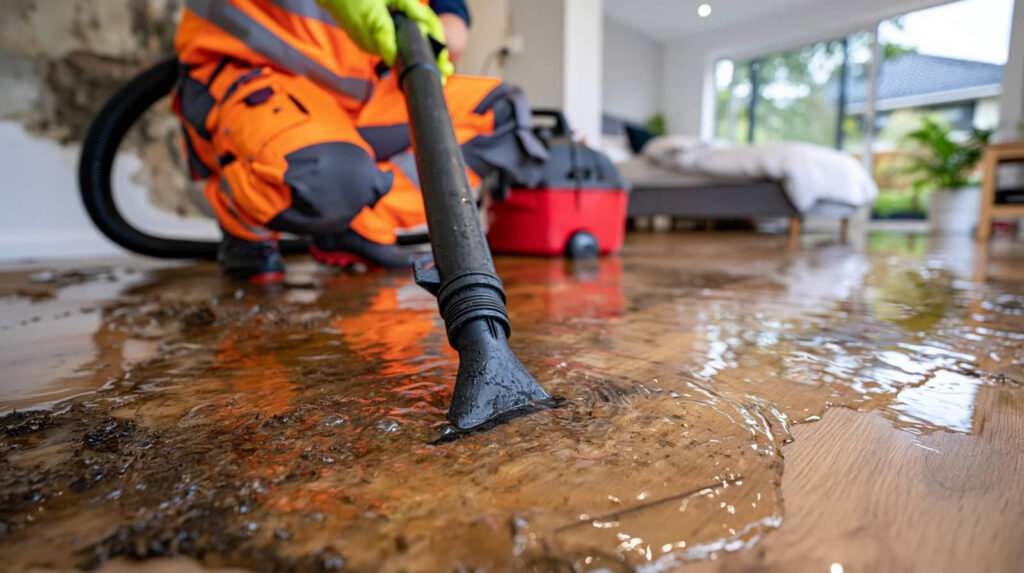
After evaluating the extent of water damage, your next step is to remove any standing water as quickly as possible. Standing water creates a breeding ground for mold, and delaying water extraction can lead to serious problems down the line.
Start by using a wet/dry vacuum or a pump to effectively remove the water. If the area is large, consider hiring professionals who specialize in water extraction to ensure thorough removal.
Don’t forget to wear protective gear, like gloves and masks, to safeguard yourself from potential contaminants. Focus on areas where water has accumulated, whether in basements, crawl spaces, or flooded rooms.
Once you’ve removed the standing water, inspect for hidden pockets of water that may linger. Being proactive now protects your home and fosters a sense of community and support among those facing similar challenges.
Dry Affected Areas Thoroughly
To effectively prevent mold growth, you must dry the affected areas thoroughly. Start by using absorbent materials like towels or mops to soak up excess moisture.
Next, employ drying techniques such as fans and dehumidifiers to reduce humidity levels. Aim to dry surfaces within 24 to 48 hours after water damage occurs.
Check hidden spots like behind walls, under carpets, and in crawl spaces, as moisture often lingers in these areas, promoting mold growth.
If you’re dealing with porous materials like drywall or insulation, consider replacing them if they remain damp.
Remember, a proactive approach is your best defense. Regularly inspect areas prone to water exposure, and take immediate action if you notice any signs of dampness.
Increase Air Circulation
To prevent mold growth after water damage, you need to boost air circulation in the affected areas.
Use fans effectively to keep air moving and help evaporate moisture, while regularly opening windows will allow fresh air to flow in and humidity to escape.
This simple approach can considerably lower the risk of mold development in your home.
Use Fans Effectively
Using fans effectively can greatly enhance air circulation, which is essential for preventing mold growth after water damage.
Start by choosing the right fan types—box fans, oscillating fans, or high-velocity fans can all help. Position these fans strategically; place them in areas where moisture accumulates, like near soaked carpets or walls. Aim the airflow towards the damp surfaces to expedite drying.
Additionally, consider using a combination of fan placements, directing some fans out of windows to push humid air outside while others circulate air within the room. This balanced approach maximizes airflow, helping to reduce humidity levels and minimize mold risk.
Don’t underestimate the power of fans in creating a safer, healthier environment for your home.
Open Windows Regularly
Opening windows regularly can greatly boost air circulation in your home, complementing the efforts made with fans. This simple act enhances ventilation importance, allowing fresh air to flow in and stale, humid air to escape.
Aim to open windows during the day, especially when outdoor humidity is low, to maximize airflow. Cross-ventilation—opening windows on opposite sides—can considerably improve air movement and help reduce moisture levels.
Remember, mold thrives in stagnant environments, so maintaining an inviting atmosphere with fresh air is key to preventing its growth.
Establishing a routine of opening windows aids in drying out water-damaged areas and fosters a healthier living space for you and your loved ones, making your home a welcoming refuge.
Use Dehumidifiers Effectively
To effectively use dehumidifiers, you need to maintain ideal humidity levels between 30-60% to prevent mold growth.
Proper placement is essential; position your dehumidifier in the most affected areas for maximum efficiency and make sure it’s unobstructed.
Regular maintenance, like cleaning the filter and checking the water reservoir, will keep your unit running smoothly and enhance its performance.
Optimal Humidity Levels
How can you ensure your home remains mold-free after experiencing water damage? One key factor is ideal humidity levels. Aim to maintain indoor humidity between 30% and 60%.
This range deters mold growth and creates a comfortable environment for you and your family. Use dehumidifiers effectively to achieve this humidity control.
Invest in a moisture measurement device to monitor levels regularly, ensuring they stay within the desired range. If humidity rises, run your dehumidifier longer or increase its capacity.
Placement and Maintenance Tips
While it may seem simple, strategically placing your dehumidifier can greatly enhance its effectiveness in preventing mold.
Position it in areas with high moisture, like basements or near ventilation systems, to maximize air circulation. Make certain the unit’s intake and exhaust are unobstructed; this allows moisture to escape efficiently.
Regularly empty the water reservoir or connect it to a drain for continuous operation. Consider using mold-resistant materials in your home, as they work in tandem with your dehumidifier, creating a less hospitable environment for mold growth.
Don’t forget to clean the dehumidifier’s filter regularly to maintain peak performance.
Clean and Disinfect Surfaces
Once you’ve addressed the source of water damage, cleaning and disinfecting surfaces becomes essential to prevent mold growth.
Start with proper surface preparation by removing any visible debris, dust, or dirt. This creates a clean slate for effective disinfecting.
Use appropriate disinfecting agents, such as bleach or specialized mold removers, ensuring you follow the manufacturer’s instructions for safety and effectiveness.
For hard surfaces, apply your chosen disinfectant and let it sit for the recommended time to eliminate any lingering spores.
Don’t forget to pay attention to porous surfaces like carpets and fabrics; these may require deep cleaning or professional treatment to fully eradicate moisture and mold risks.
In your effort to create a safe environment, remember that thoroughness is key.
Inspect and Repair Plumbing Leaks
To prevent mold growth after water damage, you need to inspect your plumbing for leaks.
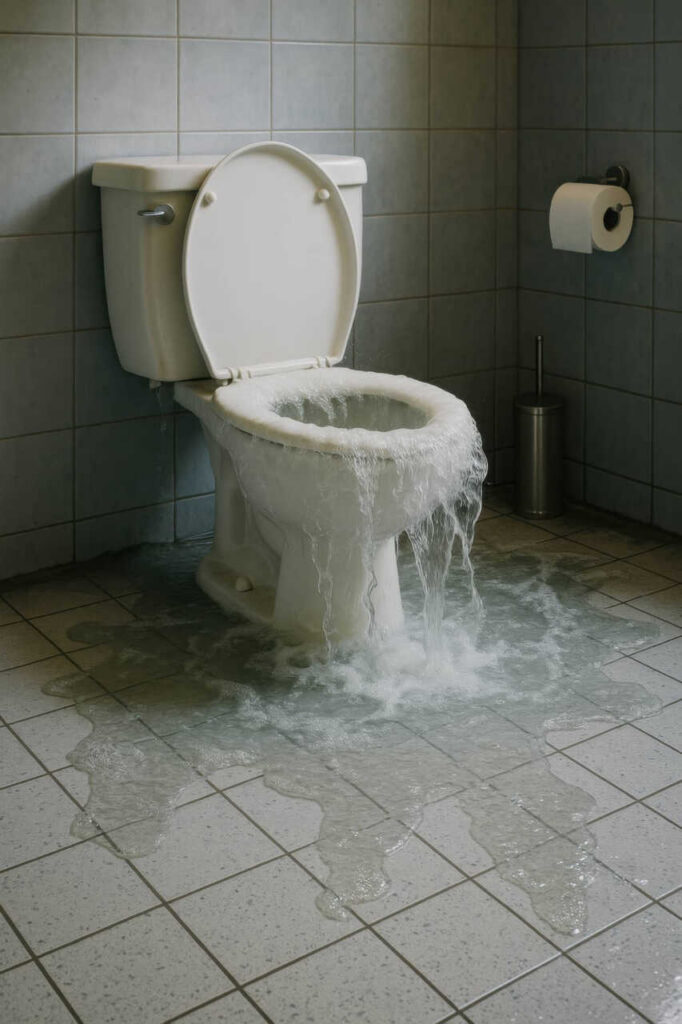
Start by identifying any sources of moisture, whether it’s dripping pipes or faulty fixtures.
Once you find a leak, seal the repairs promptly to minimize water exposure and protect your home from mold.
Identify Leak Sources
Identifying leak sources is essential for preventing mold growth after water damage, as even minor plumbing issues can lead to significant problems.
Start with thorough leak detection; check under sinks, around appliances, and in your basement for any signs of moisture. A plumbing inspection can reveal hidden leaks that might go unnoticed.
Pay close attention to joints, pipes, and fixtures, as these are common trouble spots. Don’t forget to inspect your water heater and washing machine connections.
If you spot any leaks, address them immediately to prevent further damage. Regular checks will keep your home safe and foster a sense of belonging within your living environment, ensuring it remains a healthy place for you and your loved ones.
Promptly Seal Repairs
Addressing plumbing leaks promptly is essential to preventing mold growth and further water damage. When you notice a leak, don’t hesitate to inspect the area thoroughly.
Identify the source and gather the right repair materials, like epoxy putty or pipe sealing tape, suitable for your plumbing system. Utilize effective sealing techniques to ensure a secure fit that prevents future leaks.
Whether it’s tightening a loose connection or replacing a worn-out gasket, taking these actions swiftly can save you from costly repairs down the line.
Monitor Humidity Levels
Since maintaining ideal humidity levels is crucial in preventing mold growth after water damage, you should regularly check the humidity in your home. Aim for a humidity level between 30% and 60%. You can easily accomplish this by using a hygrometer, which provides accurate moisture monitoring.
If you find that humidity levels are too high, consider investing in a dehumidifier. This device helps with humidity control, making your space less inviting for mold spores.
Additionally, make certain proper ventilation in areas like bathrooms and kitchens, as this can greatly reduce moisture buildup.
Keep an eye on any leaks or spills, as they can quickly raise humidity levels. By actively monitoring and managing humidity, you create a healthier environment for you and your loved ones, fostering a sense of safety and belonging in your home.
Seal Cracks and Openings
Humidity control plays a significant role in mold prevention, but it’s equally important to seal any cracks and openings in your home.
Begin with a thorough opening inspection to identify potential entry points for moisture. Look for cracks in walls, around windows, and near doors—these are common culprits that can invite water and mold.
Once you’ve pinpointed these areas, focus on crack sealing. Use high-quality caulking for smaller gaps and consider expanding foam for larger openings.
Pay special attention to areas prone to water exposure, like basements and bathrooms.
Don’t forget to check exterior areas, such as foundation cracks, which can lead to serious problems if left unaddressed.
By sealing these vulnerabilities, you enhance your home’s energy efficiency and create a healthier living space.
Taking these proactive steps helps you maintain a mold-free environment and fosters a sense of security within your home.
Consider Professional Mold Remediation
While you might feel confident tackling minor mold issues on your own, considering professional mold remediation can be vital for extensive infestations.
Mold can quickly spread, making it difficult to manage without specialized expertise. A professional will identify the source of the mold and implement effective mold prevention strategies tailored to your specific situation.
By seeking professional consultation, you ensure that all mold spores are safely removed, reducing the risk of health issues for you and your loved ones.
Experts use advanced equipment, such as HEPA filters and moisture meters, to thoroughly assess and address the problem. Additionally, they can provide guidance on maintaining a mold-free environment moving forward.
Don’t underestimate the value of professional help; it’s a vital step in safeguarding your home and ensuring your peace of mind.
Investing in professional remediation can save you time, stress, and potentially costly repairs down the line.
Frequently Asked Questions
How Long Does It Take for Mold to Grow After Water Damage?
Mold can start growing within 24 to 48 hours after water damage, depending on factors like humidity, temperature, and material type. Act quickly to mitigate these risks and protect your space from potential infestations.
Can Mold Grow in Hidden Areas Like Walls or Ceilings?
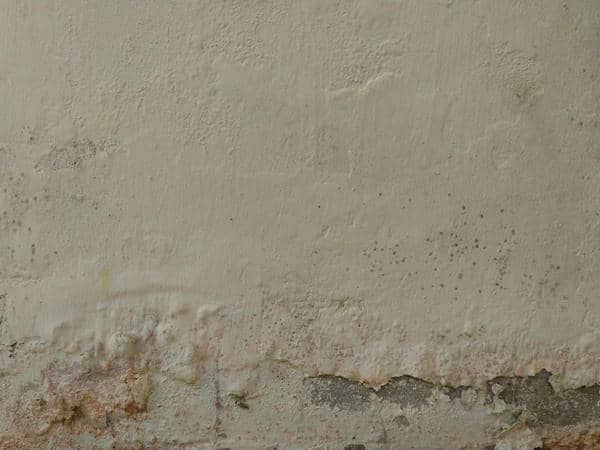
Yes, mold can definitely grow in hidden areas like walls or ceilings. Regular wall inspections are essential to spot hidden mold early, ensuring your home stays safe and welcoming for you and your loved ones.
What Are the Health Effects of Mold Exposure?
Mold exposure can lead to various health risks, including respiratory issues, allergic reactions, and irritations. You might experience mold symptoms like coughing, sneezing, and skin rashes, so staying vigilant and addressing mold promptly is essential.
Are There Specific Mold-Resistant Products I Should Use?
Why let mold win? You should definitely use mold-resistant paints and antimicrobial sealants in your home. They help protect surfaces, ensuring a healthier environment. Trust these products to keep mold at bay effectively and efficiently.
How Can I Tell if Mold Is Completely Removed?
To confirm the mold is completely gone, use mold detection methods like visual inspections and air sampling. Employ mold testing kits for thorough analysis. Regular monitoring ensures your space remains healthy and free from hidden mold issues.
Recap
So, you’ve bravely tackled water damage, only to invite mold over for a lengthy stay—what an unexpected twist! By following these tips, you can send that unwelcome guest packing before it even gets comfortable. Remember, mold thrives on moisture and neglect, so staying vigilant and proactive is your best defense. If it feels overwhelming, don’t hesitate to call in the pros. After all, you’d rather enjoy your home than host a moldy reunion!