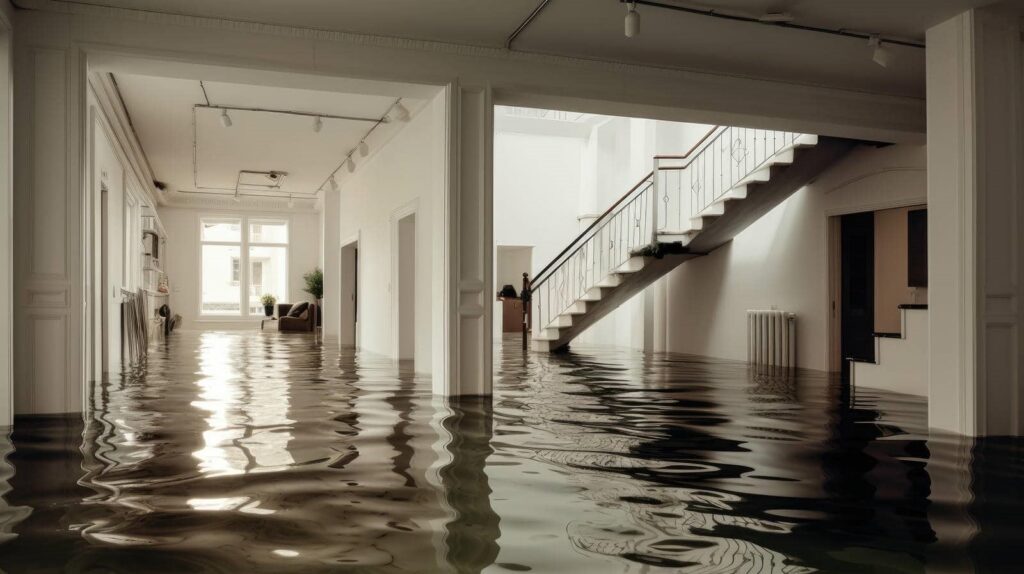

When it comes to flood restoration, the costs can vary dramatically between homes and businesses, often surprising those affected. You might expect residential repairs to be cheaper, but businesses frequently face higher expenses due to their complexity and scale. Understanding the underlying factors influencing these costs is essential for making informed decisions. As you explore these differences, you’ll uncover significant insights that could impact your financial planning and recovery strategy.
Key Takeaways
- Home restoration costs range from $3,000 to $25,000, while business restoration typically ranges from $15,000 to $50,000 based on damage severity.
- Larger homes incur higher restoration costs due to increased square footage, requiring more labor and materials.
- Structural complexity in both homes and businesses can lead to escalated expenses and longer restoration timelines.
- Pre-existing damage and geographical location significantly impact overall restoration costs for both homes and businesses.
- Insurance coverage varies widely, influencing out-of-pocket expenses during the restoration process for both residential and commercial properties.
Understanding Flood Restoration Costs for Homes
When your home suffers flood damage, understanding the restoration costs can feel overwhelming. You’ll first need a thorough flood damage assessment, which typically involves evaluating structural integrity, water damage, and affected materials. This assessment helps determine the extent of the damage and informs the necessary repairs.
Next, it’s essential to evaluate the restoration timeline. Depending on the severity of the flood, the timeline can vary greatly. Minor repairs might take a few days, while extensive damage could extend the process to several weeks.
Costs can range widely based on the findings of the assessment and the restoration timeline. You might face expenses for water extraction, drying, mold remediation, and repairs.
Understanding Flood Restoration Costs for Businesses
While flood damage can disrupt your business operations considerably, understanding the restoration costs involved is essential for effective recovery planning.
The financial implications of flood restoration can be significant, and knowing what to expect helps you prepare better.
Key factors influencing restoration costs include:
Extent of damage: The severity of the flood and the areas affected.
Emergency response: Quick action can mitigate damage, affecting overall costs.
Business interruption: Downtime impacts revenue; consider how long operations might pause.
Restoration services: Different companies may have varying rates and services.
Insurance coverage: Policies vary; understanding your coverage can ease financial burdens.
Factors Affecting Residential Flood Restoration Costs
Understanding the factors that influence residential flood restoration costs is essential for homeowners facing the aftermath of water damage. One significant factor is the extent of the damage itself. If your home has pre-existing damage, it can complicate the restoration process and drive up costs.
For example, mold growth or structural issues may require additional remediation efforts.
Insurance coverage also plays a vital role in determining your out-of-pocket expenses. Policies vary widely, and knowing what’s covered can help you plan effectively. Some homeowners may find that certain types of water damage aren’t included, leading to unexpected financial burdens.
Additionally, geographical location can impact costs due to variations in labor rates and material availability.
Factors Affecting Commercial Flood Restoration Costs
Commercial flood restoration costs are influenced by several critical factors that differ from those affecting residential properties. Understanding these factors can help you navigate the complexities of recovery for your commercial property.
Extent of Damage: The severity of flooding directly impacts restoration costs.
Type of Business: Different industries have unique restoration needs, affecting overall expenses.
Building Materials: The materials used in your property can influence the cost of repairs.
Flood Insurance: Your coverage type can dictate out-of-pocket expenses and available resources.
Location: Geographic factors, including risk zones, can affect restoration pricing and availability of services.
Being aware of these elements allows you to make informed decisions about flood recovery.
Coverage Differences in Homeowners and Business Insurance
When comparing homeowners and business insurance, it’s essential to recognize that coverage varies considerably based on the nature of the property and its intended use.
Homeowners insurance typically covers the structure, personal belongings, and liability, but may have significant coverage exclusions, such as flood damage, unless specifically added.
In contrast, business insurance encompasses property damage, equipment, and inventory, tailored to the unique risks of your industry.
Policy limits also differ widely; homeowners often have lower limits compared to commercial policies, which can be adjusted to reflect the assets at stake.
For example, a business may need higher coverage limits due to valuable machinery or extensive inventory.
Understanding these differences helps you make informed decisions about your insurance needs, ensuring you’re adequately protected against potential losses, especially in the event of flooding.
Average Cost Estimates for Home Flood Restoration
Flood restoration costs for homes can vary greatly based on several factors, including the extent of damage and the methods employed for recovery.
On average, you might expect to pay between $3,000 and $25,000 for flood damage restoration, depending on the situation. Understanding these cost estimates can help you prepare for potential expenses and set a realistic restoration timeline.
Key factors influencing cost include:
- Severity of flood damage: More extensive damage requires more resources.
- Size of the home: Larger homes typically incur higher restoration costs.
- Materials affected: Damage to flooring and walls can greatly increase expenses.
- Location: Regional labor costs can vary.
- Time of year: Seasonal demand may affect pricing.
Average Cost Estimates for Business Flood Restoration
Restoration costs for businesses affected by flooding often mirror the variability seen in residential situations, but they can also present unique challenges. You might find that the average cost ranges from $15,000 to $50,000, depending on the extent of the damage and the type of business.
Unlike homes, businesses often face longer restoration timelines due to the need for specialized equipment and compliance with commercial regulations. This can impact your bottom line as downtime can lead to lost revenue.
Business insurance plays an essential role in mitigating these costs; however, coverage often varies widely. Make sure you understand your policy’s specifics, including deductibles and limits, to effectively manage your financial risk.
Impact of Size and Scope on Restoration Expenses
When evaluating flood restoration expenses, the size and scope of the damage are vital factors.
Larger square footage typically requires more extensive labor and equipment, while structural complexity can complicate restoration efforts and increase costs.
Understanding these elements will help you gauge the overall financial impact of the restoration process.
Square Footage Considerations
Understanding the square footage of the affected area is essential for estimating restoration expenses, as larger spaces typically incur higher costs.
The square footage impact on restoration pricing can be significant, influencing both labor and material requirements. Here are some key considerations:
Size of the area: More square footage means more resources needed.
Type of materials: Different materials have varying costs based on area coverage.
Time required: Larger spaces take longer to restore, increasing labor costs.
Equipment needed: More extensive areas may require specialized tools or machinery.
Access and logistics: Bigger spaces can complicate the restoration process, adding to overall expenses.
Structural Complexity Factors
While the size and scope of a restoration project play critical roles in determining expenses, structural complexity adds another layer of intricacy to cost assessments.
When you consider the structural integrity of a building, factors like architectural design and materials come into play. Unique designs often present renovation challenges that can escalate costs, especially if custom solutions are needed.
For instance, older buildings may require specialized techniques to preserve their integrity while addressing damage. Additionally, the presence of multiple levels or intricate layouts complicates the restoration process, leading to longer timelines and higher labor costs.
Understanding these complexities is essential for accurately estimating restoration expenses and ensuring a successful recovery for both homes and businesses.
Equipment and Labor Needs
Structural complexity greatly influences the equipment and labor needs for flood restoration projects, particularly as the size and scope expand.
When tackling a larger restoration project, you’ll face varying equipment types and fluctuating labor rates that can considerably affect your budget.
Consider these factors:
- Heavy machinery: Essential for large debris removal.
- Water extraction units: Necessary for efficient drying.
- Air movers and dehumidifiers: Vital for moisture control.
- Protective gear: Important for worker safety.
- Specialized technicians: Often required for complex tasks.
Understanding how these equipment types and labor rates correlate with project size can help you budget more effectively.
Long-term Financial Implications of Flood Damage
When flood damage occurs, the financial repercussions can extend far beyond the immediate costs of repair and restoration. You’ll find that long-term budgeting becomes essential as you navigate the challenges of recovery.
Insurance claims may not cover all expenses, leading to out-of-pocket costs that can strain your finances over time. Additionally, you should consider the potential decrease in property value, which can hinder your financial recovery.
Businesses might face lost revenue while they’re closed for repairs, further complicating their financial situation.
It’s vital to assess ongoing maintenance costs, as flood damage can lead to lingering issues like mold or structural problems. By planning for these hidden expenses, you can create a more realistic budget.
Ultimately, addressing these long-term implications early can help you regain financial stability and protect your investment in the future.
Choosing the Right Restoration Service: Cost Considerations
Choosing the right restoration service is crucial for effective recovery and for managing costs effectively. A detailed cost analysis can help you identify the most suitable service for your needs.
Here are some factors to take into account:
Experience and Expertise: Verify the company’s track record in flood restoration.
Insurance Coverage: Check if they work with your insurance provider to minimize out-of-pocket expenses.
Services Offered: Confirm they provide an extensive range of services, from water extraction to mold remediation.
Response Time: A quick response can mitigate further damage, impacting overall costs.
Customer Reviews: Look for testimonials that reflect reliability and satisfaction.
Taking the time to evaluate these aspects will aid you in making an informed decision and can mean significant savings in the long run.
Frequently Asked Questions
How Do Seasonal Weather Patterns Impact Restoration Costs?
Seasonal impacts and weather fluctuations directly influence restoration costs. During heavy rain or storms, demand for services spikes, increasing prices. Conversely, off-peak seasons may offer lower rates, affecting your budget and planning for restoration projects.
What Are the Hidden Costs of Flood Restoration?
Have you considered the hidden costs of flood restoration? Beyond insurance coverage, you’ll face unexpected damages, potential loss of income, and emotional toll. These factors can greatly elevate your overall restoration expenses and stress.
Can DIY Methods Reduce Restoration Expenses?
Yes, DIY techniques can reduce restoration expenses considerably. By evaluating damage and using cost-effective methods, you can minimize labor costs and materials. However, make certain you’re equipped with the right knowledge to avoid costly mistakes.
How Quickly Should Restoration Begin After Flooding?
Restoration should begin immediately after flooding to minimize damage. A swift response notably shortens the restoration timeline, preventing mold growth and structural issues. Delaying can lead to increased costs and more extensive repairs.
Are There Financial Assistance Programs for Flood Victims?
When floodwaters rise, hope can feel distant. Yet, federal aid and community support stand ready to help you rebuild. Explore grants and resources designed to ease your financial burden during recovery. You’re not alone.
Recap
In the aftermath of a flood, steering through restoration costs can feel like a modern-day Odyssey, fraught with challenges. Whether you’re a homeowner or a business owner, understanding the financial landscape is essential. By evaluating the unique factors that influence expenses and insurance coverage, you can make informed decisions. Don’t let the tides of misfortune overwhelm you; choose the right restoration service wisely to mitigate long-term financial implications and restore your property to its former glory.