When you respond to a flood-damaged property, like the one in your community last year, it’s vital to follow a structured approach for quality assurance. This ensures you address every affected area effectively and safely. Start by evaluating the damage thoroughly, but that’s just the beginning. There are essential flood cleanup steps that can significantly affect the outcome of your cleanup efforts. Let’s explore these key actions to enhance your process.
Key Takeaways
- Conduct thorough damage assessments and document initial conditions to establish a baseline for quality control.
- Develop a comprehensive cleanup plan that prioritizes tasks based on severity and safety concerns.
- Utilize proper equipment and techniques, ensuring maintenance and training for effective performance during the cleanup.
- Implement a robust documentation process, including quality control checklists to evaluate cleanup effectiveness and accuracy.
- Ensure compliance with safety protocols and regulatory guidelines to maintain high standards throughout the cleanup efforts.
Assessing the Damage Thoroughly
When you begin evaluating the damage after a flood, it’s vital to approach the situation methodically to ensure no detail is overlooked. Start by documenting the affected areas with photographs and notes. This initial damage evaluation is significant for understanding the full extent of the impact.
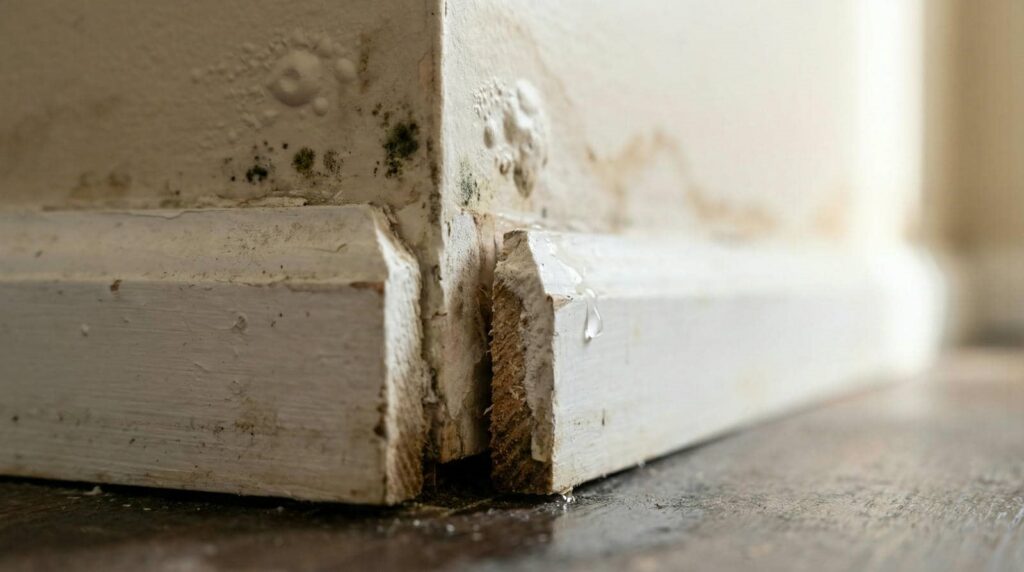
Use assessment techniques like visual inspections, moisture detection tools, and structural assessments to identify hidden damage. Pay special attention to walls, floors, and electrical systems, as these areas often suffer unseen consequences.
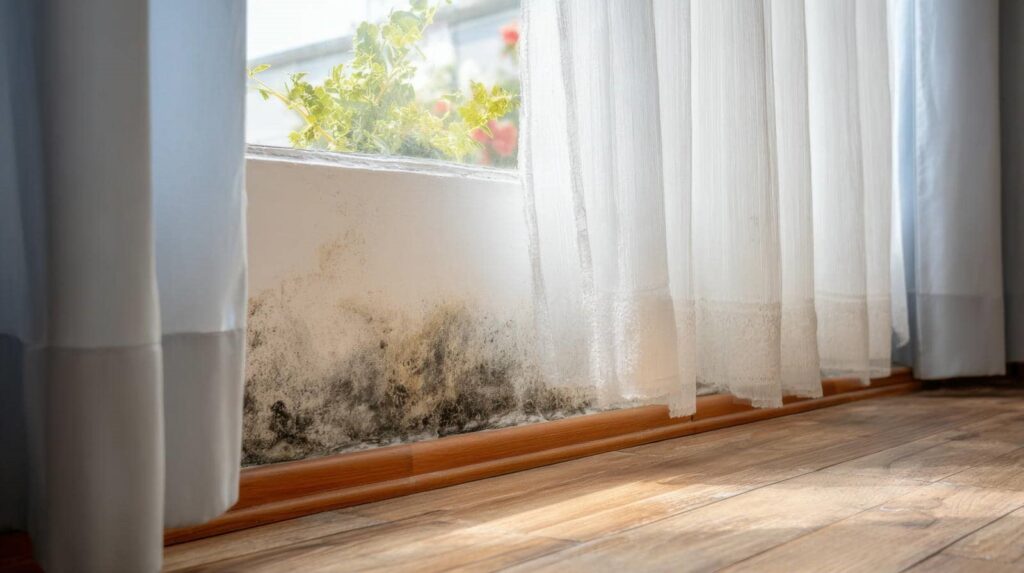
Don’t forget to check for mold growth, which can develop rapidly in damp conditions. Engage with local resources, such as community groups or professionals, to share insights and gather information.
Developing a Comprehensive Cleanup Plan
As you formulate a thorough cleanup plan, it’s crucial to prioritize tasks based on the severity of damage and safety concerns. Start by evaluating which areas pose immediate risks, such as structural instability or contaminated water, and tackle those first. This approach ensures safety and enhances your risk management strategy.
Next, consider resource allocation carefully. Identify the tools, personnel, and materials you’ll need and distribute them efficiently to maximize effectiveness. Creating a timeline can help structure your efforts, allowing you to track progress and adapt as needed.
Collaborate with your team, encouraging open communication to address concerns or suggestions. This fosters a sense of belonging and shared responsibility, making everyone feel invested in the cleanup process.
Utilizing Proper Equipment and Techniques
After establishing an all-encompassing cleanup plan, utilizing proper equipment and techniques becomes crucial for effective flood recovery.
You’ll want to verify that your equipment is well-maintained, as this enhances performance and extends its lifespan. Regular checks and servicing are essential to prevent any mechanical failures during critical moments.
Moreover, investing time in technique training is equally important. Understanding the best practices for using your equipment can greatly impact the efficiency of your cleanup efforts.
Make certain to familiarize yourself with the proper methods for handling water extraction tools, drying equipment, and personal protective gear.
Ensuring Safe and Effective Mold Remediation
While mold can begin to grow within 24 to 48 hours after flooding, ensuring safe and effective remediation is essential for protecting both your health and the structural integrity of your property.
Start by evaluating the affected areas thoroughly, identifying visible mold and hidden moisture sources. Use appropriate personal protective equipment (PPE) to shield yourself from health risks associated with mold exposure.
Once you’ve contained the affected area, remove contaminated materials, such as drywall or carpeting, and ensure proper disposal.
Employ methods like HEPA vacuuming and antimicrobial treatments to eliminate mold spores effectively.
Don’t forget to implement mold prevention strategies post-remediation, such as improving ventilation and controlling humidity levels.
Regularly inspect your property for signs of moisture and mold growth to maintain a safe environment.
Conducting Regular Quality Inspections
Conducting regular quality inspections is essential for ensuring that flood cleanup efforts remain effective and that your property stays safe from further damage.
To achieve this, you should establish a routine that adheres to specific inspection frequency and criteria. Here’s a methodical approach:
Set a Schedule: Inspect your property weekly during the initial cleanup phase, adjusting as needed based on progress.
Define Criteria: Use clear inspection criteria, focusing on water damage, mold growth, and structural integrity.
Document Findings: Keep detailed records of each inspection, noting any issues and corrective actions taken.
Engage Professionals: If necessary, involve certified inspectors to ensure compliance with safety standards.
Implementing Feedback Mechanisms
To enhance quality assurance in flood cleanup, you need to establish robust communication channels that facilitate real-time feedback from your team and clients.
This input serves as the foundation for continuous improvement strategies, allowing you to identify areas for enhancement and implement necessary changes swiftly.
Communication Channels Establishment
Establishing effective communication channels is essential for successful flood cleanup efforts, as it ensures that all stakeholders are informed and engaged throughout the process.
To assure robust communication protocols, consider implementing the following steps:
Identify Stakeholders: List all individuals and organizations involved in the cleanup.
Choose Platforms: Select appropriate communication tools, like emails, group chats, or social media.
Set Regular Updates: Schedule consistent briefings to share progress and gather feedback.
Encourage Open Dialogue: Create a space for stakeholders to voice concerns and suggestions.
Continuous Improvement Strategies
While effective communication lays the groundwork for flood cleanup, implementing feedback mechanisms is crucial for continuous improvement throughout the process.
You should establish regular check-ins with your team to discuss challenges and successes. Collect data on performance metrics that matter—like response time and cleanup efficiency. This information allows you to identify strengths and areas needing enhancement, paving the way for process optimization.
Encourage open dialogue; everyone’s insights can lead to innovative solutions. Create anonymous surveys to gather honest feedback, fostering a culture of belonging and collaboration.
Final Review and Documentation of the Process
As you wrap up the flood cleanup project, documenting every step is essential for accountability and future reference.
You’ll need to create quality control checklists and compile a final assessment report to evaluate the effectiveness of your procedures.
This thorough documentation ensures compliance and serves as a valuable resource for any subsequent cleanup efforts.
Documenting Cleanup Procedures
To ensure a thorough and effective flood cleanup, documenting your procedures is essential for final review and accountability.
Proper cleanup documentation ensures compliance and fosters teamwork and transparency.
Here’s how to document your cleanup procedures effectively:
Record Initial Conditions: Note the state of the affected area before cleanup begins.
Outline Cleanup Steps: Detail each step taken during the cleanup process, including methods and materials used.
Capture Challenges: Document any obstacles encountered and how they were addressed.
Review and Revise: After cleanup, assess your documentation for accuracy and completeness.
Quality Control Checklists
Implementing quality control checklists is essential for ensuring that every aspect of the flood cleanup process meets established standards.
These checklists act as a roadmap, guiding you through the critical stages of cleanup while focusing on quality assurance. Start by outlining specific tasks, such as debris removal, sanitization, and structural assessments.
Each item should reflect your cleanup standards, making it easy to track progress and identify areas needing attention. Encourage your team to engage with the checklist actively, fostering a sense of ownership and accountability.
Regularly reviewing these checklists helps maintain high standards and builds a culture of excellence within your group. This commitment to quality will enhance the overall effectiveness of your flood cleanup efforts.
Final Assessment Report
The final assessment report serves as a thorough review of the entire flood cleanup process, encapsulating all efforts and outcomes.
It’s essential for documenting the final findings and ensuring accountability.
To create an effective report, you should consider these assessment criteria:
Effectiveness of Cleanup: Evaluate the thoroughness of the cleanup efforts.
Compliance with Standards: Verify all work met regulatory and safety guidelines.
Documentation Accuracy: Check that all records and photos are complete and clear.
Stakeholder Feedback: Gather input from residents and teams involved to gauge satisfaction.
Frequently Asked Questions
What Are the Health Risks Associated With Floodwaters?
Floodwaters pose significant health risks, including exposure to waterborne diseases and chemical contaminants. You’re at risk for infections, gastrointestinal issues, and long-term health effects. Protect yourself by avoiding contact and ensuring proper sanitation measures.
How Can I Prevent Future Flooding in My Property?
You can prevent future flooding by installing effective drainage systems and implementing smart landscaping solutions. By carefully planning your property’s layout and vegetation, you’ll create a resilient environment that keeps water at bay and enhances your home’s safety.
What Insurance Coverage Is Necessary for Flood Damage?
You need flood insurance that covers structural damage, personal belongings, and additional living expenses. Look into various coverage options, ensuring you understand exclusions and limitations to protect your property effectively against future flood risks.
How Long Does the Flood Cleanup Process Typically Take?
The flood cleanup process typically takes one to three weeks, depending on damage severity and resources. You’ll navigate the cleanup timeline with care, ensuring thorough flood recovery for your home and peace of mind.
Can I Do the Cleanup Myself, or Should I Hire Professionals?
You can tackle DIY cleanup if you’re experienced, but hiring professional services ensures thoroughness and safety. They’ve got the right tools and expertise, making your recovery smoother while minimizing risks of mold and structural damage.
Review
In flood cleanup, ensuring quality assurance isn’t just a task; it’s a commitment to safety and effectiveness. By following these seven steps, you enhance the restoration process and protect those affected by the disaster. Isn’t it essential to create a thorough and systematic approach to avoid future pitfalls? Remember, every detail matters, so keep your documentation precise and your standards high. Your dedication today sets the foundation for a more resilient tomorrow.