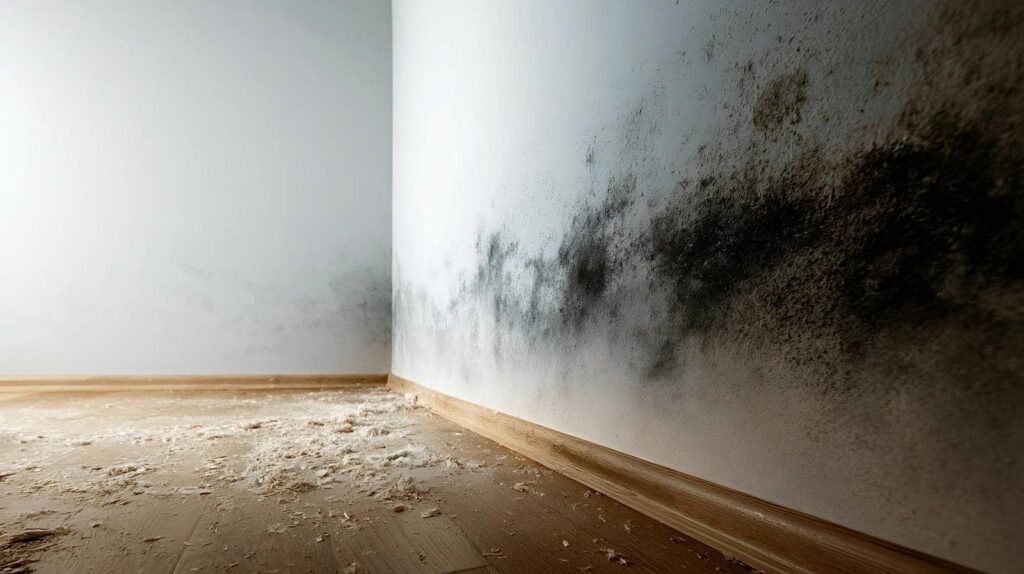
Imagine stepping into a damp, musty room where mold threatens not just your walls but your health. After flooding, it’s crucial to tackle mold swiftly and effectively. Understanding the best remediation techniques can make all the difference. Are you aware of the fundamental safety measures you should take first? Let’s explore the steps you need to ensure a thorough and safe mold remediation process.
Key Takeaways
- Act Quickly: Address mold growth within 24 to 48 hours post-flooding to minimize damage and health risks.
- Dry Thoroughly: Use industrial dehumidifiers and fans to reduce moisture and promote airflow in affected areas.
- Use Protective Gear: Always wear gloves, goggles, and N95 respirators during the remediation process to ensure safety.
- Apply Effective Cleaning Solutions: Utilize natural cleaners like vinegar and baking soda, or appropriate chemical mold removers for effective mold removal.
- Monitor Humidity Levels: Keep humidity below 60% and conduct regular inspections to prevent future mold growth.
What Happens With Mold After Your Home Floods?
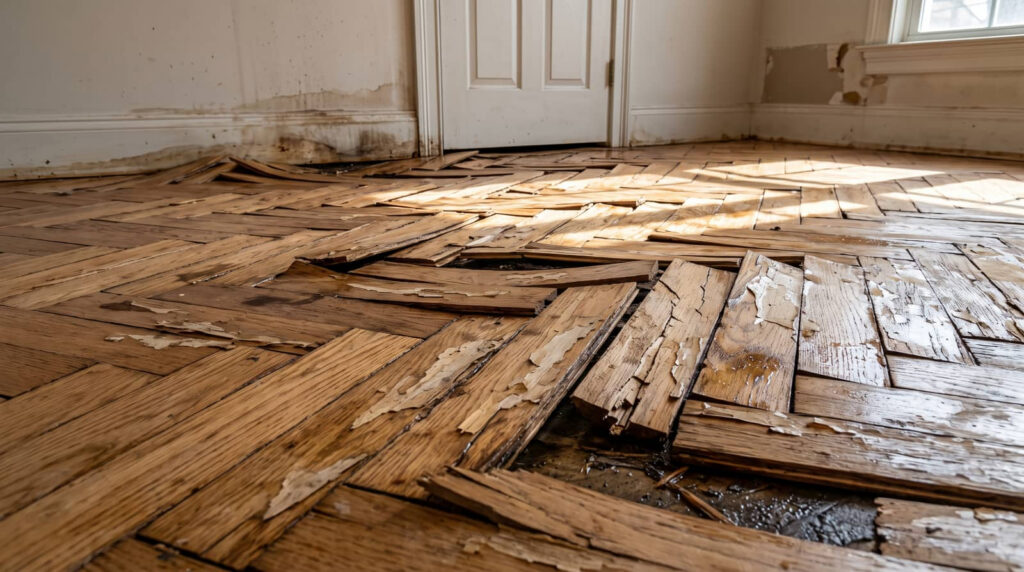
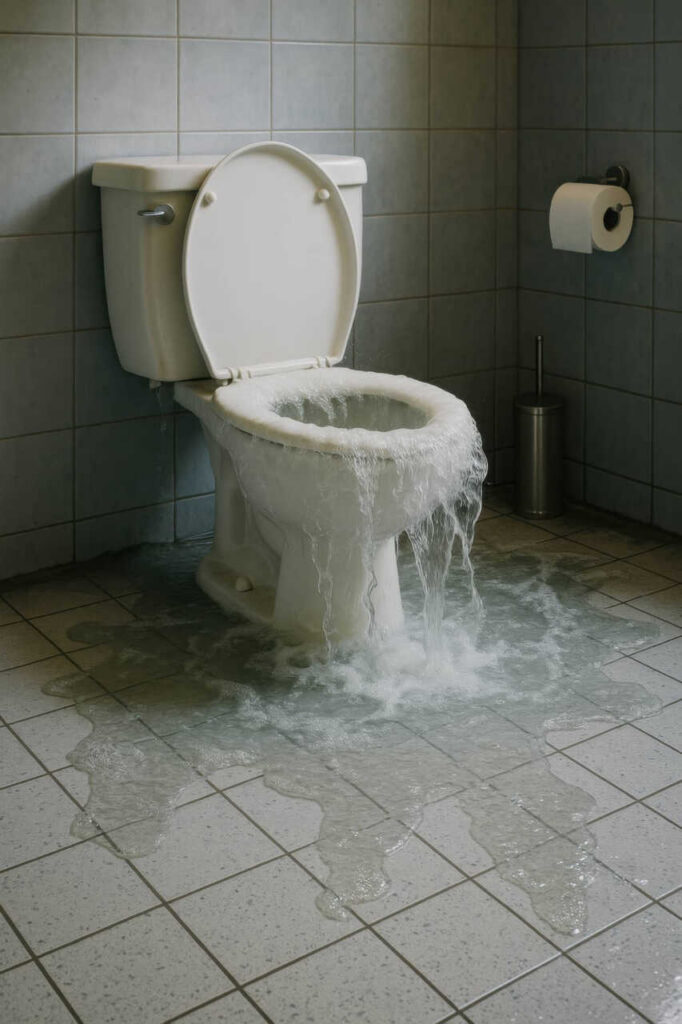
When your home floods, mold can begin to grow within 24 to 48 hours if the conditions are right. This rapid mold growth is often a direct result of flood damage, as excess moisture creates an ideal environment for spores to thrive.
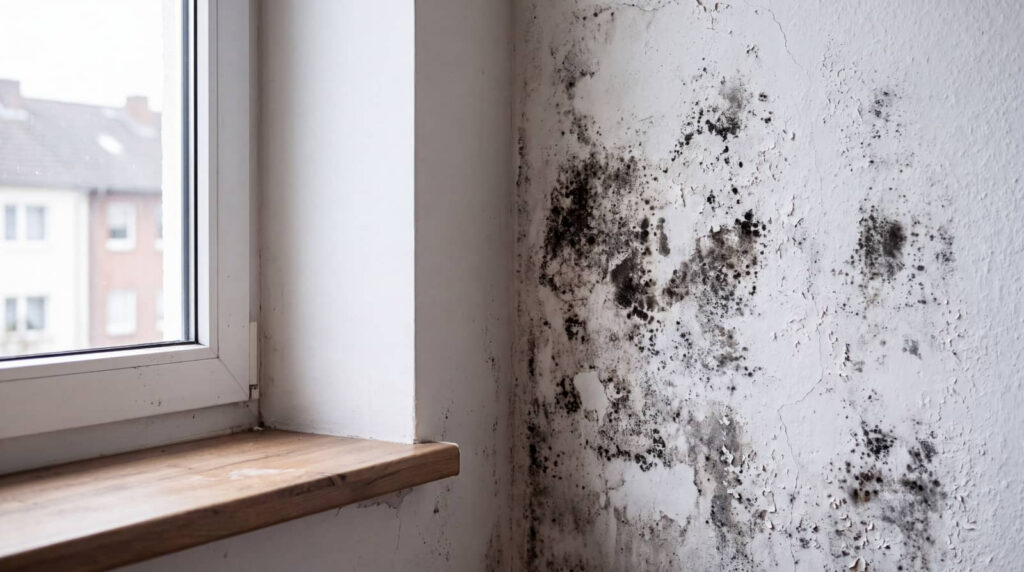
You might notice discoloration on walls or a musty odor, indicating that mold is already taking hold. The type of materials affected—like drywall or wood—can greatly impact how quickly and severely mold spreads.
Addressing the situation promptly is essential; the longer you wait, the more extensive and costly the damage can become. Understanding this process helps you recognize the importance of swift action in protecting your home and health from the repercussions of mold growth after flooding.
Essential Safety Measures Before Mold Remediation
Before diving into mold remediation, it’s essential to prioritize safety measures. Start by equipping yourself with the right protective equipment, such as gloves, goggles, and N95 respirators. This safeguards you from harmful spores while working.
Next, implement effective ventilation strategies. Open windows and use fans to circulate fresh air, minimizing inhalation risks. Confirm the area is isolated to prevent mold spores from spreading to unaffected spaces.
It’s also wise to turn off HVAC systems to avoid circulating contaminated air. By prioritizing these safety measures, you create a safer environment for yourself and anyone assisting in the remediation process.
Taking these precautions protects your health and fosters a sense of community as you work together to restore your home.
Top Drying Techniques to Stop Mold
Effective drying techniques are vital for preventing mold growth after flooding. Start by employing dehumidification methods, like using industrial dehumidifiers, to extract moisture from the air and surfaces. This step is essential in lowering humidity levels and creating an environment less favorable for mold.
Next, focus on airflow management; open windows and use fans to promote circulation. Positioning fans strategically can help direct airflow across damp areas, speeding up the drying process. Additionally, consider using HVAC systems to enhance air movement.
Monitor moisture levels regularly with a hygrometer to ensure your efforts are effective. By combining these techniques, you’ll create a dry environment that greatly reduces the risk of mold taking hold in your home.
Best Cleaning Solutions for Mold Remediation
When tackling mold remediation, you’ll need to choose the right cleaning solutions.
Natural cleaning products offer eco-friendly options, while chemical mold removers can provide more aggressive treatment.
Understanding the pros and cons of each will help you make an informed decision for effective mold removal.
Natural Cleaning Products
Although commercial mold removal products are widely available, many homeowners prefer natural cleaning solutions for their effectiveness and safety.
Vinegar benefits are well-documented; its acetic acid kills many types of mold on contact. Simply spray undiluted vinegar on affected areas, let it sit for an hour, then wipe clean.
Baking soda is another powerful ally. Mix it with water to create a paste, which you can apply to stubborn mold stains. After letting it dry, scrub the area and rinse.
Using these natural methods protects your health and promotes a sense of community responsibility, as you choose safer options for your family and the environment.
Embrace these solutions for effective mold remediation.
Chemical Mold Removers
When selecting a remover, consider the specific application methods recommended by the manufacturer. Some products may require spraying, while others might need scrubbing or soaking. Always follow safety guidelines, wearing protective gear and ensuring proper ventilation during use.
Remember, effective mold removal isn’t just about the product; it’s also about how you apply it. By combining the right chemical solution with appropriate techniques, you can create a safer, healthier environment for yourself and your loved ones.
Embracing these methods helps foster a sense of community in mold remediation.
Signs You Need Professional Help for Mold Remediation?
How can you tell if mold has become a serious issue in your home? Look for persistent mold symptoms like sneezing, coughing, or skin irritation that don’t go away.
If you notice black or green spots on walls, ceilings, or hidden areas, that’s a red flag. Additionally, if you smell a musty odor even after cleaning, it may indicate deeper mold growth.
Consider the health risks involved; mold can lead to respiratory issues and allergic reactions, particularly for children or those with weakened immune systems.
If you encounter any of these signs, it’s time to seek professional help. Don’t risk your health or that of your family—timely intervention can prevent further damage and ensure a safe living environment.
How to Monitor and Test for Mold After Remediation?
Once remediation efforts are complete, it’s crucial to actively monitor and test for mold to ensure the problem doesn’t return.
Start by conducting thorough mold testing at various locations in your home, especially in previously affected areas. Use reliable kits or hire professionals for accurate results.
Additionally, implement moisture monitoring systems to track humidity levels, as excessive moisture fosters mold growth. Regularly check areas prone to dampness, like basements and bathrooms, ensuring they’re adequately ventilated.
If you detect mold or high moisture levels, address them immediately to prevent recurrence.
Long-Term Strategies to Prevent Future Mold Growth
To effectively prevent future mold growth, implementing proactive measures is essential.
Start with humidity control; maintaining levels below 60% can deter mold.
Enhance ventilation improvement by ensuring proper airflow in your home, especially in bathrooms and kitchens.
Consider installing moisture barriers in crawl spaces and basements to block outside moisture.
Regular inspections of your property can catch potential issues early.
Invest in air filtration systems to clean the air and reduce spores.
Landscaping adjustments, like sloping soil away from your foundation, can help prevent water accumulation.
Don’t forget insulation upgrades to keep your home dry.
Finally, a dehumidifier installation can effectively manage moisture levels, creating an environment that’s less conducive to mold growth.
Frequently Asked Questions
How Long Does It Take for Mold to Grow After Flooding?
Mold can start growing within 24 to 48 hours after flood damage. To prevent this, quickly dry affected areas, reduce humidity, and use mold-resistant products. Acting fast helps ensure a healthier environment for you and your loved ones.
Can I Use Bleach to Clean Mold?
While bleach can kill surface mold, it doesn’t penetrate porous materials effectively. For thorough mold removal, consider specialized cleaning solutions designed for deeper remediation. Always prioritize safety and proper ventilation during the cleaning process.
What Personal Protective Equipment (PPE) Is Necessary During Remediation?
During remediation, you need proper safety gear like gloves, masks, and goggles. These protect you from mold exposure and ensure effective remediation methods. Prioritizing your safety fosters a collaborative environment for successful mold elimination.
Will Mold Return if I Dry My Home Quickly?
If you dry your home quickly, you might think mold won’t return, but moisture control is essential. Without proper preventative measures, lingering humidity can still invite mold back. Stay vigilant to protect your space.
How Can I Tell if Mold Is Toxic?
You can tell if mold is toxic by identifying mold types like Stachybotrys or Aspergillus, which can cause serious health effects. If you experience respiratory issues or allergic reactions, consult a professional for assessment.
Final Thoughts
In the battle against mold after flooding, remember that “an ounce of prevention is worth a pound of cure.” By following the outlined techniques, you can effectively mitigate mold risks and protect your home. Start with safety measures, dry out your space, and clean thoroughly. Monitor moisture levels consistently, and don’t hesitate to seek professional help if needed. With these strategies, you’ll tackle existing mold and keep your home mold-free in the long run.