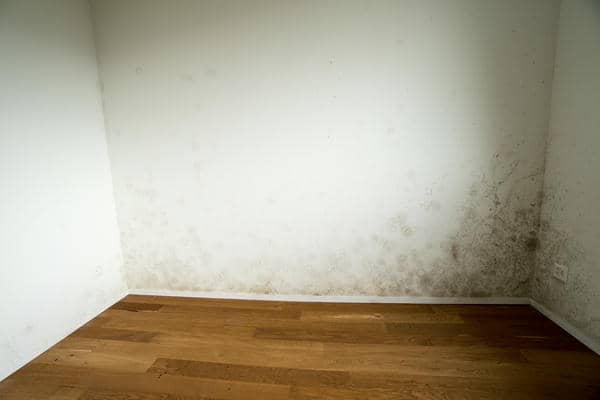
After a flood, managing mold growth is vital for your health and property. Identifying the extent of water damage sets the foundation for effective mold remediation. You’ll need to act quickly to extract standing water and utilize proper drying techniques. But the process doesn’t stop there; thorough mold removal and prevention strategies are necessary to keep your space safe. Understanding these steps can greatly influence your recovery efforts. What’s the most effective way to ensure long-term safety?
Key Takeaways
- Conduct a thorough water damage assessment to identify affected areas and document findings for effective remediation planning.
- Quickly extract water using submersible pumps and wet/dry vacuums to minimize moisture and mold growth.
- Implement effective drying methods, utilizing fans and dehumidifiers to ensure all surfaces are thoroughly dried.
- Identify and remove mold using appropriate products and protective gear, and ensure proper ventilation during the removal process.
- Prevent future mold growth by using mold-resistant materials, controlling humidity, and maintaining proper ventilation in moisture-prone areas.
Assessing the Extent of Water Damage
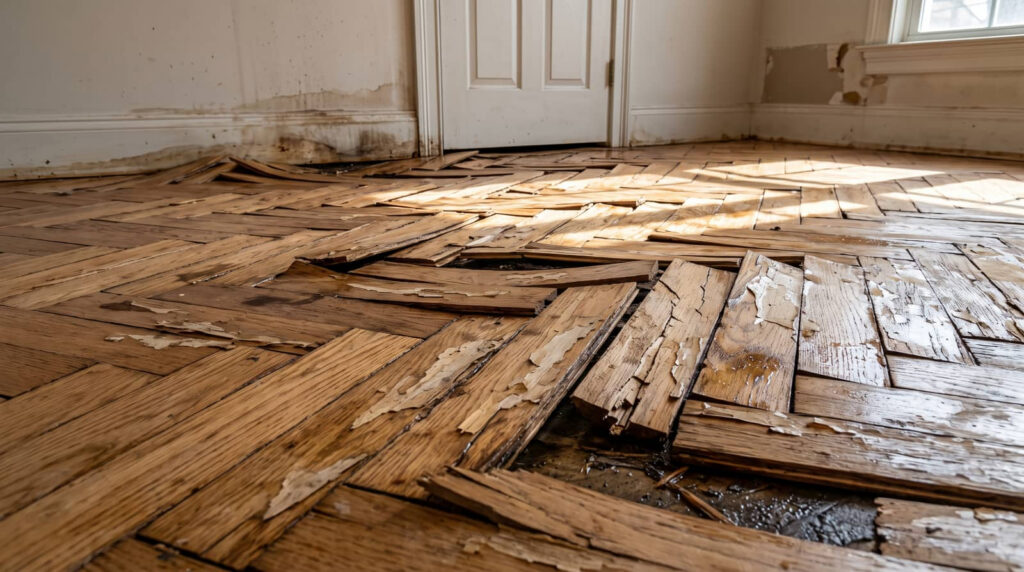
When you’re faced with water damage after a flood, evaluating the extent of that damage is essential for effective mold remediation. Start with a thorough water damage assessment to identify affected areas. Look for visible signs like discoloration, warping, or bubbling paint, but don’t stop there.
Use moisture meters to detect hidden dampness within walls and floors.
Next, conduct a structural integrity evaluation. This step is vital, as compromised structures can pose safety risks. Check beams, joists, and foundations for any signs of weakening or decay.
Document your findings meticulously, as this information will guide your remediation strategies and help you communicate with insurance providers.
Immediate Water Extraction Techniques
As soon as you’ve assessed the extent of water damage, it’s vital to act quickly to extract standing water, which can greatly reduce the risk of mold growth.
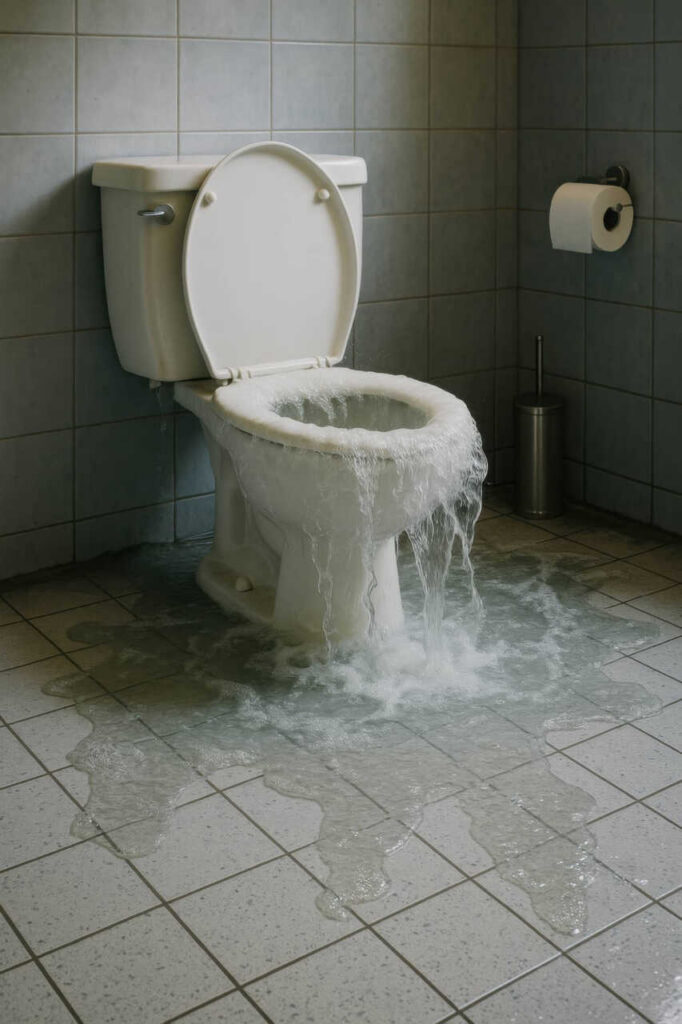
In your flood response, start by prioritizing water safety—make sure the area is safe to enter and turn off electricity if needed. Use submersible pumps for large volumes of water and wet/dry vacuums for smaller amounts. These tools are effective for immediate extraction and can help you regain control of your environment.
If possible, enlist the help of professionals who specialize in water extraction; their expertise can expedite the process and ensure thorough removal.
Additionally, consider using towels or mops for residual moisture, but avoid excessive scrubbing, as this might spread contaminants.
Effective Drying and Dehumidification Methods
To effectively combat mold growth after a flood, you must prioritize thorough drying and dehumidification. Implementing the right methods is vital for preventing further damage.
Here are three effective strategies:
Increase Air Circulation: Use fans and open windows to enhance airflow. This helps evaporate moisture from surfaces and reduces humidity levels.
Utilize Dehumidifiers: Invest in high-capacity dehumidifiers to extract moisture from the air. This is fundamental in areas that remain damp after initial drying efforts.
Monitor with Moisture Meters: Regularly check moisture levels in walls, floors, and furniture using moisture meters. This helps you identify areas that need additional attention and ensures a thorough drying process.
Comprehensive Mold Removal Procedures
After successfully drying and dehumidifying your space, the next step involves implementing thorough mold removal procedures.
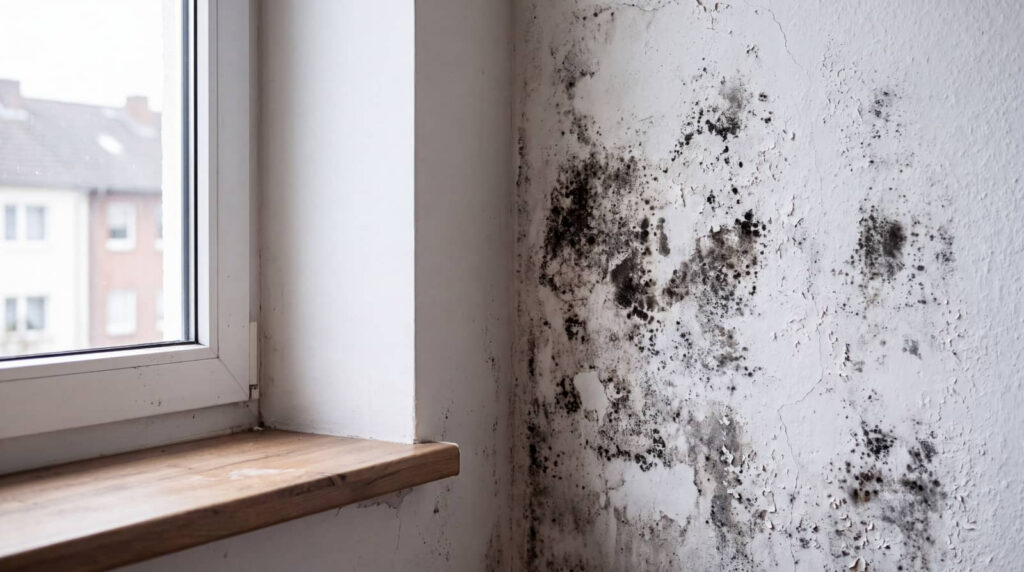
Start by employing effective mold identification techniques to pinpoint affected areas. Look for visible signs such as black spots or discoloration, and consider using moisture meters to detect hidden mold.
Once identified, choose appropriate mold removal products. A solution containing at least 70% alcohol or specialized mold cleaners can effectively eliminate spores.
Wear protective gear, including gloves and masks, to safeguard yourself during the process.
Begin by scrubbing surfaces with your chosen product, ensuring you thoroughly cover all affected areas, for porous materials like drywall, removal and replacement might be necessary.
After cleaning, ventilate the space to allow any remaining spores to dissipate.
Finally, keep an eye on the area for any signs of regrowth, ensuring your remediation efforts are effective and lasting.
Implementing Long-term Mold Prevention Measures
While successfully removing mold is crucial, establishing long-term prevention measures is essential to avoid future infestations. By implementing effective strategies, you can create a healthier living environment.
Here are three key steps to reflect upon:
Use mold-resistant materials: When rebuilding or renovating, opt for mold-resistant drywall, paints, and insulation. These materials can greatly reduce the risk of mold growth.
Control humidity levels: Aim to keep indoor humidity below 60% by using dehumidifiers and ensuring proper ventilation in areas like bathrooms and kitchens.
Schedule regular maintenance: Inspect your property frequently for leaks or water damage. Addressing issues promptly can prevent mold from taking hold.
Frequently Asked Questions
How Long Does Mold Take to Grow After a Flood?
Mold can start growing within 24 to 48 hours after a flood. To prevent it, follow flood recovery tips like drying out your space quickly and ensuring proper ventilation. Understanding the mold growth timeline is essential for effective remediation.
Can I Use Bleach to Kill Mold?
You can use bleach to kill some mold types, but its effectiveness is limited. It doesn’t penetrate porous materials well, so while it may help, consider other mold remediation methods for better results.
What Are the Health Risks Associated With Mold Exposure?
Mold exposure can lead to various health risks, including mold symptoms like coughing, sneezing, and respiratory issues. If you notice these signs, it’s essential to address the mold problem promptly to protect your health.
Do I Need to Hire Professionals for Mold Remediation?
You might consider hiring professionals for mold remediation. While DIY mold removal and prevention techniques can be effective, experts recommend thorough treatment to reduce health risks and prevent future growth. It’s about your home’s safety and well-being.
How Can I Tell if Mold Is Gone Completely?
To confirm the mold is completely gone, conduct mold testing and perform a thorough visual inspection. Look for signs of moisture or discoloration. If everything appears clear and the test results are negative, you can feel confident.
Wrap-Up
Addressing mold after a flood isn’t just about cleaning up; it’s about safeguarding your home and health. By following these five strategies, you’re not merely reacting to a problem; you’re proactively fortifying your environment against future threats. Think of it as building a fortress—every step you take strengthens your defenses. With thorough assessment, prompt action, and ongoing prevention, you can reclaim your space and ensure it remains a safe haven for you and your loved ones.