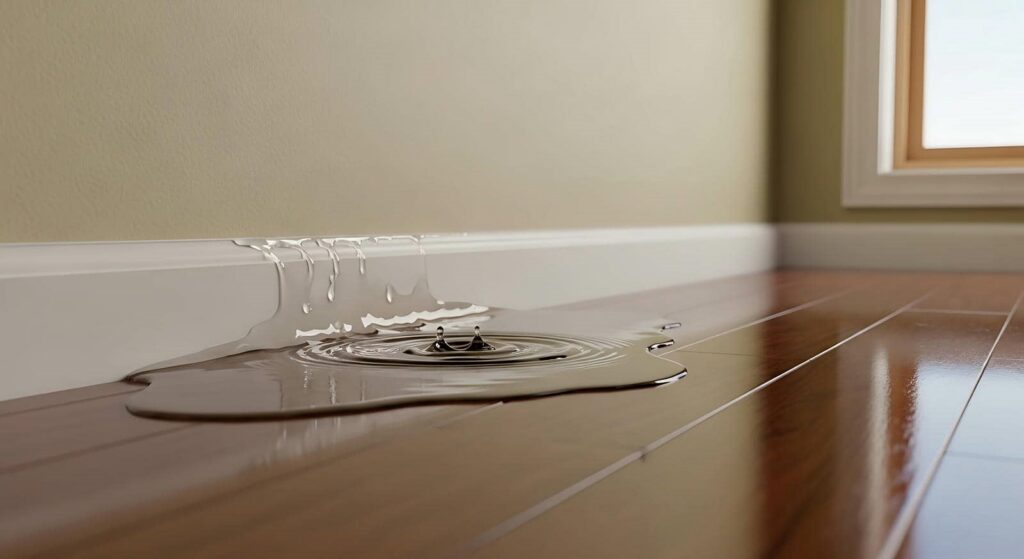

Flood damage can lead to serious long-term health issues that you might not immediately recognize. Mold-related respiratory problems can develop as damp environments foster growth. Waterborne diseases present another risk, as contaminated floodwaters expose you to harmful pathogens. Additionally, the psychological effects can linger, manifesting as anxiety or depression. Understanding these risks is vital for effective recovery and prevention strategies. What steps can you take to protect your health in the aftermath of a flood?
Key Takeaways
- Exposure to mold can lead to chronic respiratory issues, such as asthma, due to damp conditions following a flood.
- Waterborne diseases, including cholera and giardiasis, pose a significant long-term health risk from contaminated floodwaters.
- Mental health problems, such as PTSD and anxiety, can persist long after the physical effects of flooding have subsided.
- Prolonged exposure to unsanitary conditions can result in long-term gastrointestinal illnesses and infections.
- Increased stress and depression from flooding can negatively impact overall community health and individual well-being.
Mold-Related Respiratory Issues
When floodwaters recede, the aftermath often includes a hidden danger: mold. This resilient fungus thrives in damp environments, especially where water damage occurs.
Mold exposure can lead to significant respiratory issues for you and your loved ones. Studies indicate that long-term exposure can exacerbate chronic conditions such as asthma and other pulmonary diseases. Symptoms like coughing, wheezing, and shortness of breath may become persistent, impacting your daily life.
It’s essential to address mold growth promptly, as it can spread rapidly in hidden areas. Regularly inspect your home for signs of dampness or discoloration, and consider using dehumidifiers to maintain ideal humidity levels.
Protecting yourself from mold-related respiratory issues fosters a safer living environment and supports overall health. Remember, you’re not alone in this; many communities face similar challenges, and sharing experiences can help you find effective solutions together.
Waterborne Diseases
As floodwaters recede, the risk of waterborne diseases becomes a pressing concern for affected communities. Contaminated water, often laden with pathogens, poses significant health threats. You might encounter illnesses like cholera, leptospirosis, and giardiasis, which thrive in unsanitary conditions.
These diseases can spread rapidly, especially where sanitation challenges persist, leading to outbreaks that overwhelm local health systems.
To mitigate these risks, it’s essential to ensure access to clean drinking water and proper sanitation facilities. Boiling water before use and establishing temporary sanitation solutions can help protect your community.
Additionally, public health education is important; knowing the symptoms of waterborne diseases and when to seek medical attention can save lives. By addressing these challenges collectively, you can foster a healthier environment and promote community resilience in the face of future flooding events.
Mental Health Impacts
Although physical health risks from flooding are often highlighted, the mental health impacts can be equally devastating. Many individuals experience heightened anxiety disorders and emotional distress long after the floodwaters recede. Understanding these effects is imperative for recovery, and community support plays a significant role in helping you cope.
Here are some common mental health impacts you might encounter:
- Increased anxiety and panic attacks
- Post-Traumatic Stress Disorder (PTSD)
- Depression and feelings of hopelessness
- Social withdrawal and isolation
- Difficulty concentrating and making decisions
It’s essential to recognize these symptoms and seek help when needed. Engaging with community support systems can provide a sense of belonging and understanding, which is imperative for healing.
Frequently Asked Questions
How Can I Prevent Mold Growth After a Flood?
To prevent mold growth after a flood, employ mold prevention techniques like thorough drying and ventilation. Use effective flood cleanup strategies, including removing wet materials and using dehumidifiers, to maintain a safe, healthy environment.
What Are the Signs of Waterborne Diseases?
You’ll notice signs of waterborne diseases through symptoms like diarrhea, nausea, and fever. Recognizing these symptoms early can help you assess water quality and seek medical attention, ensuring you and your community stay safe and healthy.
Are Children More Susceptible to Flood-Related Health Risks?
Yes, children are particularly vulnerable to flood-related health risks. Children face a chance of developing illnesses from flood exposure, impacting their long-term health and wellbeing considerably. It’s a real concern.
How Long Can Floodwater Remain Hazardous?
Floodwater can remain hazardous for weeks or even months, depending on contamination levels and hazardous waste present. You should avoid contact with it, as prolonged exposure increases health risks, particularly from bacteria and toxic substances.
What Resources Are Available for Mental Health Support After Flooding?
You can find mental health support through local organizations, online platforms, and community support groups. These resources offer counseling, peer connections, and workshops, helping you process experiences and rebuild a sense of belonging after flooding.
Wrap-Up
In the aftermath of flooding, the shadows of long-term health risks loom large, threatening communities. Mold can silently invade homes, breeding respiratory issues that linger like a stubborn fog. Contaminated waters can introduce dangerous pathogens, turning once-safe environments into breeding grounds for illness. Additionally, the mental scars of trauma can weigh heavily, casting a pall over recovery efforts. Addressing these health risks requires proactive measures and community resilience, ensuring that you and your neighbors can rebuild with strength and support.