Water damage can strike unexpectedly, leaving you scrambling for effective solutions. Knowing how to respond quickly is vital to minimizing loss and ensuring safety. From evaluating the situation to employing the right extraction methods, every step matters. Understanding these fast water removal techniques helps you act efficiently and prepares you for future challenges. Explore the essential strategies that can protect your home and peace of mind.
Key Takeaways
- Quickly assess water damage by checking visible and hidden areas, documenting findings for insurance purposes.
- Utilize wet/dry vacuums and submersible pumps for efficient water extraction.
- Set up dehumidifiers and fans to promote rapid drying and reduce moisture levels.
- Regularly maintain sump pumps and plumbing systems to prevent future flooding.
- Seek professional help if mold appears or if water damage persists despite efforts.
Assessing Water Damage in Your Home
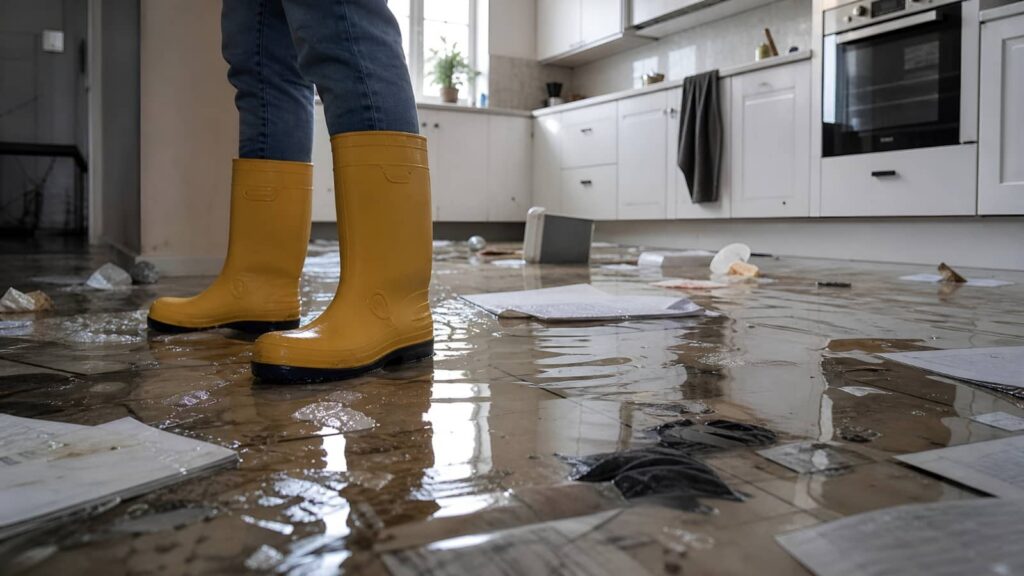
When you discover water damage in your home, the first step is to assess the extent of the problem.
Begin with water detection; look for visible signs like stains or warped surfaces. Don’t forget to check hidden areas, such as behind appliances or inside walls, where moisture can linger.
Once you’ve identified affected zones, conduct a thorough damage assessment. This means evaluating how deep the damage goes and noting any materials that need replacement.
Document everything with photos for insurance purposes.
Remember, timely and accurate assessment helps you make informed decisions and prevents further complications.
You’re not alone in this process; many homeowners face similar challenges, and seeking help is always a good option.
Quick Extraction Methods for Water Removal
If you’re facing water damage, swift extraction is essential to minimize further issues. Start by grabbing your emergency kits; they should include towels, buckets, and a pump if possible.
Use water sensors to identify the affected areas, ensuring no hidden pockets of moisture linger. As you work, focus on removing visible water quickly to prevent mold growth and structural damage.
If you’ve got access to a sump pump, set it up to expedite the process. Remember, the sooner you act, the better your chances of preserving your home.
Connect with neighbors or local resources for support; you’re not alone in this challenge. Taking these quick steps will help restore your space and give you peace of mind.
Use Wet/Dry Vacuums for Fast Water Extraction
When you’re dealing with water removal, using a wet/dry vacuum can make a significant difference.
Choosing the right model and mastering proper usage techniques are essential for effective extraction.
Let’s explore how to select the best vacuum and maximize its efficiency for your needs.
Choosing The Right Vacuum
Unlike other vacuum types, wet/dry models are designed to handle both liquid and solid debris, making them perfect for emergencies. Look for units with high suction power to ensure quick and efficient water removal.
This capability speeds up the drying process and helps prevent further damage to your home. By selecting the right wet/dry vacuum, you’re joining a community of homeowners who prioritize safety and care for their living spaces.
Investing in the right tool means you’re taking a proactive step toward recovery.
Proper Usage Techniques
Using a wet/dry vacuum effectively can drastically reduce water damage in your home. First, verify you have the proper equipment by selecting a vacuum with sufficient power and capacity.
Before starting, check the area for any electrical hazards. Begin by creating a clear path for water extraction, using the vacuum’s hose and attachments to reach tight spots.
Employ efficient water removal techniques, like making multiple passes over wet areas and using a squeegee attachment if available. Work systematically, and don’t forget to empty the vacuum’s tank regularly to maintain suction power.
Finally, after extraction, monitor the area for residual moisture to prevent mold growth. These steps foster a sense of belonging in your home as you restore it to a safe, dry state.
How to Use Submersible Pumps for Severe Flooding
When severe flooding strikes, choosing the right submersible pump is essential for effective water removal.
You’ll want to assess your pump’s capacity and features to ensure it meets your needs.
Once you’ve selected a pump, setting it up efficiently can markedly speed up the extraction process and minimize damage.
Choosing the Right Pump
If you’re facing severe flooding, selecting the right submersible pump can make all the difference in efficiently removing water.
You’ll want to evaluate various pump types, like utility and sewage pumps, depending on the nature of the flooding. Look for pumps with high flow rates to ensure you’re moving as much water as possible in a short time.
Check the pump’s capacity and head height—the distance it can push water vertically.
Remember, a reliable pump saves your home and gives you peace of mind during a stressful situation.
By making informed choices, you’re taking proactive steps to protect your space and your well-being.
Stay safe and act quickly!
Setting Up Efficiently
To effectively tackle severe flooding, setting up your submersible pump correctly is vital. Start by choosing a location away from walls and debris to ensure ideal water intake.
Attach the necessary hoses, making sure they’re secure to prevent leaks that could cause further water damage. Plug the pump into a ground fault circuit interrupter (GFCI) outlet for safety.
If you’re using multiple pumps, stagger their positions to maximize efficiency. Monitor the water level and adjust the pump settings as needed. This proactive approach is key to emergency preparedness, helping you reclaim your space quickly.
Set Up Dehumidifiers for Faster Drying
Setting up dehumidifiers can drastically speed up the drying process in water-damaged areas.
First, consider dehumidifier placement; position them in the most affected rooms to maximize efficiency. Make certain they’re not blocked by furniture or other obstacles.
Monitor moisture levels regularly using a hygrometer; aim for 30-60% humidity for ideal results. If you have multiple units, stagger their placement to ensure even air circulation.
Don’t forget to empty the water reservoir frequently or set them to drain continuously if possible.
By actively managing these devices, you’ll create a healthier environment and reduce the risk of mold growth.
Initial Water Absorption Techniques With Towels and Mops
After dehumidifiers are in place, the next step is to tackle the standing water with towels and mops.
Start with towel techniques: grab absorbent towels, fold them, and press them firmly into wet areas. This helps soak up excess moisture quickly. Replace saturated towels as needed to maximize absorption.
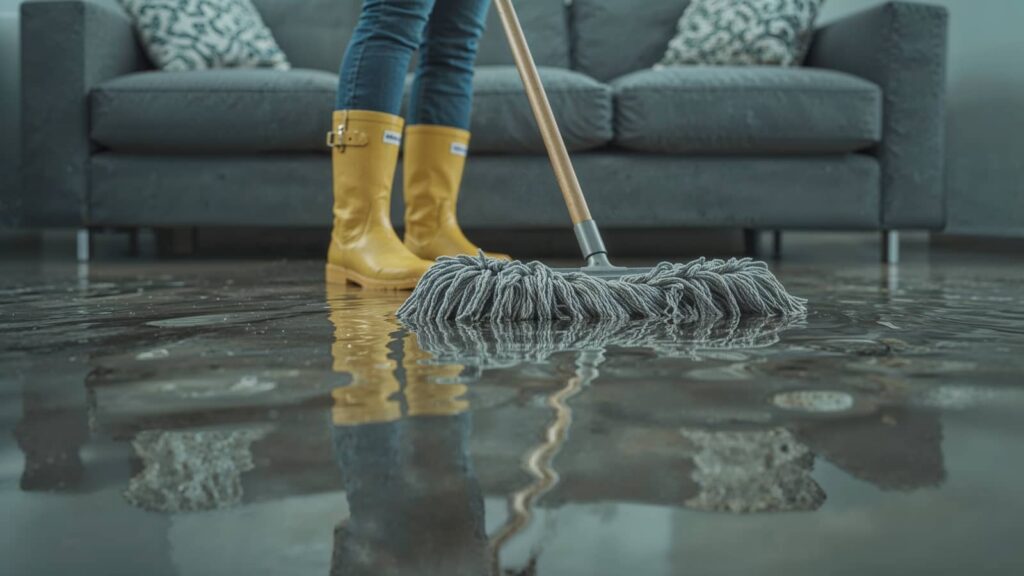
Next, use mop methods for larger areas. A sponge mop is ideal for pulling water from floors. Move methodically, working from the edges toward the center to avoid pushing water around. Wring out the mop frequently to keep it effective.
These initial absorption techniques are essential for preventing further damage, so don’t rush—take your time to ensure all standing water is removed. You’re making a difference!
Boost Airflow: How to Use Fans Effectively
While you’ve tackled standing water, boosting airflow is essential for effective drying. Start by strategically placing fans throughout the affected area.
Position them to face the wet surfaces, ensuring maximum airflow direction toward damp spots. Aim for a triangular setup: one fan in the center and two on the sides, directing air towards the wettest areas.
If possible, use a combination of box fans and oscillating fans to enhance circulation. Don’t forget to open windows and doors to create cross-ventilation, which helps expel humid air.
Keep the fans running continuously until everything is thoroughly dry. By optimizing fan placement and airflow direction, you’ll accelerate the drying process and protect your home from further damage.
Prevent Future Flooding With Sump Pumps
To prevent future flooding, installing a sump pump is essential for maintaining a dry environment.
You’ll want to choose the right type of pump and follow proper installation and maintenance tips to ensure it operates effectively.
Understanding these aspects can save you from costly water damage down the line.
Types Of Sump Pumps
When it comes to preventing future flooding, understanding the types of sump pumps available can make all the difference.
There are primarily two sump pump types: pedestal and submersible. Pedestal pumps sit above the sump pit, making them easier to access for maintenance, while submersible pumps are submerged in water, offering better sump pump efficiency.
Both types effectively remove water, but your choice should depend on your specific needs and space. Consider factors like noise level and the potential for flooding in your area.
By selecting the right sump pump, you’re taking a proactive step toward safeguarding your home and ensuring peace of mind for you and your loved ones.
Installation And Maintenance Tips
Choosing the right sump pump is just the beginning; proper installation and maintenance are essential for long-term effectiveness.
Follow these installation tips and maintenance strategies to ensure your system works when you need it most:
Select the Right Location: Position the pump in the lowest part of your basement for ideal water removal.
Secure Electrical Connections: Confirm the pump is plugged into a GFCI outlet to prevent electrical hazards.
Regularly Test the Pump: Check its operation monthly to catch any issues early.
Clean the Pit and Filter: Remove debris and sediment to maintain efficiency.
When Should You Call in Professional Water Removal Services?
How can you tell if it’s time to call in professional water removal services? If you notice persistent water damage signs like mold growth, discoloration on walls, or a musty smell, don’t hesitate to reach out for help.
Acting quickly is essential; the longer you wait, the more extensive the damage can become. If the water level is high or the source of the leak is unknown, an emergency response team can provide the expertise you need.
Professionals have the tools and knowledge to handle significant water removal safely and efficiently, ensuring your home is restored properly.
Take Preventative Measures Against Future Water Damage
Taking proactive steps to prevent water damage can save you time, money, and stress down the line.
Here are some essential measures you can take:
Invest in water leak detection systems to catch issues early.
Install moisture barriers in basements and crawl spaces to keep excess moisture at bay.
Regularly inspect plumbing for leaks and wear, addressing problems immediately.
Maintain gutters and downspouts to ensure proper water drainage away from your home.
Frequently Asked Questions
How Can I Identify Hidden Water Damage in My Home?
To identify hidden water damage, look for hidden signs like discoloration, peeling paint, or musty odors. Use moisture detection tools to pinpoint damp areas. Trust your instincts; addressing issues early can prevent costly repairs later.
What Are the Long-Term Effects of Water Damage?
Water damage can silently steal your home’s safety. It fosters mold growth, threatens structural integrity, and poses health risks. Over time, these issues can dramatically decrease your property value and jeopardize your family’s well-being.
Can I Use Regular Household Fans for Drying?
Yes, you can use regular household fans, but their efficiency might be lower compared to specialized equipment. Pair them with effective drying techniques to enhance airflow and speed up the drying process for better results.
How Quickly Should I Act After Water Damage Occurs?
You should act faster than a lightning bolt after water damage occurs. Implement immediate response and emergency measures to minimize destruction. Your prompt action can save belongings and restore your home’s comfort and safety.
What Insurance Coverage Is Available for Water Damage?
You can find various insurance coverage options for water damage, including homeowners and flood insurance. When filing insurance claims, make certain you document everything thoroughly to support your case and secure the compensation you deserve.
Wrap-Up
In managing water damage, acting quickly is like racing against time—every second counts. By using effective extraction methods and drying techniques, you can minimize destruction and restore your home. Remember, regular maintenance and preventive measures are your first line of defense against future issues. If the situation escalates beyond your control, don’t hesitate to call in professionals. Staying proactive and informed ensures a safer, drier environment for you and your loved ones.