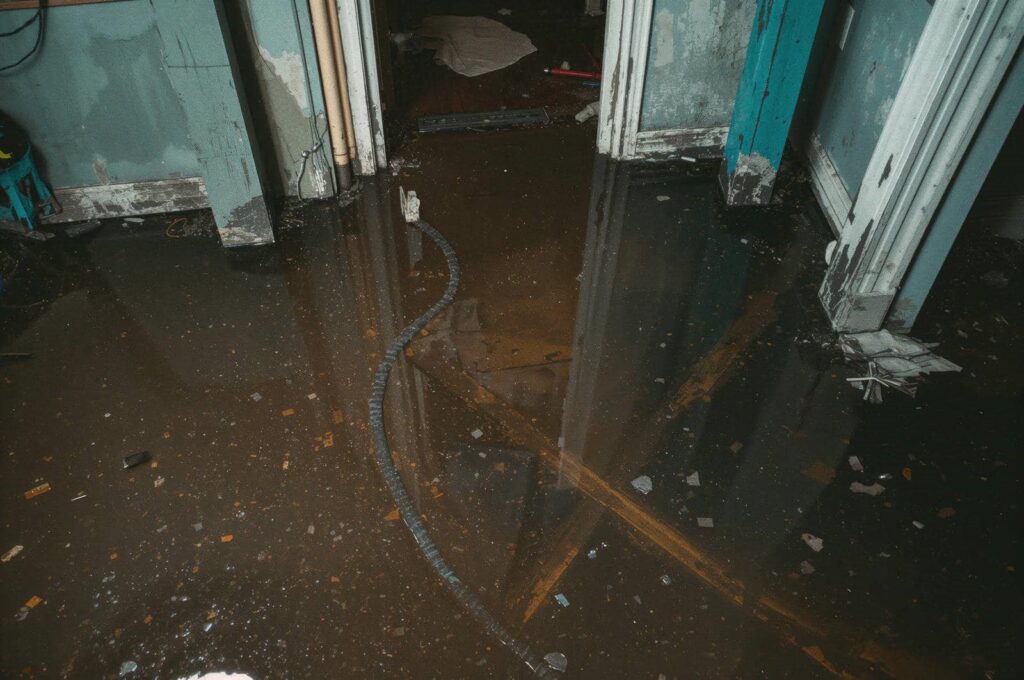
It’s interesting how many people overlook quality control after water restoration, thinking the job is done once the visible damage is addressed. However, ensuring rigorous quality control is essential for your health and the environment. It involves several critical steps that go beyond mere aesthetics, safeguarding against hidden issues like mold and compromised air quality. Understanding these facets can greatly impact the safety and effectiveness of your restoration efforts, leaving you to wonder—what’s really at stake?
Key Takeaways
- Ensures water quality meets safety guidelines, protecting health and the environment post-restoration.
- Adheres to industry standards, ensuring the effectiveness of the restoration process.
- Prevents mold growth and structural weaknesses, maintaining a safe living environment.
- Fosters customer trust and satisfaction through transparent communication and feedback.
- Facilitates ongoing monitoring to ensure long-term success and compliance in restoration efforts.
Importance of Quality Control in Water Restoration
When you consider the complexities involved in water restoration, the importance of quality control becomes clear.
Safeguarding ideal water quality is essential in protecting both your health and the environment. Quality control measures help you adhere to restoration standards that ensure the effectiveness of the process.
These standards dictate the acceptable levels of contaminants and ensure that the water meets safety guidelines before it’s deemed usable again.
Key Steps in Post-Restoration Quality Control
Although completing the water restoration process is a significant milestone, ensuring quality control afterward is essential for long-term success. Start by implementing a post-restoration checklist that covers all important areas, including moisture levels, air quality, and surface integrity. This checklist helps you stay organized and ensures no detail is overlooked.
Next, establish quality assurance protocols to verify that all restoration work meets industry standards. Regular inspections and documentation are critical; they provide evidence of compliance and help identify any lingering issues early on. Engage with your restoration team to foster open communication about any concerns, encouraging a culture of accountability.
Finally, consider customer feedback as a significant element of the quality control process. Their insights can guide improvements and reinforce the trust you’re building within your community.
Assessing Structural Integrity After Water Damage
After completing a thorough quality control process, it’s crucial to assess the structural integrity of the affected areas. This step is important for ensuring that your home remains safe and sound.
Begin your damage assessment by examining load-bearing walls, beams, and floors for any signs of weakness or bowing. Look for cracks or warping that could indicate underlying issues.
Next, check the foundation for any shifts or settling that may have occurred due to water exposure.
Don’t overlook the roof, as water damage can compromise its structural safety as well. Using moisture meters can help identify hidden damp areas, which could lead to further structural problems down the line.
Mold Inspection and Prevention Measures
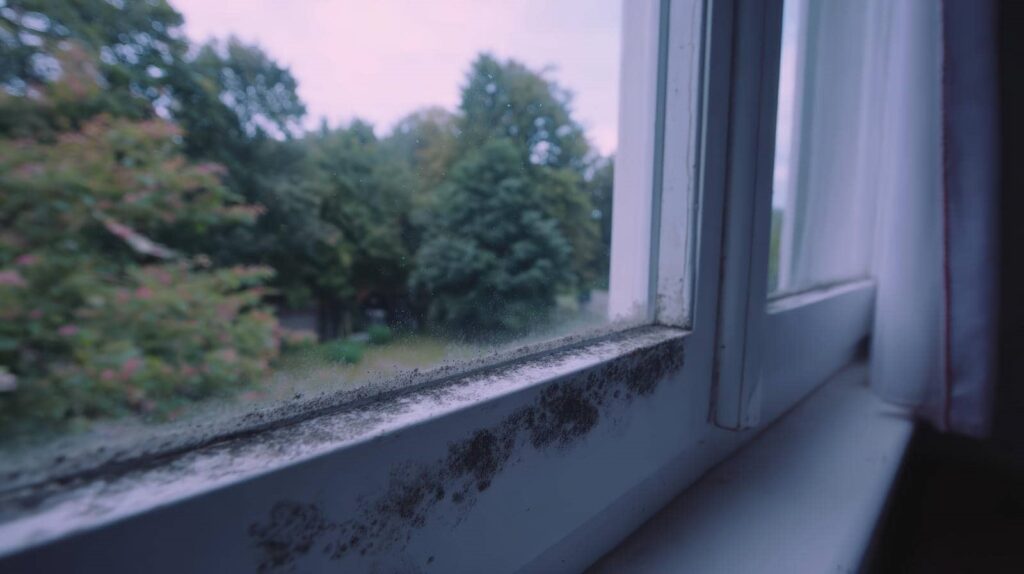
Mold inspection is essential after water restoration, as it helps you identify hidden growth that could compromise your health and property.
Implementing effective prevention strategies, such as controlling humidity and ensuring proper ventilation, can considerably reduce the risk of mold recurrence.
Additionally, consistent post-restoration monitoring techniques will keep your environment safe and mold-free in the long run.
Importance of Mold Inspection
When dealing with water damage, it’s crucial to prioritize mold inspection, as early detection can save you from extensive health risks and costly repairs.
Mold growth can lead to serious consequences for your property and for your well-being. Here are three reasons why you should act quickly:
Health Risks: Prolonged exposure to mold can cause respiratory issues, allergies, and other health problems.
Property Damage: Ignoring mold can lead to structural damage, resulting in expensive repairs down the line.
Peace of Mind: Knowing your home is safe and mold-free helps create a sense of belonging and comfort for you and your loved ones.
Don’t wait—take mold inspection seriously to protect your health and home.
Effective Prevention Strategies
To effectively prevent mold growth after water restoration, it’s essential to implement a combination of thorough inspection and proactive measures.
Start with a detailed risk assessment to identify vulnerable areas in your home. This helps you understand where moisture might accumulate and mold could thrive.
Regular preventative maintenance, such as repairing leaks and ensuring proper ventilation, is vital in reducing moisture levels. Additionally, consider using mold-resistant materials during restoration to further safeguard your space.
Don’t overlook the importance of monitoring humidity levels, as keeping them below 60% can greatly deter mold growth.
Post-Restoration Monitoring Techniques
After implementing effective prevention strategies, it’s important to establish robust post-restoration monitoring techniques to confirm your home remains mold-free.
Conducting thorough post-restoration inspections confirms that any hidden moisture is identified and addressed. By following quality assurance protocols, you can maintain a safe and healthy environment for your family.
Here are three essential monitoring techniques:
Regular Humidity Checks: Use a hygrometer to monitor humidity levels, keeping them below 60%.
Visual Inspections: Routinely examine areas prone to moisture, like basements and bathrooms, for signs of mold growth.
Professional Assessments: Schedule periodic evaluations with mold specialists to confirm long-term protection.
These practices protect your home and foster a sense of belonging, creating a safe haven for you and your loved ones.
Evaluating Air Quality and Humidity Levels
When restoring a water-damaged area, you can’t overlook the importance of air quality and humidity levels.
Monitoring these factors is essential to ensure a safe environment, as high humidity can lead to mold growth and other health issues.
Regular assessments will help you maintain ideal conditions, protecting both occupants and the integrity of the property.
Importance of Air Quality
While evaluating the success of water restoration, measuring air quality and humidity levels is essential for ensuring a safe and healthy environment.
Poor air quality can lead to serious health risks and discomfort, affecting you and everyone around you. To foster a sense of community and well-being, consider these crucial aspects:
Air Purification: Implementing effective air purification systems can greatly reduce airborne pollutants and allergens.
Ventilation Systems: Proper ventilation promotes fresh air circulation, minimizing stagnant air that can harbor mold and bacteria.
Humidity Control: Maintaining ideal humidity levels can prevent the growth of harmful microorganisms.
Monitoring Humidity Levels
Effective air quality management naturally leads to a focus on monitoring humidity levels, as they play a pivotal role in the overall environment.
By prioritizing humidity measurement, you can effectively assess moisture levels that may contribute to mold growth or structural damage. Regular moisture detection is vital in ensuring your space remains safe and comfortable.
Utilizing hygrometers and other specialized tools, you can track humidity fluctuations and make informed decisions about dehumidification or ventilation needs. This proactive approach safeguards your health and fosters a sense of community, as everyone benefits from improved air quality.
Ensuring Proper Drying and Dehumidification
To ensure proper drying and dehumidification after water restoration, you must monitor humidity levels closely and use the appropriate equipment. Neglecting this step can lead to further damage and health risks, which is why implementing effective dehumidification techniques is essential.
Here are three key components to focus on:
High-capacity dehumidifiers: These machines efficiently remove moisture from the air, preventing mold growth.
Air movers: Strategically placed around the affected area, they promote airflow and speed up the drying process.
Moisture meters: Regularly checking moisture levels ensures you’re aware of the drying progress and can adjust equipment accordingly.
Reviewing Restoration Work for Compliance
Once the drying and dehumidification processes are complete, reviewing restoration work for compliance becomes essential to ensure that all standards and regulations are met.
This phase involves conducting thorough compliance checks against established restoration standards. You’ll want to inspect every detail, ensuring that materials used, methods applied, and the overall result align with industry guidelines.
During this review, focus on identifying any discrepancies or areas needing improvement.
Engaging qualified professionals for this task will enhance the accuracy of your evaluations. They can provide insights into compliance issues that may not be immediately visible.
Customer Satisfaction and Follow-Up Procedures
While ensuring quality control is essential, addressing customer satisfaction and implementing follow-up procedures are equally important in the water restoration process.
You want to create an experience that reassures your clients and fosters trust. Gathering customer feedback validates your efforts and highlights areas for service improvement.
Consider these key steps for effective follow-up:
Personal Outreach: Call or email clients to confirm they’re satisfied with the restoration and to address any lingering concerns.
Feedback Surveys: Send short surveys to gather insights on their experience, which can guide your future improvements.
Ongoing Support: Offer resources or check-ins post-restoration to help clients maintain their space and feel supported.
Frequently Asked Questions
How Long Does the Quality Control Process Typically Take?
The quality assurance process usually takes one to three days, depending on the project’s complexity. You’ll engage in thorough inspections during this timeline, ensuring every detail meets the required standards for ideal results.
What Certifications Should a Water Restoration Company Have?
Look for certifications like IICRC and RIA; they ensure companies meet industry standards. Because homeowners prioritize certified professionals, certification’s importance can’t be overstated in assuring quality and building trust in restoration services.
Can I Perform My Own Quality Control Checks?
Yes, you can perform your own DIY inspections, but make certain you understand quality standards. Familiarize yourself with industry benchmarks to effectively evaluate the restoration work, helping you maintain safety and reliability in your environment.
What Are the Costs Associated With Quality Control Inspections?
Quality control inspections typically involve inspection expenses that can range considerably based on the property’s size and complexity. A thorough quality assessment ensures you’re aware of potential issues, helping you avoid higher costs down the line.
How Often Should Quality Control Be Conducted Post-Restoration?
You should conduct quality control inspections at key milestones, ideally every week during the restoration timeline. For example, after initial drying, make certain quality assurance checks are in place to prevent future mold issues.
Review
In the end, ensuring quality control after water restoration isn’t just a step—it’s the bridge to safety and satisfaction. By meticulously following protocols, you protect your environment and foster trust with your clients. Remember, a thorough inspection is like a safety net, catching any potential issues before they escalate. So, invest in quality control; it’s the key that opens a healthier living space and paves the way for future success in your restoration efforts.