When a flood emergency strikes, it’s essential to take immediate action to protect yourself and your loved ones. Start by evaluating the situation with reliable forecasting tools and local alerts. Gather necessary supplies and know your evacuation routes. Clear communication with family and emergency services is important. But what happens after the water recedes? There are significant steps to follow for recovery that you should be prepared for.
Key Takeaways
- Utilize flood forecasting tools for real-time updates on water levels and storm activity in your area.
- Prepare an evacuation plan that includes essential supplies, communication with family, and routes to safe shelter.
- Document damage through photographs and an inventory of affected items for insurance claims.
- Stay informed about local emergency alerts, utility outages, and restoration timelines from community resources.
- Seek mental health support through local organizations and foster community connections to cope with stress.
Assessing the Flood Situation
When a flood strikes, evaluating the situation quickly is essential for effective response. First, rely on flood forecasting tools to gather real-time data about water levels and storm activity. This information helps you gauge the severity and potential impact of the flood.
Next, conduct a risk assessment to identify areas at higher risk and prioritize your response accordingly. Look for indicators such as rising water, road closures, or evacuation orders from local authorities.
Engage with your community to share updates and gather insights. This collective awareness can enhance your understanding of the situation.
Remember, the sooner you assess the flood situation, the better prepared you’ll be to take necessary actions. Your proactive approach safeguards your well-being and fosters a sense of belonging and responsibility within your community.
Stay informed, remain vigilant, and act decisively to protect yourself and your loved ones.
Ensuring Personal Safety
To ensure your personal safety during a flood, prioritize immediate actions and stay informed. Make sure you’re aware of local emergency alerts and weather updates.
Gather essential supplies, including food, water, and a flashlight, to prepare for potential isolation. Equip yourself with personal protective equipment, such as boots and gloves, to shield yourself from hazardous materials and contaminated water.
If you’re in a situation where injuries occur, having a basic understanding of emergency first aid can be invaluable. Know how to treat cuts, scrapes, or other injuries that may arise during flooding.
Create a communication plan with family and friends, so everyone knows how to reach each other.
Finally, stay calm and focused. Your safety is a priority, and by taking these steps, you’ll protect yourself and contribute to the well-being of your community during this challenging time.
Evacuating Affected Areas
Once you’ve secured your personal safety, it’s time to focus on evacuating affected areas. Gather your essentials and prepare for shelter relocation. Stay informed about local evacuation routes, as they’re designed to guide you safely away from danger.
Check for any updates on road conditions and closures, and follow the instructions from local authorities.
If you’re with family or friends, stick together and communicate your plan clearly. Make sure everyone knows the designated meeting points and the route to take. If you have pets, don’t forget to include them in your evacuation plan.
As you leave, remain calm and focused. Avoid driving through flooded areas, as even shallow water can be deceptive.
Communicating With Emergency Services
When communicating with emergency services during a flood, your first step is to contact local authorities.
Provide them with accurate information about your location and any immediate needs.
Clear communication can greatly enhance response efforts and help ensure everyone’s safety.
Contacting Local Authorities
As floodwaters rise, promptly contacting local authorities is essential for your safety and the safety of those around you.
Make sure you’re familiar with the local reporting procedures and have emergency contacts readily available.
Here’s what you should do:
- Call 911 for immediate emergencies.
- Use local hotlines to report flooding issues.
- Stay informed through local news for updates.
- Follow guidance from emergency services.
Providing Accurate Information
After you’ve reached out to local authorities, providing accurate information becomes vital for effective emergency response. Make sure your messaging is clear and concise. Relay essential details like your location, the extent of flooding, and any immediate dangers. This accuracy aids emergency services in prioritizing their response efforts, ultimately saving lives.
Use multiple channels for information dissemination, such as social media, community boards, and text alerts. Remember, the quicker and clearer you communicate, the better prepared everyone will be.
Encourage your neighbors to share their observations as well; collective knowledge strengthens community resilience. By focusing on accurate messaging, you help yourself and contribute to the safety and well-being of your entire community during this critical time.
Documenting Damage for Insurance
After a flood, you need to document the damage for your insurance claim.
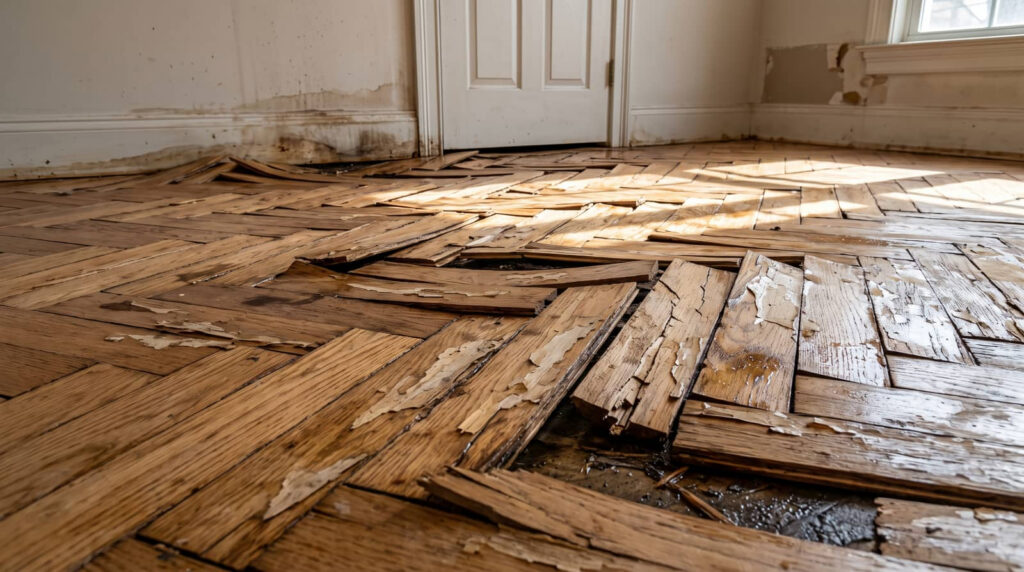
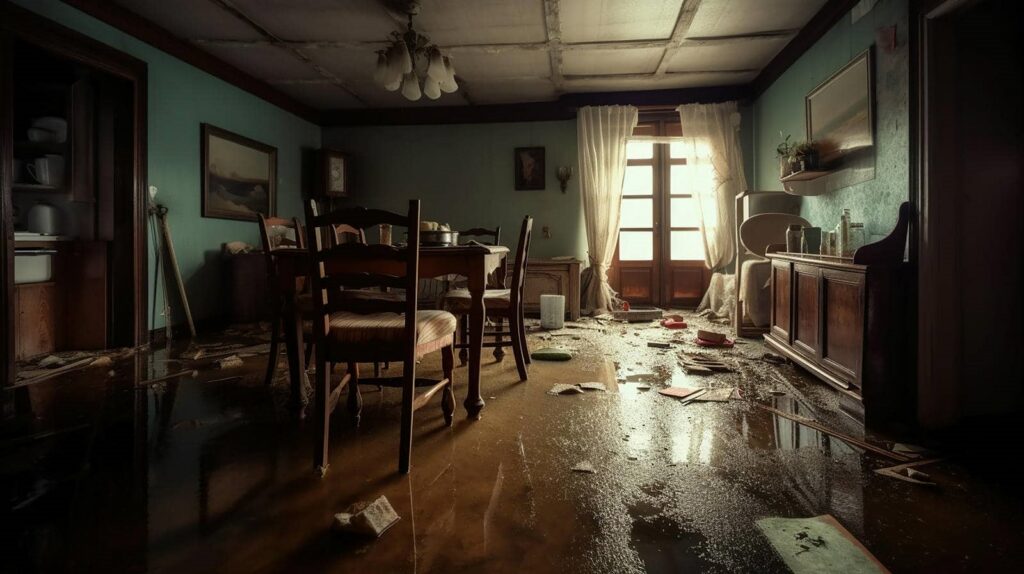
Start by photographing all affected areas and items, ensuring you capture details that highlight the extent of the destruction.
Next, create an itemized inventory of damaged possessions to support your claim effectively.
Photographing Affected Areas
When you’re dealing with flood damage, capturing clear photographs of the affected areas is essential for your insurance claim.
To effectively document the damage, use these flood photography techniques to ensure you’re capturing damage visually:
Wide shots: Capture the overall scene to show the extent of the flooding.
Close-ups: Focus on specific damage, like water-stained walls or ruined furniture.
Before and after: If possible, include photos from before the flood for comparison.
Timestamp your photos: Use your phone or camera settings to show the date and time the images were taken.
These techniques strengthen your claim and provide a clear record of the impact, making the process easier for both you and your insurance provider.
Itemized Damage Inventory
Creating an itemized damage inventory is essential for effectively documenting your losses and streamlining your insurance claim process. Start by compiling an itemized checklist that includes each damaged item, its value, and any relevant details. This organized approach will make your damage assessment easier and more thorough.
Don’t forget to include photographs for visual proof, as these can notably strengthen your claim. Be as specific as possible, noting the condition and age of each item.
Once you’ve completed your inventory, keep it in a safe place, ideally alongside your insurance policy documents. This proactive step aids in recovering your losses and fosters a sense of community support as you navigate this challenging time together.
Implementing Water Damage Cleanup
As you begin implementing water damage cleanup, it’s essential to act quickly to minimize further damage and health risks.
Start by evaluating the affected areas and prioritize immediate actions. Here’s what you need to do:
Use effective water extraction methods to remove standing water. Wet vacuums or pumps can be invaluable.
Remove damaged materials like carpets, drywall, and insulation to prevent mold growth.
Dry the area thoroughly with fans and dehumidifiers, ensuring all moisture is eliminated.
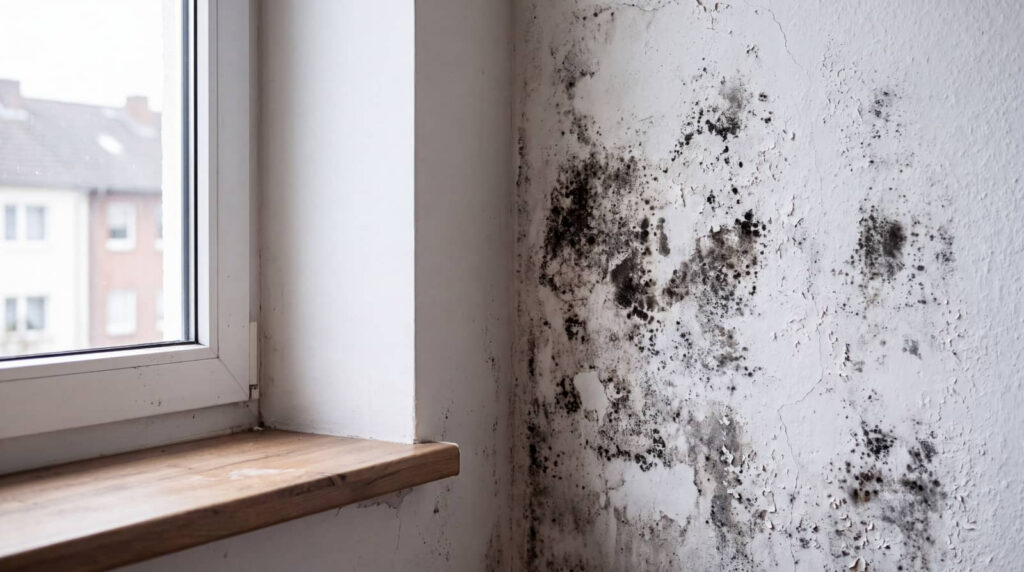
Employ mold remediation techniques to prevent future issues, treating surfaces with appropriate solutions.
Addressing Mold Prevention
After you’ve tackled immediate water damage cleanup, mold prevention becomes a top priority. Mold can develop quickly in damp environments, so you must act fast.
Start by using effective mold identification techniques, such as visual inspections and moisture meters, to detect any hidden growth. This’ll help you spot problem areas before they worsen.
Once you’ve identified potential mold sources, apply appropriate mold remediation methods. Thoroughly clean affected surfaces with a mixture of water and detergent, and ensure good ventilation to aid drying.
If the infestation is significant, consider hiring professionals experienced in mold remediation to mitigate health risks.
To prevent future mold growth, keep indoor humidity levels below 60% by using dehumidifiers and ensuring proper ventilation in bathrooms and kitchens.
Regularly check for leaks and address them immediately. By taking these steps, you’ll create a healthier environment for you and your loved ones.
Restoring Utilities and Services
Once you’ve managed the immediate aftermath of flooding, restoring utilities and services becomes essential for returning to normalcy.
Effective utility restoration and service coordination are key to getting your life back on track. Here’s how to proceed:
Contact utility providers: Reach out to your local water, gas, and electricity companies to report outages and get updates.
Assess damage: Evaluate your home for any damage to utility lines and appliances, and document the issues.
Coordinate with professionals: Work with licensed contractors to ensure repairs meet safety standards and regulations.
Stay informed: Keep updated on restoration timelines and community resources through local news or community boards.
Providing Mental Health Support
In the aftermath of a flood, you might notice signs of emotional distress in yourself or others.
It’s essential to recognize these feelings and address them promptly.
Accessing professional mental health resources can provide the support needed to navigate these challenging times.
Recognizing Emotional Distress
How can you identify emotional distress in yourself or others during a flood emergency? The emotional impact of such situations can be overwhelming.
Recognizing signs of distress is vital for offering support. Look for these indicators:
- Persistent anxiety or fear
- Changes in mood, like irritability or sadness
- Withdrawal from social interactions
- Difficulty concentrating or making decisions
These signs might indicate that someone is struggling to cope.
It’s essential to approach these situations with empathy and understanding. Encourage open conversations and share coping strategies to foster a sense of belonging.
Accessing Professional Resources
While recognizing emotional distress is essential, accessing professional resources can greatly enhance recovery during a flood emergency.
Consider reaching out for professional assistance to help you cope with the challenges you face. Mental health professionals can provide tailored support, helping you process your feelings and develop coping strategies.
Effective resource management is key—connect with local organizations that offer counseling services or crisis hotlines. These resources often foster community, creating a sense of belonging during tough times.
Don’t hesitate to rely on these professionals; they’re trained to guide you through emotional turmoil. Remember, seeking help is a sign of strength, and you don’t have to navigate this journey alone.
Together, you can rebuild and heal.
Reviewing and Updating Emergency Plans
When it comes to flood emergencies, having a well-reviewed and updated emergency plan can make all the difference.
Regularly revisiting your plan ensures it stays relevant and effective. Here are four key steps to help you stay prepared:
Conduct regular reviews: Schedule periodic assessments of your emergency plan to adapt to new risks or changes in your community.
Incorporate emergency training: Make sure all community members understand their roles during a flood emergency.
Organize community drills: Practice your emergency plan through drills, ensuring everyone knows what to do when it matters most.
Update contact information: Keep emergency contacts and resources current to ensure swift communication during a crisis.
Frequently Asked Questions
What Supplies Should I Include in My Emergency Kit for Floods?
Include emergency supplies like water, non-perishable food, a flashlight, batteries, a first aid kit, important documents, and medications. These items ensure your flood preparedness and keep you and your loved ones safe during emergencies.
How Can I Protect My Pets During a Flood Emergency?
When the floodwaters rise like a tidal wave, gather your pets and prepare for evacuation. Pack emergency supplies like food, water, leashes, and carriers. Your furry companions depend on you to keep them safe.
What Should I Do if I Become Trapped by Floodwaters?
If you’re trapped by floodwaters, stay calm and assess your situation. Signal for help using bright clothing or lights, and consider safety measures like climbing to higher ground. Explore rescue options; don’t attempt to swim unless absolutely necessary.
Are There Specific Flood Warning Signs to Watch For?
Watch for flood indicators like heavy rainfall, rising water levels, or sudden changes in river currents. Pay attention to local warning systems; they provide essential alerts to help you stay safe during potential flooding situations.
How Can I Help Neighbors Who May Need Assistance During a Flood?
During a flood, you can be a lifeline. Use emergency communication to check on neighbors, share community resources, and offer help. Your support can strengthen bonds, ensuring everyone feels connected and safe in tough times.
Summary
In the face of a flood, your swift actions can be the lifeline that keeps you and your loved ones safe. By evaluating the situation, securing supplies, and staying connected, you’re not just weathering the storm—you’re building a fortress of resilience. Remember, the aftermath isn’t just about recovery; it’s a chance to strengthen your emergency plans and support each other. Together, you can rise above the floodwaters, turning adversity into a stepping stone for a stronger community.