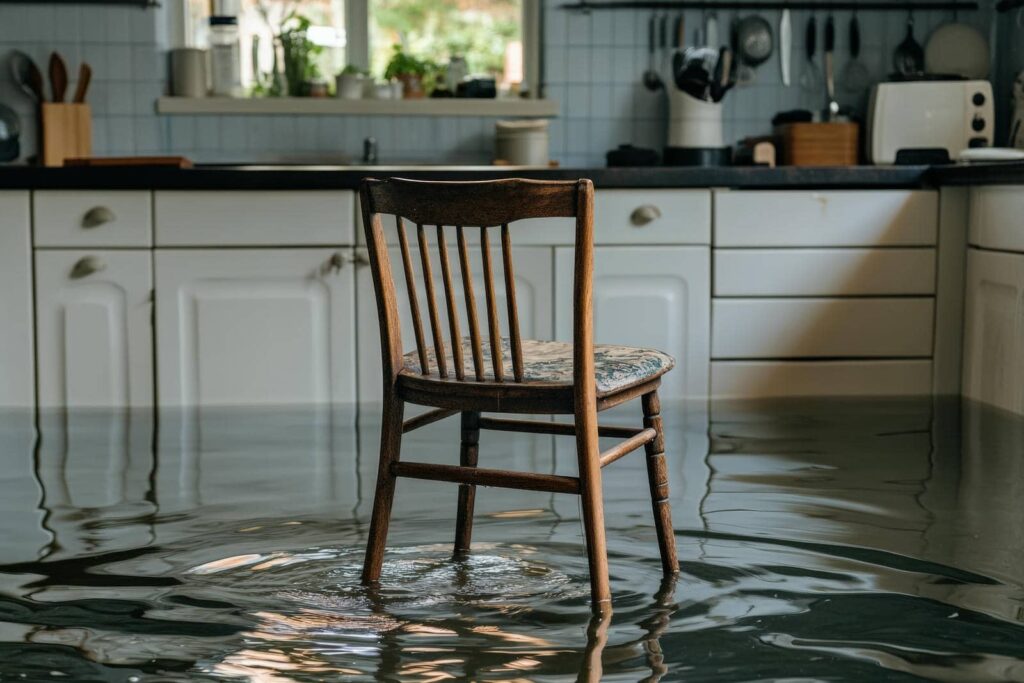
Water damage can wreak havoc on your property, yet timely and effective cleanup can restore it to its former state. You need to assess the damage quickly while ensuring safety precautions are in place. Once you’ve identified the source, efficient removal of standing water is vital. But that’s just the beginning—understanding the best techniques can make all the difference in preventing future issues. Are you ready to explore these essential methods?
Key Takeaways
- Conduct a thorough damage assessment to identify the source and severity of water damage before initiating cleanup efforts.
- Remove standing water quickly using submersible pumps and wet/dry vacuums to minimize further damage.
- Utilize air movers and dehumidifiers strategically to enhance moisture evaporation and drying efficiency in affected areas.
- Clean and sanitize all surfaces with appropriate disinfectants to eliminate pathogens and prevent mold growth.
- Implement preventative measures, such as waterproofing and drainage solutions, to reduce the risk of future water damage.
Assessing the Extent of Water Damage
When you encounter water damage, evaluating its extent is essential for effective cleanup and restoration.
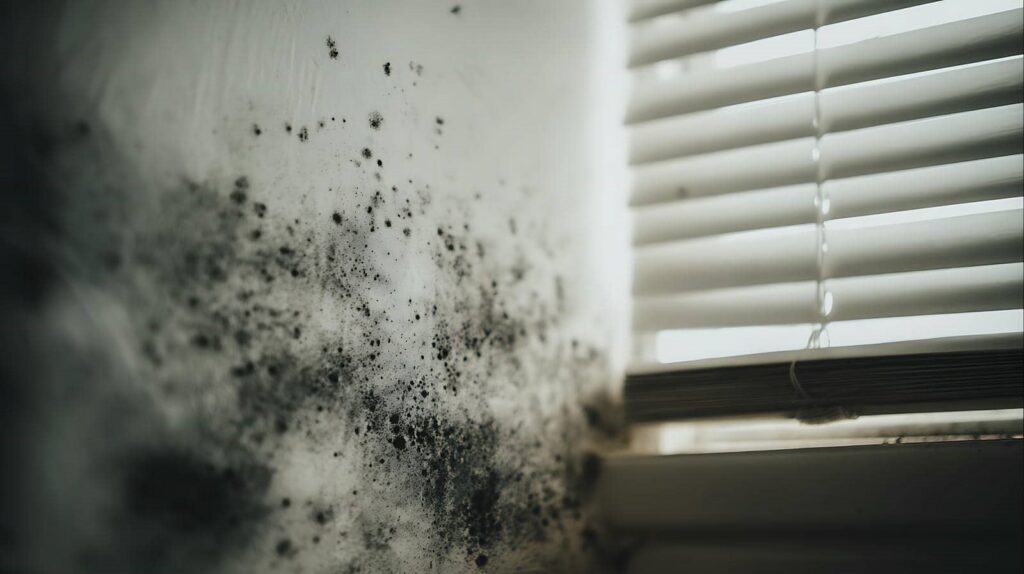
Begin with a thorough damage assessment to identify the source and severity of the water intrusion. Inspect affected areas, including walls, floors, and ceilings, looking for visible signs like discoloration, warping, or mold growth. Utilize moisture meters to quantify the saturation levels in various building materials.
Next, conduct a detailed structural evaluation to ensure the integrity of your property. This involves examining load-bearing structures, joists, and beams for signs of compromise.
Pay attention to hidden spaces, such as behind drywall or under flooring, as damage can often lurk out of sight. Document your findings meticulously, as this information will guide your restoration efforts and inform any necessary repairs.
Ensuring Safety and Health Precautions
Before starting any water damage cleanup, it’s crucial to implement safety and health precautions to protect yourself and others. Neglecting these measures can expose you to significant health risks.
Follow these guidelines to ensure your safety:
Wear Personal Protective Equipment (PPE): Use gloves, masks, and waterproof boots to prevent direct contact with contaminated water.
Assess Electrical Hazards: Before entering the area, check for damaged electrical outlets or appliances that could pose a shock risk.
Ventilate the Space: Open windows and doors to encourage airflow, reducing mold growth and improving air quality.
Stay Informed: Keep up with local advisories regarding water quality and potential contaminants in flood-affected areas.
Removing Standing Water Efficiently
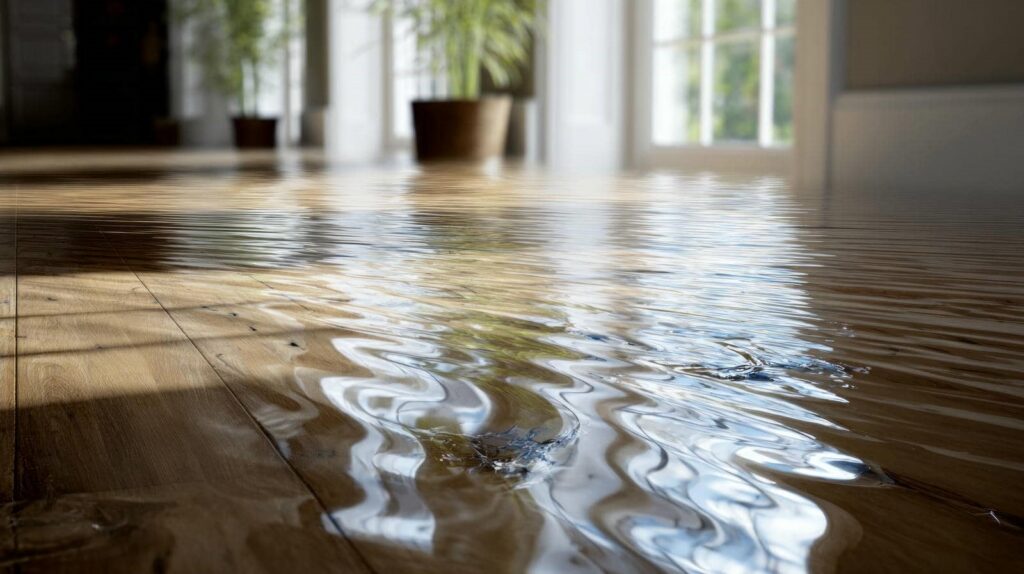
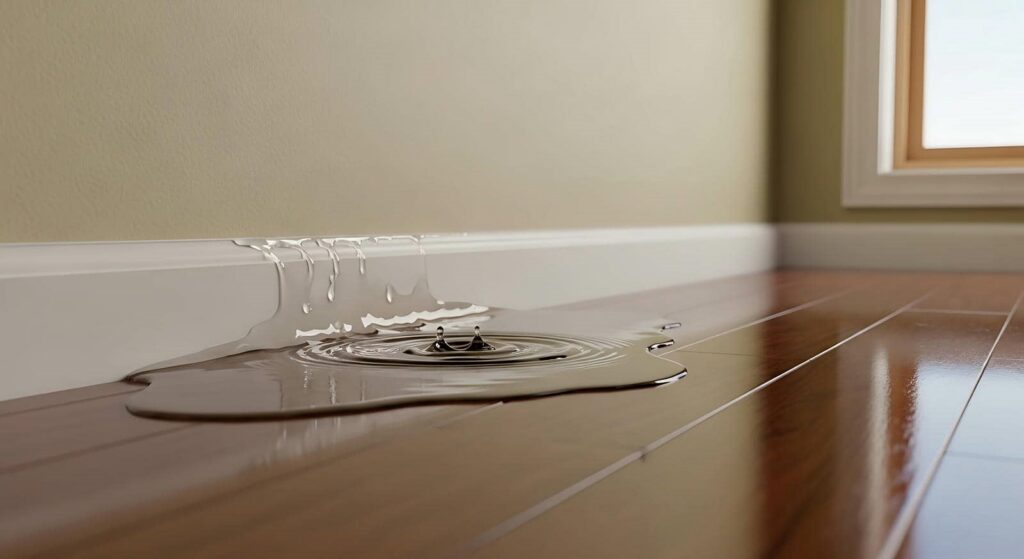
To effectively remove standing water, you must act quickly and employ the right tools to minimize damage and prevent mold growth. Start by using pumping systems specifically designed for water extraction. These systems can handle large volumes of water efficiently, allowing you to clear the area rapidly.
Begin with submersible pumps, which are ideal for deep water removal. Position the pump in the lowest area of the flooded space to maximize water removal.
For smaller volumes, portable wet/dry vacuums can be effective, especially in confined spaces.
As you extract water, make sure you’re monitoring the saturation levels of carpets and flooring materials. After initial extraction, check for hidden pockets of water, as these can lead to future issues.
Utilizing High-Quality Dehumidifiers
To effectively manage water damage, utilizing high-quality dehumidifiers is essential for reducing moisture levels in affected areas.
You’ll encounter various types of dehumidifiers, each suited for different environments and situations.
Understanding the proper usage techniques will maximize their efficiency and speed up the drying process.
Importance of Dehumidifiers
While water damage can lead to significant structural issues and health risks, utilizing high-quality dehumidifiers is crucial for effective cleanup and restoration.
They offer numerous dehumidifier benefits that help ensure your space returns to a safe environment. Here’s how they aid in moisture control:
Rapid Drying: They quickly remove excess moisture, preventing mold growth.
Improved Air Quality: By reducing humidity, they help eliminate allergens and irritants.
Structural Integrity: Maintaining ideal moisture levels protects walls, floors, and furniture from warping and decay.
Cost Efficiency: Investing in quality dehumidifiers minimizes long-term repair costs associated with water damage.
Types of Dehumidifiers
When selecting the right dehumidifier for water damage cleanup, understanding the different types available is crucial.
You’ll typically encounter two main types: desiccant dehumidifiers and refrigerant dehumidifiers. Desiccant dehumidifiers use hygroscopic materials to absorb moisture from the air, making them ideal for lower temperatures and situations where you need rapid moisture removal.
On the other hand, refrigerant dehumidifiers work by cooling the air, condensing moisture, and collecting it in a tank. They’re most effective in warmer environments.
Choosing the appropriate type depends on the specific conditions of your water damage situation. By knowing these differences, you can ensure the best moisture control and protect your property effectively.
Proper Usage Techniques
Using high-quality dehumidifiers effectively can greatly expedite the water damage cleanup process.
To ensure you’re employing proper cleaning techniques and effective drying methods, follow these steps:
Positioning: Place dehumidifiers in the most affected areas, ideally near sources of moisture.
Settings: Set the humidity level between 30-60% for peak performance.
Ventilation: Ensure good airflow by keeping doors and windows closed; this helps maximize the dehumidifier’s efficiency.
Maintenance: Regularly empty the water reservoir or connect a hose for continuous drainage.
Implementing Air Movers for Effective Drying
To achieve effective drying during water damage cleanup, you need to understand airflow principles and how they impact moisture removal.
Proper placement of air movers is essential for maximizing efficiency, and selecting the right type of air mover can greatly enhance the drying process.
In this section, we’ll explore these key aspects to ensure superior results.
Airflow Principles Explained
Effective drying in water damage cleanup hinges on understanding airflow principles, as proper air movement accelerates moisture evaporation from surfaces.
By implementing effective ventilation strategies, you can optimize airflow patterns, enhancing the drying process. Here are four key points to take into account:
Airflow Direction: Position air movers to create a straight-line flow, targeting wet areas directly.
Cross Ventilation: Open windows and doors to facilitate fresh air intake, balancing humidity levels.
Temperature Control: Increase air temperature to boost evaporation rates, making it easier for moisture to escape.
Layering Technique: Use multiple air movers at different heights to ensure thorough coverage and reach all surfaces.
Mastering these principles will greatly improve your water damage cleanup efforts, fostering a sense of community as you tackle challenges together.
Placement Strategies for Efficiency
Proper placement of air movers is essential for achieving ideal drying results during water damage cleanup. To maximize efficiency optimization, utilize strategic placement techniques.
Position air movers in a way that directs airflow across wet surfaces, ensuring moisture evaporates quickly. Create a triangular pattern by placing one air mover in the center and others at angles to enhance circulation.
Maintain a distance of 10-15 feet between units to avoid airflow interference. Always aim air movers towards walls and floors, as these areas often retain moisture.
Additionally, make sure that air movers are elevated slightly to promote airflow beneath furniture and obstacles. By adhering to these placement strategies, you’ll greatly improve drying efficiency, leading to faster and more effective water damage restoration.
Types of Air Movers
Air movers play an essential role in the water damage restoration process, offering various types designed to meet specific drying needs.
Understanding these air mover types can greatly enhance your cleanup efforts. Here are four common types and their benefits:
Axial Air Movers: Ideal for large areas, they move a high volume of air quickly.
Centrifugal Air Movers: Perfect for targeted drying, delivering focused airflow for concentrated areas.
High-Pressure Air Movers: Designed for drying carpets and upholstery, providing forceful airflow.
Low-Profile Air Movers: Great for tight spaces, ensuring effective drying without obstructing movement.
Utilizing the right air mover types speeds up drying time and helps prevent mold growth, ensuring a safer environment for you and your loved ones.
Cleaning and Sanitizing Affected Areas
To restore safety and hygiene in areas affected by water damage, thorough cleaning and sanitizing are essential steps.
Start by removing any standing water and debris. Next, focus on sanitizing surfaces that came into contact with contaminated water. Use a mixture of water and a suitable disinfectant to clean hard surfaces, ensuring you follow the manufacturer’s instructions for proper dilution and application.
For porous materials, like carpets and upholstery, consider using specialized cleaners or replacing them if they can’t be adequately disinfected. Pay particular attention to high-touch areas, as these require disinfecting materials that effectively eliminate pathogens.
After cleaning, allow surfaces to dry completely to prevent mold growth. Regularly check your cleaning tools to verify they’re free of contamination, as using dirty equipment can negate your efforts.
Monitoring Moisture Levels and Structural Integrity
While addressing water damage, you must continuously monitor moisture levels and structural integrity to prevent long-term issues.
Neglecting these factors could lead to serious problems down the line. Here’s how you can effectively conduct moisture monitoring and structural assessment:
Use a Moisture Meter: Regularly check affected surfaces to quantify moisture content.
Inspect Structural Elements: Examine beams, joists, and walls for signs of warping or deterioration.
Check for Mold Growth: Look in hidden areas, as mold can develop quickly in damp conditions.
Document Findings: Keep a detailed record of your assessments to track changes over time.
Preventing Future Water Damage Issues
Since water damage can lead to significant structural and financial issues, implementing proactive measures is crucial for preventing future incidents.
Start by investing in effective waterproofing techniques for your home. This includes applying waterproof coatings to your foundation and sealing cracks to prevent water infiltration.
Next, prioritize proper drainage solutions. Confirm gutters and downspouts direct water away from your property, and consider installing a French drain system to manage groundwater effectively.
Regularly inspect and maintain these systems to confirm they function properly.
Additionally, establish a routine to check for leaks in pipes, roofs, and appliances. Addressing these issues promptly can save you from larger problems down the line.
Frequently Asked Questions
What Are the Common Signs of Hidden Water Damage?
You’ll notice signs of hidden water damage like damp spots, mold growth, or warped walls. Use moisture detection tools to identify hidden leaks behind surfaces, ensuring you tackle issues before they escalate and cause further damage.
How Long Does It Take for Water Damage to Become Serious?
Just 24 to 48 hours can mark the water damage timeline for serious damage indicators like mold growth. If you notice lingering moisture or musty odors, don’t hesitate—act quickly to prevent further issues.
Can I Use My Home Vacuum to Remove Water?
You shouldn’t use your home vacuum for water extraction. It’s not designed for liquids and can pose vacuum safety risks. Instead, opt for a wet/dry vacuum specifically meant for efficient and safe water removal.
Should I File an Insurance Claim for Minor Water Damage?
If a leaky roof caused minor water damage, filing an insurance claim might be wise. Even small repairs can add up, and documenting everything ensures you’re covered when unexpected costs arise later. Always review your policy.
What Items Can Be Salvaged After Water Damage?
You can salvage furniture restoration items like hardwood pieces and upholstered furniture if dried quickly. Additionally, salvageable electronics may include devices that weren’t submerged or exposed to contaminants, provided they’re thoroughly inspected and dried before use.
Wrap-Up
Effective emergency water damage cleanup hinges on swift action and thorough techniques. By promptly evaluating damage, removing standing water, and employing dehumidifiers and air movers, you can greatly mitigate risks. Regular monitoring of moisture levels and proactive prevention strategies will safeguard your property’s integrity, ensuring you’re better prepared for any future water-related issues.