Like a seasoned sailor steering through turbulent waters, you need a clear plan for flood cleanup to ensure safety and effectiveness. First, evaluating the extent of water damage is essential. You’ll then develop a thorough cleanup plan that outlines each step. Implementing safety protocols will protect your team as you proceed. But how do you confirm that every aspect of the process meets quality standards? Let’s explore the key steps to achieve successful restoration.
Key Takeaways
- Conduct thorough assessments to identify water damage sources and affected materials, ensuring accurate documentation for quality assurance.
- Establish a detailed cleanup plan that includes risk assessments and necessary equipment to guide the restoration process effectively.
- Implement safety protocols and provide PPE to team members, fostering a safe environment throughout the cleanup operation.
- Monitor progress with clear metrics and regular communication to address challenges and maintain adherence to the cleanup timeline.
- Perform final inspections against quality checklists, assessing functionality and aesthetics before documenting results for transparency and accountability.
Assessing the Extent of Water Damage
As you begin evaluating the extent of water damage, it’s essential to approach the task methodically to confirm nothing is overlooked.
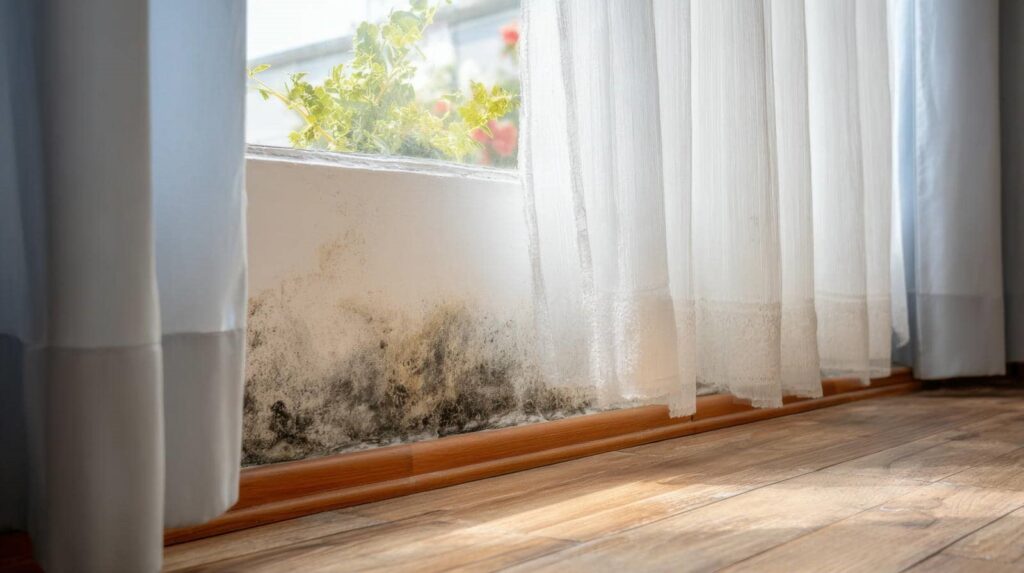
Start your water damage assessment by identifying the source of the water intrusion. Check for visible signs, like discoloration, mold growth, or warped surfaces. Use damage evaluation techniques to assess the affected materials, noting which items can be salvaged and which need replacement.
Measure moisture levels in walls and flooring with a moisture meter, as hidden damage often lurks beneath surfaces. Document your findings with detailed notes and photographs to confirm accuracy and facilitate future discussions with restoration professionals.
Engage with others who’ve experienced similar flooding events; their insights can provide valuable context and support.
Developing a Comprehensive Cleanup Plan
Once you’ve assessed the extent of water damage, it’s crucial to develop a detailed cleanup plan that addresses all aspects of the situation.
Start by conducting a thorough risk assessment to identify potential hazards, such as mold growth or structural instability. This will help you prioritize tasks and allocate resources effectively.
Next, list all necessary equipment and materials, ensuring you have enough supplies to tackle each phase of the cleanup.
Consider reaching out to local organizations or community groups for additional support and resources.
Create a timeline that outlines each step, from debris removal to sanitization, making sure to allow for flexibility.
Engage your team and communicate the plan clearly, encouraging collaboration and input.
Implementing Safety Protocols
With an extensive cleanup plan in place, the next step is to implement safety protocols that protect you and your team during the flood recovery process.
Start with thorough safety training, ensuring everyone understands potential risks and their roles in mitigating them. This training should cover hazard identification—recognizing dangers like mold, electrical hazards, and contaminated water.
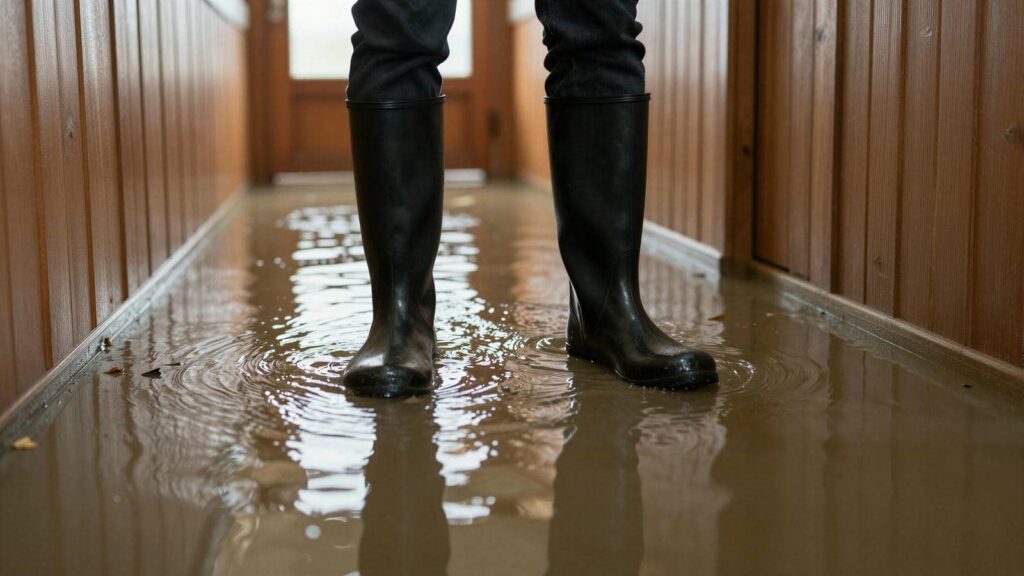
Before starting the cleanup, conduct a thorough site assessment to pinpoint specific hazards. Equip your team with personal protective equipment (PPE) such as gloves, masks, and boots, tailored to the identified risks.
Regular safety briefings can help reinforce protocols and encourage team members to voice concerns or suggestions.
Fostering a culture of safety creates a sense of belonging and responsibility among your crew. Together, you’ll navigate the recovery process, ensuring not just effective cleanup, but a secure and supportive environment for everyone involved.
Ensuring Proper Equipment and Materials
- Water Extraction Tools: Invest in powerful pumps and wet vacs to remove standing water efficiently.
The right tools can drastically reduce drying time.
- Protective Gear: Ensure you have adequate personal protective equipment, including gloves, masks, and boots.
Safety should always be a priority, protecting you from contaminants.
- Cleaning Supplies: Use high-quality cleaning agents and disinfectants to address mold and bacteria.
The right materials will help restore your environment and prevent future issues.
Monitoring Cleanup Progress
After confirming you have the right equipment and materials, the next step involves closely monitoring the cleanup progress.
Establish clear progress metrics to gauge how effectively your team is tackling the task. These metrics could include the amount of debris removed, areas cleared, and time taken for each phase. Regularly check in on the cleanup timeline to verify you’re on track and adjust as necessary.
Communicate with your team to identify any challenges or delays. This open dialogue fosters a sense of belonging and encourages collaboration, making everyone feel invested in the outcome.
Document each phase of the cleanup to create a record of progress, which can be helpful for future reference.
Conducting Final Inspections
Conducting final inspections is essential to confirm that every aspect of the flood cleanup meets safety and quality standards.
This final walkthrough helps you verify that everything is properly restored and safe for occupancy.
Follow these steps for an effective inspection:
Review the Quality Checklist: Ascertain that all items on your quality checklist have been addressed, including structural integrity, mold prevention, and air quality.
Assess the Aesthetics: Check for any visible signs of damage or imperfections, making sure that the appearance meets your expectations and the original condition.
Test Functionality: Verify that all systems, like plumbing and electrical, are operational and safe.
Documenting the Restoration Process
Documenting the restoration process is vital for ensuring transparency and accountability in flood cleanup efforts.
You’ll need to gather various records, including initial assessments, photographs of damage, and invoices for materials and labor.
Importance of Documentation
Thorough documentation is essential for ensuring a successful restoration process after a flood. It not only helps you track progress but also offers significant documentation benefits while addressing common documentation challenges.
Here are three key reasons to document your restoration process:
Accountability: Detailed records ensure everyone involved understands their responsibilities, reducing confusion and enhancing teamwork.
Insurance Claims: Proper documentation supports your claims, making it easier to recover costs associated with damages.
Future Preparedness: Having a well-documented process allows you to learn from past experiences, improving your response to future floods.
Types of Records Needed
To effectively manage the restoration process after a flood, you’ll need to gather various types of records that capture each step of the operation.
Start with damage assessments, which document the extent of the destruction. Then, maintain records of communication with insurance companies and contractors, ensuring everyone’s on the same page.
Keep track of inventory lists for damaged items, noting what’s salvageable and what needs replacement. Utilize documentation methods like photographs and written reports to visually and textually represent the process.
Also, document any cleanup and repair efforts, including dates and personnel involved. These record types help in managing the restoration and foster a sense of community, showing you’re committed to rebuilding together.
Tracking Progress Effectively
How can you ensure that every step of your flood restoration process is accounted for? Effective tracking is key. By documenting your progress with precision, you can confirm nothing slips through the cracks.
Here are three essential methods for tracking:
Establish Progress Metrics: Set clear targets for each phase of the restoration, allowing you to measure success.
Utilize Visual Tracking: Implement charts or timelines to visualize your progress, making it easier to identify bottlenecks.
Regular Updates: Schedule consistent check-ins to review your metrics and adjust plans as necessary.
Frequently Asked Questions
How Can I Prevent Mold Growth During Flood Cleanup?
To prevent mold growth during flood cleanup, use mold prevention techniques like thorough drying and dehumidifying. Implement moisture control methods, ensuring proper ventilation and sealing any leaks to maintain a dry, safe environment for recovery.
What Insurance Coverage Is Needed for Flood Damage Restoration?
You might think flood insurance isn’t necessary, but it’s essential for restoration coverage. Ascertain your policy includes specific flood damage provisions, so you’re protected during cleanup and can confidently restore your home after a disaster.
How Long Does the Flood Cleanup Process Typically Take?
The flood cleanup process typically takes several days to weeks, depending on damage severity. You’ll need to contemplate cleanup duration and restoration timeline, coordinating with professionals to ensure thorough and efficient recovery for your home.
Can I Handle Flood Cleanup Myself, or Should I Hire Professionals?
You can handle flood cleanup yourself, but consider DIY considerations. For example, a homeowner saved money but struggled with mold. Hiring professionals ensures thoroughness and safety, especially in severe cases. Choose wisely.
What Are the Health Risks Associated With Floodwaters?
Floodwaters pose serious health risks, including waterborne diseases and exposure to hazardous materials. You might encounter contaminants like bacteria, chemicals, and debris, so it’s essential to prioritize safety and seek professional help when necessary.
Conclusion
In the aftermath of a flood, your meticulous approach to cleanup can be the lifeline that restores not just structures, but peace of mind. By carefully evaluating damage, crafting a solid plan, and prioritizing safety, you lay the groundwork for a successful recovery. As you monitor progress and conduct final inspections, you’re not just cleaning up; you’re weaving a tapestry of resilience. Remember, each step you take brings you closer to transforming chaos back into comfort and safety.