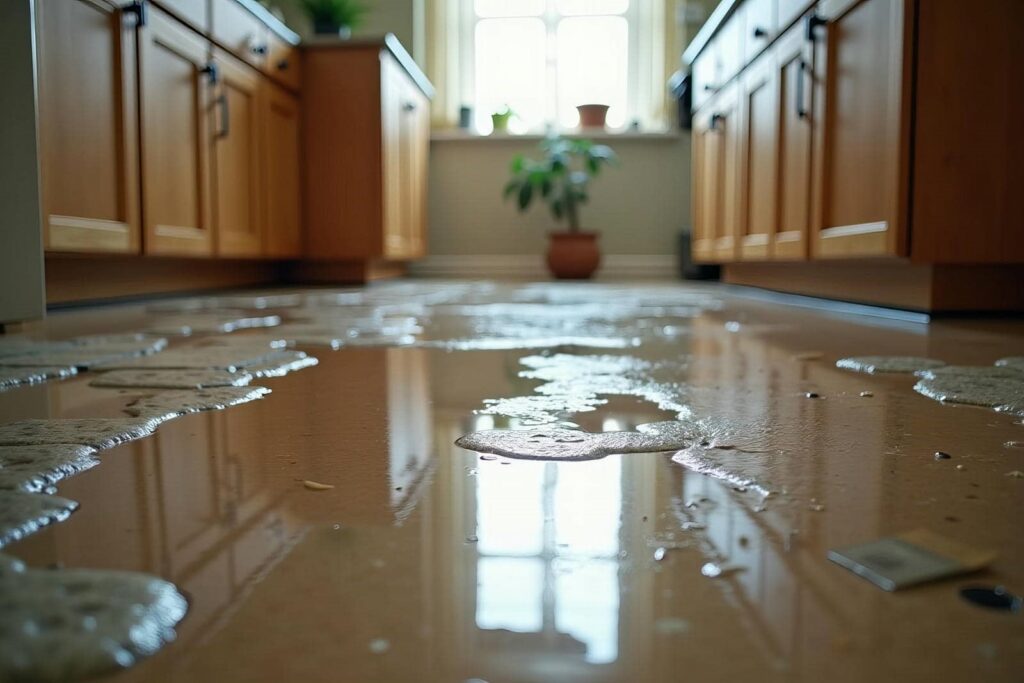
Mold can be both a hidden menace and a visible threat after water damage. While it may seem like just an aesthetic issue, the health risks associated with mold exposure are significant and often overlooked. Whether you’re dealing with respiratory problems or skin irritations, the impact can be profound. Understanding how mold affects your health and recognizing those most at risk is essential. So, what steps can you take to protect yourself and your loved ones?
Key Takeaways
- Mold exposure can trigger allergic reactions, causing symptoms like sneezing, skin rashes, and itchy eyes.
- It can exacerbate respiratory issues, leading to coughing, wheezing, and shortness of breath.
- Vulnerable populations, including children and those with asthma, face heightened health risks from mold exposure.
- Prolonged mold exposure can result in chronic respiratory conditions and immune dysfunction.
- Mental health issues, such as anxiety and depression, may develop due to long-term exposure to mold.
Understanding Mold Growth After Water Damage
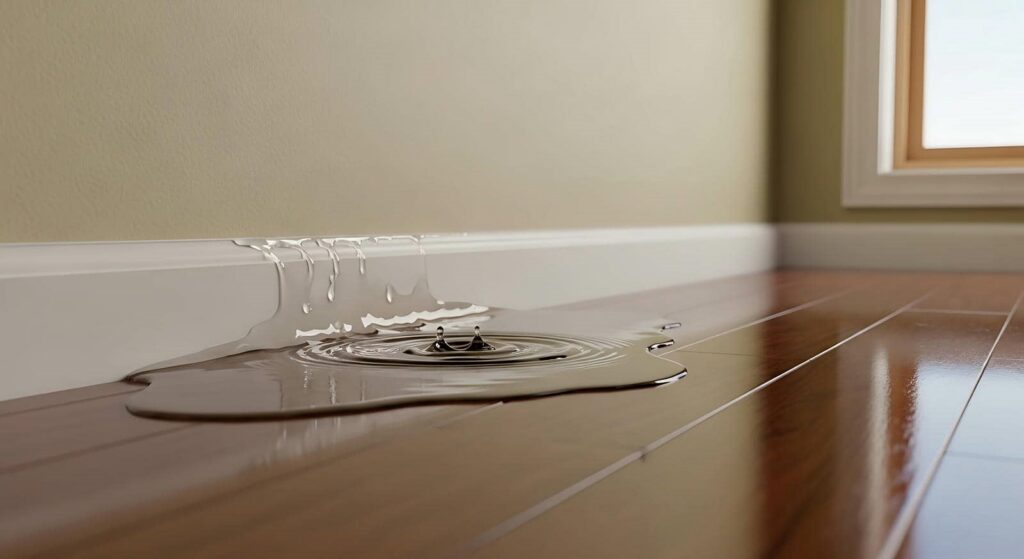
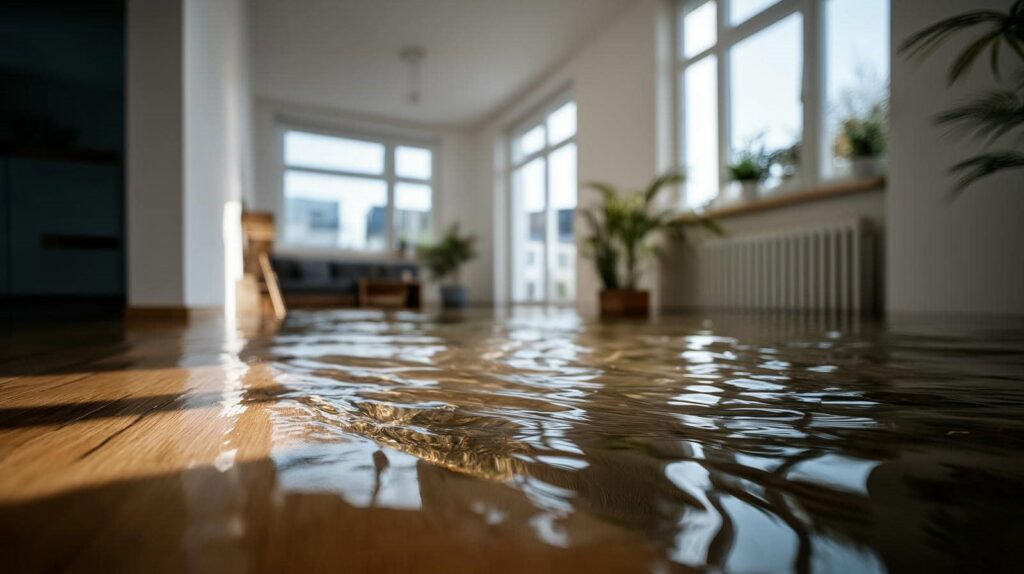
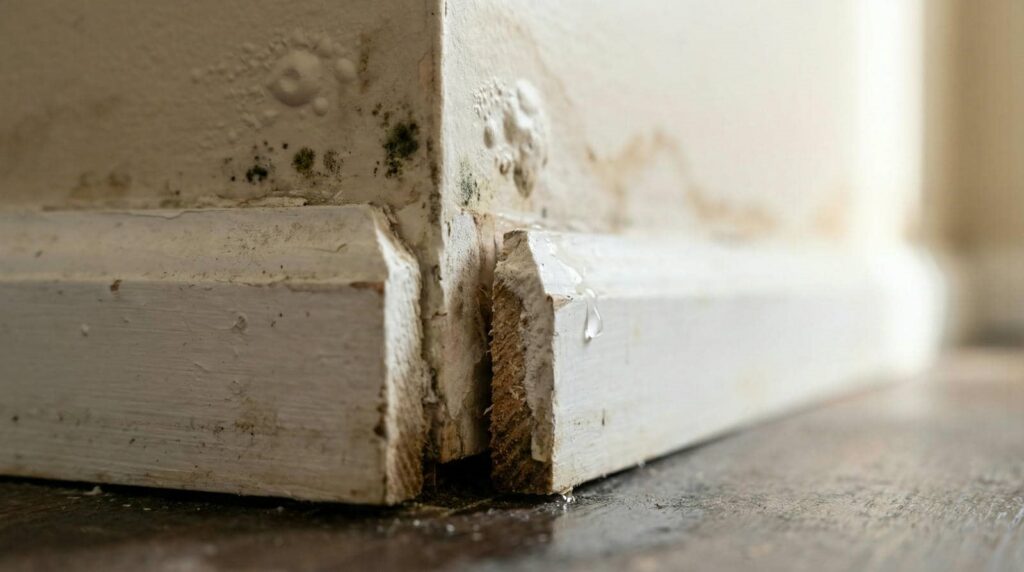
When you experience water damage, it’s vital to understand how quickly mold can begin to grow. Mold biology reveals that spores can germinate within 24 to 48 hours in the presence of sufficient moisture. This rapid growth underscores the significance of moisture control right after water damage occurs.
By addressing leaks, flooding, or high humidity, you can greatly reduce the chances of mold establishing itself in your home.
Maintaining lower indoor humidity levels—ideally between 30% and 60%—is important for preventing mold growth. Use dehumidifiers and ensure proper ventilation to keep moisture levels in check.
Additionally, inspect areas prone to dampness, like basements and bathrooms, regularly. Understanding these aspects helps protect your environment and fosters a sense of belonging as you create a healthier living space for yourself and loved ones.
Taking proactive steps can make all the difference in preventing mold-related issues.
Common Health Symptoms Linked to Mold Exposure
Although many people may not realize it, exposure to mold can lead to a variety of health symptoms that range from mild to severe. Individuals often experience mold allergies, which can manifest as sneezing, itching, and skin rashes.
If you’re sensitive to mold, you might notice respiratory issues like coughing, wheezing, or shortness of breath after being in a damp environment. These symptoms can greatly impact your daily life, making it essential to recognize the signs early.
Moreover, prolonged exposure can exacerbate existing conditions, such as asthma, leading to more intense episodes and difficulties in management. Mold can also trigger headaches, fatigue, and sinus congestion.
Awareness of these health effects is vital for your well-being and that of your loved ones. If you suspect mold exposure, addressing the source promptly can help mitigate these adverse health effects and foster a healthier living environment.
Vulnerable Populations at Risk
Certain groups of people are particularly vulnerable to the health effects of mold exposure due to their age, pre-existing health conditions, or compromised immune systems.
Children and the elderly are among those at higher risk, as their immune systems may not effectively combat mold-related illnesses. Individuals with asthma, allergies, or chronic respiratory conditions also face increased mold susceptibility factors, making exposure in high-risk environments particularly concerning.
Moreover, pregnant women and those with autoimmune disorders may experience heightened sensitivity to mold toxins, leading to serious health repercussions.
It’s essential to recognize that mold thrives in damp areas, so homes affected by water damage create high-risk environments for these vulnerable populations.
Long-Term Health Implications of Mold Exposure
Mold exposure can lead to significant long-term health issues, particularly for those already at risk. If you’ve been exposed to mold, you might find yourself facing chronic respiratory issues, such as asthma or bronchitis. These conditions can worsen over time, making it harder to breathe and engage in daily activities.
Additionally, mold can trigger immune system dysfunction, leaving your body less able to fend off infections and illnesses. This can result in frequent colds or other health complications that persist long after the initial exposure.
Research shows that prolonged contact with mold can also contribute to mental health challenges, including anxiety and depression, as your overall well-being deteriorates.
It’s important to understand these potential implications not just for yourself, but for loved ones as well. Recognizing mold’s impact on health helps foster a supportive environment where everyone can feel safe and thrive.
Prevention and Remediation Strategies for Mold Health Risks
When you take proactive steps to prevent mold growth, you greatly reduce the health risks associated with exposure. Start by controlling humidity levels in your home; aim for a relative humidity of 30-60%. Use dehumidifiers and ensure proper ventilation, especially in areas like bathrooms and kitchens.
Regularly inspect and fix leaks to prevent moisture accumulation, a common trigger for mold.
If you discover mold, employ effective remediation techniques. First, contain the affected area to prevent spores from spreading. Use protective gear, such as masks and gloves, while removing moldy materials. Clean non-porous surfaces with a mixture of water and detergent, or consider professional help for extensive infestations.
Adopting these mold prevention and remediation strategies safeguards your health and fosters a sense of community well-being.
Frequently Asked Questions
How Quickly Can Mold Begin to Grow After Water Damage?
Mold can start growing within 24 to 48 hours after water damage, depending on factors like humidity and temperature. Understanding the mold growth timeline helps you take timely action to prevent further issues in your space.
Can Mold Exposure Worsen Existing Health Conditions?
Yes, mold exposure can worsen existing health conditions. If you have mold allergies or respiratory issues, exposure may trigger symptoms, leading to increased discomfort and complications that require medical attention. Prioritizing a mold-free environment is essential.
What Types of Mold Are Most Harmful to Health?
When you think of toxic mold, picture a villain lurking in shadows. Stachybotrys and Aspergillus can trigger allergic reactions, leading to respiratory issues or more severe health problems. Awareness is key to protecting yourself and loved ones.
How Can I Identify Mold Without Visible Signs?
You can identify mold without visible signs by using mold detection techniques like moisture meters and thermal imaging. Additionally, watch for hidden mold indicators such as musty odors, water stains, and increased humidity levels in your space.
Are DIY Mold Removal Methods Safe and Effective?
DIY methods can be safe and effective for mold removal, but effectiveness concerns arise with larger infestations. Always prioritize mold safety by using protective gear and addressing removal challenges to ensure thorough remediation.
Final Thoughts
In the aftermath of water damage, mold can creep in like an unwelcome guest, wreaking havoc on your health. You mustn’t underestimate the risks it poses, especially if you’re among vulnerable groups. By understanding the symptoms and implementing effective prevention and remediation strategies, you can keep mold at bay. Remember, a proactive approach today can safeguard your well-being tomorrow, ensuring that your home remains a sanctuary rather than a source of health concerns.