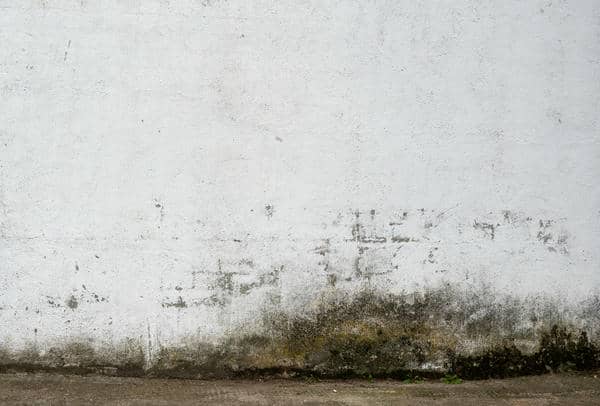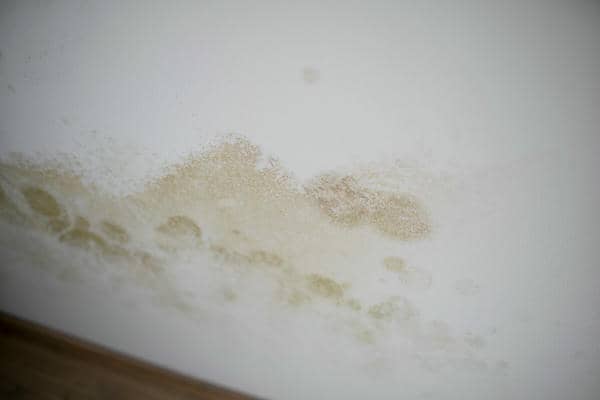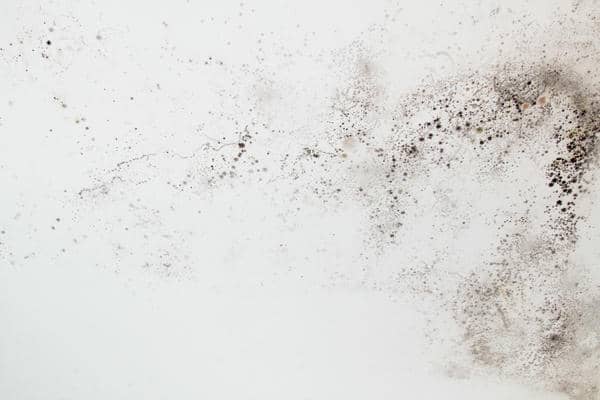
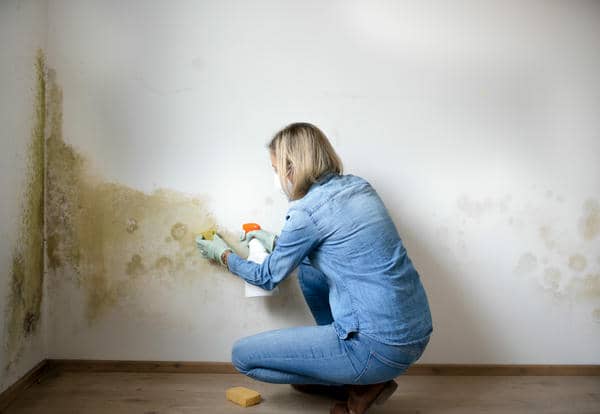
After water damage, it’s essential to act swiftly to prevent mold growth. You need to remove standing water and start drying the area within 24-48 hours. High-capacity dehumidifiers can help maintain the right humidity levels, while proper ventilation is important. Cleaning and disinfecting surfaces, especially in high-risk areas, is critical. However, there’s more to consider to ensure lasting protection against moisture and mold. Let’s explore additional strategies you can implement.
Key Takeaways
- Act quickly to address water damage by removing standing water and drying the affected area within 24-48 hours.
- Utilize high-capacity dehumidifiers to maintain humidity levels between 30-60% to prevent mold growth.
- Inspect and remove contaminated materials promptly while wearing protective gear to avoid further contamination.
- Clean and disinfect all surfaces thoroughly using appropriate solutions to eliminate mold and bacteria.
- Monitor humidity levels regularly with hygrometers and adjust ventilation or dehumidifiers as needed.
Act Quickly to Address Water Damage
When you experience water damage, acting quickly is essential to prevent further issues, such as mold growth and structural damage.
Your first step should involve an emergency response to assess the situation. Identify the source of the water and stop it if possible. Once you’ve done that, it’s vital to inform your insurance company about the damage for timely intervention.
Next, gather necessary supplies like mops, buckets, and towels to soak up excess water.
If the damage is extensive, consider contacting a professional water damage restoration service. They can provide specialized equipment and expertise to mitigate risks effectively.
Dry and Dehumidify the Affected Area
To effectively prevent mold growth and further damage, you must dry and dehumidify the affected area as quickly as possible. Start by removing any standing water using a wet vacuum or mop.
Next, employ various drying techniques such as using fans to circulate air and opening windows for ventilation. For best results, consider your dehumidifier options; a high-capacity dehumidifier can greatly reduce humidity levels, making it harder for mold to thrive.
Make sure you monitor humidity levels regularly, aiming for a range between 30% and 60%. Additionally, focus on drying materials like carpets, upholstery, and drywall within 24-48 hours.
If you can, use moisture meters to confirm that surfaces are adequately dried. By taking these proactive steps, you protect your space and create a healthier environment for everyone who shares it.
Remove Contaminated Materials
Contaminated materials, such as soaked carpets, drywall, and insulation, can harbor harmful mold spores and bacteria, making their removal essential for a safe environment.
To effectively manage mold removal and eliminate hazardous materials, follow these steps:
Identify affected areas: Inspect your space thoroughly to pinpoint all contaminated materials that need removal.
Wear protective gear: Equip yourself with gloves, masks, and goggles to safeguard against exposure to mold and other harmful substances.
Dispose of materials properly: Seal contaminated items in plastic bags and dispose of them according to local regulations to prevent further contamination.
Clean and Disinfect Surfaces
To effectively clean and disinfect surfaces after water damage, you need to select the right cleaning solutions that target mold and bacteria.
Focus on high-risk areas such as corners, under sinks, and around appliances, where moisture tends to accumulate.
Finally, make certain that surfaces are thoroughly dried to prevent any future growth, as lingering dampness can create a breeding ground for harmful microorganisms.
Use Proper Cleaning Solutions
Effective cleaning solutions are essential for tackling surfaces that have been affected by water damage. Using the right cleaning agents and effective disinfectants eliminates harmful pathogens and prevents mold growth.
When selecting your cleaning solutions, consider the following:
Non-toxic options: Choose environmentally friendly disinfectants to protect your health and the planet.
Concentration matters: Use cleaning agents at the recommended strength; too weak won’t be effective, and too strong might damage surfaces.
Follow instructions: Always adhere to the manufacturer’s guidelines for application and contact time to ensure maximum effectiveness.
Focus on High-Risk Areas
While addressing water damage, it’s crucial to focus on high-risk areas where mold and bacteria are most likely to thrive.
Start by identifying moisture hotspots, such as bathrooms, kitchens, and basements. These high-risk locations require your immediate attention.
Clean and disinfect surfaces thoroughly using effective solutions. Don’t forget to pay special attention to corners, behind appliances, and under sinks, as these spots often harbor hidden moisture.
After cleaning, make sure you remove any debris or organic materials that could encourage growth.
Regularly inspect these areas to catch potential issues early, fostering a safer environment for you and your loved ones.
Ensure Thorough Drying
After addressing the high-risk areas for mold and bacteria, the next step is to secure thorough drying of all affected surfaces. This process is essential to prevent future growth.
Start with thorough inspections and moisture mapping to identify hidden moisture pockets. Once you’ve done that, focus on cleaning and disinfecting surfaces to eliminate any potential contaminants.
- Use fans and dehumidifiers to speed up drying.
- Check for dampness behind walls and under flooring.
- Regularly monitor humidity levels to ensure they remain low.
Monitor Humidity Levels
To effectively prevent mold growth after water damage, you need to monitor humidity levels closely.
Using hygrometers regularly allows you to track moisture in the air and maintain ideal levels, ideally between 30-60%.
Additionally, increasing ventilation strategies, such as opening windows or using exhaust fans, can help reduce humidity and create a healthier environment.
Use Hygrometers Regularly
Hygrometers are crucial tools for anyone dealing with the aftermath of water damage, as they provide important insights into humidity levels in your environment.
Regular moisture measurement can help prevent mold growth and other issues. To make the most of your hygrometer, consider the following tips:
- Verify proper hygrometer calibration for accurate readings.
- Monitor humidity levels consistently, especially during drying efforts.
- Take note of fluctuations and adjust your dehumidifiers accordingly.
Maintain Optimal Levels
Maintaining ideal humidity levels is essential for preventing mold growth and structural damage in spaces affected by water. You’ll want to keep humidity control between 30% and 60% to create an environment that discourages mold.
Regularly check your hygrometer to monitor these levels, adjusting as necessary. If humidity rises above this range, consider using dehumidifiers for effective moisture management.
Verify that areas prone to dampness, like basements and bathrooms, receive special attention. Additionally, keep windows and doors sealed to prevent external moisture intrusion.
Increase Ventilation Strategies
How can you effectively increase ventilation to combat humidity levels and prevent mold growth? Improving air circulation is essential in reducing moisture. Here are some strategies to take into account:
Use Ventilation Systems: Verify your HVAC system is running efficiently, and think about adding exhaust fans in moisture-prone areas like kitchens and bathrooms.
Open Windows and Doors: When the weather permits, allow fresh air to flow through your home, which can greatly lower humidity levels.
Install Dehumidifiers: These devices can remove excess moisture from the air, enhancing overall air quality and preventing mold growth.
Use Mold-Resistant Products
When it comes to preventing mold growth after water damage, using mold-resistant products is a crucial step. Choosing mold-resistant materials, such as drywall, paints, and insulation, can greatly reduce the risk of mold development.
These products are specially formulated to resist moisture and inhibit mold growth, making them ideal for areas prone to water exposure.
Incorporating effective construction techniques is equally important. For instance, ensuring proper drainage and sealing gaps can prevent water intrusion, while using vapor barriers can help keep moisture at bay.
When renovating or building, opt for mold-resistant caulks and adhesives to further protect your space.
Frequently Asked Questions
How Long Should I Wait Before Starting Water Damage Cleanup?
You should start water damage cleanup immediately, ideally within 24-48 hours. Utilize effective water extraction techniques and various drying equipment options to minimize damage and prevent mold growth, ensuring your space returns to a safe condition.
Can I Use Regular Household Cleaners for Mold Removal?
Think of mold like an uninvited guest; regular household cleaners often lack the punch to send it packing. For mold remover effectiveness, consider specialized products or alternatives like vinegar and baking soda for a thorough clean.
Is It Safe to Stay in My Home During the Drying Process?
Staying in your home during the drying process is generally safe, as long as you’re cautious. Ensure proper ventilation and monitor for mold growth while using drying equipment to maintain home safety. Stay alert and proactive.
What Are the Signs of Hidden Mold Growth?
Homes may harbor hidden mold growth. Look for mold symptoms like a musty smell, unexplained health issues, or visible dampness in walls and ceilings—these often indicate hidden dampness that needs immediate attention.
How Can I Tell if My Insulation Is Affected by Water Damage?
Check your insulation types for discoloration, softness, or a musty smell. Use moisture detection tools to identify damp areas. If you notice any signs, it’s essential to address the issue promptly to prevent further damage.
Final Thoughts
By acting swiftly and implementing these preventive measures, you can greatly reduce the risk of mold growth after water damage. Imagine stepping into a space where the air feels fresh and dry, free from the musty scent of mold. With proper drying, cleaning, and humidity monitoring, you’re not just restoring your environment; you’re safeguarding your health and peace of mind. Stay vigilant, and take advantage of mold-resistant products to ensure a safe, mold-free home.