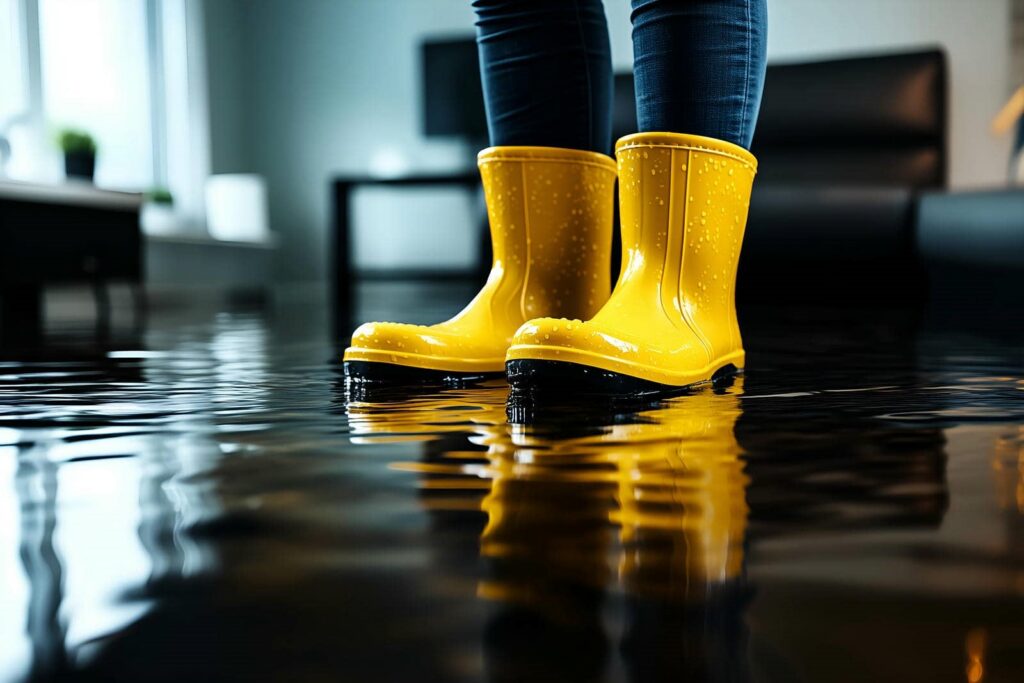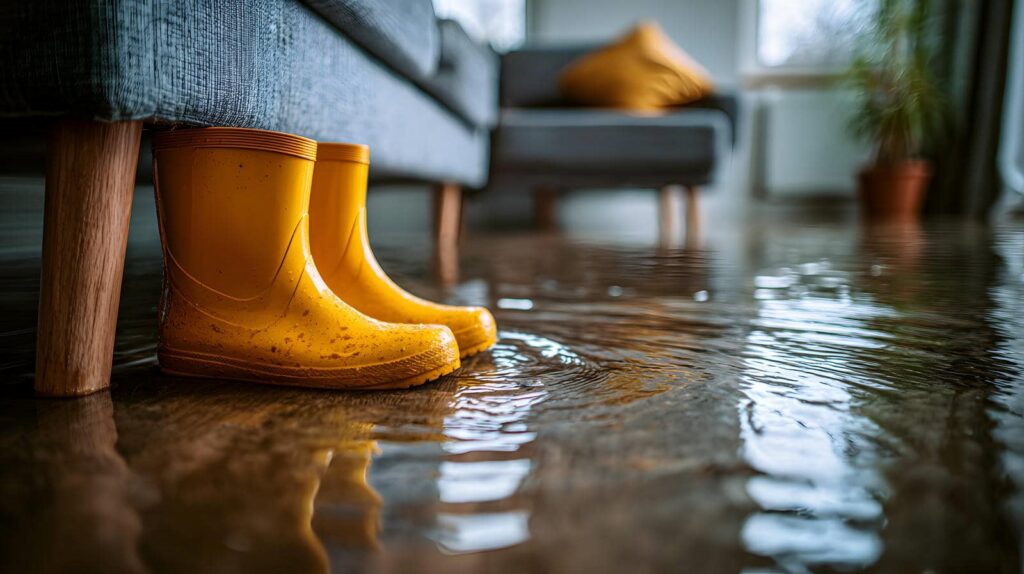

Water damage cleanup isn’t a one-size-fits-all process; the strategies differ markedly between homes and businesses. For homeowners, protecting personal belongings is essential, while businesses must prioritize important inventory and equipment. Understanding these distinctions can make a significant difference in recovery. But what specific steps should you take in each scenario to ensure effective cleanup and restoration? Let’s explore the best practices tailored to your unique situation.
Key Takeaways
- Prioritize personal belongings in homes and valuable inventory in businesses for immediate removal and protection from water damage.
- Use wet vacuums and dehumidifiers within 24-48 hours to extract water and prevent mold growth in both settings.
- Document all damage thoroughly with photos for insurance claims, focusing on areas affected by moisture.
- Consider professional restoration services for expertise and specialized tools, particularly for extensive damage situations.
- Implement long-term strategies, such as regular inspections and drainage improvements, to prevent future water damage risks.
Assessing the Damage: Homes Vs Businesses
When water damage strikes, evaluating the extent of the damage is essential, whether you’re dealing with a home or a business. Start with a thorough damage evaluation; identify areas affected by moisture, including walls, floors, and ceilings.
For homes, focus on personal belongings that may need immediate attention. In a business setting, prioritize equipment and inventory, as these can greatly impact operations.
Your property assessment should include checking for structural issues and identifying potential safety hazards. Document everything meticulously, as this information is imperative for insurance claims and repair processes.
Be empathetic to your situation; the emotional toll can be overwhelming, but knowing you’ve taken the first step can provide some relief.
Understanding the specific nuances between homes and businesses during this evaluation helps ensure you address all concerns effectively, allowing you to move forward with confidence and support from those who care.
Immediate Response Actions for Effective Cleanup
After evaluating the damage, it’s essential to take immediate action to minimize further complications. Start your emergency response by shutting off the water source to prevent additional flooding.
Next, remove any valuable items and furniture from the affected area to protect them from water exposure. Use appropriate cleanup equipment, such as wet vacuums and dehumidifiers, to extract water and reduce humidity levels.
It’s vital to begin drying out the space within 24-48 hours to prevent mold growth and structural damage.
Don’t forget to document the damage with photos for insurance purposes. If you’re unsure about handling the situation, consider contacting a professional restoration service that specializes in water damage cleanup.
They’ll have the expertise and tools to address the issue effectively. Remember, acting swiftly protects your property and fosters a sense of community resilience during challenging times.
Long-term Restoration Strategies and Considerations
While the immediate response to water damage is crucial, long-term restoration strategies are equally important to ensure your property returns to a safe, functional state.
Implementing effective restoration techniques is essential for ensuring your home or business is resilient against future incidents. This means addressing visible damage and underlying issues like mold growth and structural integrity.
To achieve lasting results, consider incorporating preventive measures. Regular inspections can help you identify potential problem areas before they escalate.
Installing sump pumps and ensuring proper drainage around your property can greatly reduce the risk of water intrusion.
Engaging with professionals who specialize in water damage restoration can provide you with tailored solutions and peace of mind.
Frequently Asked Questions
What Insurance Coverage Is Typically Needed for Water Damage?
You’ll typically need flood insurance to cover water damage from natural disasters, while liability coverage protects against claims if damage affects others. Make sure you review your policy to ensure you’re adequately protected.
How Can I Prevent Mold Growth After Water Damage?
To prevent mold growth, focus on moisture control. Dry affected areas within 24-48 hours, use dehumidifiers, and ensure proper ventilation. Regularly inspect for leaks and dampness to maintain a mold-free environment and protect your space.
Are DIY Cleanup Methods Effective for Severe Water Damage?
DIY cleanup methods for severe water damage can be like patching a sinking ship; they often lack thorough water extraction and damage assessment. For safety and effectiveness, professional help is usually the best choice.
How Long Does the Water Damage Restoration Process Usually Take?
The restoration timeline typically ranges from a few days to weeks, depending on cleanup factors like severity, affected areas, and moisture levels. You’ll need patience as professionals work diligently to restore your space effectively.
What Are the Signs of Hidden Water Damage in a Property?
You’ll notice signs like damp walls, peeling paint, or a musty odor. Leaky pipes often indicate hidden water damage, so keep an eye out for these issues to prevent further problems in your property.
Conclusion
Just like a ship maneuvering through a storm, swift and decisive actions can steer you toward calmer waters after water damage. Whether you’re safeguarding cherished possessions in your home or protecting essential business assets, addressing the situation promptly is imperative. Remember, the right tools and expertise can make all the difference in your recovery journey. By following these tailored strategies, you’ll restore your space and emerge stronger, ready to face any challenge ahead.