When it comes to preventing post-restoration mold, several key techniques can make a significant difference. You need to assess and repair any water damage promptly, ensuring that affected materials dry thoroughly. Maintaining proper ventilation and airflow is essential, as is implementing effective moisture control measures. Choosing mold-resistant materials can further safeguard your space. But understanding how to monitor and manage humidity levels is equally important. What steps will you take next?
Key Takeaways
- Conduct a thorough assessment after water damage to identify and address the source of moisture promptly.
- Use dehumidifiers and fans to dry out affected areas, maintaining humidity levels between 30% and 60%.
- Implement proper ventilation by opening windows and using exhaust fans in moisture-prone areas to reduce humidity.
- Choose mold-resistant materials for walls, ceilings, and insulation to inhibit mold growth in high-humidity areas.
- Regularly inspect and monitor for mold in moisture-prone spaces, conducting routine checks and using testing kits as needed.
Assess and Repair Water Damage Promptly
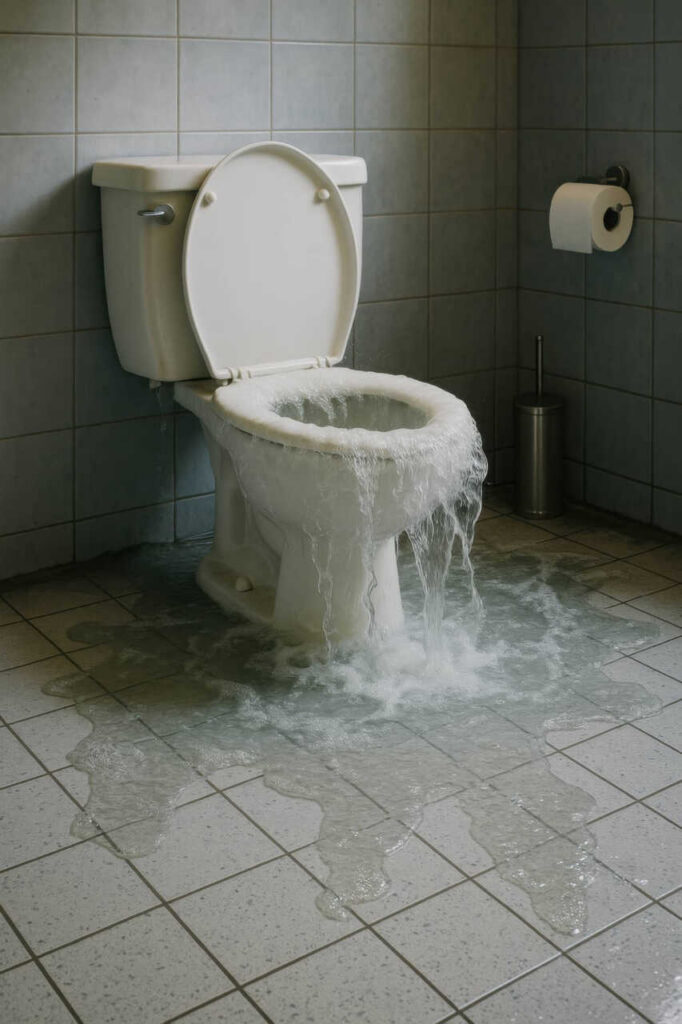
Since water damage can lead to mold growth if left unaddressed, it’s crucial to assess and repair any issues as soon as possible.
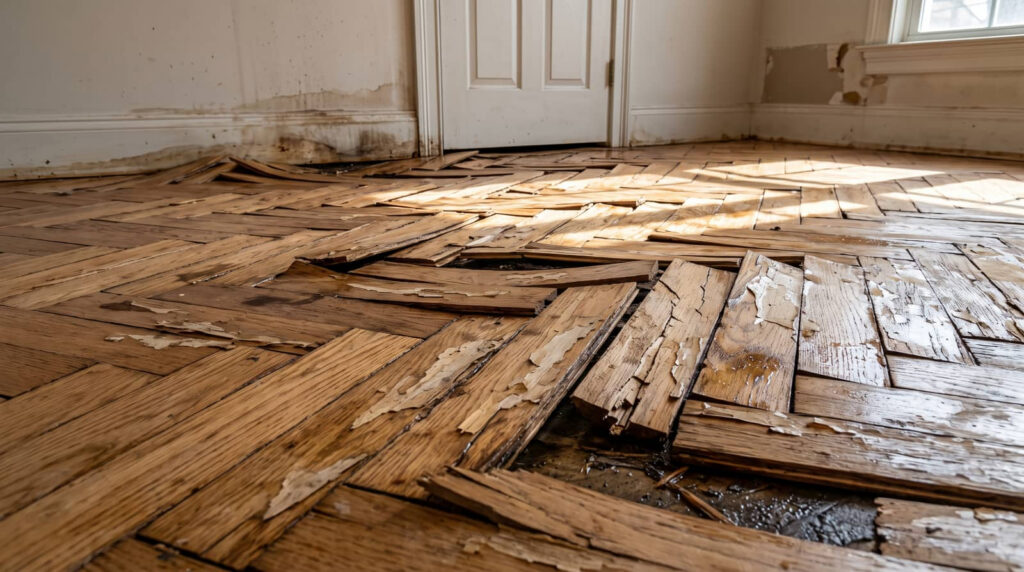
Begin with a thorough water damage assessment to identify the source and extent of the problem. Look for signs like discoloration, warping, or dampness in walls and floors.
Once you’ve pinpointed the affected areas, employ effective repair techniques, such as drying out materials using dehumidifiers and fans, and replacing any severely damaged components.
If necessary, consider consulting professionals specializing in water damage restoration to ensure thorough remediation.
Addressing these issues promptly mitigates mold growth and fosters a sense of community among those who share your commitment to maintaining a safe and healthy environment.
Maintain Proper Ventilation and Airflow
To prevent mold growth effectively, you must maintain proper ventilation and airflow throughout your space. Proper ventilation systems are essential for reducing humidity and preventing moisture from accumulating in hidden areas.
Assess your existing ventilation setup, and consider upgrades if airflow management isn’t ideal. Open windows when the weather permits, and utilize exhaust fans in moisture-prone areas like kitchens and bathrooms.
If your space lacks adequate natural ventilation, investing in mechanical systems can greatly enhance airflow. Regularly check that vents aren’t blocked by furniture or debris, as obstructed airflow can create stagnant conditions ripe for mold.
Additionally, verify that your HVAC system is well-maintained to promote consistent airflow throughout your home.
Use Dehumidifiers and Moisture Control
Utilizing dehumidifiers and moisture control measures is essential for maintaining a mold-free environment in your home. By effectively managing humidity levels, you can greatly reduce the risk of mold growth. Dehumidifiers work by extracting excess moisture from the air, which is particularly important in areas prone to dampness, like basements and bathrooms.
Incorporating moisture barriers can further enhance your efforts. These barriers prevent moisture from seeping through walls and floors, creating a dry environment conducive to mold prevention.
Regularly monitor humidity levels with a hygrometer; ideally, they should remain between 30% and 60%.
When you maintain ideal humidity and employ moisture control strategies, you foster a healthier living space for you and your family. Remember, taking proactive measures now will save you from costly mold remediation later.
Your commitment to these practices protects your home and enhances your overall well-being.
Choose Mold-Resistant Materials
Choosing mold-resistant materials is essential for safeguarding your home against future mold infestations, especially in areas exposed to moisture.
When renovating or building, opt for mold-resistant paints that inhibit mold growth on walls and ceilings. These specialized coatings provide a protective barrier while enhancing the aesthetic appeal of your space.
Additionally, consider using mold-resistant insulation in your walls and attics. This type of insulation is designed to resist moisture accumulation, reducing the likelihood of mold development.
It’s particularly beneficial in high-humidity areas like bathrooms and kitchens.
Regularly Inspect and Monitor for Mold Growth
While you may have taken steps to prevent mold growth, regularly inspecting and monitoring your home for signs of mold is vital to maintaining a healthy environment.
Establish a routine inspection frequency of every few months to ensure early mold detection. Focus on areas prone to moisture, such as bathrooms, kitchens, and basements.
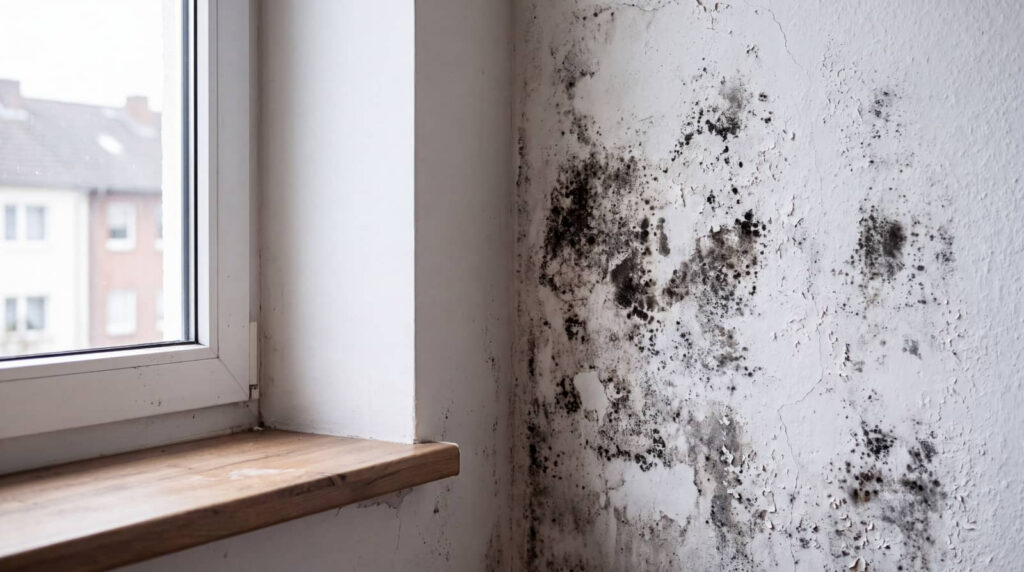
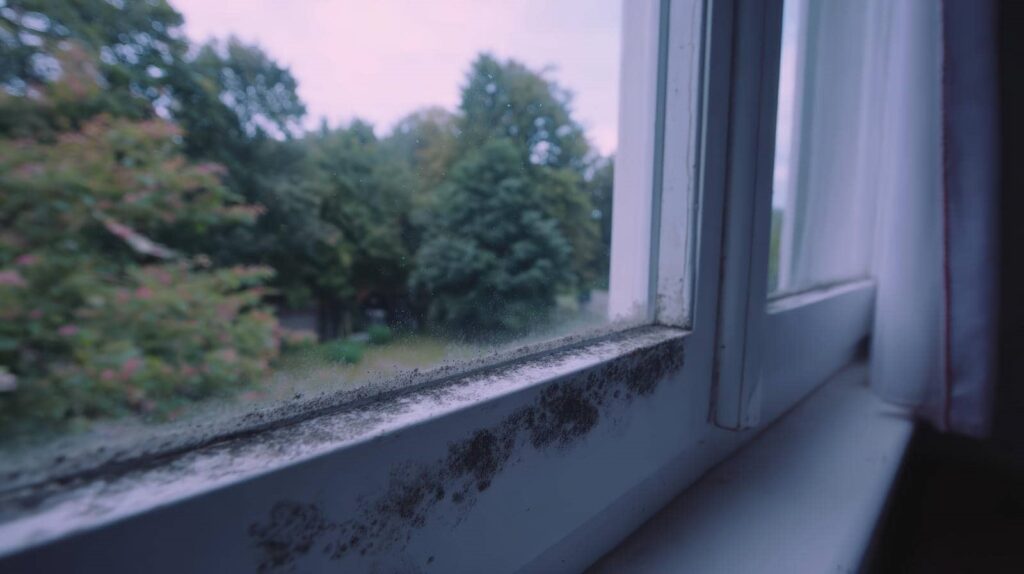
During inspections, look for visible mold, discoloration on surfaces, or musty odors. Don’t forget to check hidden spaces like behind appliances or under sinks, where moisture may accumulate unnoticed.
If you find mold, act quickly to address the source of moisture and clean the affected areas.
Consider using mold testing kits for additional assurance, especially after significant water events.
Frequently Asked Questions
How Can I Identify Hidden Mold After Restoration?
To identify hidden mold after restoration, employ mold inspection techniques like visual assessments and moisture detection methods using tools such as hygrometers and thermal cameras. Regular checks will help ensure your environment remains mold-free.
What Temperature Should I Maintain to Prevent Mold Growth?
You should maintain temperatures between 68°F and 72°F while keeping humidity below 60% for ideal mold prevention. This creates an environment that doesn’t just discourage mold; it practically screams for its absence.
Are There Specific Plants That Help Reduce Mold?
Yes, certain mold-resistant plants, like peace lilies and spider plants, can enhance your indoor air quality. They absorb excess moisture and improve ventilation, helping create a healthier environment and reducing mold growth effectively.
How Often Should I Clean My HVAC System?
You should clean your HVAC system regularly, ideally every three to six months. Consistent HVAC maintenance and thorough air duct cleaning enhance efficiency, improve indoor air quality, and substantially reduce allergens.
Can Household Cleaning Products Effectively Kill Mold Spores?
Yes, household cleaning products can effectively kill mold spores. However, their cleaning effectiveness varies. For extensive mold removal, consider using specialized products or solutions to ensure thorough eradication and prevent future mold growth in your home.
Wrap-Up
By implementing these key techniques, you can effectively shield your space from post-restoration mold. Think of it as building a fortress: assess water damage promptly, ensure proper airflow, control moisture levels, select mold-resistant materials, and conduct regular inspections. With these strategies in place, you’re not just preventing mold; you’re safeguarding your health and investment. Remember, a proactive approach today means a healthier, mold-free environment tomorrow. Don’t leave your home’s safety to chance; take action now!