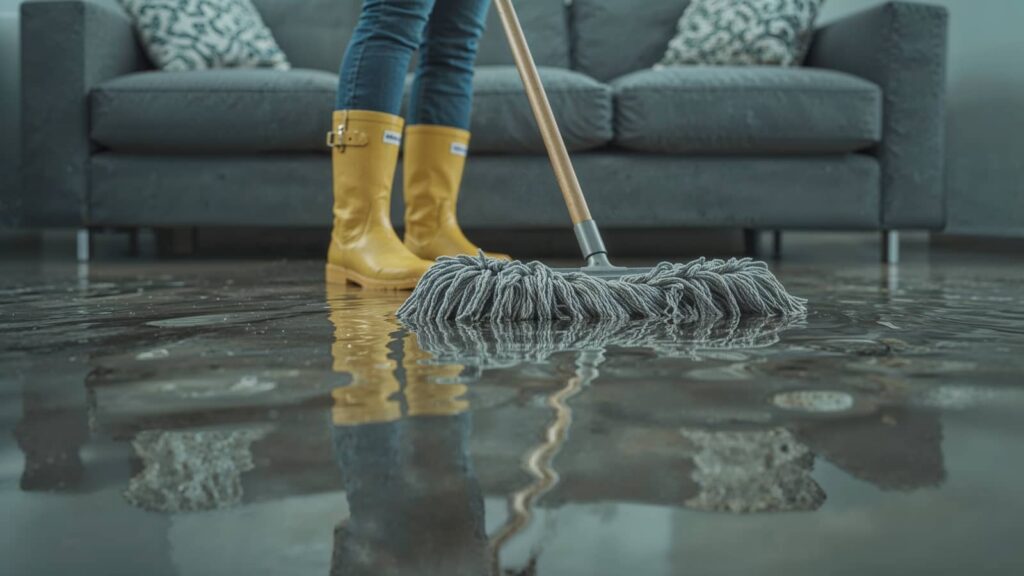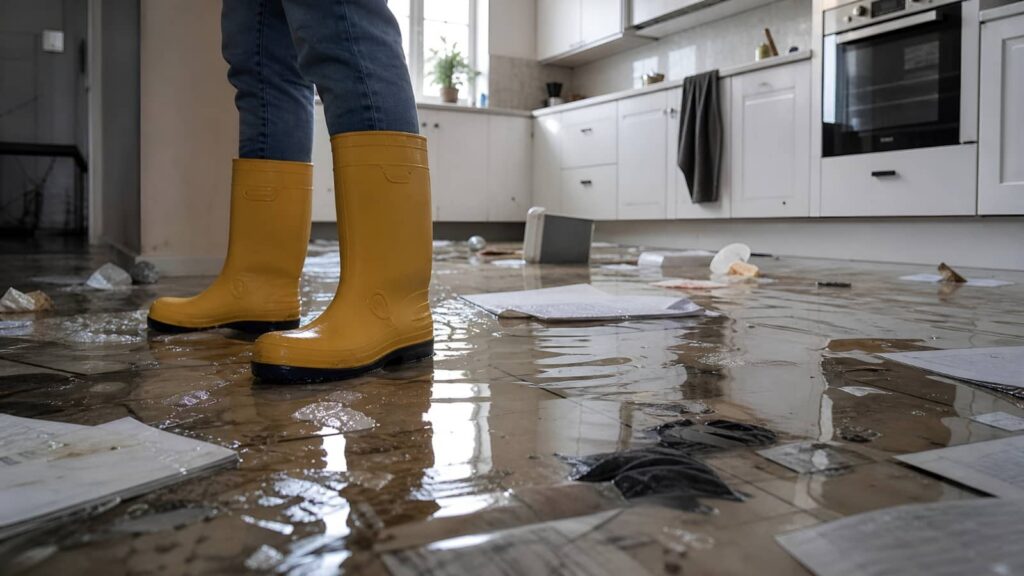
When water damage strikes, your immediate response can make all the difference. You need to assess the water damage cleanup situation quickly, ensuring your safety by turning off utilities. It’s essential to act fast to minimize damage and prevent mold growth. From removing standing water to using dehumidifiers, each step plays an important role in the cleanup process. Let’s explore essential tips that can help you navigate this challenging situation effectively.
Key Takeaways
- Assess the damage quickly, identifying the source of water and documenting findings for insurance claims.
- Turn off electricity and gas to ensure safety before starting cleanup efforts.
- Use wet/dry vacuums or submersible pumps to remove standing water efficiently.
- Set up dehumidifiers and fans to promote airflow and accelerate drying in affected areas.
- Inspect for mold growth and maintain continuous operation of dehumidifiers to prevent future issues.
Assess the Situation Quickly
When you discover water damage, it’s essential to assess the situation quickly to minimize further issues. Start with an initial evaluation of the affected area. Look for visible signs of damage, such as warped floors, stained walls, or damp spots. Check for any standing water that needs immediate attention.
Next, conduct a more thorough damage assessment. Determine the source of the water and whether it’s ongoing. Is it a burst pipe, or maybe a leaking roof? Identifying the cause helps you prevent future incidents.
Take note of the materials affected; some may be salvageable, while others might require replacement. Document your findings with photos for insurance claims later.
Turn Off Electricity and Gas
When dealing with water damage, your safety should be your top priority.
Before you start any cleanup, locate and turn off the main electricity and gas shutoffs to prevent hazards like electrocution or gas leaks.
Knowing where these shutoffs are can save you a lot of trouble in an emergency.
Prioritize Safety First
Although it might be tempting to jump right into water damage cleanup, prioritizing safety is essential. Before you start, make sure you’ve got the right safety equipment, like gloves and masks, to protect yourself from contaminants.
Turn off the electricity and gas to prevent hazards, ensuring you stay safe while working. If you’re unsure how to do this, reach out to emergency contacts, like a local electrician or gas technician, who can assist you.
It’s also smart to assess your surroundings for any potential dangers, such as loose wires or structural damage. Remember, taking these precautions keeps you safe and sets a solid foundation for an effective cleanup process.
Your well-being matters most!
Locate Main Shutoffs
After ensuring your safety gear is in place, the next step is to locate the main shutoffs for electricity and gas.
Start by finding the electrical panel in your home; it usually has a main breaker that you can flip off to cut the power.
For gas, locate the shutoff valves, typically found near your gas meter. Turn these off to prevent any gas leaks, which can be extremely hazardous.
Don’t forget to address your water supply as well; shutoff valves for water lines are often located in basements or crawl spaces.
Wear Protective Gear
As you prepare for water damage cleanup, wearing protective gear is crucial to safeguard your health and well-being.
Start by putting on durable protective gloves to shield your hands from sharp objects, chemicals, or contaminants that may be lurking in the water. These gloves keep your hands safe and help prevent the spread of bacteria.
Next, grab a pair of safety goggles. Water damage often involves debris and particles that can easily become airborne, putting your eyes at risk. Safety goggles will protect your vision while you work, allowing you to focus on the task without distraction.
Consider wearing a mask to guard against mold spores, dust, and other allergens that might be released during cleanup.
Finally, wear old clothing or a waterproof suit, as things can get messy. By donning this protective gear, you’re taking essential steps to ensure a safer, more efficient cleanup.
Remove Standing Water
One of the first and most vital steps in water damage cleanup is removing standing water. If you don’t act quickly, standing water can lead to serious hazards, including mold growth and structural damage.
Start by evaluating the situation and determining the best water extraction methods for your space. You might use a wet/dry vacuum for small areas or a submersible pump for larger pools of water.
Ensure you’re equipped with the right tools, as this can make a big difference in efficiency. If you’re dealing with contaminated water, prioritize safety and wear protective gear.
As you extract water, keep an eye out for any potential hazards, like electrical outlets or damaged surfaces, that could pose risks.
Once you’ve removed the standing water, you’ll set the stage for successful drying and restoration. Remember, swift action is essential to minimize damage and protect your home.
Dry the Affected Areas
Once you’ve removed standing water, it’s essential to dry the affected areas thoroughly.
Use fans strategically to increase airflow and help evaporate moisture quickly.
Don’t forget to remove any wet materials, like carpets or insulation, to prevent mold growth and further damage.
Use Fans Effectively
Using fans effectively can greatly speed up the drying process in areas affected by water damage.
To make the most of your fans, consider these tips:
Choose the Right Fan Types: Use high-velocity fans for a powerful airflow.
Set Airflow Direction: Position fans to blow air towards the wet areas, enhancing evaporation.
Create Cross-Ventilation: Place fans in windows or doors to promote airflow between rooms.
Run Fans Continuously: Keep fans on for several hours to maintain consistent airflow, ensuring moisture is efficiently removed.
Remove Wet Materials
After optimizing airflow with fans, it’s time to tackle the removal of wet materials to prevent further damage.
Start by carefully removing wet carpets; they can trap moisture and promote mold growth. Roll them up and place them outside or in a designated area to dry.
Next, assess your furniture. If it’s soaked beyond repair, don’t hesitate to discard soaked furniture. Look for signs of warping or foul odors, as these indicate you may need to let go.
For items that can be salvaged, clean and dry them thoroughly.
Salvage Belongings
As you assess the damage caused by water, it’s essential to act quickly to salvage your belongings before they suffer irreversible harm.
Start with a thorough belonging assessment, prioritizing items that hold significant sentimental value. Here’s a quick list to guide your efforts:
- Photographs – These irreplaceable memories can often be dried and preserved.
- Heirlooms – Family treasures often carry stories; don’t let them be lost.
- Important Documents – Birth certificates, titles, and legal papers should be salvaged immediately.
- Electronics – If they’re still functional, save them before water seeps inside.
Once you’ve identified these items, carefully clean and dry them to prevent further damage.
Remember, your belongings tell your story; preserving them is a critical step in recovering from water damage.
Don’t hesitate; the sooner you act, the better your chances of saving what matters most.
Use Dehumidifiers and Fans
To effectively dry out your space, place dehumidifiers and fans in strategic locations to maximize airflow and moisture removal.
Aim for humidity levels below 60% to prevent mold growth and further damage.
Keep the equipment running continuously until the area is completely dry for the best results.
Optimal Equipment Placement
When tackling water damage, placing dehumidifiers and fans strategically can greatly enhance the drying process.
Using effective placement strategies ensures that you maximize the efficiency of your equipment types, turning a challenging task into a manageable one.
Here are some key tips for ideal equipment placement:
Position dehumidifiers in the center of the affected area to capture moisture evenly.
Place fans near windows to help circulate air and push out dampness.
Avoid blocking airflow by keeping equipment away from walls and furniture.
Direct fans towards wet surfaces for targeted drying.
Ideal Humidity Levels
After ensuring ideal equipment placement, maintaining perfect humidity levels becomes vital in the water damage cleanup process. You should aim for an ideal humidity level of around 30-60%.
Using dehumidifiers is essential for moisture control; they help extract excess water from the air, speeding up the drying process. Position them in areas with the highest moisture concentration for best results.
Additionally, fans can circulate air, preventing stagnant conditions that can lead to mold growth. Combine these tools effectively—run dehumidifiers and fans simultaneously to enhance airflow and moisture reduction.
Regularly check humidity levels with a hygrometer to confirm you’re on track. Keeping humidity in check aids cleanup and creates a healthier environment for you and your loved ones.
Continuous Operation Importance
While you might be tempted to turn off dehumidifiers and fans once you see some progress, continuous operation is critical for effective water damage cleanup.
Keeping these machines running ensures moisture is consistently removed, preventing further damage and mold growth.
Here’s why you should maintain continuous monitoring:
Mold Prevention: Stagnant moisture can lead to mold, which poses health risks.
Faster Drying: Continuous airflow speeds up drying time, minimizing damage.
Timely Intervention: Monitoring allows you to catch hidden moisture before it becomes a bigger problem.
Peace of Mind: Knowing you’re actively addressing the issue helps you feel in control.
Inspect for Mold Growth
Although you may have addressed the immediate water damage, it’s important to inspect for mold growth as soon as possible. Mold can develop quickly, especially in damp areas, and various mold types can pose health risks.
Start by checking hidden spots like behind walls, under carpets, and in basements. Look for visible signs of mold, such as black or green patches, and take note of any musty odors.
To prevent mold from spreading, ensure proper ventilation and reduce humidity levels in your home. Consider using dehumidifiers and air purifiers as effective prevention methods.
If you find mold, it’s imperative to address it promptly. Small areas can often be cleaned with soap and water, but larger infestations may require professional help.
Document Damage for Insurance
As soon as you’ve addressed the initial cleanup, it’s crucial to document the damage for your insurance claim.
This step helps you recover your losses and provides peace of mind during a stressful time.
Follow these tips to create a thorough document inventory:
Take Photos: Capture clear images of all affected areas and items, showing the extent of the damage.
List Damaged Items: Write down each damaged item, including descriptions, purchase dates, and estimated values.
Keep Receipts: Retain any receipts for repairs or replacements, as these will support your insurance claims.
Record Conversations: Document discussions with your insurance adjuster, noting dates, names, and details shared.
Call Professionals if Necessary
Once you’ve documented the damage for your insurance claim, it’s time to assess whether the situation requires professional help.
If the water damage is extensive—like flooding or significant structural issues—don’t hesitate to reach out to your emergency contact for professional assistance. A quick professional assessment can save you time, money, and potential health risks.
Mold can develop rapidly in damp environments, so if you notice persistent moisture or smell musty odors, it’s essential to call in experts. They’ve the right tools and knowledge to tackle the problem effectively.
Even if the damage seems manageable, consulting professionals can provide peace of mind. They can identify hidden issues that might arise later.
Frequently Asked Questions
How Long Does It Take for Water Damage to Become Serious?
Water damage can become serious within 24 to 48 hours. You’ll need to assess the severity promptly, as mold and structural issues escalate quickly. Following a water damage timeline helps you act before the situation worsens.
What Are the Signs of Hidden Water Damage?
Watch for warping walls, musty odors, and damp spots—these are signs of hidden leaks. Utilize moisture detection tools to uncover these unseen issues, ensuring your space remains safe, sound, and welcoming for everyone.
Can I Use Regular Household Fans for Drying?
Yes, you can use regular household fans for drying. However, their effectiveness may vary. Combine them with other drying techniques, like dehumidifiers, to enhance airflow and expedite the drying process for better results.
How Can I Prevent Mold Growth After Water Damage?
To prevent mold growth, you’ll want to embrace moisture control—sounds fun, right? Keep areas dry, use dehumidifiers, and ensure proper ventilation. Trust me, your future self will thank you for avoiding that musty headache.
What Should I Do if My Insurance Claim Is Denied?
If your insurance claim’s denied, review the denial letter, gather supporting documentation, and file an insurance appeal. Understand the claim process, and consider seeking help from an advocate for stronger representation in your appeal.
Summary
Quick water damage cleanup is essential to preventing costly repairs down the line. By following these tips, you can greatly reduce the risk of mold growth and structural damage. Remember, acting swiftly protects your property and ensures the safety of your loved ones. If the situation overwhelms you, don’t hesitate to call in the professionals for help.