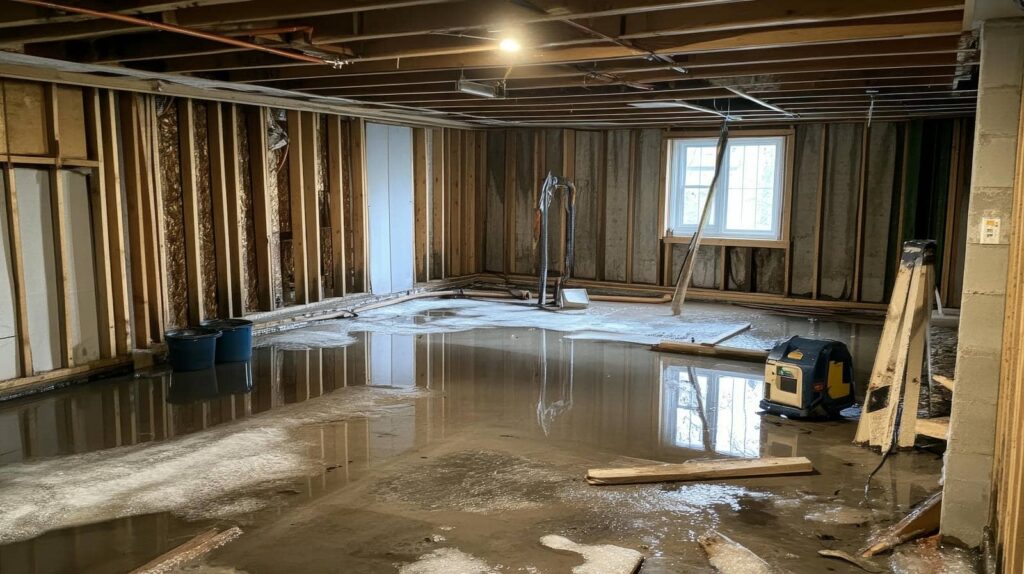
When you compare residential and commercial water restoration, the differences become clear. While residential assessments focus on individual spaces and personal items, commercial evaluations tackle larger systems and operational impacts. Each setting demands specific strategies, equipment, and response times. Understanding these distinctions can greatly affect restoration outcomes and compliance with regulations. What implications do these differences have on the restoration process and your responsibilities?
Key Takeaways
- Residential restoration focuses on walls, flooring, and personal belongings, while commercial restoration inspects larger areas and critical systems like plumbing and HVAC.
- Equipment used in commercial restoration is often industrial-grade for high volumes, whereas residential restoration employs standard water extraction tools.
- Response times differ, with commercial properties requiring 24/7 emergency services to minimize operational downtime, unlike residential services, which typically operate during standard hours.
- Insurance coverage varies significantly; residential policies often have lower deductibles, while commercial properties face higher deductibles and stricter coverage limits.
- Regulatory compliance is crucial in both settings, but commercial restoration must adhere to more complex regulations due to the scale and potential financial implications.
Scope of Damage Assessment
When evaluating water damage, the scope of damage evaluation varies considerably between residential and commercial properties.
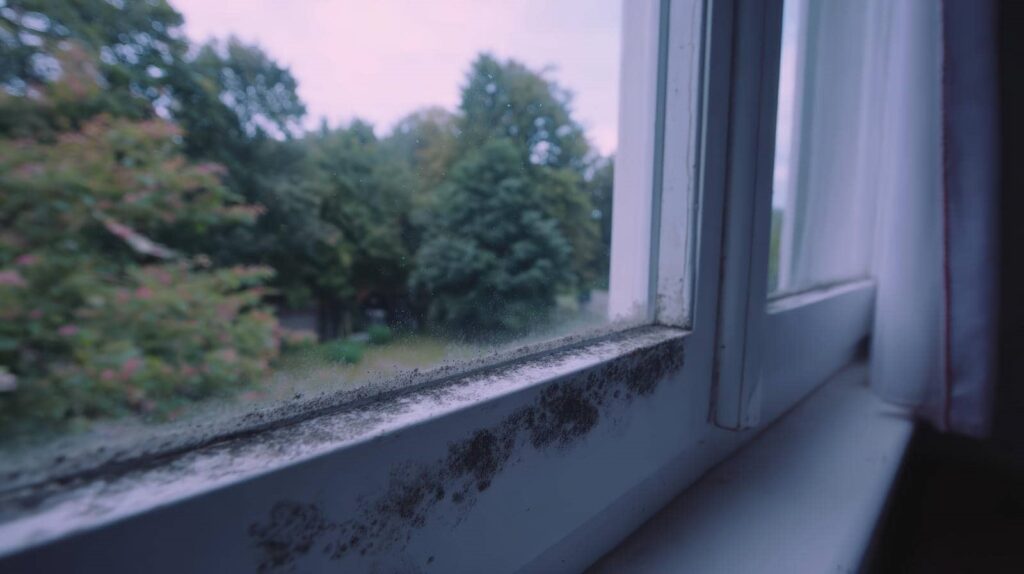
In a residential setting, you’re often focused on specific areas: walls, flooring, and personal belongings. Here, a thorough property inspection will typically involve measuring moisture levels in affected materials and evaluating potential structural issues.
On the other hand, commercial properties often present a more complex scenario.
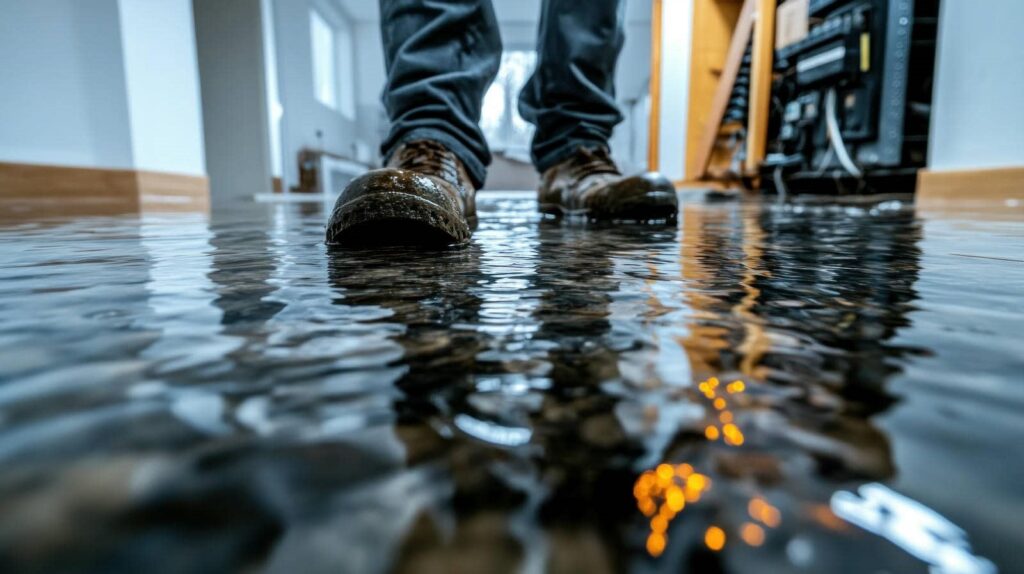
You’ll need to inspect larger areas, including plumbing systems, HVAC units, and electrical infrastructures, which can be more vulnerable to extensive damage. The evaluation process here must consider the potential impact on business operations, including downtime and financial loss.
Equipment and Techniques Used
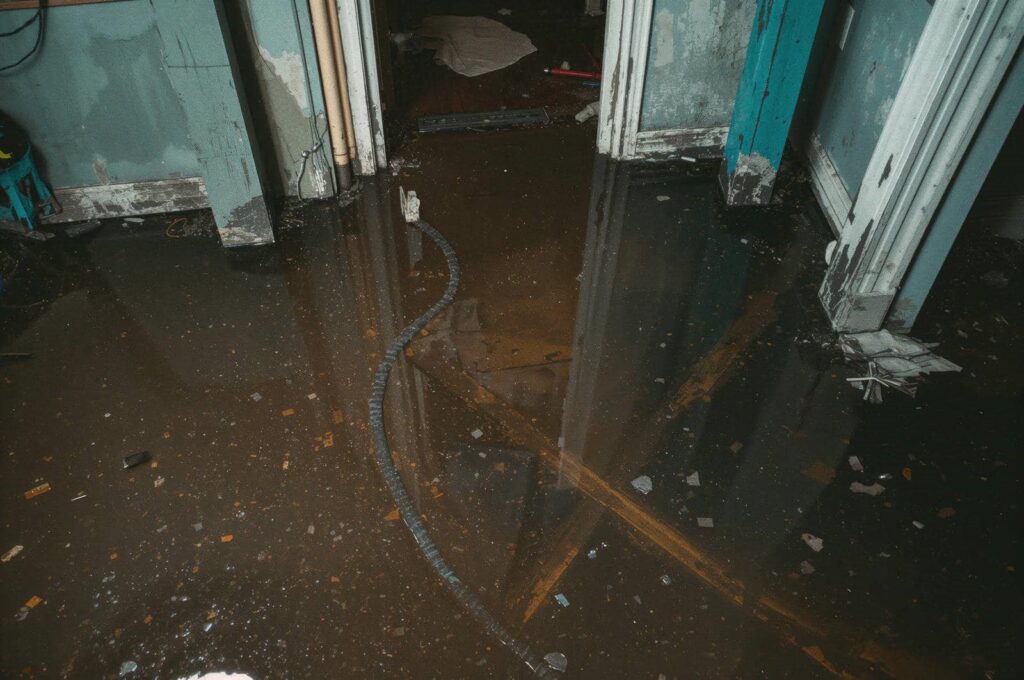
Effective water restoration relies heavily on specialized equipment and techniques tailored to the specific needs of the affected environment. In both residential and commercial settings, water extraction is the first priority, utilizing powerful pumps and vacuums to remove standing water quickly. This initial phase is essential to prevent further damage and mold growth.
Once extraction is complete, drying methods come into play. High-velocity air movers and dehumidifiers are deployed to expedite the drying process and ensure moisture levels are reduced to prevent secondary damage.
In commercial spaces, you might find larger, industrial-grade equipment designed to handle high volumes of water and vast areas.
Thermal imaging cameras can also be employed to detect hidden moisture pockets, guiding your restoration efforts effectively.
Response Time and Availability
Although both residential and commercial properties require prompt water restoration, the response time and availability can differ considerably between the two.
In residential cases, most restoration companies typically operate during standard service hours, often limiting emergency response to business hours. This can lead to delays in addressing water damage, which could escalate if not handled swiftly.
In contrast, commercial properties often necessitate a quicker turnaround due to their larger scale and potential financial implications. Many restoration services offer 24/7 emergency response for commercial clients, ensuring that you can minimize downtime and protect your business assets.
This round-the-clock availability is essential for maintaining operations and mitigating further damage.
Thus, when choosing a water restoration service, it’s important to evaluate their response times and service availability tailored to your specific needs, whether it’s for your home or your business.
Insurance and Financial Considerations
Understanding the insurance and financial considerations for water restoration is essential, especially since the coverage can greatly differ between residential and commercial properties.
In residential scenarios, policies often have lower deductible differences, making it easier for homeowners to manage out-of-pocket expenses. However, commercial properties typically face higher deductibles and more stringent coverage limits, reflecting the greater financial stakes involved.
When you’re maneuvering through these waters, it’s vital to review your policy details thoroughly. For commercial properties, you may find that coverage limits can vary considerably, impacting your financial recovery after water damage.
Make certain to assess your insurance needs, considering the potential costs of restoration and the unique risks associated with your property type. Being proactive in understanding these nuances will empower you to make informed decisions that protect your investment and facilitate a swift recovery process.
Regulatory and Compliance Factors
Insurance and financial considerations are just one aspect of the broader landscape surrounding water restoration. Understanding the regulatory standards and compliance requirements is vital for both residential and commercial projects. Steering through these factors helps ensure your restoration efforts are effective and legally sound.
Here are three key points to take into account:
Local Regulations: Each jurisdiction has specific regulations that dictate how water restoration should be conducted, including waste disposal and safety protocols.
Industry Standards: Familiarize yourself with standards set by organizations like the Institute of Inspection, Cleaning, and Restoration Certification (IICRC), which guide best practices in the industry.
Documentation: Maintaining thorough records of compliance with these standards is essential for accountability and can protect you in case of disputes or audits.
Frequently Asked Questions
How Do Residential and Commercial Water Restoration Timelines Differ?
Residential timelines usually focus on quick recovery to minimize disruption, often completing within days. In contrast, commercial timelines may be extended due to larger scale and operational complexities, sometimes taking weeks to ensure thorough restoration and compliance.
What Are Common Causes of Water Damage in Commercial Properties?
A pipe burst during a winter freeze can lead to extensive water damage in commercial properties. Common causes include plumbing issues, faulty fixtures, and HVAC malfunctions, all requiring prompt attention to prevent significant losses.
Can I Stay in My Home During Residential Water Restoration?
You can’t always stay during residential water restoration. Consider safety precautions, like potential hazards and noise. Homeowner considerations include evaluating the severity of damage and the restoration team’s recommendations to ensure your family’s safety and well-being.
Are There Specific Certifications for Commercial Water Restoration Professionals?
Yes, commercial water restoration professionals often hold certifications like IICRC, ensuring they meet industry standards. Think of it as a pilot’s license; you trust them to navigate complex situations with expertise and precision during restoration efforts.
How Does Water Restoration Impact Property Value in Both Sectors?
Water restoration greatly influences property value by minimizing property depreciation and addressing insurance implications. Prompt action reduces long-term damage, preserves structural integrity, and enhances marketability, ensuring your investment remains secure in both residential and commercial sectors.
Recap
Understanding the differences between residential and commercial water restoration is like maneuvering through two distinct waterways—each with its own currents and challenges. Whether you’re dealing with a flooded basement or a large-scale facility, recognizing the nuances in damage assessment, equipment, response time, insurance, and compliance will ensure you’re prepared. By staying informed, you’ll be equipped to tackle any restoration project efficiently and effectively, minimizing disruption and safeguarding your investment.