When water damage strikes, the approach varies markedly between homes and businesses. You must assess the extent of the damage quickly to implement effective cleanup strategies. For residences, rapid drying techniques are essential, while businesses often need to focus on minimizing operational disruptions. Understanding these differences can streamline your recovery efforts. But what specific steps should you take for each scenario to ensure a successful restoration? Let’s explore that next.
Key Takeaways
- Assess the source of water intrusion promptly to prevent further damage in both businesses and homes.
- Prioritize cleanup efforts by focusing on high-traffic areas and vulnerable materials to minimize disruption.
- Engage professional services for complex cases, as they utilize advanced technology for thorough assessment and restoration.
- Document all findings meticulously, as this aids in remediation planning and supports insurance claims for both business and home.
- Utilize dehumidifiers and fans effectively to expedite drying, reducing the risk of mold growth and structural damage.
Assessing the Extent of Water Damage
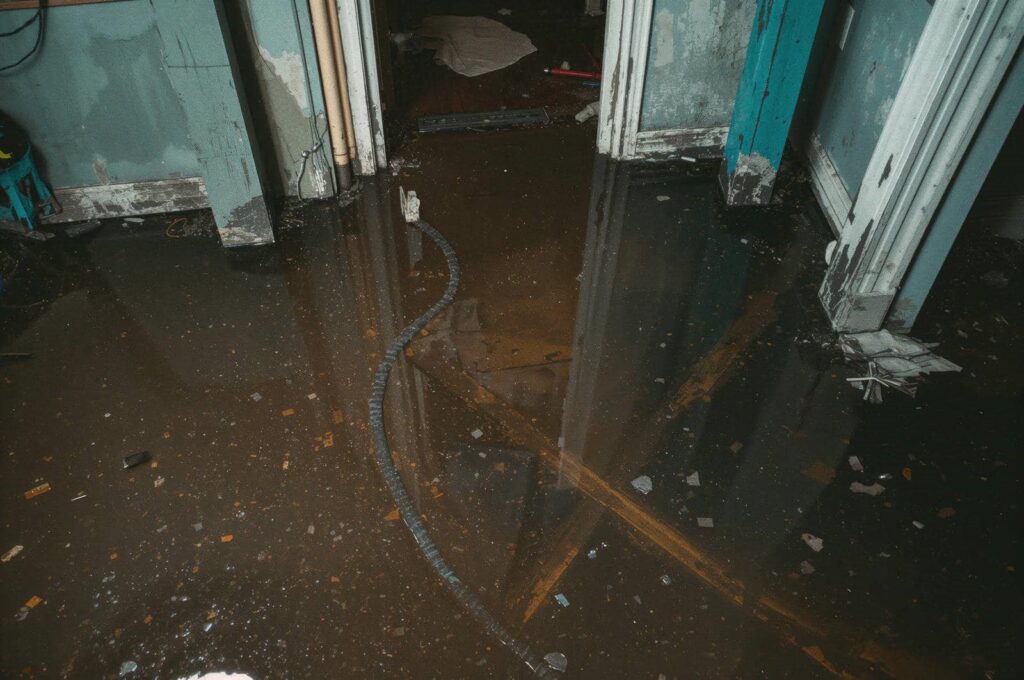
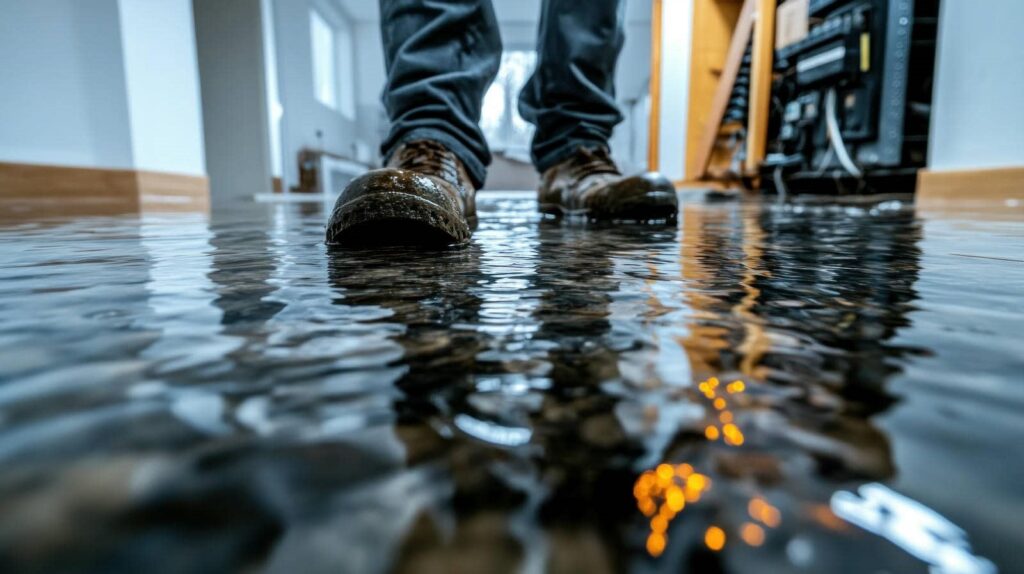
When you discover water damage, it’s essential to assess its extent quickly to prevent further complications. Start your damage assessment by identifying the source of the water intrusion.
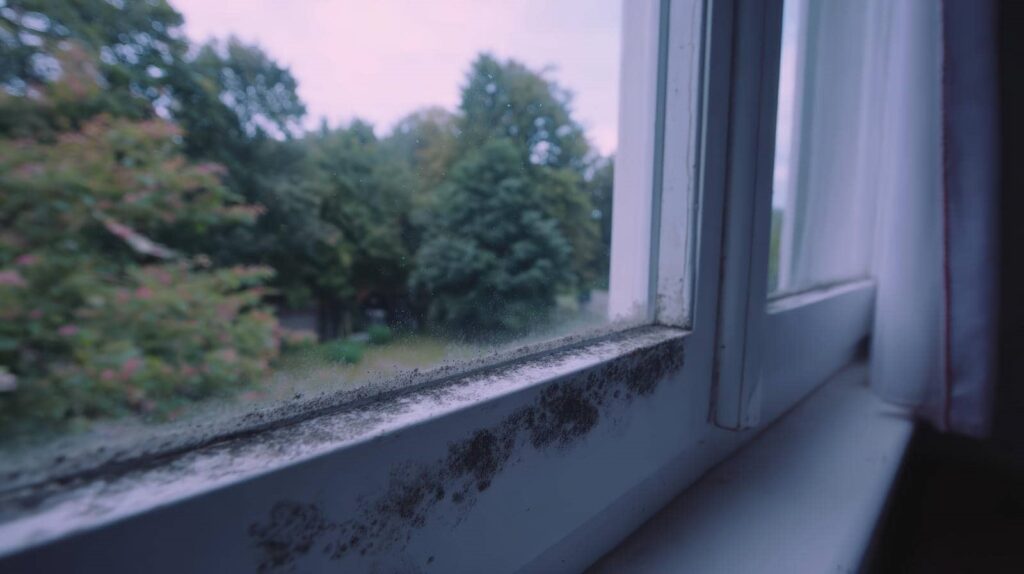
Evaluate the affected areas based on clear evaluation criteria, such as the type of water involved—clean, grey, or black—and the duration of exposure. Check for visible signs of damage, including discoloration, warping, or mold growth.
Don’t forget to inspect hidden areas, like behind walls or under flooring, as moisture can linger undetected. Document your findings meticulously; this aids in understanding the severity and planning for remediation.
Use tools like moisture meters to quantify the damage accurately, ensuring a thorough assessment. By following these steps, you’ll foster a sense of control in your community and among those affected, reinforcing the importance of timely and thorough evaluation in the face of water damage.
Prioritizing Cleanup and Restoration Efforts
After evaluating the extent of water damage, it’s time to prioritize cleanup and restoration efforts to mitigate further issues.
Begin by identifying areas with the highest cleanup urgency. Focus on spaces where water has pooled or penetrated materials, as these are prone to mold growth and structural damage.
Next, allocate resources efficiently. If you’re dealing with a large area, make certain that you have enough personnel and equipment to address the most critical spots first.
Utilize dehumidifiers and fans to expedite drying in key locations, and remove damaged materials to prevent secondary damage.
Consider the timeline—addressing urgent issues swiftly can save time and costs in the long run.
Engaging Professional Services for Effective Recovery
Although you may feel tempted to handle water damage cleanup on your own, engaging professional services can greatly enhance recovery efforts.
Professionals use advanced restoration technology to effectively assess and manage the damage, ensuring thorough extraction of water and moisture. They possess specialized equipment, such as dehumidifiers and moisture meters, which are essential for preventing mold growth and structural damage.
Additionally, experienced technicians understand the intricacies of insurance claims, helping you document the damage accurately and facilitating a smoother claims process.
This expertise can save you time and reduce stress, allowing you to focus on your life or business.
Frequently Asked Questions
What Materials Are Most Vulnerable to Water Damage?
Wood materials and certain carpet types are most vulnerable to water damage. They absorb moisture, leading to warping, mold growth, and unpleasant odors. Addressing these issues promptly can prevent significant damage and costly repairs.
How Long Does It Take to Dry Out Water-Damaged Areas?
Drying out water-damaged areas typically takes 3 to 7 days, depending on moisture levels and ventilation. Your prompt action and proper equipment can greatly reduce drying time, helping restore your space to its former glory.
Can I Use Regular Fans for Drying Water-Damaged Spaces?
You can use regular fans, but their drying efficiency is limited compared to specialized fan types. For best results, consider high-velocity fans, as they facilitate better airflow and expedite the drying process in water-damaged spaces.
What Are the Health Risks Associated With Water Damage?
Water damage can lead to mold growth, which poses serious health risks. You might experience respiratory issues, allergies, or infections. Don’t underestimate the effects; addressing water damage promptly is vital for your well-being and peace of mind.
How Can I Prevent Future Water Damage in My Home or Business?
To prevent future water damage, implement waterproofing techniques like sealants and membranes, and install proper drainage systems to divert water away. Regular inspections will ensure these systems function effectively, protecting your space from potential threats.
Review
Swift and strategic responses to water damage are essential for both homes and businesses. By evaluating damage accurately, prioritizing prompt cleanup, and partnering with professional services, you can effectively navigate this challenging situation. Remember, whether you’re battling basement floods or business disruptions, don’t delay—deploy dehumidifiers and diligent documentation to drive your recovery. Ultimately, your proactive approach will pave the path to a pristine and protected environment, ensuring peace of mind in the aftermath.