You might think any drying method will suffice after flood damage, but that’s not the case. Top structural drying equipment is essential for quick water extraction and preventing serious issues like mold growth. Using specialized tools ensures a thorough and efficient drying process. Understanding the different types of equipment and their benefits can make a significant difference in restoration outcomes. Let’s explore how these advanced technologies can streamline recovery efforts and protect your property.
Key Takeaways
- Top structural drying equipment accelerates water extraction, minimizing damage and health risks associated with flooding.
- High-capacity dehumidifiers control humidity, preventing secondary damage and mold growth in affected areas.
- Air movers enhance airflow, speeding up evaporation and reducing overall restoration time significantly.
- Advanced technology like infrared cameras detects hidden moisture, ensuring thorough drying and effective restoration.
- Professional-grade equipment is reliable and energy-efficient, supporting cost-effective community recovery efforts post-flooding.
Importance of Quick Water Extraction
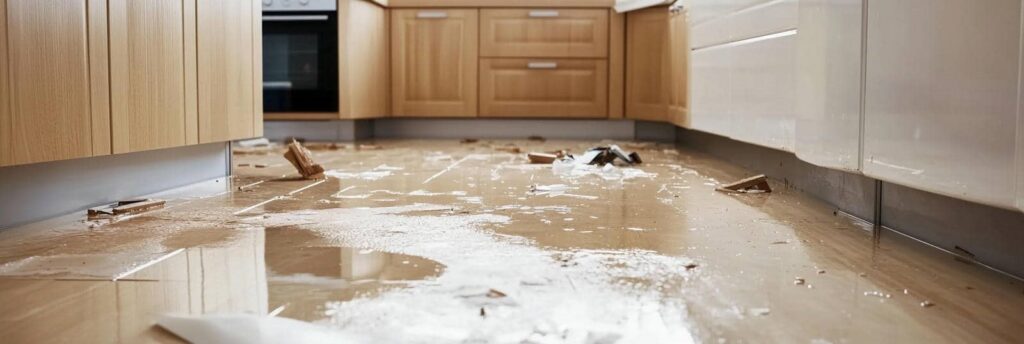
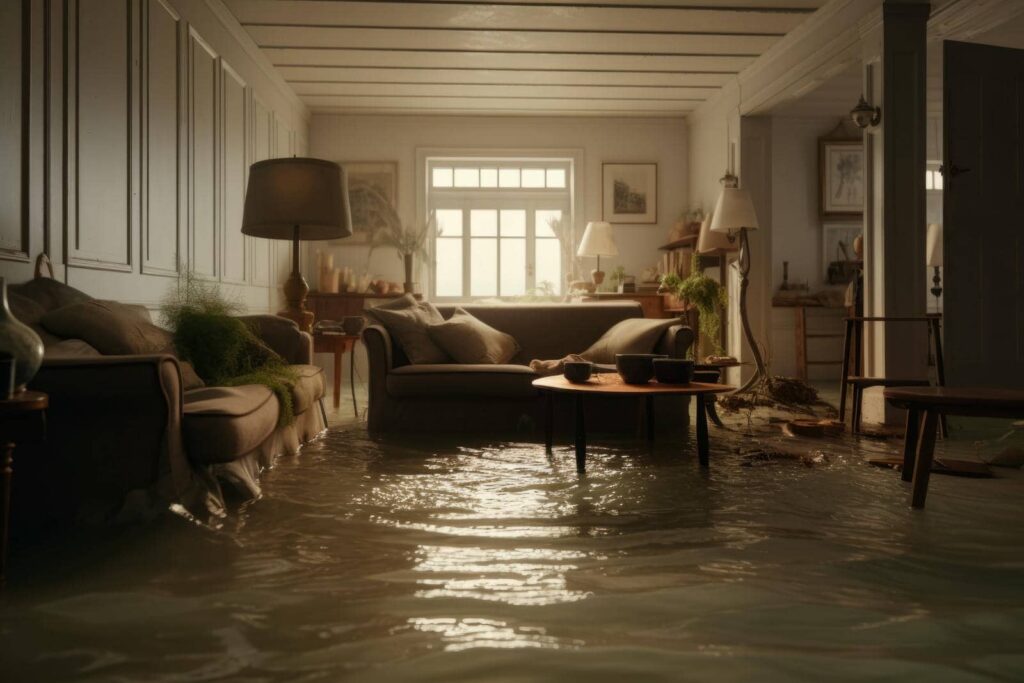
When flood damage strikes, the importance of quick water extraction can’t be overstated. Rapid removal of standing water is essential in preventing further damage and minimizing health risks.
You’ll need to initiate a thorough damage assessment immediately, evaluating how deeply water has penetrated structures and materials. This assessment guides your extraction efforts, ensuring you focus on the most affected areas first.
Effective water extraction helps reduce long-term issues, such as mold growth and structural instability. The longer water sits, the more damage it causes, increasing repair costs and extending disruption to your life.
By acting quickly, you’re protecting your property and fostering a sense of community resilience. Remember, timely intervention can make a significant difference in recovery outcomes.
Types of Structural Drying Equipment
Several types of structural drying equipment are essential for effectively managing flood damage. Understanding the types overview helps you choose the right tools for your needs.
First, you’ll encounter high-velocity air movers, designed to circulate air and speed up evaporation. Next, industrial dehumidifiers play a significant role in reducing humidity levels, preventing secondary water damage.
In your equipment comparisons, consider the size and capacity of each device. For larger areas, truck-mounted units may be necessary, while portable options suit smaller spaces.
Infrared thermal imaging cameras can also be invaluable, detecting hidden moisture in walls and floors.
Lastly, don’t overlook air scrubbers, which purify the air, removing contaminants.
Benefits of Professional-Grade Dehumidifiers
While you may consider various options for moisture removal, professional-grade dehumidifiers stand out due to their efficiency and advanced technology.
These units are designed with key dehumidifier features that enhance performance, such as high-capacity water extraction and automatic humidity control. You’ll appreciate how quickly they can lower humidity levels, preventing further damage to your property.
Moreover, energy efficiency is a significant advantage. Many professional-grade dehumidifiers use less power while delivering superior results, which saves you money and reduces your environmental impact.
They often come equipped with programmable settings, allowing you to customize operation according to your needs.
Investing in a professional-grade dehumidifier means you’re choosing reliability and effectiveness in moisture management.
This choice fosters a sense of community, as you join others committed to restoring their environments efficiently and responsibly.
Embrace the benefits of advanced technology to protect your space effectively.
Air Movers: Enhancing Drying Efficiency
To effectively enhance drying efficiency during flood damage restoration, air movers play an essential role in expediting the evaporation process.
These devices create powerful air flow, which accelerates moisture removal from various surfaces.
You’ll encounter different air mover types, including centrifugal and axial, each designed to meet specific drying needs.
Centrifugal air movers are ideal for targeted airflow, while axial types cover larger areas efficiently.
Monitoring Moisture Levels During the Process
Monitoring moisture levels during the drying process is essential for ensuring effective flood damage restoration. By using moisture sensors and humidity monitoring tools, you can accurately gauge the drying progress and make informed decisions.
Here are some key benefits of monitoring moisture levels:
- Detects hidden moisture pockets
- Ensures ideal drying conditions
- Prevents structural damage
- Reduces the risk of mold growth
- Enhances overall restoration efficiency
Using advanced moisture sensors allows you to track humidity levels in real-time, ensuring that your drying equipment operates at peak efficiency.
When you monitor these levels closely, you can adjust your strategy as needed, ensuring that every area affected by flooding receives the attention it needs.
In the end, effective moisture monitoring speeds up the drying process and safeguards your property against long-term damage. Stay proactive and invest in the right tools for successful flood damage restoration.
Preventing Mold Growth With Effective Drying Techniques
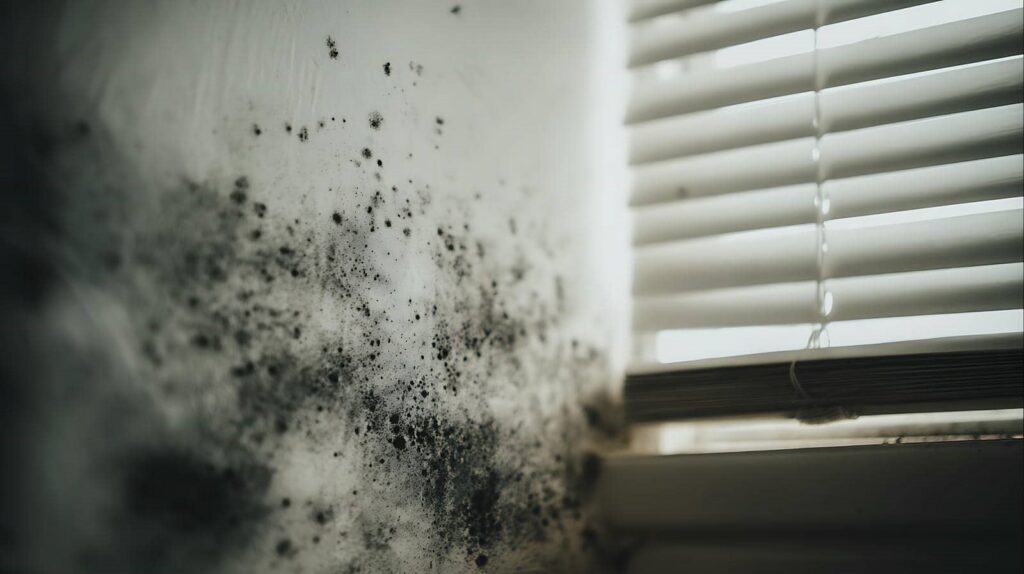
To prevent mold growth effectively, you must prioritize quick drying techniques immediately after water damage occurs.
Utilizing specialized equipment, like dehumidifiers and air movers, can considerably reduce moisture levels, creating an unfavorable environment for mold spores.
Understanding the importance of rapid drying can save you time, money, and health risks associated with mold proliferation.
Importance of Quick Drying
When flood damage occurs, quick drying is essential to prevent mold growth and preserve the integrity of your property. A rapid response can greatly shorten the drying timeline, minimizing the potential for costly repairs.
Here’s why quick drying matters:
- Mold thrives in damp environments, often within 24-48 hours.
- Effective drying techniques can save your belongings from permanent damage.
- A swift response can reduce health risks associated with mold exposure.
- It helps maintain the structural integrity of your home.
- Quick drying improves the overall recovery process, leading to faster restoration.
Equipment for Mold Prevention
While flood damage can lead to serious mold issues, utilizing the right drying equipment can considerably reduce that risk.
Effective mold remediation starts with moisture control, which is vital in preventing mold growth. High-efficiency dehumidifiers remove excess moisture from the air, creating an environment that’s inhospitable to mold spores.
Additionally, air movers enhance air circulation, speeding up the drying process for saturated materials. When you invest in top structural drying equipment, you’re not just addressing the immediate flood damage; you’re safeguarding your home from future mold problems.
Frequently Asked Questions
How Long Does Structural Drying Typically Take After a Flood?
Structural drying typically takes 3 to 7 days, but factors influencing duration include water volume, material types, and environmental conditions. Understanding these aspects helps you anticipate timelines and manage your expectations effectively during recovery.
Can I Rent Structural Drying Equipment for Personal Use?
Sure, you can rent structural drying equipment! Just imagine your living room as a mini lake. Check local suppliers for equipment availability; rental costs vary, but it’s often cheaper than your own flood-induced swimming pool!
What Safety Precautions Should I Take During the Drying Process?
Always wear safety gear like gloves and goggles. Be mindful of electrical hazards; verify circuits are dry before using equipment. Regularly check for leaks and structural integrity to maintain a safe drying environment.
Will Structural Drying Equipment Damage My Home’s Interior?
No, structural drying equipment won’t damage your home’s interior when used correctly. With efficiency in moisture removal, it ensures interior protection while effectively restoring your space without compromising aesthetics or structural integrity.
How Do I Choose the Right Drying Equipment for My Needs?
To choose the right drying equipment, assess your needs based on drying technology and specific equipment features. Consider the size of the area, moisture levels, and desired speed for effective and efficient drying solutions.
Summary
Using top structural drying equipment isn’t just a choice; it’s a necessity for effective flood damage recovery. The theory that traditional drying methods can suffice is misleading, as they often fail to address the underlying moisture that fosters mold growth and structural issues. By utilizing high-velocity air movers and professional-grade dehumidifiers, you ensure a thorough drying process, safeguarding your property and health. Don’t underestimate the power of advanced equipment—it’s your best defense against the aftermath of flooding.