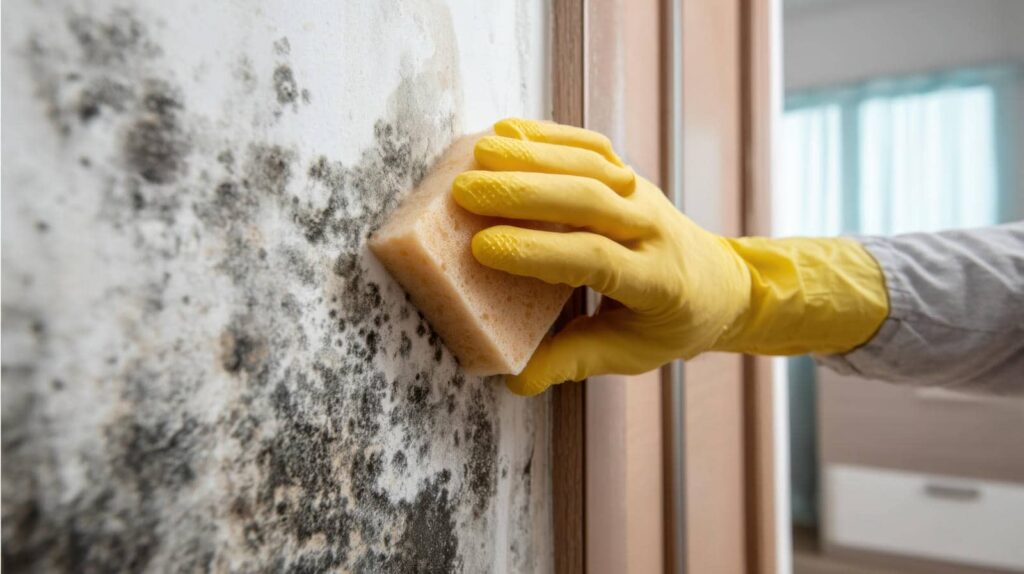
You might find it surprising that mold can start growing within just 24 to 48 hours after flooding. This rapid development poses serious health risks, even for those without pre-existing conditions. Understanding the urgency of mold remediation is essential for safeguarding your home and health. So, what steps should you take to tackle this problem and ensure it doesn’t return effectively?
Key Takeaways
- Mold can develop rapidly within 24 to 48 hours after flooding, making immediate remediation essential.
- Exposure to mold can lead to serious health issues, including respiratory problems and allergic reactions.
- Effective mold remediation prevents the spread of spores and minimizes the risk of future infestations.
- Professionals possess the skills and equipment necessary to ensure thorough mold removal and safe handling.
- Proper remediation includes cleaning and disinfecting to prevent regrowth and protect your living environment.
Understanding the Risks of Mold Growth After Flooding
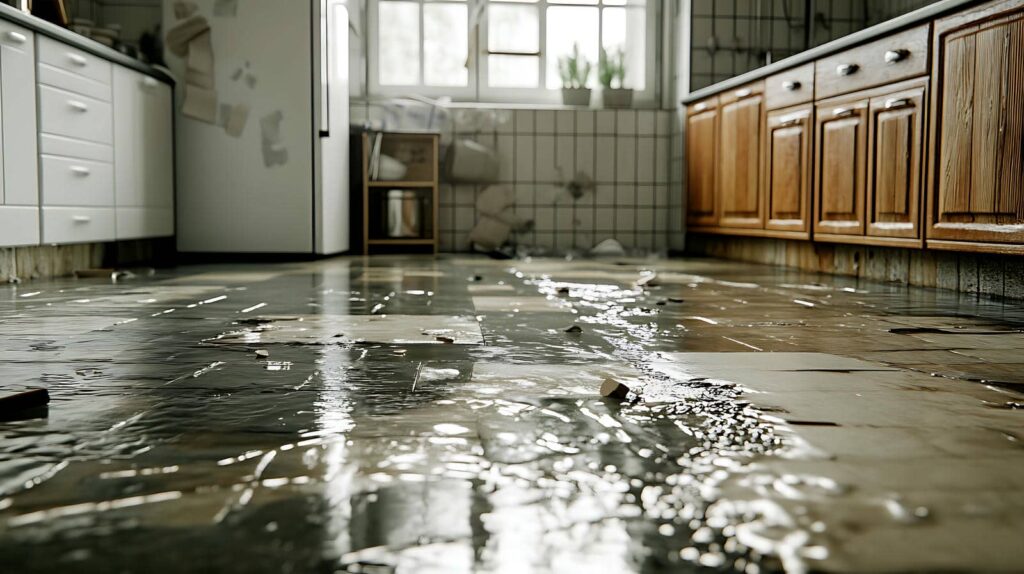
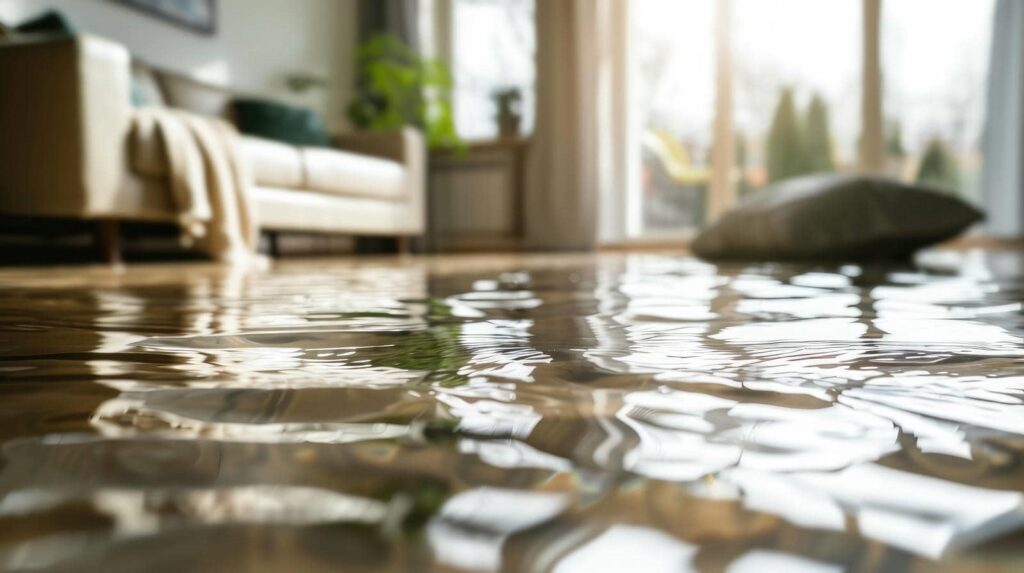
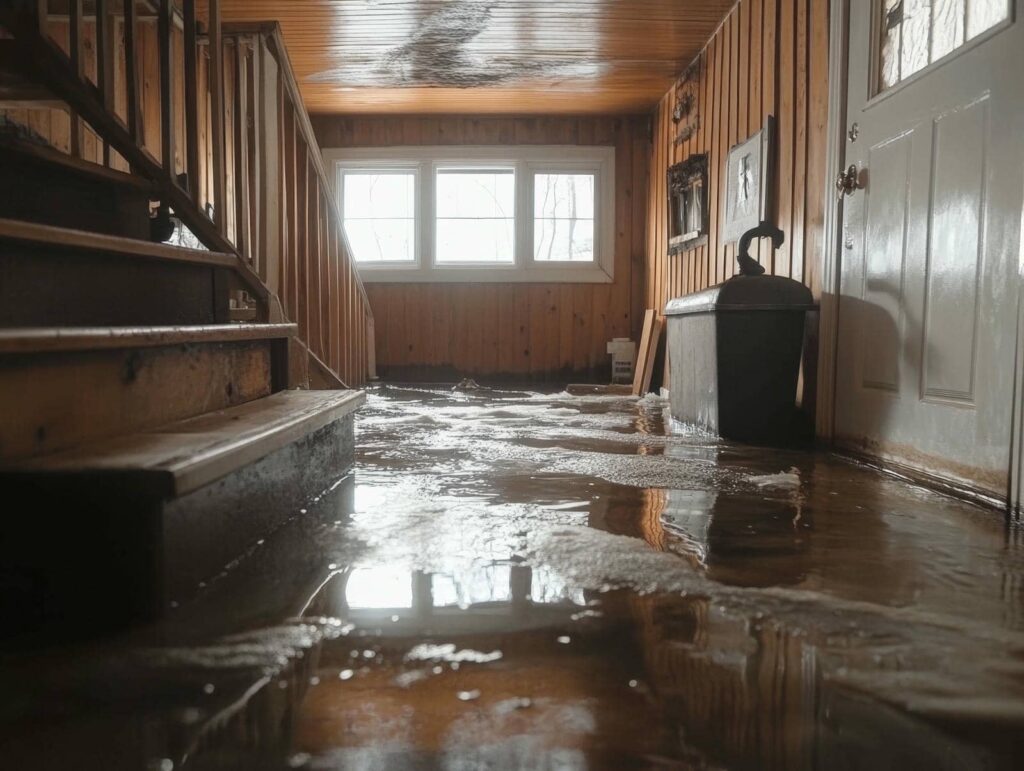
When your home experiences flooding, understanding the risks of mold growth becomes vital, as mold can develop within 24 to 48 hours under the right conditions.
Mold spores, which are omnipresent in the environment, thrive in damp areas, making moisture control essential. If you don’t act quickly, these spores can settle and multiply, leading to significant damage and potential health risks.
To mitigate mold growth, focus on controlling moisture levels. Dry out affected areas promptly using fans, dehumidifiers, and proper ventilation.
Ensure that materials like carpets and drywall are dried or replaced if they’re saturated. Regularly checking for leaks and maintaining humidity levels below 60% can further prevent mold from taking hold.
The Health Implications of Mold Exposure
Mold exposure can lead to a variety of health issues, particularly for individuals with respiratory conditions, allergies, or weakened immune systems. If you’re sensitive to mold, you might experience mold symptoms like coughing, sneezing, or skin irritation.
These allergic reactions can range from mild to severe, affecting your daily life and overall well-being. People with asthma may notice an increase in symptoms, such as wheezing or difficulty breathing, when exposed to mold spores.
It’s vital to recognize that even healthy individuals can experience adverse effects, especially in environments with significant mold growth. Long-term exposure may lead to chronic respiratory issues or other health complications.
Being aware of these health implications is essential for anyone living in a flood-affected area. Taking action to address mold growth protects your home and safeguards your health and that of your loved ones.
The Process of Mold Remediation
Effective mold remediation is vital for restoring safety and livability in a flood-affected home. You’ll start with a thorough mold inspection process, identifying all affected areas, as even hidden mold can pose serious health risks.
After pinpointing the problem, you can implement various mold removal techniques, such as physical removal, chemical treatments, and specialized equipment like air scrubbers and dehumidifiers.
It’s important to wear protective gear during this phase to safeguard your health. Once the mold is removed, you’ll need to thoroughly clean and disinfect surfaces to prevent regrowth.
Additionally, ensure proper ventilation to maintain ideal air quality and reduce moisture levels.
You should also document the entire process, as this can be useful for insurance claims and future reference.
Preventing Future Mold Growth
To ensure your home remains mold-free after remediation, it’s essential to implement proactive measures that address moisture control and ventilation.
Start by utilizing effective mold prevention techniques such as sealing cracks and gaps in your home’s exterior. This limits water intrusion and reduces dampness.
Next, focus on humidity control. Aim to keep indoor humidity levels between 30% and 60%. You can achieve this by using dehumidifiers in humid areas and ensuruing proper ventilation in bathrooms and kitchens.
Regularly inspect and maintain your HVAC system to confirm it operates efficiently, as a well-functioning system helps regulate air quality and moisture levels.
Additionally, consider using mold-resistant materials during repairs or renovations.
By actively managing moisture and humidity, you create an environment that discourages mold growth, fostering a healthier living space for you and your loved ones.
Taking these steps will help you enjoy peace of mind in your mold-free home.
The Importance of Professional Assistance in Mold Remediation
When dealing with mold issues, seeking professional assistance can greatly enhance the effectiveness of the remediation process. Mold can pose serious health risks and damage to your home, making it essential to address it promptly and thoroughly.
Professionals bring specialized knowledge and experience, allowing them to identify hidden mold sources that you might overlook. Their professional expertise equips them to employ the most effective remediation techniques tailored to your specific situation.
Additionally, professionals have access to advanced equipment that ensures a more efficient and safe removal process. They can also implement preventive measures to minimize future occurrences.
Relying on their skills fosters a sense of security, knowing you’re not maneuvering through this challenge alone. By collaborating with experts, you protect your home and contribute to a healthier environment for you and your loved ones.
In the end, professional assistance is an investment in your peace of mind.
Frequently Asked Questions
How Quickly Should Mold Remediation Begin After Flooding?
You should start mold remediation within 24 to 48 hours after flooding. Mold growth timelines accelerate, so conducting a flood damage assessment quickly ensures you tackle potential issues before they worsen, protecting your space and health.
Can I Handle Mold Remediation Myself?
You can handle mold remediation yourself, but many DIY attempts fail. If you choose to proceed, prioritize DIY safety and learn effective mold removal techniques to ensure your home remains healthy and safe.
What Are Common Signs of Mold Growth?
You’ll notice common signs of mold growth like musty odors, visible spots, and increased humidity. Employ mold identification techniques to confirm the presence, as untreated mold poses significant health risks to you and your loved ones.
How Much Does Professional Mold Remediation Cost?
Professional mold remediation costs range from $500 to $6,000, depending on the extent of the infestation and location. Implementing mold prevention tips and effective remediation techniques can markedly reduce these costs over time.
Will My Insurance Cover Mold Remediation?
Your insurance might cover mold remediation, but it depends on your policy’s mold insurance clause and coverage limits. Review your policy details or consult your agent to ensure you understand what’s included and any exclusions.
Final Thoughts
In the aftermath of flooding, you might think ignoring mold is a harmless choice, but that irony could cost you dearly. Opting for inaction invites respiratory issues and property damage, all while you believe you’re saving time. Investing in professional mold remediation safeguards your health and preserves your home’s integrity. So, while it may seem easier to overlook the problem, addressing mold promptly turns out to be the wisest and most efficient decision you can make.