
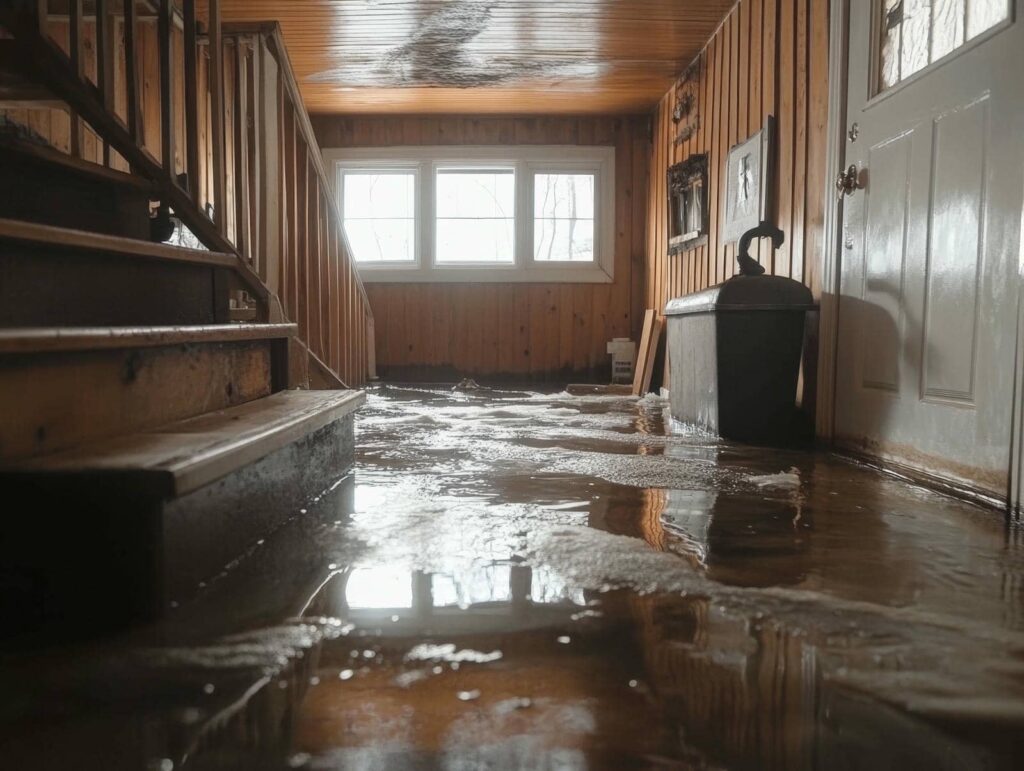
Imagine standing in your home, waterlogged floors and damaged belongings all around you, as you grapple with the aftermath of a flood. Navigating the flood cleanup claims process can be overwhelming if you don’t know where to begin. Understanding how to effectively document the damage and communicate with your insurance provider is essential. So, what steps should you take to ensure your claim is successful and your recovery is smooth?
Key Takeaways
- Document all damage thoroughly with detailed notes and clear photographs to support your claim effectively.
- Report the flood incident to your insurance company promptly for a smoother claims process.
- Review your insurance policy to understand coverage limits and exclusions that may affect your claim.
- Keep all receipts and invoices related to cleanup and repairs organized for easy reference during the claims process.
- Hire certified professionals for cleanup to ensure effective restoration and compliance with insurance requirements.
Document the Damage Thoroughly
When facing the aftermath of a flood, documenting the damage extensively is essential for a successful insurance claim. Start with a detailed damage assessment. Walk through your property methodically, noting areas affected by water, mold, or structural issues. Use a notepad or digital device to record details, including the extent of damage in each room.
Photographic evidence plays a vital role in this process. Capture clear images of all damaged items and areas, ensuring you take wide-angle shots for context. Close-ups of specific damages, like warped flooring or stained walls, provide additional clarity.
Don’t forget to date and label your images, as this information helps establish a timeline for your claim. By meticulously documenting and organizing your findings, you strengthen your claim and foster a sense of community with others who may be facing similar challenges.
Your thorough approach can make a significant difference in the outcome of your insurance process.
Report the Incident Promptly
Promptly reporting the flood incident to your insurance company is essential for a smooth claims process. The sooner you make the report, the better your chances of a favorable outcome.
Creating an incident timeline helps document when the flooding occurred and any immediate actions you took. This timeline can be vital during the claims process, as it provides context for the damage assessment.
When you contact your insurer, be ready to provide specific details about the extent of the damage and the areas affected. This information supports your claim and helps your insurer respond effectively.
Understand Your Insurance Policy
Understanding your insurance policy is essential when filing flood cleanup claims.
You’ll want to examine the coverage details to know what expenses are included and identify any exclusions that might affect your claim.
This knowledge can greatly influence your ability to recover costs after a flood.
Coverage Details Explained
Many homeowners underestimate the importance of thoroughly reviewing their insurance policies when it comes to flood coverage. Understanding the specifics of your policy types is vital.
Flood insurance typically falls under two categories: building coverage and contents coverage. Each has distinct coverage limits that determine how much you can claim for damages. Building coverage protects the structure, while contents coverage focuses on personal belongings.
It’s important to evaluate these limits to make sure they align with your property’s value and potential flood risk. Additionally, be aware of any local regulations that might affect your coverage.
Exclusions to Consider
While reviewing your flood insurance policy, it’s important to pay attention to the exclusions that may affect your coverage. Flood insurance exclusions can greatly impact your ability to recover from damages.
For instance, many policies don’t cover damage caused by sewer backups unless you have specific endorsements. Additionally, damages from mold or mildew often fall under policy limitations, requiring prompt action to avoid further issues.
It’s also vital to note that certain high-risk areas might have additional restrictions. By understanding these exclusions, you can better prepare for potential claims and avoid unpleasant surprises.
Take the time to read your policy thoroughly, and consider discussing any concerns with your insurance agent to make sure you’re adequately protected.
Keep Receipts and Invoices
Keeping receipts and invoices is essential when managing flood cleanup claims. Proper receipt organization helps you keep track of all expenses related to the cleanup process.
Start by creating a dedicated folder—either physical or digital—where you can store all relevant documents. This way, you won’t have to sift through piles of papers later.
Invoice tracking is equally important. Document each expense related to repairs, equipment rentals, or professional services. Make sure to note the date, amount, and purpose of every transaction.
This detailed record simplifies your claims process and strengthens your case with your insurance provider.
Additionally, consider using a spreadsheet or receipt management app to streamline your organization’s efforts. By maintaining precise records, you’re protecting your financial interests and fostering a sense of community by sharing knowledge with others facing similar challenges.
Hire Certified Professionals
When dealing with flood damage, hiring certified professionals is vital for effective cleanup and restoration.
Licensed restoration experts bring essential knowledge of insurance processes and can help you navigate your claims efficiently.
Additionally, they use specialized equipment to ensure thorough and safe restoration of your property.
Licensed Restoration Experts
Hiring licensed restoration experts is essential for effective flood cleanup, as their specialized training and experience ensure that your property is restored safely and efficiently.
These professionals possess expert qualifications, including certifications in water damage restoration and mitigation. They utilize advanced restoration techniques tailored to your specific situation, ensuring thorough removal of water and contaminants that could lead to further damage or health risks.
Moreover, licensed restoration experts stay updated on industry standards and best practices, providing you with peace of mind during a stressful time.
Insurance Knowledge Matters
Understanding your insurance coverage is essential during the flood recovery process, especially as you navigate the complexities of claims and restoration.
Familiarizing yourself with insurance terminology helps you advocate for your needs effectively. Here are some tips to enhance your insurance knowledge:
Review your policy limits to know what damages are covered.
Document all damage thoroughly to support your claim.
Communicate with your insurer regularly for updates and clarifications.
Seek certified professionals for accurate assessments and repairs.
Proper Equipment Utilization
Certified professionals bring specialized equipment and expertise essential for effective flood cleanup. When you hire certified experts, you ensure that the right tools, from industrial-strength pumps to moisture meters, are used efficiently.
These professionals follow strict safety precautions, protecting both themselves and your property during the cleanup process. They understand the importance of proper equipment maintenance, ensuring that all tools function effectively throughout the job.
This level of care speeds up the cleanup while minimizing the risk of further damage. By trusting certified professionals, you gain peace of mind, knowing that your flood cleanup is in capable hands, and you’re part of a community that values diligence and safety in recovery efforts.
Follow up With Your Insurance Adjuster
While maneuvering through the complexities of flood cleanup claims, it’s crucial to maintain open communication with your insurance adjuster.
Effective adjuster communication ensures you stay informed and can address any concerns promptly. Make it a priority to follow up on your claim regularly to avoid any delays.
Here are some tips for maintaining that connection:
- Schedule regular check-ins: Set reminders to reach out weekly or bi-weekly.
- Document your interactions: Keep notes of conversations for future reference.
- Ask specific questions: Inquire about timelines, required documentation, or next steps.
- Be proactive: If you haven’t heard back, don’t hesitate to follow up until you receive clear answers.
Frequently Asked Questions
How Long Do I Have to File a Flood Cleanup Claim?
You typically have 60 days to file your flood cleanup claim after the incident. Understanding flood insurance timelines and the claim submission process is essential to ensure you meet deadlines and receive your benefits.
What Types of Damages Are Typically Covered by Insurance?
Flood insurance coverage typically includes structural damage, personal property loss, and certain appliances. However, you should be wary of water damage exclusions that may limit your claims, leaving you feeling more vulnerable in a tough situation.
Can I Claim for Temporary Living Expenses After Flooding?
Yes, you can claim temporary living expenses under flood insurance if your home is uninhabitable. Document your costs thoroughly, and ensure they align with your policy’s coverage to facilitate a smooth claims process during this challenging time.
What Should I Do if My Claim Is Denied?
If your claim’s denied, don’t lose hope. Review denial reasons carefully, gather supporting documentation, and submit a claim appeal with clear evidence to strengthen your case and improve your chances.
How Can I Prevent Future Flood Damage to My Property?
To prevent future flood damage, implement flood-resistant landscaping and enhance your drainage system. Elevate plant beds, install rain gardens, and ensure gutters direct water away from your foundation to effectively mitigate potential flooding.
Recap
In the aftermath of a flood, steering your cleanup claims can feel like wading through murky waters. By meticulously documenting damage, promptly reporting the incident, and understanding your policy, you can guide your way toward a smoother recovery. Keeping track of receipts and hiring certified professionals aids your claim and ensures a thorough restoration. Don’t forget to maintain communication with your insurance adjuster, as this collaboration can help clear the path to a successful resolution.