If you’re dealing with black mold in your home, understanding effective strategies for elimination is crucial. Identifying the source of moisture is a critical first step, as it directly influences mold growth. From proper cleanup techniques to preventive measures, each action you take can greatly impact your home’s health. However, neglecting certain aspects may lead to recurring issues. Let’s explore the top approaches to ensure a mold-free environment.
Key Takeaways
- Identify and repair moisture sources promptly to prevent mold growth, keeping indoor humidity below 60%.
- Use protective gear during cleanup, including gloves, goggles, and an N95 mask to ensure safety.
- Contain affected areas by sealing them off and using HEPA filters to prevent mold spores from spreading.
- Clean surfaces with EPA-approved mold removal products, scrubbing thoroughly to eliminate mold effectively.
- Seek professional help for persistent mold issues to ensure thorough assessment and remediation.
Identify the Source of Moisture
To effectively eliminate black mold, you must first identify the source of moisture, as this is often the root cause of the problem.
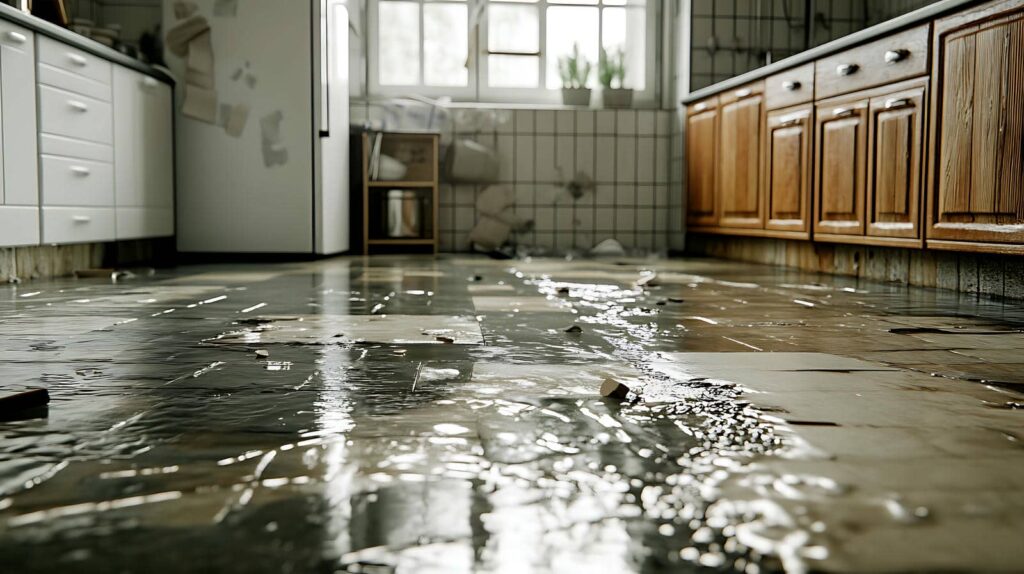
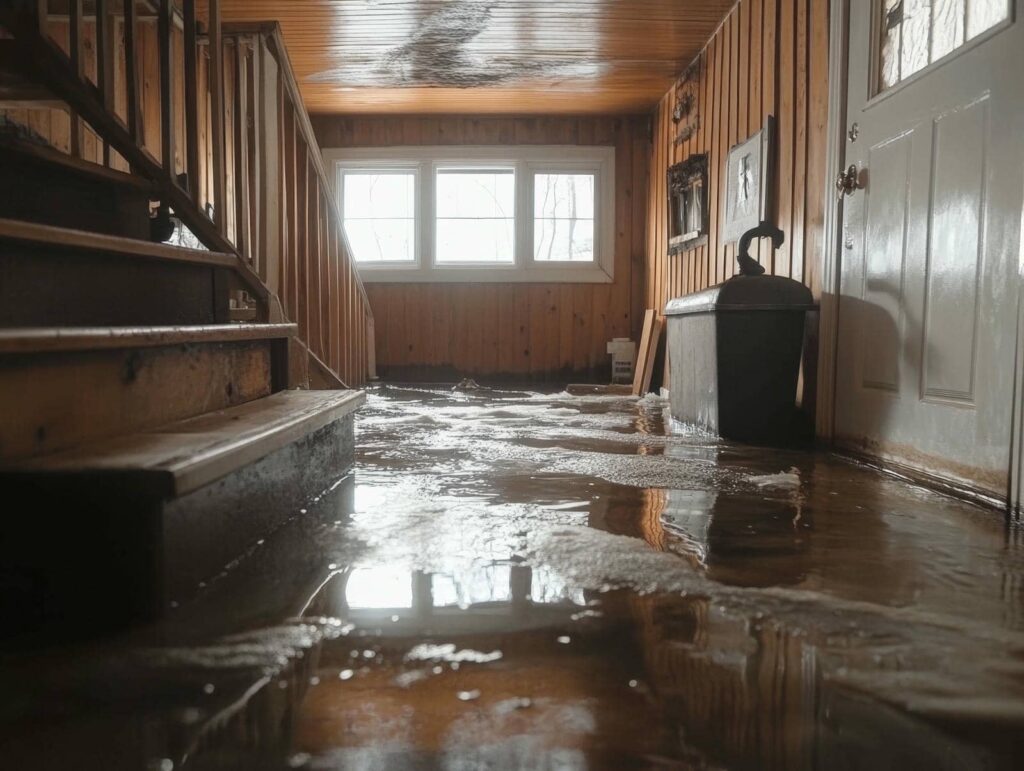
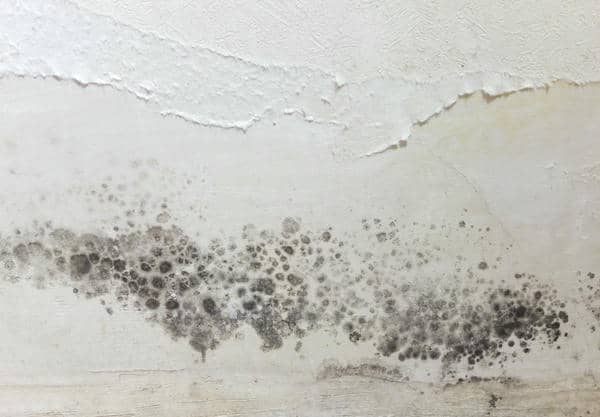
Begin by examining your home for common moisture sources, such as leaks in pipes, condensation on windows, or damp basements. Check areas where humidity levels are higher, like bathrooms and kitchens. Look for signs like water stains or peeling paint, which can indicate hidden moisture issues.
Once you’ve pinpointed the source, address it immediately. Repair leaks, improve ventilation, and consider using dehumidifiers to maintain ideal humidity levels.
Keeping indoor humidity below 60% can greatly reduce the chances of mold growth. By taking these steps, you not only create a healthier living environment but also foster a sense of belonging within your home, ensuring it remains a safe and welcoming space for you and your loved ones.
Use Protective Gear During Cleanup
After addressing the moisture source, it’s important to prioritize safety during the cleanup process. Black mold can release spores that are harmful to your health, so wearing the right protective gear is significant.
Start by donning protective clothing, such as long-sleeved shirts and pants, to minimize skin exposure. You’ll also want to use gloves made from rubber or plastic to protect your hands while handling contaminated materials.
Don’t forget about your eyes; wearing safety goggles is crucial to shield them from mold spores and any cleaning solutions you might use. A mask with an N95 rating can further safeguard your respiratory system, preventing you from inhaling harmful particles.
Contain the Infestation
To effectively contain a black mold infestation, you need to seal off affected areas to prevent spores from spreading.
Using plastic barriers can help isolate the contaminated space, creating a controlled environment for cleanup.
This initial step is essential for ensuring that your efforts to eliminate mold don’t unintentionally worsen the problem.
Seal Off Affected Areas
As you tackle a black mold infestation, sealing off the affected areas is essential to prevent further spread.
Start by closing doors and windows to limit airflow, which can carry spores to other parts of your home.
Employ effective ventilation techniques in unaffected areas, ensuring that air quality remains high while you work.
Use fans to direct airflow away from these areas, and consider using HEPA filters to capture airborne mold particles.
Remember, maintaining a controlled environment helps reduce the risk of reinfestation.
By containing the infestation, you’re protecting your home and fostering a healthier living space for you and your loved ones.
Taking these steps shows your commitment to a safe and mold-free home.
Use Plastic Barriers
While sealing off affected areas is essential, using plastic barriers can further contain the black mold infestation effectively.
By installing plastic sheeting, you create a physical barrier that prevents spores from spreading to unaffected spaces. This tactic is particularly useful during the remediation process, as it keeps moisture barriers intact and minimizes the risk of recontamination.
Make sure to securely tape the edges of the plastic sheeting to the walls and floors, ensuring a tight seal. Additionally, consider using thicker plastic for enhanced durability.
It’s also wise to wear protective gear while working with these materials, safeguarding yourself from exposure.
Remove Affected Materials
Removing affected materials is essential in eliminating black mold and preventing its return. When you discover mold-infested items, employ effective removal techniques to ensure thorough eradication.
Start by wearing appropriate protective gear, like gloves and masks, to safeguard your health. Identify materials that can’t be salvaged—such as drywall, carpet, or insulation—and prepare them for disposal.
Carefully remove these items, sealing them in plastic bags to prevent spores from spreading. Be mindful of any surrounding areas to avoid cross-contamination.
After disposal, make sure you’re following local regulations for material disposal, as improper disposal can lead to further issues.
In addition, consider replacing removed items with mold-resistant alternatives to fortify your home against future infestations.
Clean Surfaces With Mold Removal Solutions
To effectively tackle black mold on surfaces, you need to use specialized mold removal solutions that target and eliminate spores. Selecting the right mold removal products is essential for safe and effective cleaning.
Here are some cleaning techniques to take into account:
Choose EPA-approved products: Make certain your mold removal solution is safe for indoor use.
Use protective gear: Wear gloves and a mask to protect yourself from spores during cleaning.
Test a small area first: Check for any adverse reactions on the surface before applying the product widely.
Scrub thoroughly: Use a scrub brush or cloth to agitate the mold and help the solution penetrate.
Follow instructions: Each product has specific directions; following them ensures the best results.
Dry the Area Thoroughly
To effectively eliminate black mold, you need to dry the area thoroughly.
Use fans and dehumidifiers to reduce moisture levels, as stagnant air can promote mold growth.
Additionally, inspect for leaks to prevent further water intrusion and ensure a dry environment.
Use Fans and Dehumidifiers
While tackling black mold, using fans and dehumidifiers is essential for drying the affected area thoroughly. Proper fan placement can greatly speed up the drying process, so aim to position fans to direct airflow towards the damp spots.
Make sure your dehumidifier settings are optimized to reduce humidity levels effectively, ideally keeping them below 60%. Here are some tips to enhance your efforts:
- Place fans at different angles for better air circulation.
- Use multiple dehumidifiers if the area is large.
- Run fans continuously until the area is completely dry.
- Monitor humidity levels regularly.
- Check and empty dehumidifier tanks frequently.
Inspect for Leaks
Inspecting for leaks is essential, as even small water intrusions can lead to considerable mold growth if left unaddressed.
Start with thorough leak detection around your home, focusing on areas like under sinks, behind appliances, and around windows. A proactive plumbing inspection can help identify hidden issues, such as deteriorating pipes or faulty seals.
Once you find a leak, it’s vital to repair it immediately and dry the area thoroughly to prevent moisture buildup. Use fans and dehumidifiers to aid in drying, ensuring that no damp spots remain.
By addressing leaks promptly and effectively, you create a healthier living environment and notably reduce the risk of mold development.
Apply Mold Inhibitors
Applying mold inhibitors can greatly reduce the risk of black mold resurgence in your home, especially in areas prone to moisture. By utilizing mold-resistant products and chemical applications, you can create an environment less hospitable to mold growth.
Here are some effective strategies to take into account:
- Choose paint with mold-inhibiting properties for damp areas.
- Apply a mold-resistant sealant in bathrooms and basements.
- Use dehumidifiers to maintain ideal humidity levels.
- Treat porous surfaces with specialized mold inhibitors.
- Regularly clean areas that are prone to moisture with mold-resistant cleaning solutions.
Implementing these strategies helps prevent mold and contributes to a healthier living space.
Monitor for Future Growth
A proactive approach is essential for homeowners aiming to prevent the resurgence of black mold. Regular monitoring of your home’s environment is vital.
Check areas prone to moisture, like basements and bathrooms, for signs of mold growth. Mold spores can easily become airborne, spreading rapidly if left unchecked.
Ensure proper air circulation in your home by using fans and opening windows when possible. This helps minimize humidity levels, making it less conducive for mold to thrive.
Invest in a hygrometer to monitor indoor humidity; keeping it below 60% is ideal.
Additionally, inspect your HVAC system regularly. A well-maintained system improves air circulation and reduces the chances of mold spores settling in hidden corners.
Consider Professional Help if Necessary
When dealing with persistent black mold issues, you shouldn’t hesitate to contemplate professional help if your efforts don’t yield results.
Mold remediation experts can provide a thorough professional assessment, ensuring that you address the root cause rather than just the symptoms.
Here are some reasons why hiring professionals might be your best choice:
Expert Knowledge: They understand mold types and growth conditions.
Specialized Equipment: Professionals use advanced tools for effective removal.
Health Safety: They prioritize your health by following safety protocols.
Long-term Solutions: Experts can identify underlying moisture problems.
Peace of Mind: Knowing the job is done right reduces future worries.
Ultimately, if you’re struggling with black mold, seeking professional assistance can save you time, effort, and potential health risks.
Don’t hesitate to reach out for help when needed.
Frequently Asked Questions
Can Black Mold Cause Health Issues for Pets?
Yes, black mold can cause health issues for pets. Mold exposure may lead to respiratory problems, allergies, or skin irritations. It is crucial to monitor your pet’s health and maintain a mold-free environment for their well-being.
How Long Does It Take to Remove Black Mold Completely?
The removal timeframe for black mold varies, but complete eradication usually takes several days to weeks, depending on the severity and area affected. Thorough cleaning and proper ventilation are essential for effective results.
Is It Safe to Stay in the House During Mold Removal?
Staying in your house during mold removal isn’t safe without proper precautions. You should assess air quality, wear protective gear, and ensure adequate ventilation. Prioritizing safety precautions protects both your health and your home.
What Types of Surfaces Can Black Mold Grow On?
Black mold can grow on various surfaces, including wood surfaces and carpet fibers. It thrives in damp environments, so it’s essential to monitor these areas closely to prevent growth and maintain a healthy living space.
How Can I Prevent Black Mold From Returning?
To prevent mold return, utilize mold prevention techniques by maintaining humidity control below 60%. Regularly check for leaks and ensure proper ventilation in damp areas to inhibit growth.
Review
By diligently addressing dampness and decisively dealing with black mold, you can create a healthier home. Taking timely measures, such as using protective gear and proper cleanup methods, eradicates existing infestations and establishes a mold-free future. Remember, regular monitoring and moisture management are key to sustaining a safe space. If the situation seems too severe, don’t hesitate to seek skilled assistance. Your proactive approach today safeguards your sanctuary tomorrow, ensuring peace of mind amid potential perils.