When it comes to tackling black fungi in your home, understanding the underlying moisture sources is critical. Without addressing these, any removal efforts might be in vain. Using the right cleaning solutions is necessary for effective eradication, but improper techniques can leave spores behind. It’s also important to ensure your home remains well-ventilated. By exploring these strategies, you’ll uncover a thorough approach to removing and preventing future infestations.
Key Takeaways
- Conduct a thorough mold inspection to identify affected areas and hidden moisture sources that may contribute to black fungi growth.
- Use appropriate cleaning solutions like bleach or vinegar to effectively kill black fungi on hard surfaces.
- Implement removal techniques using scrub brushes and HEPA vacuums, while wearing protective gear to ensure safety during the process.
- Ensure proper ventilation in your home by utilizing exhaust fans and dehumidifiers to control humidity levels below 60%.
- Regularly inspect your home for leaks and replace damaged materials promptly to prevent future black fungi establishment.
Identify the Source of Moisture
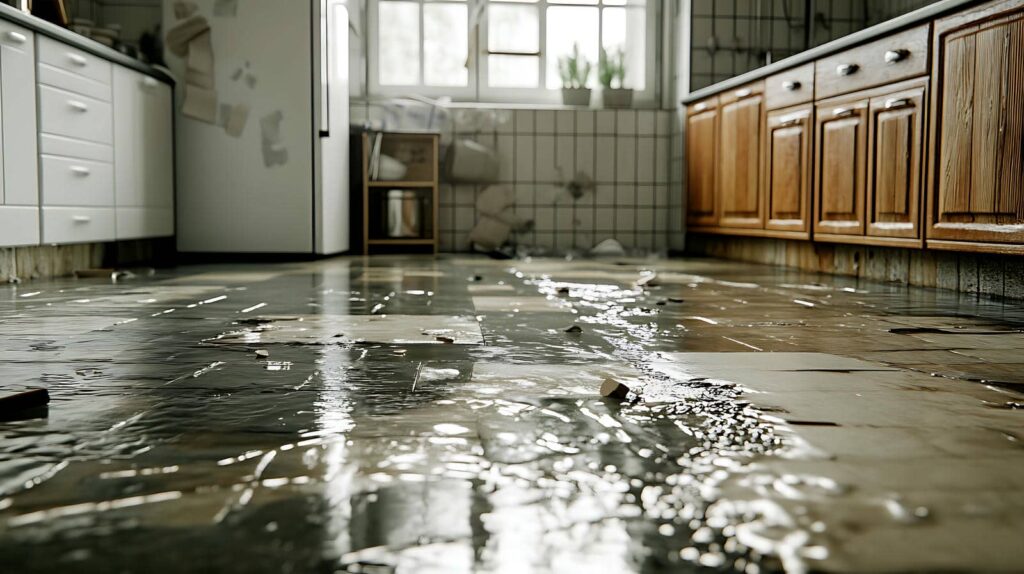
To effectively tackle black fungi, you must first identify the source of moisture contributing to their growth.
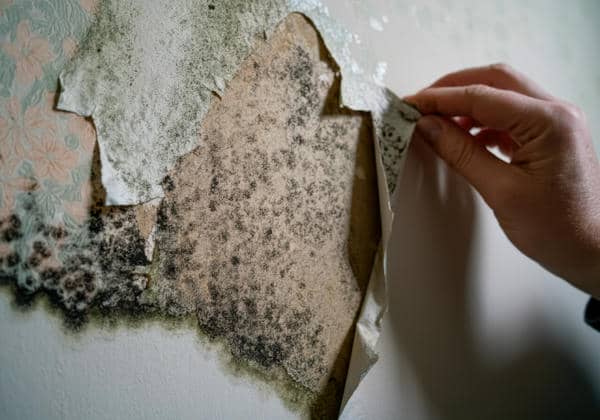
Begin with a thorough mold inspection to pinpoint affected areas. Look for visible signs of mold and dampness, as these indicate potential problems. Conducting a moisture assessment is vital; use tools like hygrometers to measure humidity levels in your home. High humidity can promote fungal proliferation, so be vigilant in areas like bathrooms, kitchens, and basements.
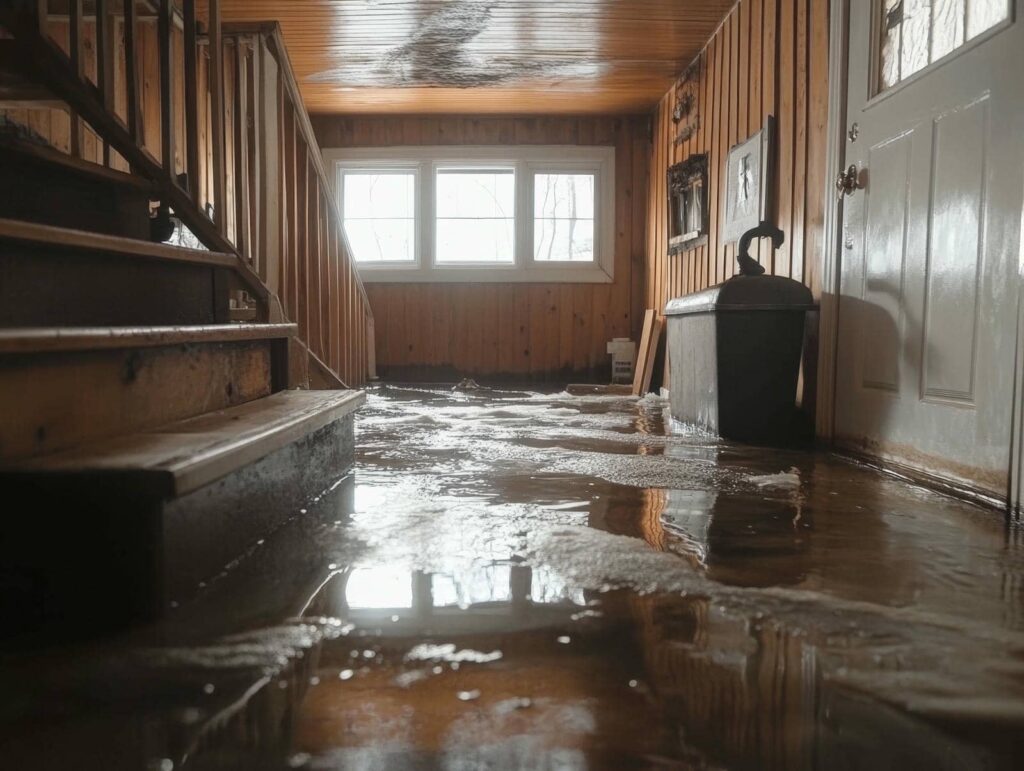
Next, investigate hidden sources of moisture, such as leaky pipes or roofs. Even minor leaks can create a conducive environment for black fungi. Addressing these issues promptly is essential for long-term prevention.
Use Proper Cleaning Solutions
While identifying moisture sources is essential, using proper cleaning solutions is equally important in combating black fungi. The effectiveness of your cleaning products can make a significant difference in your battle against these stubborn intruders.
To ensure you’re equipped for success, consider the following options:
Bleach: A strong disinfectant that can kill mold spores on hard surfaces.
Vinegar: A natural alternative that disrupts the growth of fungi while being safe for most materials.
Hydrogen Peroxide: This solution penetrates mold and is effective on porous surfaces.
Commercial Mold Cleaners: Formulated specifically for fungi removal, offering targeted solution effectiveness.
Implement Effective Removal Techniques
After equipping yourself with the right cleaning solutions, it’s time to focus on the actual removal of black fungi.
Begin with fungi identification to pinpoint the affected areas. This step is vital, as different fungi may require unique approaches. Use removal tools such as a scrub brush, sponge, or a specialized scraper to physically lift the fungi from surfaces.
Make certain you’re wearing protective gear, including gloves and a mask, to minimize health risks.
For porous materials, like wood or drywall, consider utilizing a vacuum with a HEPA filter to extract spores effectively.
Once you’ve removed the visible fungi, reapply your cleaning solution to ensure that any remaining spores are neutralized.
It’s important to work methodically, tackling small sections at a time. This thorough approach ensures effective removal while also fostering a sense of community, as you share successful strategies with fellow homeowners facing similar challenges.
Ensure Proper Ventilation
How can you effectively prevent black fungi from re-establishing itself in your home? One vital step is ensuring proper ventilation.
Good air circulation and humidity control are essential for creating an environment where fungi struggle to thrive. Here are four strategies to enhance ventilation:
Open Windows Regularly: Fresh air reduces humidity and promotes airflow throughout your home.
Use Exhaust Fans: Install exhaust fans in kitchens and bathrooms to eliminate moisture from cooking and showers.
Invest in Dehumidifiers: These devices help maintain ideal humidity levels, particularly in damp areas like basements.
Keep Vents Clear: Make sure that air vents are unobstructed to allow for maximum air circulation.
Prevent Future Growth
To effectively prevent future growth of black fungi in your home, it’s vital to address both moisture control and material integrity.
Start by implementing preventative measures such as maintaining indoor humidity levels below 60%. Use dehumidifiers in damp areas and ensure proper drainage around your property to keep moisture at bay. Regular inspections of your home can help you identify potential leaks or water damage early, allowing for timely repairs. Pay particular attention to basements, attics, and areas prone to condensation.
In addition, inspect building materials for signs of deterioration. Replace any damaged wood or drywall promptly to prevent fungi from taking hold.
Frequently Asked Questions
What Are the Health Risks Associated With Black Fungi Exposure?
Exposure to black fungi can lead to respiratory issues, allergic reactions, and skin irritations. If you have weakened immunity, the health risks increase considerably, potentially causing more severe infections that require immediate medical attention.
How Can I Identify Black Fungi Versus Other Types of Mold?
Identifying black fungi is like spotting a shadow among colors. Focus on spore characteristics during a visual inspection; black fungi often appear dark and slimy, while other molds vary in texture and hue.
Are There Specific Tools Needed for Black Fungi Removal?
You’ll need specialized fungi removal tools like brushes, scrapers, and protective gear, along with effective cleaning solutions such as vinegar or commercial cleaners. Together, these will help you tackle black fungi effectively and safely.
Can I Remove Black Fungi Without Professional Help?
Yes, you can remove black fungi without professional help using DIY methods. However, make certain you follow safety precautions like wearing gloves and masks, as improper handling can expose you to harmful spores. Stay safe while tackling it!
How Long Does It Take for Black Fungi to Regrow After Removal?
Black fungi can regrow within 24 to 48 hours, depending on environmental factors like humidity and temperature. Understanding this regrowth timeline helps you take proactive measures to prevent their return and maintain a healthy home atmosphere.
Conclusion
By identifying moisture sources and implementing immediate interventions, you can combat black fungi effectively. Proper cleaning solutions paired with proactive removal techniques will create a cleaner, healthier home environment. Prioritizing proper ventilation and maintaining lower humidity levels further fortifies your defenses against future fungal formations. Stay vigilant with regular inspections and prompt repairs to ensure a persistent prevention plan. Ultimately, by adopting these strategies, you’ll foster a fresh, fungi-free future in your living space.