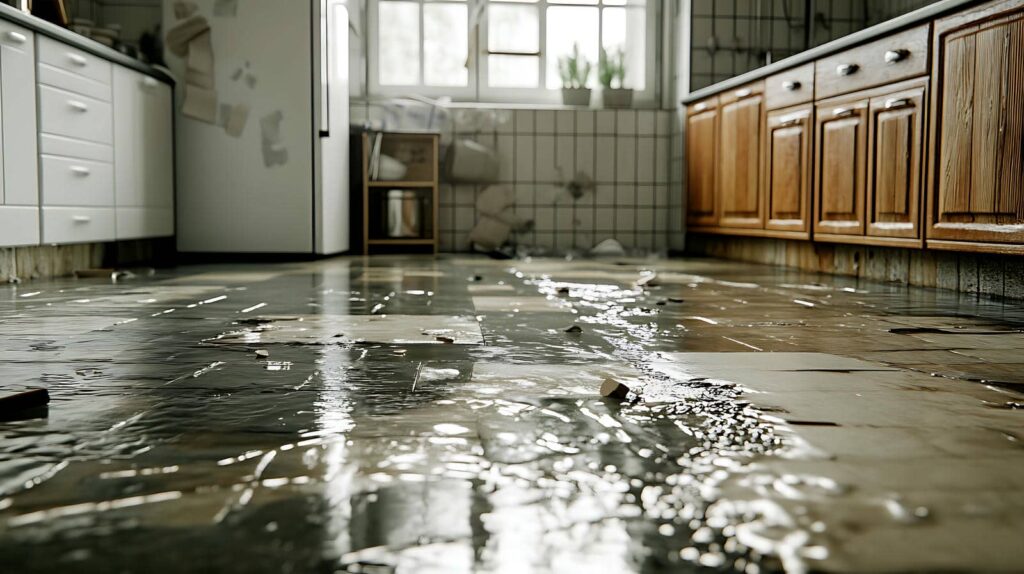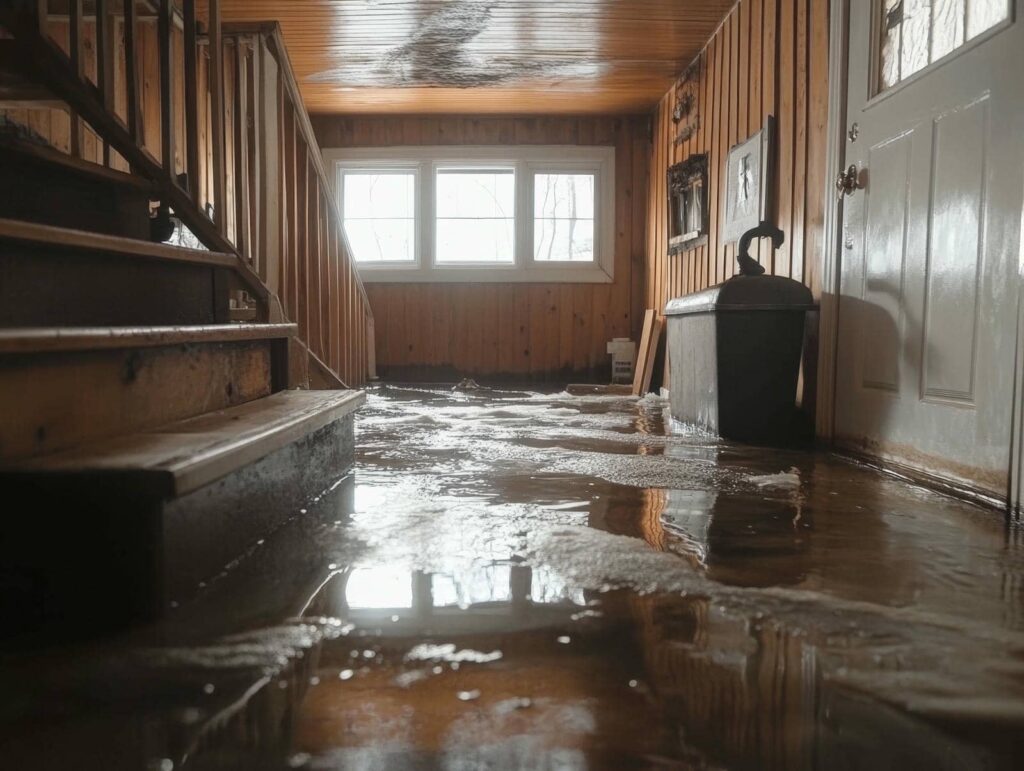
It’s a coincidence that many people overlook the importance of structural drying tools until faced with a flood. In such scenarios, understanding the top tools like air movers, dehumidifiers, and moisture meters can make a significant difference in recovery efforts. Knowing how each tool functions and their specific applications can streamline the drying process. Let’s explore how these essential tools work together to effectively restore your space after water damage.
Key Takeaways
- Air movers are essential for enhancing airflow, expediting the drying process, and ensuring even moisture evaporation across affected surfaces.
- Dehumidifiers, including refrigerant and desiccant types, maintain optimal humidity levels critical for effective drying and preventing mold growth.
- Moisture meters provide accurate monitoring of moisture levels, helping track drying progress and ensure effective recovery efforts.
- Regular calibration of moisture meters is vital for reliable readings and informed decision-making during flood recovery operations.
- Strategic placement of drying equipment maximizes efficiency and accelerates the drying process, preventing long-term damage from excess moisture.
Air Movers
When dealing with flood recovery, air movers play an essential role in expediting the drying process. These powerful devices create targeted airflow management, which greatly enhances drying efficiency.
By strategically placing air movers around the affected areas, you’re ensuring that moisture evaporates quickly and evenly. This isn’t just about drying surfaces; it’s about preventing long-term damage caused by excess humidity.
To maximize equipment efficiency, you should consider the size and type of air mover you’re using. High-velocity units can effectively dry carpets, walls, and other materials by forcing air circulation, while lower-speed models are great for more delicate tasks.
Adjusting the angle and position of the air movers can also improve airflow dynamics, ensuring that every corner receives adequate ventilation. By understanding and implementing these principles, you’ll create an effective drying strategy that fosters a sense of community resilience during flood recovery.
Dehumidifiers
While air movers initiate the drying process, dehumidifiers play an essential role in maintaining ideal humidity levels during flood recovery.
You’ll find two primary types of dehumidifiers: refrigerant dehumidifiers and desiccant dehumidifiers. Refrigerant dehumidifiers work by cooling the air, condensing moisture, and collecting it in a tank. They’re ideal for warmer environments and effectively handle a substantial volume of water vapor.
On the other hand, desiccant dehumidifiers use hygroscopic materials to absorb moisture from the air. These are particularly useful in cooler conditions where refrigerant models might struggle.
When choosing a dehumidifier, consider the size of the affected area and the environmental conditions. Both types are critical for preventing mold growth and structural damage.
Moisture Meters
After you’ve set up your dehumidifiers, moisture meters become indispensable tools in your flood recovery arsenal. They help you monitor moisture levels accurately, ensuring your space dries effectively.
To maximize their effectiveness, follow these best practices:
Regular Calibration: Confirm your moisture meter is regularly calibrated to maintain accuracy. This will give you reliable readings to assess drying progress.
Use Multiple Types: Invest in both pin-type and pinless moisture meters. Pin-type meters provide precise readings in specific materials, while pinless meters quickly scan larger areas.
Document Readings: Keep a log of moisture readings over time. This will help you track drying trends and make informed decisions about when it’s safe to return your space to its normal use.
Frequently Asked Questions
How Long Does Structural Drying Typically Take After a Flood?
Structural drying typically takes 3 to 5 days, depending on the moisture assessment. Factors like material type and environmental conditions influence the drying timeline, so it’s vital to monitor progress for effective recovery.
What Safety Precautions Should I Take During Drying?
You wouldn’t plunge into a shark tank without a cage, right? So, suit up with personal protective equipment, follow equipment guidelines, and prioritize flood safety. Your well-being’s essential while tackling those damp challenges.
Can I Use Household Fans for Drying Instead?
You can use household fans for drying, but their effectiveness is limited compared to specialized equipment. Expect longer drying times, as they circulate air without the same airflow and moisture removal capabilities as professional tools.
How Do I Know When My Property Is Fully Dry?
You’ll know your property’s fully dry when moisture detection tools show no readings and drying equipment has achieved ideal conditions. Trust your instincts; a thorough check ensures you’re not left with hidden dampness lurking behind walls.
What Are the Costs Associated With Structural Drying Services?
The costs associated with structural drying services vary based on several cost factors, including the extent of damage, equipment needed, and labor. Service pricing typically ranges from hundreds to thousands, depending on your specific situation.
Conclusion
In the battle against flood damage, air movers, dehumidifiers, and moisture meters are your trusted allies. Like a well-orchestrated symphony, they work together to restore your space, ensuring every drop of moisture is managed effectively. By leveraging these essential tools, you can expedite the drying process and safeguard your property from mold and further deterioration. Investing in these tools means securing a brighter, drier future for your home or business.