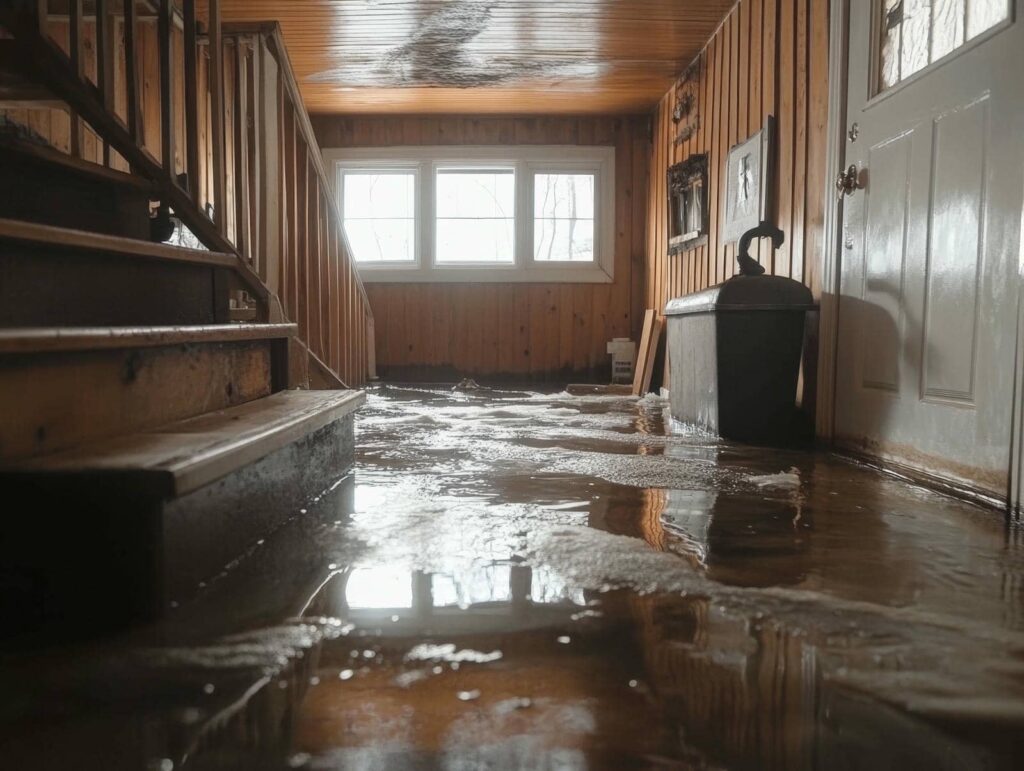

Imagine standing in your home, surrounded by waterlogged belongings and the stench of dampness lingering in the air. The reality of flood damage is overwhelming, but understanding your insurance policy can ease some of that burden. Knowing your coverage limits and exclusions is essential. As you navigate the claims process, careful documentation and prompt action can make a significant difference. How do you ensure that you’re not leaving money on the table during this challenging time?
Key Takeaways
- Review your insurance policy for specific flood damage coverage, including exclusions and limits, before filing a claim.
- Document all damage thoroughly with photos, videos, and detailed lists of affected items to support your claim.
- File your claim promptly to meet insurer deadlines, ensuring all documentation is complete to avoid complications.
- Communicate openly with insurance adjusters, providing them with necessary evidence and maintaining records of all interactions.
- Be aware of common pitfalls, such as ignoring policy exclusions or underestimating repair costs, to strengthen your claim.
Understanding Your Policy Coverage
When it comes to flood damage restoration insurance claims, understanding your policy coverage is vital. You need to familiarize yourself with specific terms like policy exclusions and coverage limits.
Policy exclusions detail what your insurance won’t cover, which can greatly impact your claim. For instance, damage caused by neglect or lack of maintenance is often excluded. Knowing these exclusions helps you avoid surprises during the claims process.
Additionally, coverage limits define the maximum amount your insurer will pay for a claim. If your losses exceed these limits, you’ll be responsible for the remaining costs.
It’s important to evaluate both your policy exclusions and coverage limits carefully. This way, you can make informed decisions about your restoration needs. By understanding these elements, you create a sense of security, allowing you to navigate the claims process with confidence and clarity.
Documenting Damage Effectively
After grasping your policy’s coverage, the next step is documenting the damage effectively.
Begin by performing a thorough damage assessment. Walk through your property, noting each affected area and item. It’s essential to be as detailed as possible.
Capture photographic evidence of all damage, ensuring you take pictures from multiple angles and include close-ups of notable issues. This visual documentation will serve as a critical tool when you file your claim.
Don’t forget to document any personal belongings that were damaged or lost, as these details can greatly impact your claim’s outcome.
Keep a record of all conversations with insurance representatives, along with any estimates or reports from repair professionals.
Filing Your Claim: Step-by-Step
Filing your flood damage claim requires careful attention to detail to ensure a smooth process and maximize your reimbursement.
Start by organizing your documentation and understanding your coverage limits. Follow these steps for effective claim submission:
Gather Evidence: Compile photos, videos, and a list of damaged items to support your claim.
Review Your Policy: Familiarize yourself with your coverage limits, ensuring you know what’s included and excluded.
Submit Promptly: File your claim as soon as possible, adhering to your insurer’s timelines to avoid complications.
Working With Insurance Adjusters
Once you’ve submitted your flood damage claim, the next step involves working closely with insurance adjusters. These professionals play a critical role in evaluating your damage and determining the amount for claim settlements.
It’s essential to be prepared for adjuster negotiations; they’ll assess your property, review documentation, and may ask questions about the incident. To facilitate a smooth process, keep records of all conversations and provide any supporting evidence, such as photographs and repair estimates.
Be transparent about your situation, as this fosters trust and can lead to more favorable outcomes. Stay engaged throughout the process; don’t hesitate to ask questions if something isn’t clear.
Common Pitfalls to Avoid
As you navigate the flood damage restoration insurance claims process, it’s essential to avoid common pitfalls that can hinder your chances of a successful outcome.
Many homeowners face claim denials due to misunderstandings surrounding their policies. Here are three critical pitfalls to steer clear of:
Ignoring Policy Exclusions: Familiarize yourself with your coverage details. Policy exclusions can result in claim denial if you’re unaware of what’s not covered.
Delaying Documentation: Promptly document the damage with photos and notes. Delays can weaken your claim and provide grounds for denial.
Underestimating Repair Costs: Obtain accurate estimates for repairs. Lowballing costs can lead to shortfalls in coverage, triggering claim denial reasons based on insufficient funds.
Frequently Asked Questions
What Types of Flood Damage Are Typically Covered by Insurance?
Typically, flood coverage includes structural damage, personal property loss, and essential appliances. However, policy exclusions may limit coverage for things like basements or specific types of valuables. Always review your policy for details on coverage limitations.
How Long Does the Claims Process Usually Take?
The claims timeline usually takes weeks to months, depending on your insurer and any processing delays. Staying proactive and providing necessary documentation can help expedite the process, ensuring you receive your compensation sooner.
Can I Use My Own Contractor for Repairs?
Yes, you can typically choose your own contractor for repairs. However, check your policy for specific contractor selection guidelines, as this may affect your repair timeline and reimbursement process with your insurance provider.
Will My Premiums Increase After Filing a Claim?
Filing a claim can feel like tossing a stone into a pond, rippling through your premiums. If you’ve a history of claims, expect premium adjustments; insurers often consider claim frequency when determining your rates.
What Can I Do if My Claim Is Denied?
If your claim’s denied, review the denial reasons carefully. You can file a claim appeal, providing additional documentation or evidence that supports your case, demonstrating why the claim should be reconsidered for approval.
Recap
Steering through flood damage restoration insurance claims can feel like guiding a ship through stormy seas. By understanding your policy coverage, documenting damage thoroughly, and filing your claim promptly, you can chart a course towards a successful resolution. Engaging effectively with insurance adjusters and avoiding common pitfalls will help you maneuver these turbulent waters more smoothly. With careful preparation and attention to detail, you can ensure your journey through the claims process is less intimidating and more manageable.