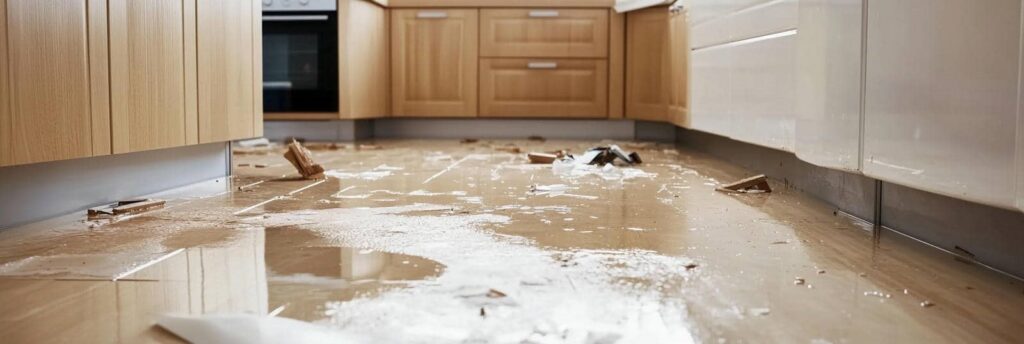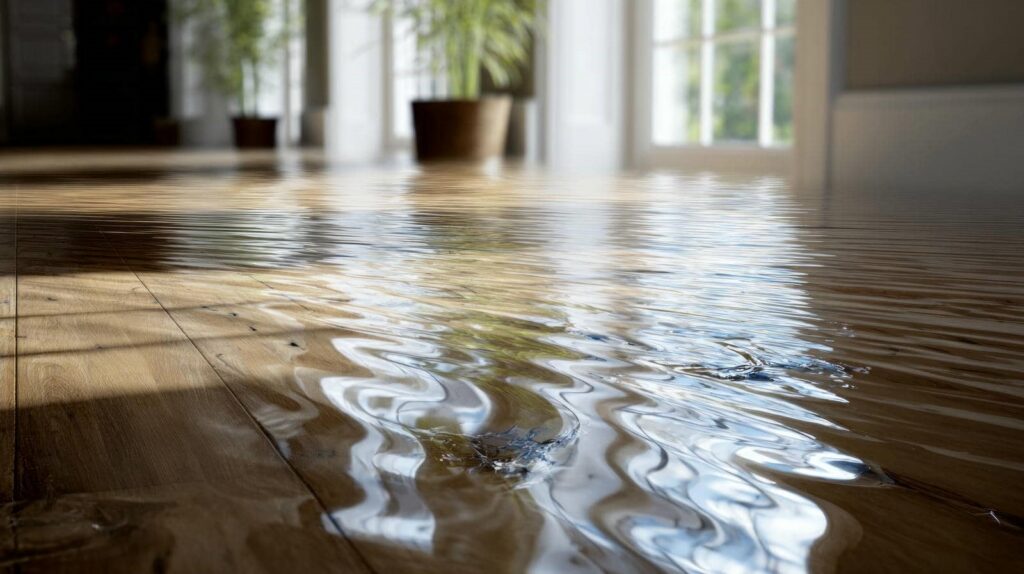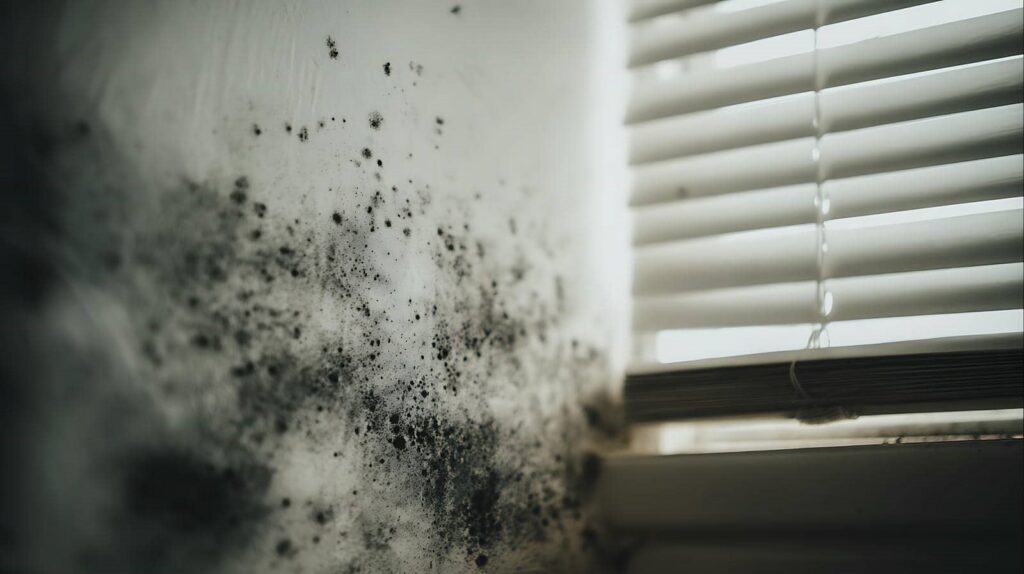
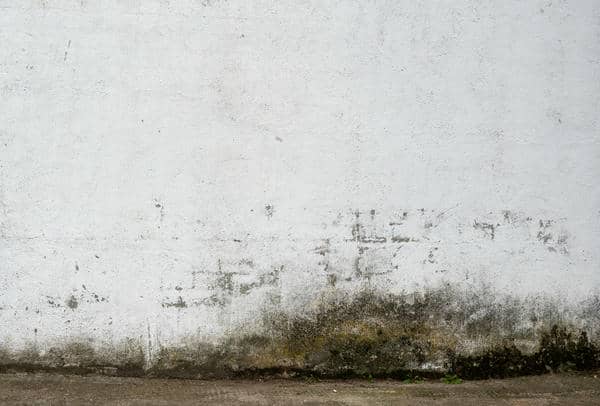
When you face water damage, immediate action is vital to prevent mold growth. Start by evaluating the extent of the damage and extracting water promptly. Drying out affected areas within 24 to 48 hours is necessary. You’ll want to maintain proper humidity levels and ensure good ventilation. But knowing where to begin and which strategies to prioritize can be overwhelming. Let’s explore the best approaches to safeguard your home effectively.
Key Takeaways
- Immediately extract standing water using pumps and wet vacuums to prevent mold growth within 24 to 48 hours after water intrusion.
- Maintain indoor humidity levels below 60% with dehumidifiers and ensure proper ventilation in moisture-prone areas like bathrooms and kitchens.
- Clean and sanitize all surfaces after water damage using disinfectants formulated to eliminate mold spores and bacteria.
- Use mold-resistant materials, like fiberglass or treated cellulose insulation, in areas susceptible to moisture for added protection.
- Conduct regular inspections of plumbing, roofing, and HVAC systems to identify and address potential leaks or moisture issues promptly.
Assessing the Extent of Water Damage
When you encounter water damage in your home, it’s essential to assess its extent promptly to prevent mold growth.
Start your water damage assessment by identifying visible signs of moisture, such as discoloration or damp spots on walls and ceilings. Next, conduct a moisture level evaluation using a moisture meter; this tool helps you quantify the severity of the water intrusion.
Look for areas where water may have pooled or penetrated structures, like insulation or flooring. Pay close attention to hidden spaces, such as behind appliances or inside cabinets, where moisture can linger undetected.
Document your findings thoroughly, as this information will guide your remediation efforts. By identifying the source of the water and understanding the extent of the damage, you can take the necessary steps to mitigate future mold risks, ensuring a safe and healthy environment for you and your loved ones.
Immediate Water Extraction Techniques
When water damage occurs, your quick response can greatly reduce the risk of mold growth.
You’ll need the right tools, like pumps and wet vacuums, to efficiently remove standing water and minimize moisture.
If the situation is extensive, don’t hesitate to call in professional extraction services to ensure thorough and effective water removal.
Importance of Quick Response
Although mold growth can start within 24 to 48 hours of water intrusion, immediate water extraction techniques are essential to mitigating damage and preventing further contamination.
Quick action is vital; the longer water sits, the higher the likelihood of structural damage and mold proliferation. By employing timely intervention strategies, you can greatly reduce the impact on your home and health.
Focus on removing standing water efficiently and thoroughly, targeting affected areas with precision. This proactive approach protects your property and fosters a sense of community, as you take responsibility for your environment.
Tools for Water Removal
To effectively combat water intrusion and prevent mold growth, you’ll need the right tools for immediate water extraction.
Start with water pumps, which are essential for removing large volumes of standing water quickly. They come in various sizes, so choose one that fits your specific situation—submersible pumps work well for deep water, while utility pumps are great for shallower areas.
Next, utilize extraction vacuums, designed for sucking up residual moisture from carpets and hard surfaces. These vacuums remove water and help extract dirt and debris, promoting a cleaner environment.
Professional Extraction Services
If you face significant water intrusion, professional extraction services can provide the immediate response needed to mitigate damage and prevent mold growth.
These experts utilize advanced equipment, such as commercial-grade pumps and dehumidifiers, to efficiently remove standing water and moisture from your property.
Quick action is essential; even a few hours can lead to extensive water damage and mold proliferation.
Drying Out Affected Areas
When you discover mold in your home, promptly drying out the affected areas is essential to preventing further growth and damage.
Start by ensuring adequate air circulation; open windows and doors to create cross-ventilation. Use fans to boost airflow, directing them toward the damp areas. This movement of air will help evaporate moisture more quickly.
Next, focus on moisture control. Identify and address any sources of water intrusion, such as leaks or spills.
Wipe down surfaces with a dry cloth to remove excess water, and consider using absorbent materials like towels to soak up moisture. Pay special attention to hidden areas, such as behind furniture and inside walls, where dampness can linger unnoticed.
Using Dehumidifiers Effectively
While humidity levels rise, using dehumidifiers effectively can greatly reduce the risk of mold growth in your home.
Start by strategically considering dehumidifier placement; position the units in areas with the highest moisture, such as basements or near water-damaged zones. Ensure good airflow around the unit by keeping it at least six inches away from walls or furniture.
For ideal settings, aim to maintain indoor humidity levels between 30% and 60%. This range inhibits mold while providing a comfortable environment. If your dehumidifier has a built-in hygrometer, monitor the humidity and adjust the settings accordingly.
Run the dehumidifier continuously until the affected areas are fully dry, which may take several days. Remember to empty the water tank frequently or connect a hose for continuous drainage.
Cleaning and Sanitizing Surfaces
To effectively prevent mold growth, regularly cleaning and sanitizing surfaces in your home is essential. Start by using surface disinfectants that are specifically formulated to eliminate mold spores and bacteria. These products clean and help create a barrier against future mold growth.
Incorporate mold-resistant products in areas prone to moisture, such as bathrooms and kitchens, to enhance protection. Focus on high-touch areas like countertops, doorknobs, and light switches, ensuring you follow the manufacturer’s instructions for peak effectiveness.
Remember to clean and sanitize surfaces after any water damage, as lingering moisture can lead to mold proliferation. Additionally, maintain a routine cleaning schedule to keep surfaces dry and free from contaminants.
Identifying Hidden Moisture Sources
To effectively prevent mold, you need to identify hidden moisture sources in your home.
Start by inspecting concealed areas like behind walls or under carpets, where dampness can accumulate unnoticed.
Additionally, check plumbing fixtures for leaks or drips that could contribute to moisture problems.
Inspecting Hidden Areas
How can you effectively identify hidden moisture sources in your home? Start by inspecting areas often overlooked, such as behind appliances, inside cabinets, and under sinks.
These spaces can harbor hidden mold if moisture accumulates. Use moisture detectors to measure humidity levels in these concealed spots, as high readings can indicate potential mold growth.
Don’t forget to check around windows and doors for leaks, as these can introduce moisture into your home’s structure.
Pay attention to your basement and attic, where condensation often occurs.
Addressing these hidden moisture sources promptly can prevent mold development and create a healthier living environment.
Checking Plumbing Fixtures
Plumbing fixtures are often overlooked sources of hidden moisture, making them essential to inspect regularly.
During your plumbing maintenance routine, focus on areas like faucets, showerheads, and toilet connections. Check for leaks, corrosion, and signs of mildew, as even minor drips can lead to significant mold growth.
Schedule fixture inspections every few months to catch issues early. Verify that seals and gaskets are intact, and replace any worn components promptly.
Don’t forget to examine under sinks and around appliances, where moisture can accumulate unnoticed.
Monitoring Humidity Levels
Have you ever wondered why monitoring humidity levels is essential for mold prevention?
Keeping track of these levels is a critical part of effective humidity control, especially after water damage. High humidity creates an ideal environment for mold growth, so using moisture sensors can help you stay ahead of the problem.
Here’s how you can effectively monitor humidity:
Use Moisture Sensors: Invest in reliable sensors to constantly track humidity levels in vulnerable areas.
Set Threshold Alerts: Configure alerts for when humidity exceeds a certain percentage, prompting immediate action.
Regularly Check Readings: Make it a habit to review humidity levels daily, ensuring they stay within safe limits.
Sealing and Insulating Vulnerable Areas
To effectively prevent mold growth, you need to identify high-risk areas in your home, such as basements, attics, and around windows.
Using high-quality sealants can help close gaps and cracks, while selecting appropriate insulation materials ensures peak thermal performance and effective moisture control.
Identify High-Risk Areas
Identifying high-risk areas in your home is essential for effective mold prevention, and sealing or insulating these vulnerable spots can greatly reduce moisture accumulation.
Start by conducting moisture mapping to pinpoint mold hotspots, as these are often the areas most susceptible to water damage.
Here are three critical areas to focus on:
Basements and Crawlspaces: These lower areas often retain humidity and require proper insulation.
Attics: Poor ventilation and insulation can lead to moisture buildup, creating a perfect environment for mold.
Around Windows and Doors: Sealing gaps can prevent rainwater infiltration and condensation.
Use Quality Sealants
When it comes to mold prevention, using quality sealants is crucial for sealing and insulating vulnerable areas in your home. You’ll want to choose the right sealant types, like silicone or polyurethane, which provide excellent moisture resistance.
Begin by thoroughly cleaning the surfaces to ensure proper adhesion. For effective application techniques, apply the sealant in a continuous bead, filling any gaps or cracks completely. Use a caulking gun for precision, and smooth the bead with a wet finger or tool for a professional finish.
After application, allow adequate curing time before exposing the area to moisture. By following these steps, you’ll create a protective barrier, greatly reducing the risk of mold growth and contributing to a healthier living environment.
Insulation Material Selection
Selecting the right insulation materials plays a vital role in sealing and insulating vulnerable areas of your home, further enhancing mold prevention efforts.
When you choose appropriate insulation types, you create effective moisture barriers that deter mold growth. Here are three essential considerations:
Fiberglass Insulation: Offers excellent thermal performance and can be treated to resist moisture, making it a popular choice.
Spray Foam Insulation: Provides superior air sealing and acts as a moisture barrier, filling gaps that could harbor water.
Cellulose Insulation: Made from recycled materials, it’s treated for mold resistance and helps regulate humidity levels.
Implementing Regular Maintenance Checks
Although mold can thrive in hidden areas, implementing regular maintenance checks is essential for early detection and prevention. You should establish routine inspections as part of your maintenance schedules, allowing you to identify potential moisture issues before they escalate.
Start by examining areas prone to dampness, such as basements, crawl spaces, and bathrooms. Pay close attention to leaks in plumbing or roofs, as these can create ideal conditions for mold growth.
Ensure that your HVAC systems are inspected regularly, as stagnant water or humidity can foster mold development. By keeping records of your inspections, you can track patterns and address recurring problems efficiently.
Creating a community-focused approach by involving family or neighbors in these checks fosters a sense of belonging and collective responsibility. By prioritizing maintenance, you protect your property and contribute to the overall health and safety of your environment.
Seeking Professional Help When Necessary
Regular maintenance checks can help you spot potential mold issues early, but sometimes problems require a more experienced touch. If you notice significant water damage or persistent mold growth, it’s essential to seek professional help.
A professional assessment can identify underlying issues that you mightn’t see, ensuring your home remains safe and healthy.
Here are three reasons to take into account expert consultation:
Thorough Inspection: Professionals use specialized equipment to detect hidden mold and moisture.
Effective Remediation: They employ tailored strategies to eliminate mold and prevent recurrence.
Safety Assurance: Experts understand the health risks associated with mold and can address them appropriately.
Don’t hesitate to reach out for help when needed. Investing in professional services protects your home and provides peace of mind, knowing you’re taking the right steps for your family’s well-being.
Frequently Asked Questions
How Can I Tell if Mold Is Starting to Grow?
You can tell if mold’s starting to grow by checking for mold indicators like visible spots or a musty smell. Also, monitor moisture levels; high humidity can accelerate mold development, signaling a potential problem.
What Are the Health Effects of Mold Exposure?
Mold exposure can lead to various health issues, including respiratory issues like asthma, coughing, and wheezing. You might also experience mold symptoms such as headaches, fatigue, and skin irritation, which can greatly affect your well-being.
How Long Does It Take for Mold to Grow After Water Damage?
Did you know mold can start growing within 24 to 48 hours after water damage? The mold growth timeline depends on factors like humidity and temperature, so addressing water damage swiftly is vital for prevention.
Can I Remove Mold Myself or Should I Hire a Professional?
You can remove mold yourself, but make certain you follow DIY precautions meticulously. If the infestation is extensive, hiring a professional ensures thorough mold removal, protecting your health and assuring complete remediation. Choose wisely for your safety.
What Materials Are Most Susceptible to Mold Growth?
Wood surfaces and carpet fibers are mold’s favorite hangouts! They thrive in damp conditions, so keeping these materials dry is essential. Regularly inspect and treat them to prevent mold from ruining your home’s cozy atmosphere.
Wrap-Up
By taking swift action and implementing these mold prevention strategies, you’re not just patching a leak; you’re fortifying your home against an unseen foe. Think of it as building an armor of resilience—one that keeps your indoor air fresh and your spaces safe. Regular maintenance and vigilance can make the difference between a healthy home and a mold-infested nightmare. So, gear up, stay proactive, and make certain your sanctuary remains a safe haven for you and your loved ones.