
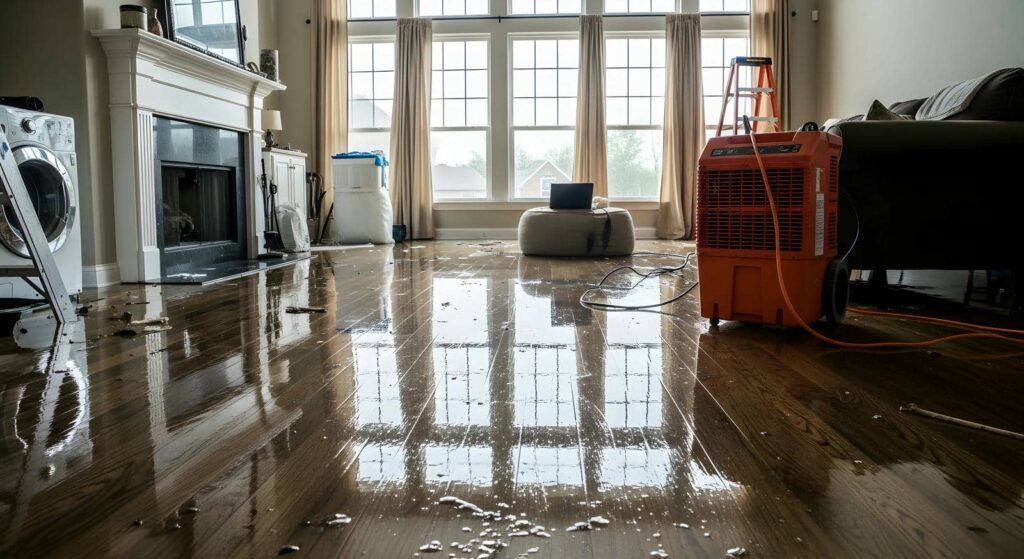
Filing a flood claims can feel overwhelming, but knowing the steps can simplify the process. First, you need to assess the damage to your property. Then, documenting your losses accurately becomes essential. Next, contacting your insurance provider will clarify your coverage. But what comes after? Understanding how to fill out the claim form and what supporting documents you’ll need is vital, as is following up diligently with your claims adjuster.
Key Takeaways
- Assess and document all visible damage, including photographs, lists of affected items, and repair estimates.
- Review your insurance policy to understand coverage details and prepare the necessary information for the claim.
- Fill out the claim form accurately, providing detailed descriptions of damages and affected belongings.
- Submit supporting documentation, such as photos, receipts, and official flood reports, to strengthen your claim.
- Follow up regularly with your claims adjuster to check on the status and ensure timely processing.
Assessing the Damage
When you begin evaluating the damage after a flood, it’s essential to approach the situation methodically. Start by surveying your property, taking note of visible damage to walls, floors, and personal belongings.
This damage evaluation is vital for understanding the extent of the impact on your home. Document each affected area, including any structural issues that may arise.
Next, gather repair estimates from professionals. Get multiple quotes, as this will give you a clearer picture of the costs involved and help when negotiating with your insurance provider.
Pay attention to both immediate repairs and long-term renovations needed to prevent future issues.
Documenting Your Losses
Documenting your losses is essential for a successful flood claim, as accurate records provide the foundation for your insurance process.
Begin with a thorough loss assessment, detailing every damaged item and area of your property. Take photographs or videos to visually illustrate the extent of the damage; these will serve as crucial claim documentation.
Make a list of affected belongings, including their original value and replacement costs. Don’t forget to include any additional living expenses incurred due to the flood, as these can also impact your claim.
Organize all relevant documents, such as receipts, repair estimates, and any communications with contractors or local authorities. This organized approach strengthens your claim and helps you feel more in control during a stressful time.
Contacting Your Insurance Provider
As you navigate the aftermath of a flood, reaching out to your insurance provider promptly is essential for initiating your claim.
Start by reviewing your insurance coverage to understand what’s included and what isn’t. This knowledge equips you to ask specific questions during your conversation, ensuring you don’t miss any vital details.
When you contact your provider, be prepared with your policy number and a clear account of your losses, as this will streamline the claim process.
Explain the extent of the damage and any immediate repairs you’ve undertaken to prevent further loss. Your insurer may assign an adjuster to assess the situation, so maintaining open lines of communication is important.
Filling Out the Claim Form
Completing the claim form accurately is essential for ensuring your flood damage claim is processed efficiently. Start by gathering all necessary information, including your policy number, the date of the flood, and a detailed description of the damage. Clearly list the items affected, their value, and any repairs made or needed. Be specific; vague descriptions can lead to delays.
Double-check for errors or omissions, as incomplete claim form completion may result in your claim being denied or postponed. If you’re unsure about any section, refer to your insurance provider’s guidelines or reach out for assistance. Using precise language helps convey the extent of your losses effectively.
Finally, remember that a well-documented claim reflects your diligence and can foster a sense of trust within your insurance relationship. Taking these steps helps your claim be approved and strengthens your connection to the support system available to you during this challenging time.
Submitting Supporting Documentation
Submitting supporting documentation is an essential step in the flood claims process, and it can greatly impact the outcome of your claim. By providing thorough claim documentation, you increase the likelihood of a favorable resolution.
Here’s what you should include in your evidence submission:
- Photographs of the damage, showing the extent and location of the flooding.
- Receipts or estimates for repairs, demonstrating the financial impact of the flood.
- Official reports from authorities, such as local agencies or insurance adjusters, confirming the event.
These items bolster your claim by offering clear evidence of the damage and expenses incurred.
Make sure to organize your documentation logically and keep copies for your records. A well-prepared submission facilitates the review process and strengthens your position as a claimant.
Following Up on Your Claim
After you’ve submitted your supporting documentation, following up on your claim becomes an important next step. Keeping track of your claim status is essential for ensuring a smooth process. Start by noting the date you filed and any reference numbers provided.
Regularly contact your claims adjuster—don’t hesitate to ask for updates. Use clear communication tips: be polite, concise, and specific about your inquiries. If you haven’t heard back within a reasonable timeframe, follow up again.
Also, document all interactions; this creates a record of your efforts and can be useful if issues arise later. Keep in mind that persistence shows your commitment to resolving your claim, fostering a sense of belonging in the process.
Frequently Asked Questions
How Long Do I Have to File a Flood Claim?
You generally have 60 days to file a flood claim after the flooding event. Understanding this flood claim timeline helps you navigate the filing process efficiently, ensuring you don’t miss out on potential compensation.
What if My Insurance Policy Doesn’t Cover Flood Damage?
If your insurance policy doesn’t cover flood damage, explore flood insurance options or alternative coverage. Determine your needs, discuss with agents, and discover suitable solutions to safeguard your property from future financial fallout.
Can I File a Claim for Temporary Living Expenses?
Yes, you can file a claim for temporary living expenses if your insurance covers it. Review your policy for eligible expenses and explore temporary housing options to ensure you’re adequately compensated during your displacement.
What Should I Do if My Claim Is Denied?
If your claim’s denied, review the denial reasons carefully. Gather supporting documents and submit a claim appeal, addressing each reason. Engaging your insurance representative for clarity can also strengthen your case and improve your chances.
Are There Deadlines for Submitting Supporting Documentation?
Absolutely, you must submit your supporting documentation within the specified submission timeline. Documentation requirements vary, so check your policy details to ensure you meet all necessary deadlines, maintaining your claim’s validity and completeness.
Review
Filing flood claims can feel like maneuvering through a stormy sea, but with careful preparation, you can reach calmer waters. Just as a sailor meticulously charts their course, you need to assess damages, document losses, and communicate clearly with your insurer. By following these steps diligently, you’ll increase your chances of a successful claim. Remember, persistence is key—stay in touch with your claims adjuster, and don’t hesitate to advocate for yourself throughout the process.