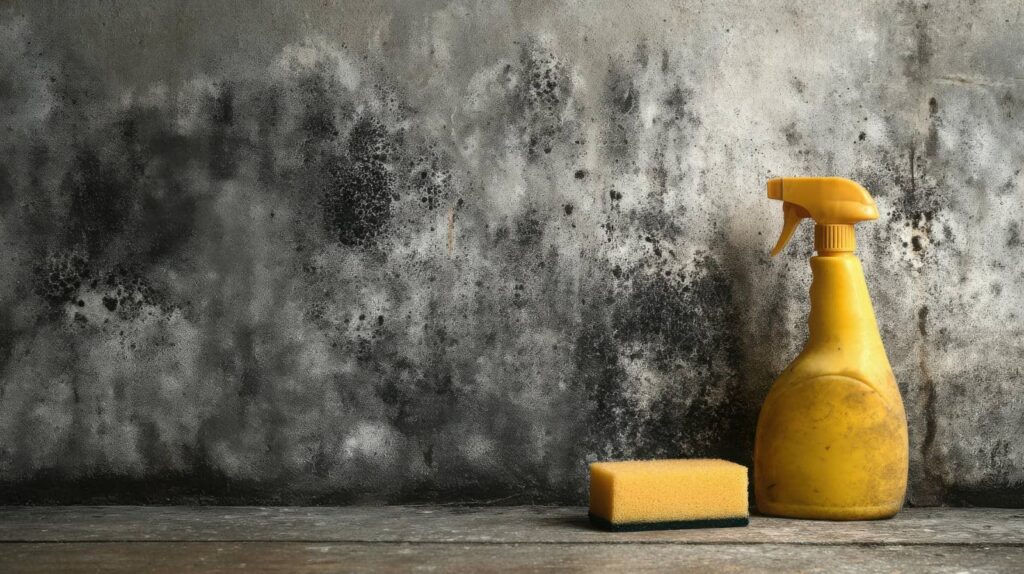
After a flood, tackling mold effectively is essential for safety and health. You need to first assess the extent of water damage, pinpointing hidden moisture areas. Next, implementing proper drying techniques is crucial to prevent further issues. Finally, effective mold remediation strategies must be employed to ensure long-term solutions. Understanding these steps can greatly reduce the risks associated with mold growth, but there’s more to reflect on for thorough remediation.
Key Takeaways
- Conduct a thorough inspection to identify all affected areas and document visible signs of water damage.
- Use dehumidifiers and fans to maintain low humidity levels and promote effective drying.
- Remove soaked materials like carpets and furniture to minimize mold growth potential.
- Clean surfaces with mold-specific products and wear protective gear during remediation.
- Apply mold-resistant treatments and ensure proper ventilation to prevent future mold issues.
Assess the Extent of Water Damage
Before you can effectively tackle mold remediation, you need to assess the extent of water damage in your space.
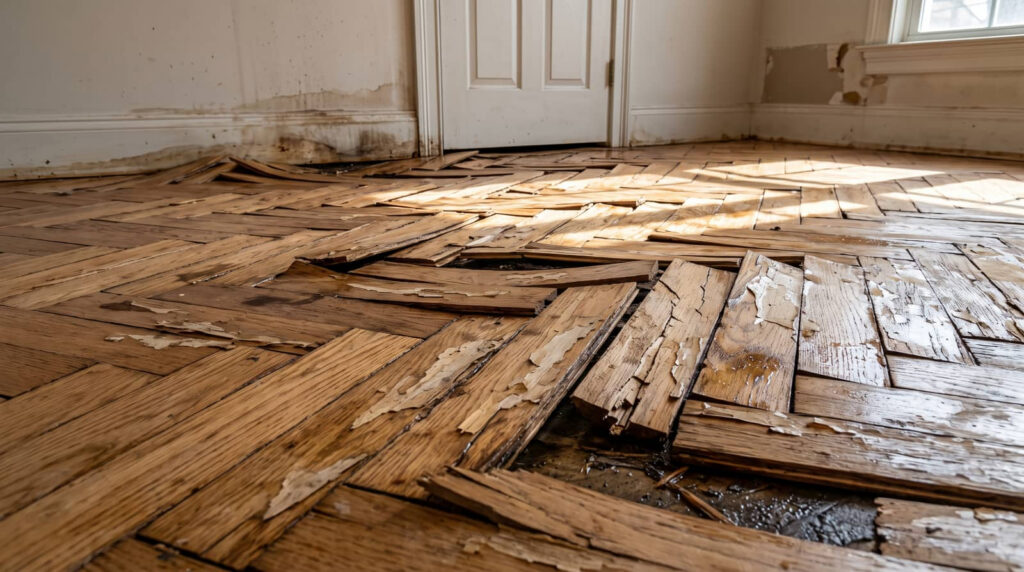
Start with thorough inspection methods to identify affected areas. Look for visible signs like discoloration, warping, or peeling paint, as these often indicate hidden moisture. Use moisture meters to gauge levels in walls and floors, ensuring you pinpoint all damp spots.
Don’t forget to check behind appliances and under carpets, as water can seep into less obvious areas.
Document your findings, noting the severity of each affected zone. This assessment helps you understand the scope of water damage and guides your remediation efforts.
Implement Proper Drying Techniques
Once you’ve assessed the extent of water damage, implementing proper drying techniques is crucial to prevent mold growth.
To effectively dry your space, consider the following strategies:
Dehumidifier Use: Invest in a dehumidifier to reduce moisture levels, ideally below 60%. This helps inhibit mold development.
Ventilation Methods: Open windows and doors to encourage airflow. Using fans can also help circulate air, speeding up the drying process.
Remove Wet Materials: Take out soaked carpets, furniture, and any other items that can retain moisture. This prevents further mold proliferation.
Monitor Humidity Levels: Regularly check humidity levels with a hygrometer to ensure they remain low throughout the drying phase.
Use Effective Mold Removal Strategies
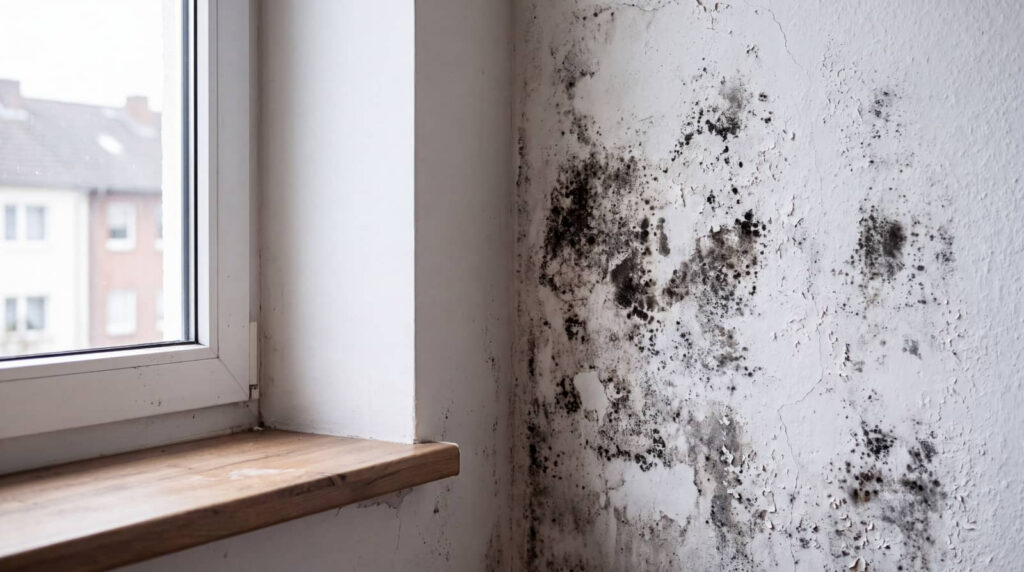
Although mold can be a persistent problem, using effective removal strategies can greatly minimize its impact on your home. Start by identifying and addressing moisture sources, as mold thrives in damp environments.
Utilize a combination of physical removal techniques—like scrubbing surfaces with a mold-specific cleaner—and containment methods to prevent spores from spreading. Confirm you’re wearing protective gear like masks and gloves to safeguard your health during the process.
To enhance air quality, use air purifiers equipped with HEPA filters, which can capture mold spores and improve overall indoor conditions.
Additionally, consider applying mold-resistant products on affected surfaces for long-term mold prevention. Regularly inspect your home for leaks or humidity issues, and maintain proper ventilation to keep the air circulating.
Frequently Asked Questions
How Long Does Mold Take to Grow After Flooding?
Mold can start growing within 24 to 48 hours after flooding. The flood damage impact accelerates the mold growth timeline, making quick action essential to prevent extensive damage and health risks in your home.
Can I Stay in My Home During Mold Remediation?
You shouldn’t stay in your home during mold remediation, as studies show 60% of homes contain mold. Mold exposure can lead to health risks, so prioritize your safety and find temporary accommodation during the process.
What Personal Protective Equipment Should I Wear?
You should wear protective gear like N95 masks, gloves, and goggles during mold remediation. These safety measures minimize exposure to spores, ensuring you stay safe while effectively addressing the mold issue in your home.
Is It Safe to Use Bleach for Mold Removal?
Using bleach for mold removal isn’t always safe; it’s only effective on certain mold types and doesn’t penetrate porous materials. In fact, most molds can thrive despite bleach, making alternative solutions often more effective.
How Can I Prevent Mold From Returning After Remediation?
To prevent mold’s return, use mold-resistant materials during repairs and maintain humidity control below 60%. Regularly check for leaks and ensure proper ventilation. These steps create a healthier, more welcoming environment for you and your loved ones.
Recap
In the aftermath of a flood, addressing mold is non-negotiable. By swiftly evaluating water damage, employing effective drying techniques, and utilizing targeted mold removal strategies, you can safeguard your environment against the insidious nature of mold growth. Just as a sturdy dam holds back rising waters, your proactive measures will create a barrier against future infestations. Stay vigilant with regular inspections to ensure a healthy living space, protecting both your property and well-being for the long haul.