Steering through flood damage insurance can be an intimidating task, especially when you’re faced with the aftermath of a disaster. Understanding your policy coverage is essential, as it sets the foundation for your claims process. Thorough documentation of the damage is important, but many overlook details that can impact their recovery. As you consider your next steps, it’s critical to know what to avoid and how to maximize your potential claims. Let’s explore key strategies to simplify this process.
Key Takeaways
- Review your policy to understand coverage types, limits, and exclusions related to flood damage.
- Document all damage thoroughly with clear photographs and keep receipts for repairs to support your claim.
- Notify your insurance provider immediately after the flood to initiate the claims process efficiently.
- Keep detailed records of all communications with your insurer, including dates and correspondence types.
- Consider hiring a licensed adjuster to accurately assess damage and help maximize your insurance claim.
Understand Your Policy Coverage
When you review your flood damage insurance policy, it’s vital to focus on understanding the specific coverage details.
Begin by examining the coverage types included in your policy, such as building property and personal property coverage. Each type serves a distinct purpose, ensuring that both your home and belongings receive adequate protection.
Next, pay close attention to the policy limits. These limits determine the maximum amount your insurer will pay for damages, so they’re essential for effective financial planning. If your home’s value exceeds these limits, you might face significant out-of-pocket expenses during recovery.
Finally, familiarize yourself with any exclusions or special conditions that could impact your coverage. A thorough understanding of these elements will help you make informed decisions and ensure you’re adequately protected against flood risks.
Document the Damage Thoroughly
To effectively support your flood damage claim, you need to capture detailed photographs of all affected areas and items.
These images serve as critical evidence of the damage.
Additionally, keeping all repair receipts will help substantiate your financial losses and reinforce your claim.
Capture Detailed Photographs
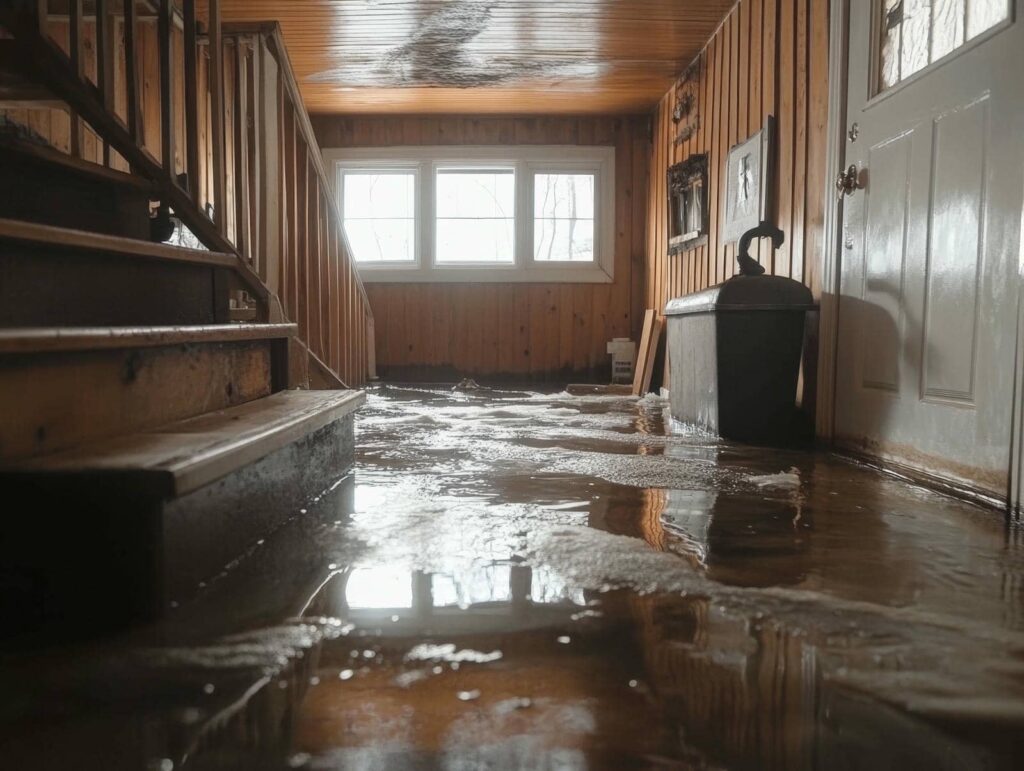
Capturing detailed photographs of flood damage is essential for documenting the extent of your losses. Use effective photographing techniques to ensure clarity; capture wide shots of entire rooms along with close-ups of specific damage, like warped flooring or stained walls.
Consider using natural light for better visibility and avoiding clutter in your shots to focus on the damage. Organize these images in digital storage, labeling them by date and location, so you can easily reference them later.
This thorough documentation can greatly strengthen your insurance claim. Remember, the more detail you provide, the better chance you have of receiving fair compensation. Take your time, be methodical, and ensure every affected area is well-documented.
Keep Repair Receipts
As you navigate the claims process, keeping repair receipts becomes crucial for demonstrating the expenses incurred due to flood damage.
Effective repair tracking and diligent expense management can greatly bolster your claim. By maintaining organized records, you streamline the reimbursement process and provide essential proof of your losses.
- Every dollar counts, and having receipts can ease financial strain.
- Your home’s recovery hinges on accurate documentation.
- It’s about reclaiming your sense of security and stability.
Notify Your Insurance Provider Promptly
When a flood damages your property, notifying your insurance provider promptly is essential to ensure you receive the compensation you’re entitled to.
Timely reporting can greatly influence the efficiency of your claim process. Most insurance policies have specific timelines for filing an insurance notification after a loss, and delays can jeopardize your coverage.
As soon as you’re safe and assess the damages, reach out to your insurer.
Provide clear details about the incident and the extent of the damage. This proactive approach demonstrates your commitment to the claims process and fosters a sense of partnership with your provider.
Keep Records of All Communications
Keeping thorough records of all communications with your insurance provider is essential.
Document every interaction, including dates, times, and details discussed, to ensure you have a clear timeline of events.
Additionally, save important correspondence, such as emails and letters, to support your claims process effectively.
Document All Interactions
Documenting all interactions related to your flood damage insurance claim is essential for ensuring a smooth claims process. By keeping detailed records, you enhance your communication strategies and stay organized.
Interaction logs help you track conversations and decisions, providing a clear timeline of events.
- You’ll feel empowered by having your documentation in order.
- You’ll gain confidence during discussions with your insurance adjuster.
- You’ll foster a sense of community by sharing your experience with others in similar situations.
Save Important Correspondence
Maintaining a thorough record of all communications regarding your flood damage insurance claim is essential for a successful resolution.
Start by organizing important documents, such as emails, letters, and notes from phone calls. Use a dedicated folder, whether physical or digital, to keep everything in one place.
Document the date, time, and details of each correspondence to ensure you have a clear timeline of events. This correspondence organization will help you track progress and address any discrepancies that may arise.
When questions or disputes occur, having a well-organized record becomes invaluable. By proactively managing your communication, you strengthen your case and foster a sense of belonging within the insurance process, as you advocate for your rights effectively.
Work With a Licensed Adjuster
When traversing the complexities of flood damage insurance, working with a licensed adjuster can greatly streamline the claims process. Their expertise can help you navigate the intricate details of your policy, ensuring you get the compensation you deserve.
Licensed adjuster benefits include their ability to assess damage accurately and advocate for you during negotiations. By employing effective adjuster negotiation strategies, they can maximize your claim and minimize stress.
- Feel supported as you face uncertainty
- Gain clarity in a confusing situation
- Secure the financial relief you need
Engaging a licensed adjuster means you’re not alone in this challenging time. They bring experience and knowledge to the table, allowing you to focus on recovery rather than paperwork.
Be Aware of Exclusions and Limitations
Even with the support of a licensed adjuster, understanding the exclusions and limitations in your flood damage insurance policy is essential for a successful claims process.
Exclusion clauses can greatly impact your coverage, so it’s imperative to identify what’s not included. For instance, many policies exclude damage from mold or specific natural disasters, which could leave you vulnerable if those situations arise.
Policy limitations also play an important role, often capping the amount you can claim for certain types of damage. These limits can vary widely, so reviewing them thoroughly can help you set realistic expectations.
It’s advisable to ask your insurer for clarification on any vague terms or conditions. By being proactive and informed about these exclusions and limitations, you’ll strengthen your position when maneuvering the claims process and ensure you’re better prepared for potential financial setbacks.
Appeal Denied Claims Wisely
While facing a denied claim can be frustrating, approaching the appeals process with a strategic mindset is vital. Start by thoroughly reviewing the reason for the denial. Understanding the insurer’s perspective can help you frame your appeal effectively.
Evidence gathering is important here; compile all relevant documents, photographs, and expert opinions to support your case.
- Your home deserves the support it needs.
- You’re not alone in this fight.
- Every detail can make a difference.
As you move through the appeal process, maintain clear communication with your insurer. Be persistent yet respectful, and make sure you meet all deadlines.
You want to demonstrate that you’re organized and serious about your claim. Remember, your goal is to illustrate why your claim should be reconsidered. With a well-prepared appeal, you increase your chances of achieving a favorable outcome.
Frequently Asked Questions
How Long Do I Have to File a Flood Damage Claim?
You typically have 60 days to submit your claim after a flood event, as outlined in your flood policy. Make sure to gather necessary documentation to support your claim submission, ensuring you maximize your benefits.
Can I Receive Compensation for Temporary Housing Expenses?
Yes, you can receive compensation for temporary housing expenses through your insurance claims. Ensure you document all costs and communicate clearly with your insurer, as they’ll require detailed information to process your request effectively.
What if My Insurance Policy Doesn’t Cover Flood Damage?
If your insurance policy doesn’t cover flood damage, explore flood insurance alternatives like private policies or federal disaster assistance programs. These options can provide financial support and help you recover from unexpected flooding challenges.
Are There Specific Deadlines for Documenting Flood Damage?
Yes, there are specific deadlines for documenting flood damage. After a storm, you’ve got a limited time to submit claim documentation, often within 30 days. Missing these insurance timelines can jeopardize your claim, so act swiftly.
How Can I Find a Reliable Licensed Adjuster?
To find a reliable licensed adjuster, check their qualifications and seek referrals from trusted sources. Online reviews and professional networks can also provide valuable insights, ensuring you choose someone skilled and reputable for your needs.
Final Thoughts
Steering through flood damage insurance can feel like wading through murky waters, but by following these tips, you’ll chart a clearer path to recovery. Understanding your policy and documenting damage acts like a sturdy life jacket, keeping you afloat amid the chaos. By staying organized and proactive, you can turn the tide in your favor, ensuring that your claims process is as smooth as a calm sea. Embrace this journey with diligence, and you’ll emerge on the other side, ready to rebuild.