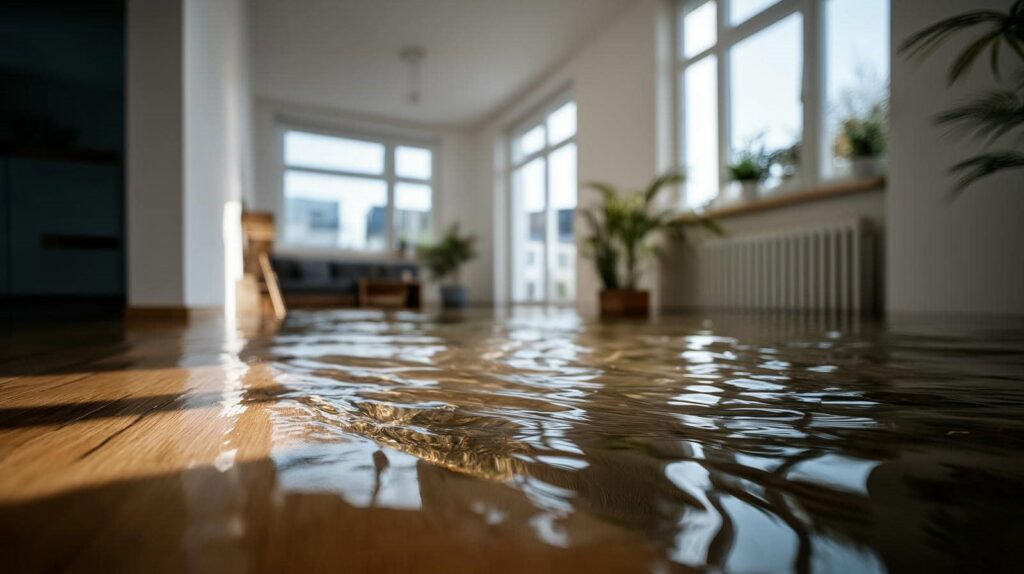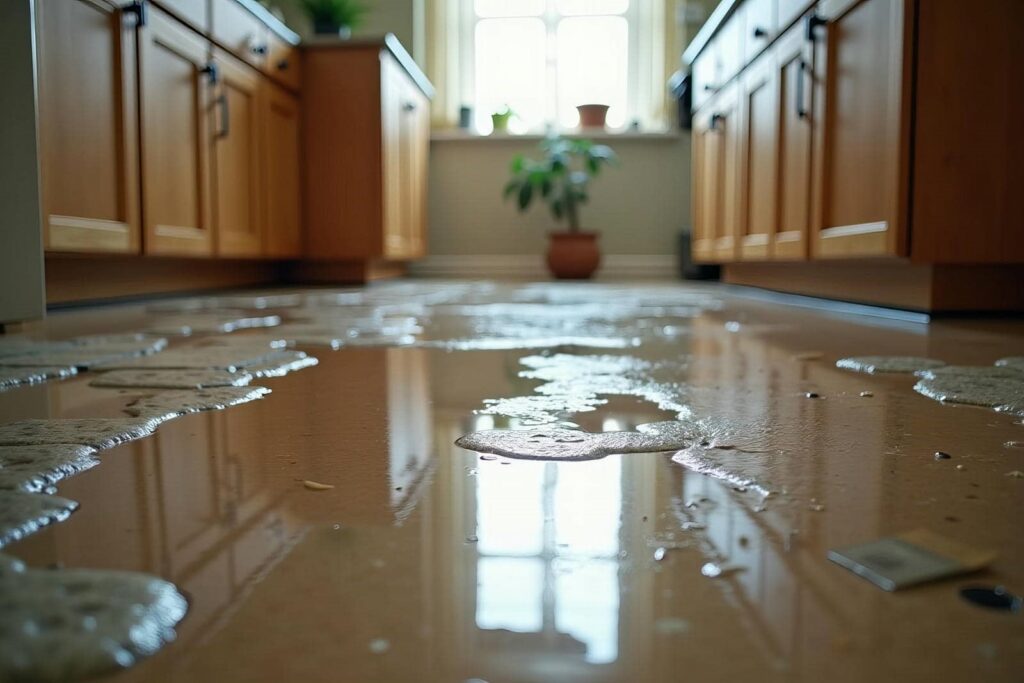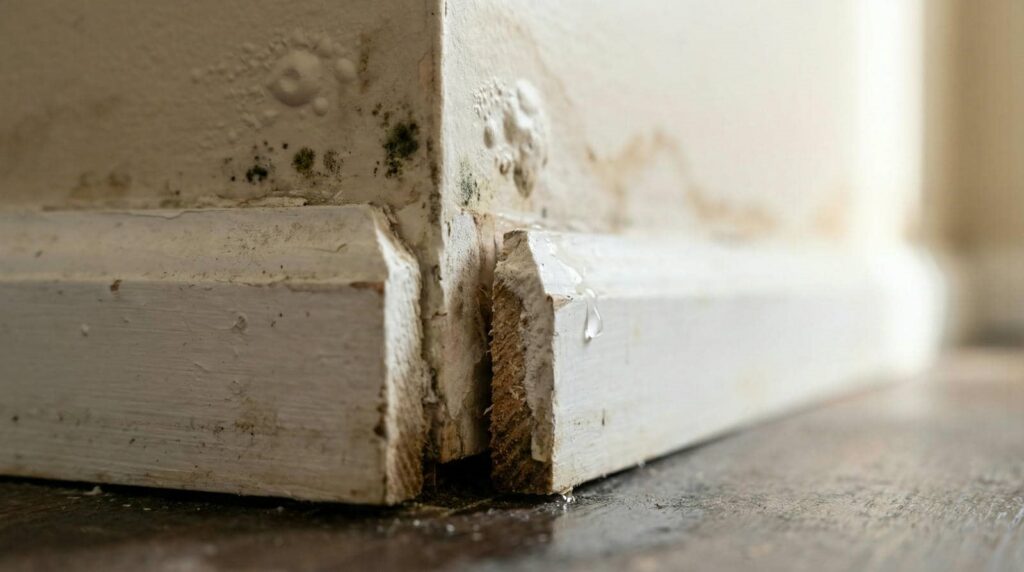
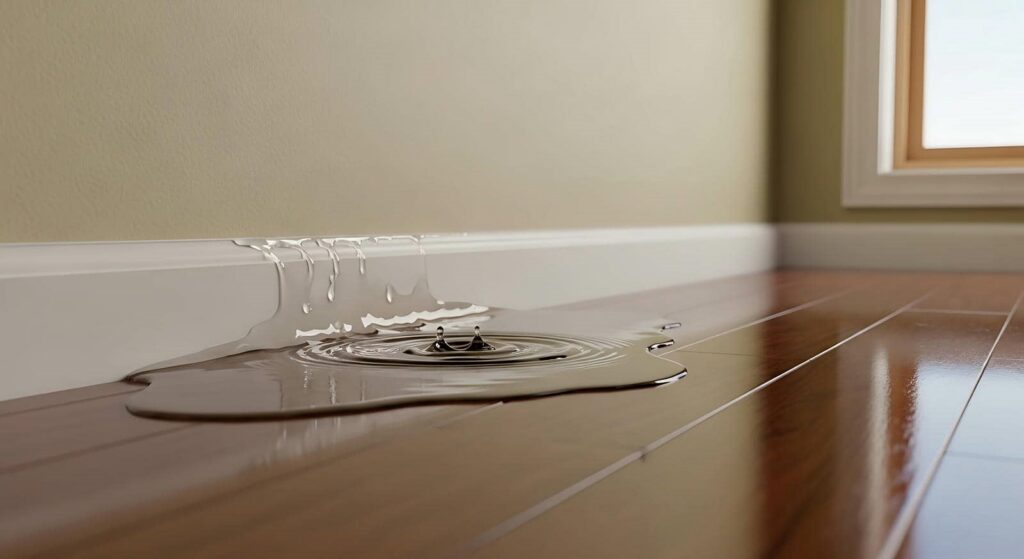
Recognizing water damage exposure symptoms is vital for your health and well-being. These symptoms can manifest in various ways, from respiratory issues to skin irritations, and understanding them can lead to timely interventions. Furthermore, the psychological effects can be just as significant, affecting your daily life. As you consider these impacts, it’s important to explore how early detection can prevent long-term complications and what steps you can take to protect yourself and your community.
Key Takeaways
- Recognizing water damage exposure symptoms early can prevent severe health issues, including chronic respiratory problems and cognitive decline.
- Awareness of symptoms fosters timely intervention, reducing health risks and mitigating property damage.
- Understanding these symptoms encourages vulnerable populations to seek help and access necessary resources for recovery.
- Early detection of symptoms can minimize repair costs and avoid extensive damage to property and health.
- Addressing water damage symptoms promotes community engagement and collective responsibility for a safe living environment.
Understanding Water Damage Exposure Symptoms
How can water damage exposure affect your health? When you’re exposed to water damage, your well-being can take a significant hit. Mold, bacteria, and other contaminants thrive in damp environments, potentially leading to a range of exposure symptoms. You might notice respiratory issues, skin irritations, or even headaches after prolonged contact with affected areas.
Understanding these symptoms is vital, as they can indicate underlying health risks. In addition, prolonged exposure can weaken your immune system, making you more susceptible to infections. You may also experience fatigue or cognitive difficulties, which can disrupt your daily life.
Common Physical Symptoms of Water Damage Exposure
When exposed to water damage, you might notice several common physical symptoms.
Respiratory issues, skin irritation, and allergic reactions can arise as your body reacts to mold and contaminants.
Recognizing these symptoms is essential for addressing the underlying problem and protecting your health.
Respiratory Issues
Although you mightn’t realize it, exposure to water damage can lead to significant respiratory issues that often manifest subtly at first.
The presence of mold growth, a common consequence of water damage, can severely impact your indoor air quality. You may experience symptoms like coughing, wheezing, or shortness of breath, which can easily be mistaken for allergies or a mild cold.
Prolonged exposure to contaminated air can exacerbate underlying conditions, such as asthma or chronic obstructive pulmonary disease (COPD). It’s essential to recognize these signs early, as they can indicate a need for immediate action to improve your environment.
Understanding the link between water damage and respiratory health can foster a sense of community responsibility in addressing these hazards.
Skin Irritation
Respiratory issues aren’t the only health concerns stemming from water damage; skin irritation is another common physical symptom you might encounter.
When exposed to damp environments, you may develop skin allergies that manifest as rashes or irritations. These reactions often occur due to mold, mildew, or bacteria thriving in water-damaged areas.
If you notice redness, itching, or swelling, it’s essential to seek rash treatment promptly. Ignoring these symptoms could lead to more severe skin conditions or infections.
Allergic Reactions
Exposure to water damage can trigger various allergic reactions, making it crucial to recognize these symptoms early. If you’re experiencing mold allergies, you might notice sneezing, nasal congestion, or itchy eyes. These reactions occur when your immune system overreacts to mold spores often found in damp environments.
Additionally, chemical sensitivities can surface due to exposure to cleaning agents or other substances present in water-damaged areas. Symptoms may include headaches, skin rashes, or respiratory issues.
Understanding these signs helps you protect your health and fosters a sense of belonging in communities where awareness of water damage consequences is essential. By recognizing these symptoms, you can take proactive steps to ensure a safer living environment for yourself and others.
Psychological Effects of Water Damage Exposure
Exposure to water damage can greatly elevate your anxiety and stress levels, impacting your daily life.
The long-term mental health effects may include persistent worry and depression, which can hinder your overall well-being.
Understanding these psychological impacts is essential for addressing the full scope of water damage exposure.
Anxiety and Stress Levels
While dealing with water damage, you might face physical hazards and significant psychological impacts, particularly anxiety and stress.
The chaos of disrupted routines and uncertainty about your living environment can amplify anxiety triggers. You may find yourself preoccupied with worries about repairs or potential health risks, which can lead to elevated stress levels.
Recognizing these feelings is essential, as they can affect your overall well-being. Implementing effective stress management strategies, such as mindfulness or seeking support from friends and family, can help you navigate this challenging period.
Long-term Mental Health Effects
The psychological impacts of water damage can extend well beyond the immediate stress and anxiety, potentially leading to long-term mental health effects. You might experience emotional distress that lingers, manifesting as persistent worry or depression.
This kind of trauma can impair your daily functioning and relationships, making it hard to feel connected to others. Additionally, cognitive decline may occur, affecting your ability to concentrate or make decisions.
The disruption in your living environment can leave you feeling unsettled, which compounds these challenges. Recognizing these symptoms is vital; it allows you to seek support and strategies for recovery.
Addressing the emotional and cognitive consequences of water damage is essential to reclaiming your mental well-being and fostering a sense of belonging once again.
Long-Term Health Risks Associated With Water Damage
Understanding the long-term health risks associated with water damage is essential, as prolonged exposure to damp environments can lead to serious medical conditions.
Poor water quality and hidden mold growth can exacerbate these risks, necessitating regular health assessments for those affected.
Here are four significant health risks you should be aware of:
Respiratory Issues: Prolonged exposure can lead to chronic asthma, bronchitis, and other respiratory illnesses.
Infections: Bacteria and fungi thrive in damp conditions, increasing the risk of infections.
Neurological Problems: Some molds produce mycotoxins, which can affect cognitive functions and mental clarity.
Allergies: Continuous exposure can trigger or worsen allergic reactions, affecting overall well-being.
Awareness of these risks can help you take proactive steps in safeguarding your health and ensuring a safe living environment.
Vulnerable Populations at Risk
Certain groups of people face heightened risks when exposed to water damage, making it crucial to recognize who’s most vulnerable. Vulnerable children, for instance, are particularly susceptible due to their developing immune systems and smaller body sizes. They might experience exacerbated health issues, which can lead to long-term developmental problems.
Elderly populations also face significant risks. As we age, our immune responses often weaken, making it harder to combat the effects of mold and bacteria in water-damaged environments.
Both groups may lack the resources or knowledge to navigate the complexities of water damage and its health implications effectively.
Recognizing these vulnerabilities isn’t just about awareness; it’s about fostering a sense of community responsibility. By understanding who’s at risk, we can better advocate for protective measures that ensure everyone’s well-being, particularly those who may not be able to advocate for themselves.
Identifying Mold-Related Symptoms
When exposed to mold, you may notice a range of symptoms that can vary in severity and type. Recognizing these symptoms early is essential for your health and well-being. Here are some common indicators to watch for:
Respiratory Issues: You might experience coughing, wheezing, or difficulty breathing.
Allergic Reactions: Symptoms such as sneezing, runny nose, or itchy eyes can occur.
Skin Irritation: Rashes or hives may develop upon contact with mold spores.
Fatigue and Headaches: Persistent tiredness or headaches can indicate mold exposure.
Utilizing effective mold identification techniques can help you recognize these symptoms sooner.
Additionally, implementing mold prevention strategies, such as controlling humidity and ensuring proper ventilation, can reduce your risk of exposure.
Importance of Early Detection and Response
Early detection and response to water damage can greatly mitigate health risks and property damage. When you identify issues early, you can implement effective early intervention strategies that prevent further deterioration. This proactive approach not only safeguards your home but also protects your health.
Utilizing health monitoring techniques allows you to stay vigilant against mold growth and other contaminants that arise from water exposure. Regular checks can help you catch potential problems before they escalate, ensuring a safer living environment for you and your loved ones.
Moreover, a swift response minimizes repair costs and limits the extent of damage to your property. Understanding the importance of early detection fosters a sense of community, as you engage with others who share similar concerns about health and safety.
Preventative Measures to Reduce Health Risks
Taking proactive steps can considerably reduce health risks associated with water damage.
By implementing effective preventive maintenance strategies, you can safeguard your environment and well-being.
Regular property inspections are essential for identifying potential issues before they escalate.
Here are four vital measures to take into account:
Inspect Plumbing: Regularly check pipes, faucets, and appliances for leaks or signs of wear.
Maintain Gutters: Clean and repair gutters to ensure proper drainage and prevent water accumulation.
Monitor Humidity Levels: Use dehumidifiers in damp areas to maintain ideal humidity and inhibit mold growth.
Seal Windows and Doors: Verify that seals are intact to prevent water infiltration during storms.
Seeking Professional Help for Water Damage Issues
Although you may feel tempted to tackle water damage issues on your own, seeking professional help is often essential for ensuring thorough remediation.
Water damage restoration requires specialized equipment and expertise that most homeowners lack. Professionals can accurately assess the extent of the damage and identify hidden risks, such as mold growth, that could affect your health and property value.
Moreover, working with experts streamlines the process of filing insurance claims. They understand the documentation required and can provide detailed reports that support your case, increasing the likelihood of a successful claim.
By entrusting your water damage issues to professionals, you ensure a safer living environment and protect your financial interests.
Frequently Asked Questions
How Can I Properly Assess My Home for Water Damage?
To assess your home for water damage, identify potential water sources, such as leaks or flooding. Conduct a thorough damage assessment by checking walls, ceilings, and floors for discoloration, mold, or structural issues.
What Are the Best Cleaning Methods for Water-Damaged Areas?
Many homes experience water damage. Use effective cleaning techniques like soap and water, followed by disinfectants, and ensure thorough drying to enhance mold prevention. Regular inspections can help maintain a safe, healthy environment.
How Does Water Damage Affect Property Value?
Water damage considerably reduces property value due to property depreciation and negative market perception. Buyers often view affected properties as risky investments, leading to lower offers and prolonged selling times, impacting your financial return.
Can Pets Be Affected by Water Damage Exposure?
Yes, pets can be affected by water damage exposure. Mold exposure from damp environments can harm your pet’s health, causing respiratory issues and allergies. It’s essential to monitor their wellbeing in such situations for their safety.
What Insurance Coverage Is Available for Water Damage?
You can explore various insurance options like flood insurance and homeowners’ policies that cover water damage. Additionally, some plans include coverage for water restoration, ensuring you’re financially protected against potential losses from water incidents.
Conclusion
Recognizing water damage exposure symptoms is essential for safeguarding your health and that of your community. By staying vigilant and acting quickly, you can prevent the silent, creeping damage that can linger like an unwelcome ghost. Remember, early detection mitigates physical health risks and supports mental well-being. Don’t wait for the storm to pass; take proactive steps today to protect yourself and those around you from the lingering effects of water damage.