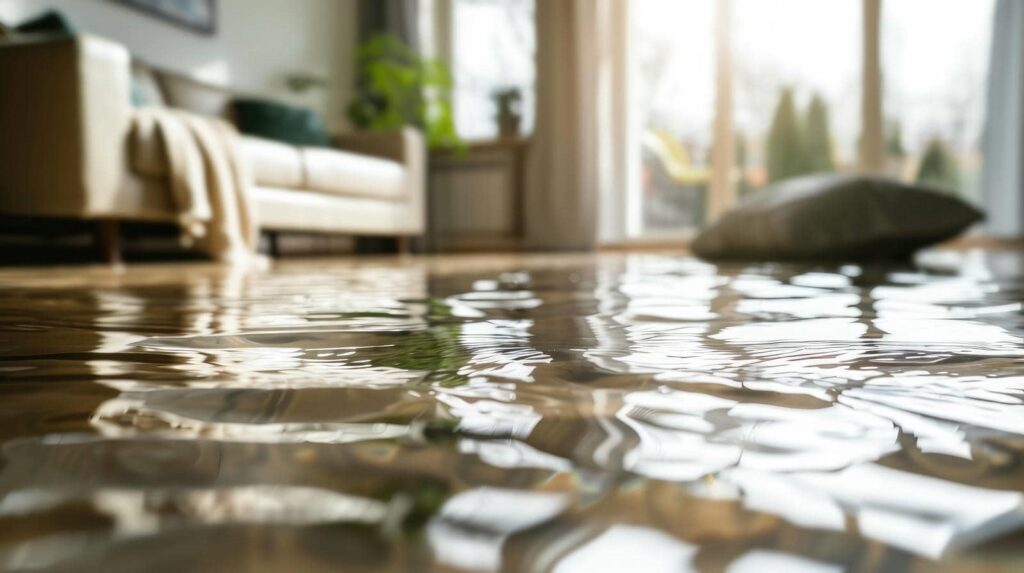
Water damage cleanup varies markedly between businesses and homes, often influenced by factors you might not consider, such as compliance regulations and operational priorities. While businesses focus on minimizing downtime and adhering to strict safety protocols, homeowners typically prioritize emotional recovery and the preservation of personal belongings. Understanding these distinctions is essential, as the approaches to cleanup can greatly affect outcomes. What specific strategies differentiate these processes, and how can they impact recovery time?
Key Takeaways
- Businesses prioritize operational recovery to minimize downtime, while homes focus on restoring emotional well-being and stability for occupants.
- Commercial cleanup adheres to stricter safety protocols and regulatory compliance, necessitating specialized industrial-grade equipment for effective restoration.
- Emergency response times are critical for businesses to maintain productivity, while homeowners may have more flexibility in timing for restoration efforts.
- Professionals utilize advanced tools and techniques for businesses to quickly address water damage, which may not be available for residential cleanup.
- Insurance considerations differ, with businesses facing higher coverage limits and potential exclusions impacting claims, unlike homeowners focusing primarily on personal property damage.
Understanding the Scale of Water Damage in Residential and Commercial Properties
When you experience water damage, it’s essential to understand its scale in both residential and commercial properties, as the impact can vary markedly based on the source and extent of the water intrusion.
Residential impacts often include structural damage, mold growth, and compromised electrical systems, which can disrupt your daily life. You’ll want to assess the damage quickly, as even minor leaks can escalate if left unattended.
On the other hand, commercial considerations involve physical damage and financial ramifications. Businesses may face inventory loss, business interruption, and potential legal liabilities.
The scale of water damage in a commercial setting can lead to significant downtime, affecting employee productivity and customer trust. Understanding these factors helps you make informed decisions, ensuring that you address the specific needs of your property, whether it’s a home or a business, and fosters a sense of community in tackling these challenges together.
Differences in Cleanup Protocols for Homes and Businesses
While the fundamental goal of water damage cleanup remains the same—restoring the affected area to its pre-damage condition—the protocols for homes and businesses differ markedly due to the unique challenges each environment presents.
In homes, cleanup techniques often focus on personal belongings and sentimental items, requiring delicate handling. You might prioritize drying out carpets, furniture, and walls to prevent mold growth.
In contrast, businesses often face stricter safety protocols due to regulatory compliance and operational continuity. Commercial spaces may require industrial-grade equipment and professional services to address larger areas and specialized systems, like HVAC or electrical systems.
You’ll also need to take into account downtime; businesses may implement rapid cleanup strategies to minimize disruption.
Ultimately, understanding these differences helps you navigate the complexities of water damage cleanup, ensuring both safety and efficiency.
The Role of Insurance in Water Damage Restoration
Understanding your insurance coverage is essential when dealing with water damage restoration.
Different policies can offer varying levels of protection and have specific claims processes that you’ll need to navigate.
Insurance Coverage Variations
As you navigate the complexities of water damage restoration, it’s essential to recognize that insurance coverage can vary greatly between policies.
For businesses, coverage limits might be higher due to greater potential losses, while homeowners may face lower limits.
It’s critical to thoroughly review your policy to identify any exclusions that could impact your claim. Common policy exclusions may include damage from neglect or lack of maintenance, which can greatly affect your financial recovery.
Understanding these nuances prepares you and helps you advocate for your needs effectively.
Always consult your insurance agent to clarify coverage specifics, ensuring you’re aware of your coverage limits and any policy exclusions that could hinder your restoration efforts.
Claims Process Differences
Maneuvering the claims process after water damage can be intricate, especially when you consider the differences in how claims are handled for businesses versus homes.
For businesses, claims documentation often involves detailed records of operational disruptions and financial losses, while homeowners typically focus on personal property damage. A thorough liability assessment is vital; businesses may face additional scrutiny regarding liability coverage and potential revenue loss, which can complicate their claims.
In contrast, homeowners often deal more with personal losses and emotional distress. Understanding these nuances is essential, as it helps you prepare extensive documentation and navigate your specific claim more effectively, ensuring that you receive the appropriate compensation for your unique situation.
Timeline Expectations for Cleanup and Restoration
When water damage occurs, your initial response time is critical to minimizing further deterioration.
Various factors, such as the extent of damage and the type of materials affected, will influence the overall restoration duration.
Understanding these elements helps set realistic expectations for your cleanup and restoration process.
Initial Response Time
While the urgency of water damage requires swift action, understanding the typical timeline for cleanup and restoration is crucial for effective response. Here’s what you can expect during the initial stages:
Emergency Response: Within 1 hour, professionals should arrive on-site to assess the damage.
Rapid Assessment: Expect a detailed evaluation within 2 to 4 hours to determine the extent of the water damage.
Action Plan: Within 24 hours, you’ll receive a thorough plan detailing the cleanup process.
Start of Cleanup: Within 48 hours, restoration efforts typically commence to mitigate further damage.
Knowing these timelines helps you prepare and ensures your property receives the attention it needs promptly.
Your proactive approach makes a difference!
Restoration Duration Factors
After the initial response, several factors influence how long the restoration process will take.
First, the severity of the water damage directly impacts your restoration timeline. If you’re dealing with extensive flooding, it may require advanced drying techniques, extending the process.
The type of materials affected also plays an essential role; porous materials like drywall can retain moisture, necessitating additional drying time.
Additionally, the environmental conditions—like humidity and temperature—can either expedite or delay drying.
Finally, the efficiency of your restoration team and their access to equipment will affect how quickly they can work.
Being aware of these factors can help you set realistic expectations and foster a sense of control during this challenging time.
Equipment and Technology Used in Water Damage Cleanup
Effective water damage cleanup relies heavily on specialized equipment and advanced technology that assure thorough restoration.
You’ll need to understand the tools that professionals use to facilitate a successful recovery:
Moisture Detection Meters: These devices accurately identify hidden moisture levels in walls and flooring to prevent further damage.
High-Volume Extractors: These powerful machines remove excess water quickly, reducing the risk of mold growth.
Advanced Drying Equipment: Air movers and dehumidifiers work in tandem to create ideal drying conditions, promoting faster restoration.
Thermal Imaging Cameras: These help locate areas of trapped moisture that aren’t visible to the naked eye.
Impact of Water Damage on Business Operations vs. Home Life
The consequences of water damage can vary considerably between business operations and home life, each facing unique challenges and impacts.
In a business context, water damage threatens business continuity, potentially halting operations and leading to financial losses. You may find yourself scrambling to implement recovery plans, often under pressure to minimize downtime and restore services efficiently.
Conversely, in your home, water damage leads to family disruption, affecting daily routines and creating an emotional toll. You may need to relocate temporarily, disrupting your family’s comfort and stability.
The restoration process can be lengthy and invasive, impacting not just physical space but also family dynamics.
Ultimately, while both situations require immediate attention, the stakes differ. Businesses prioritize operational recovery, while homes focus on emotional well-being and stability.
Understanding these distinctions helps in effectively addressing water damage in both settings.
Importance of Professional Services in Water Damage Situations
When facing water damage, relying on professional services is essential for a thorough and efficient restoration. Their emergency response teams are equipped to handle situations swiftly, minimizing further damage.
Here’s why you should consider professional expertise:
Rapid Assessment: They quickly evaluate the extent of water damage, ensuring no hidden issues remain.
Specialized Equipment: Professionals use advanced tools for extraction and drying, which you mightn’t have access to at home.
Mold Prevention: They implement strategies to prevent mold growth, safeguarding your health and property.
Insurance Navigation: Experts can assist in filing claims, helping you navigate the complexities of insurance processes.
Choosing professional services ensures effective restoration and provides peace of mind.
With their skills and knowledge, you’ll feel supported throughout the stressful experience of water damage recovery.
Frequently Asked Questions
How Can Businesses Prevent Water Damage Before It Occurs?
You can prevent water damage by implementing effective waterproofing techniques and installing proper drainage systems. Regularly inspect these systems to ensure they’re functioning correctly, helping you safeguard your business from potential water-related issues.
What Are the Long-Term Effects of Water Damage on Property Value?
Imagine a once-vibrant garden wilting under neglect; similarly, water damage can lead to property depreciation. Buyers notice signs of neglect, altering market perception, and ultimately diminishing your property’s value in the competitive landscape.
Are DIY Cleanup Methods Effective for Serious Water Damage?
DIY cleanup methods often fall short for serious water damage due to their limitations. While you might achieve some effectiveness, professional assistance typically ensures thorough restoration, addressing hidden issues that could compromise your property’s integrity.
How Can Businesses Communicate With Customers During Water Damage Recovery?
Customers prefer real-time updates during emergencies. Keep them informed with timely customer notifications and recovery updates, ensuring transparency and trust throughout the water damage recovery process.
What Specific Regulations Must Businesses Follow During Water Damage Cleanup?
You must adhere to regulatory compliance and industry standards during water damage cleanup. This includes following safety protocols, ensuring proper waste disposal, and maintaining documentation to protect your business and reassure customers about your professionalism.
Summary
Understanding the differences in water damage cleanup for businesses and homes is essential for effective restoration. Many small businesses struggle to recover after major property damage, underscoring the importance of acting quickly and following proper safety protocols. Meanwhile, homeowners need to focus on emotional well-being and safeguarding personal belongings. By tailoring your approach to each scenario’s specific needs, you can ensure a successful restoration process.